Three reforms that can change India
As Prime Minister Narendra Modi completes 4,399 days in office, India stands at a defining moment in its modern history.
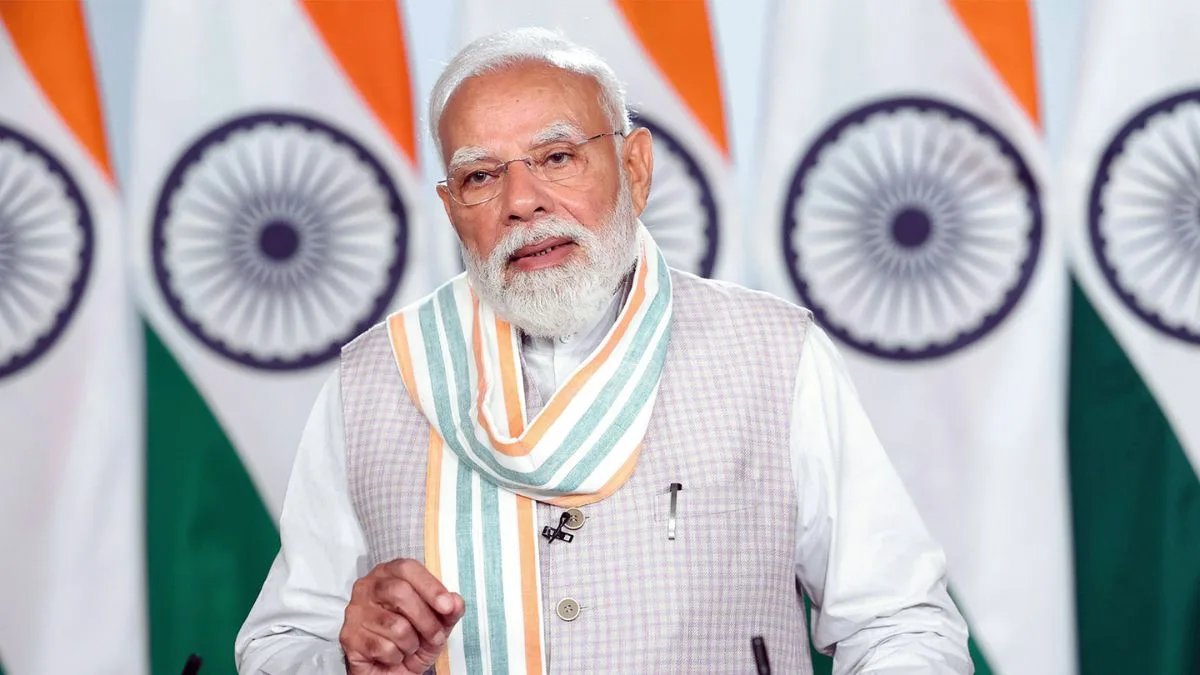
As Prime Minister Narendra Modi completes 4,399 days in office, India stands at a defining moment in its modern history.
India’s demographic profile has long been presented as an economic advantage.

For much of the past two years, investors appeared willing to suspend disbelief.

Between light and shadow lies our reality, a land where triumph and fragility walk side by side.
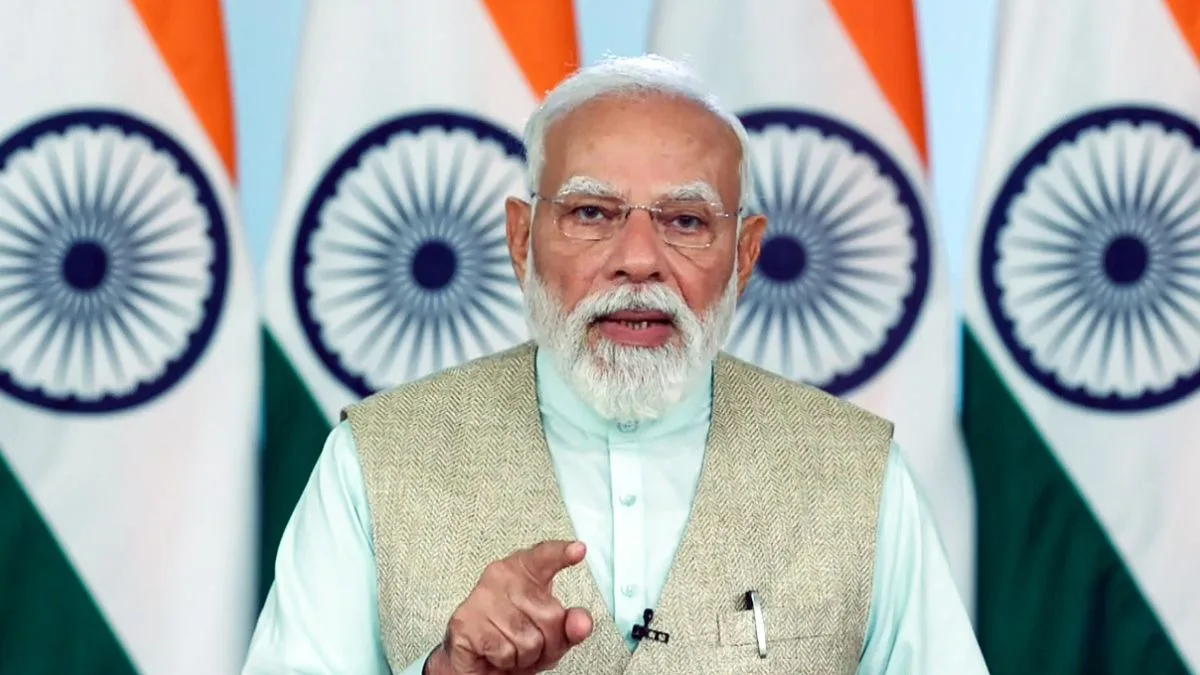
Many congratulations to Prime Minister Narendra Modi for reaching a historic milestone - the longest- serving elected Prime Minister in Indian history, with 4,399 consecutive days in office since first taking the oath of office on 26 May 2014.

India’s roads kill with a predictability that should shame a modern state. Day after day, lives are lost not in dramatic, singular catastrophes but in an unbroken sequence of collisions, rollovers and run-overs that barely register beyond a brief news alert.
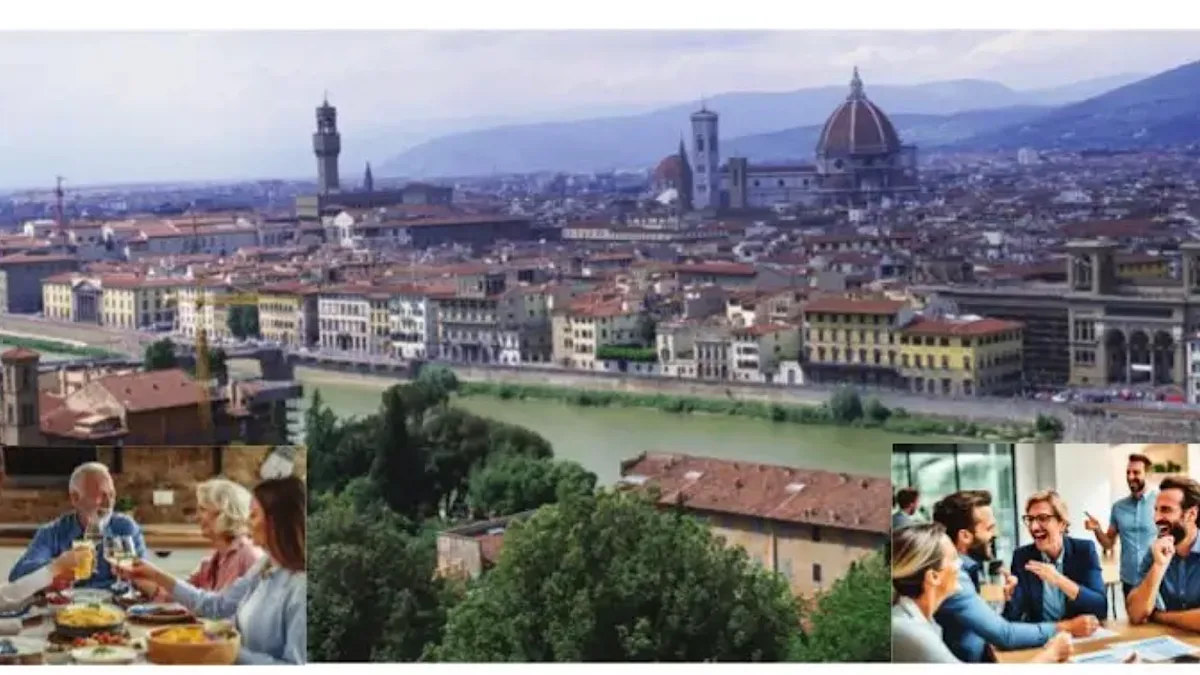
For the past three years in a row ~ 2023, 2024, and now 2025 ~ my travels across Italy, from the sun-washed lanes of Puglia to the Renaissance splendor of Florence and even the hurried streets of Rome, have taught me a lesson far deeper than art, architecture, or cuisine.

Switching off can be surprisingly expensive. Much like the smoking cessation boom of the 1990s, the digital detox business – spanning hardware, apps, telecoms, workplace wellness providers, digital “wellbeing suites” and tourism – is now a global industry in its own right.

In last month’s G20 summit at Johannesburg, Chinese Premier Li Qiang chose to connect with 19 mineral exporting countries and offered them finance and technical cooperation in mineral extraction, separation and processing.

The story of two entrepreneur brothers, Saurabh and Gaurav Luthra, who built a celebrated nightlife brand in India is now overshadowed by tragedy and public outrage.