Striving for the Gandhian ideal
Generally, it is taken for granted that the journey on the path of development is accompanied by increasing urbanization.

Generally, it is taken for granted that the journey on the path of development is accompanied by increasing urbanization.

A doctor and nursing staff at a Maharashtra hospital were allegedly assaulted by a local corporator, exposing a disturbing irony.

The barricading of the Shambhu border in Haryana to prevent farmers from travelling to Delhi raises a question larger than the protest itself.
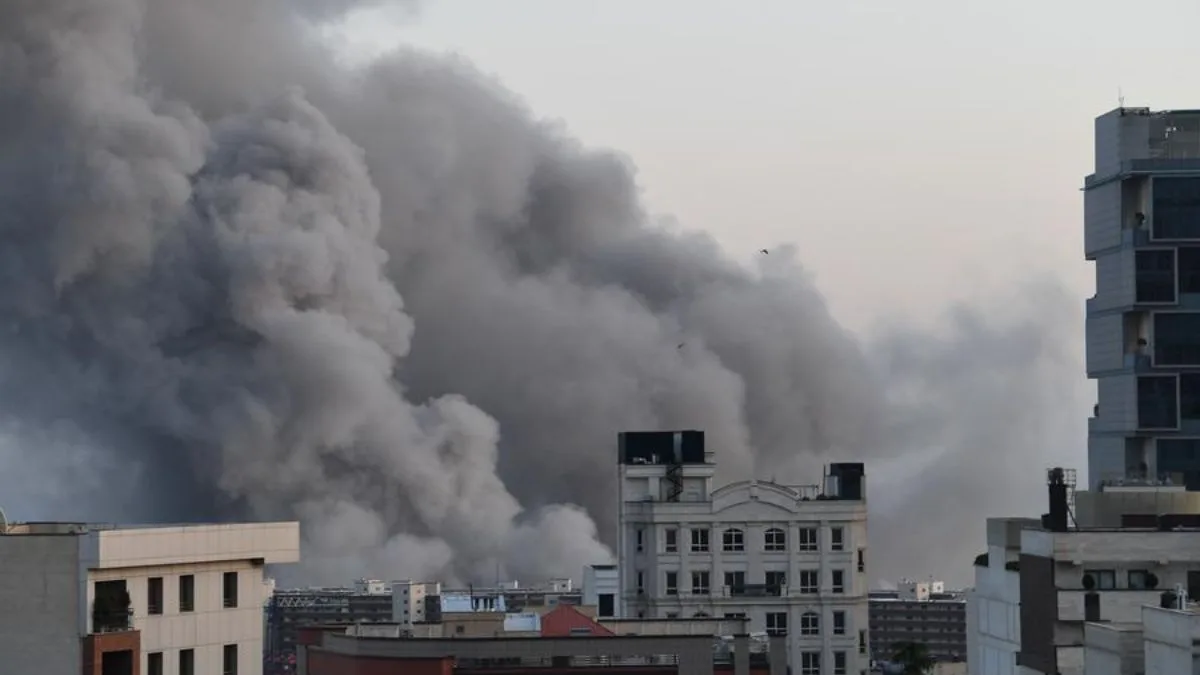
The renewed war between the United States and Iran has again placed American and Israeli military interests on apparently common ground.
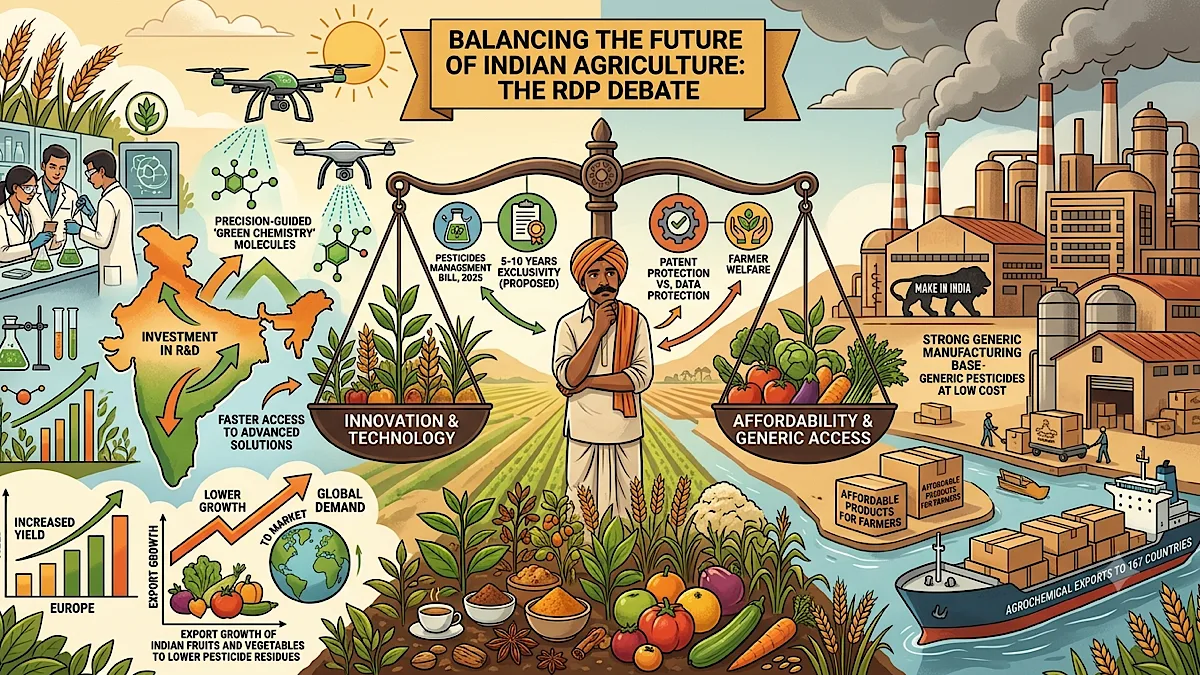
India’s agrochemical industry, a major global hub for crop protection product manufacturing, is at the heart of a significant policy discussion that could shape the future of agricultural innovation, domestic production, exports, and farmer welfare.

The elevation of General Min Aung Hlaing to the presidency marks not a transition in Myanmar’s politics, but its refinement

As a struggling filmmaker, I find myself watching the world with a kind of discipline d distance ; absorbing, observing, feeling deeply, and yet withholding any public articulation of what it all might mean about us, about the state of our civilization, and about the state of love that we, as humans, spend our lives chasing.O

The United States now finds itself drawn into yet another conflict in the Middle East, one whose origins are as troubling as its consequences are far-reaching.

India’s economic story has long rested on a simple promise: study hard, secure a stable job, and enter the middle class.

In 1848, the world was viewed through the lens of steam engines and clockwork. When Marx and Engels formulated their critique of capital, they did so within a “Newtonian” universe ~ a world of solid, “billiard-ball” atoms and predictable, mechanical forces.