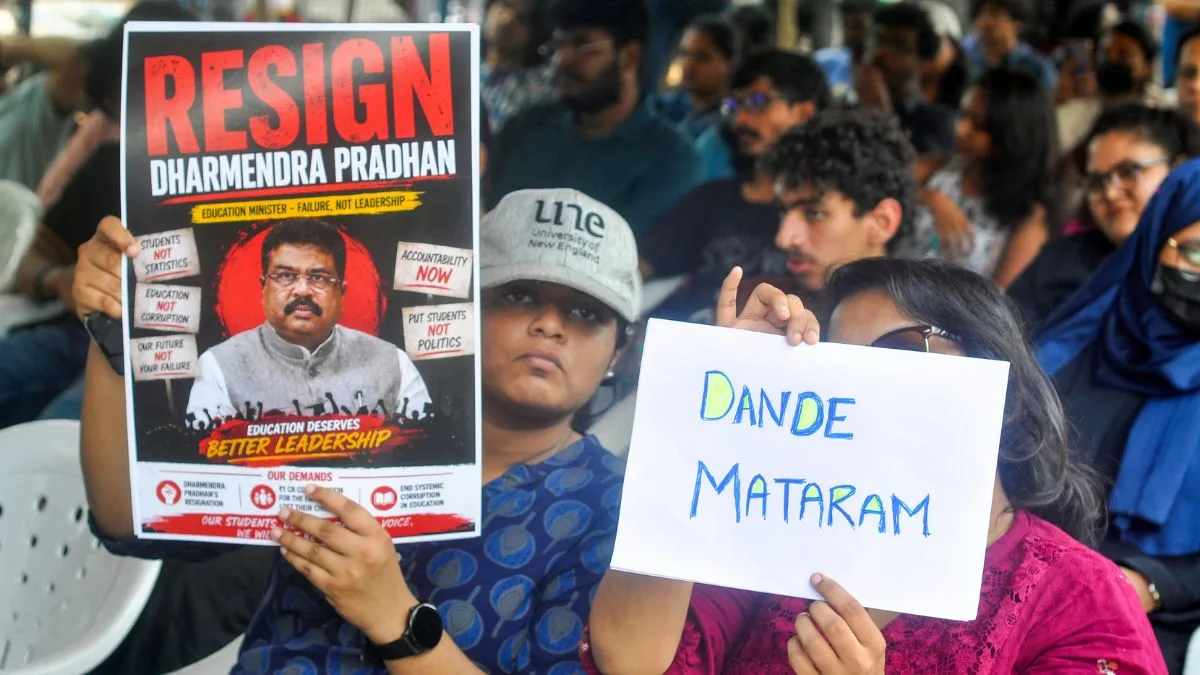
Striving for the Gandhian ideal
Generally, it is taken for granted that the journey on the path of development is accompanied by increasing urbanization.
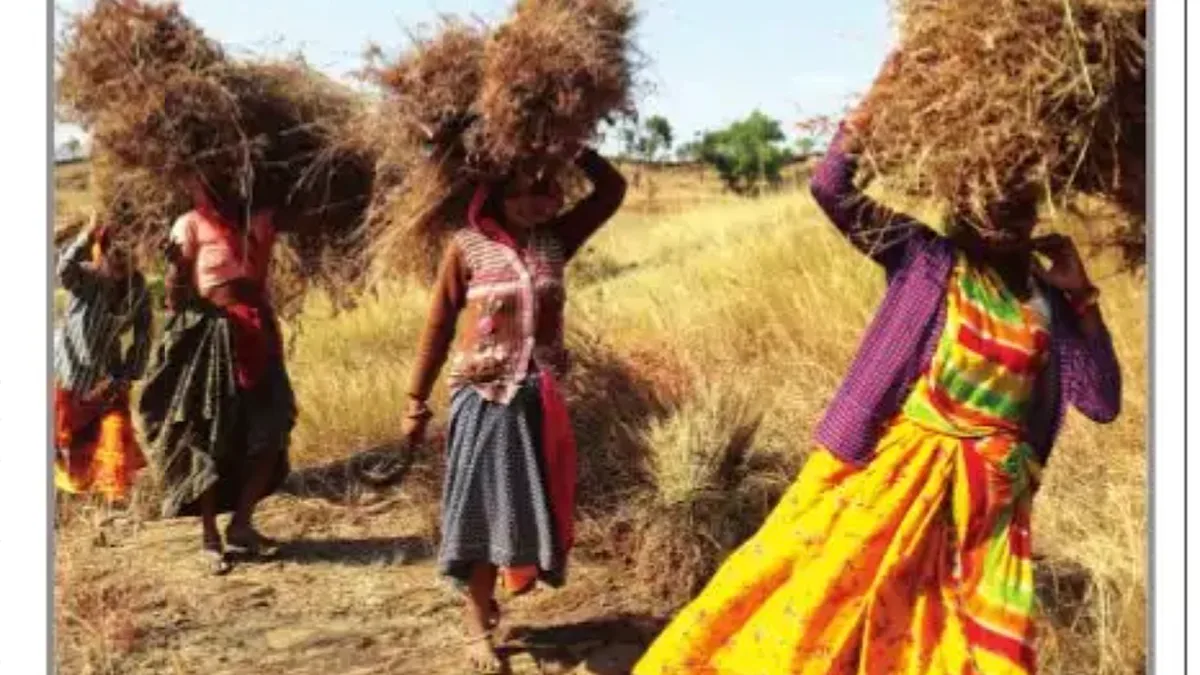
Generally, it is taken for granted that the journey on the path of development is accompanied by increasing urbanization.

A doctor and nursing staff at a Maharashtra hospital were allegedly assaulted by a local corporator, exposing a disturbing irony.

The barricading of the Shambhu border in Haryana to prevent farmers from travelling to Delhi raises a question larger than the protest itself.
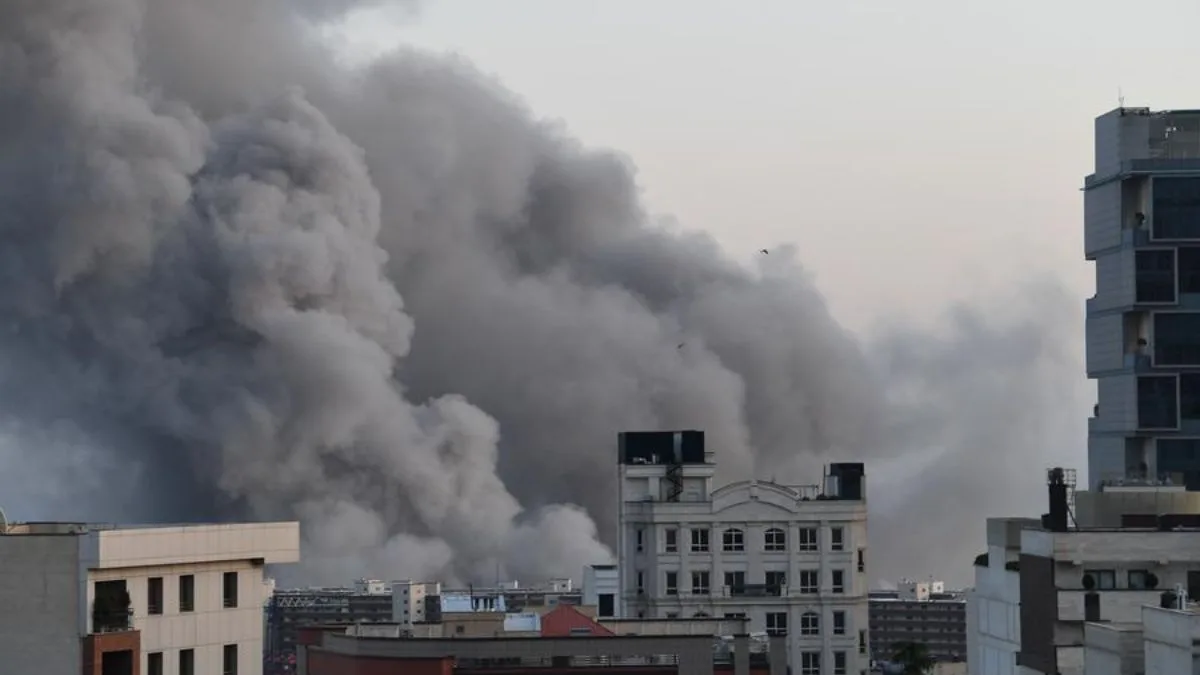
The renewed war between the United States and Iran has again placed American and Israeli military interests on apparently common ground.
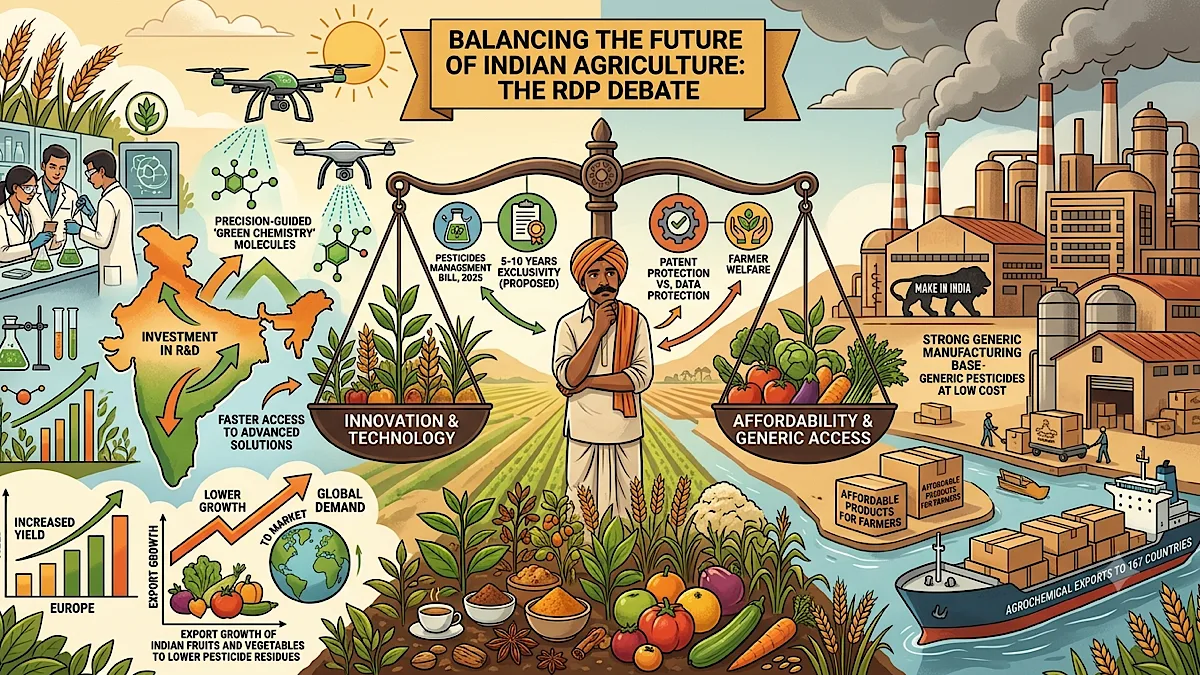
India’s agrochemical industry, a major global hub for crop protection product manufacturing, is at the heart of a significant policy discussion that could shape the future of agricultural innovation, domestic production, exports, and farmer welfare.
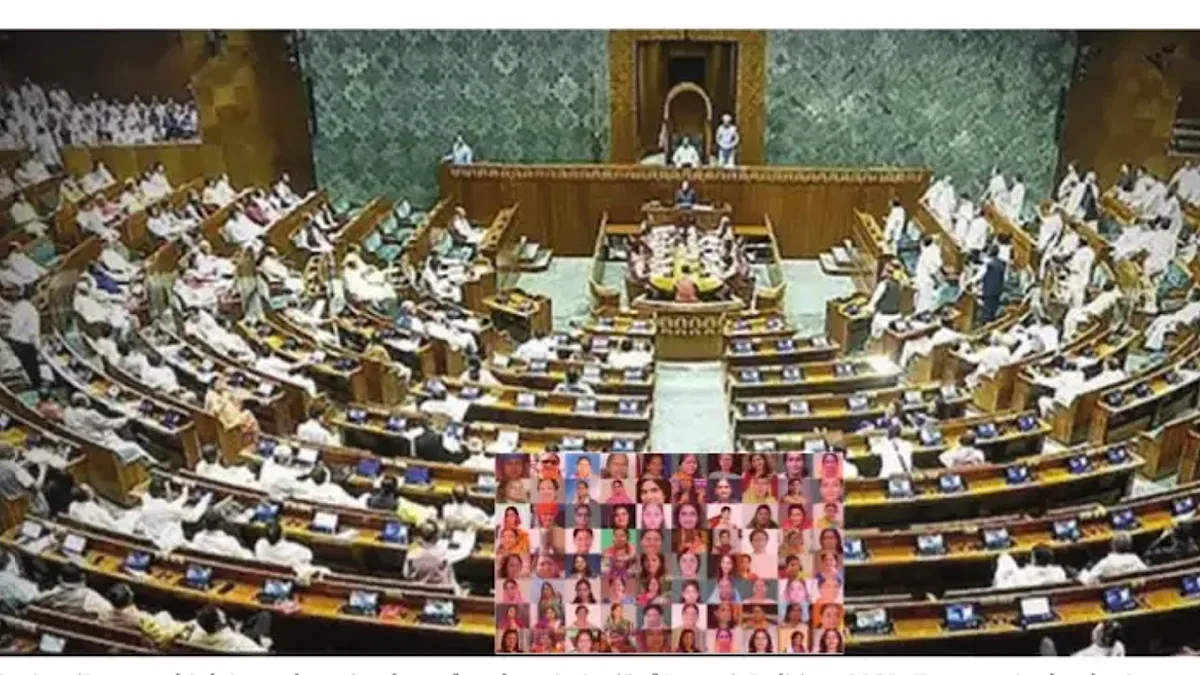
The Government of India is reportedly planning a special session of Parliament to expedite the implementation of the Constitution (One Hundred and Sixth Amendment) Act, 2023, for the 2029 general elections.
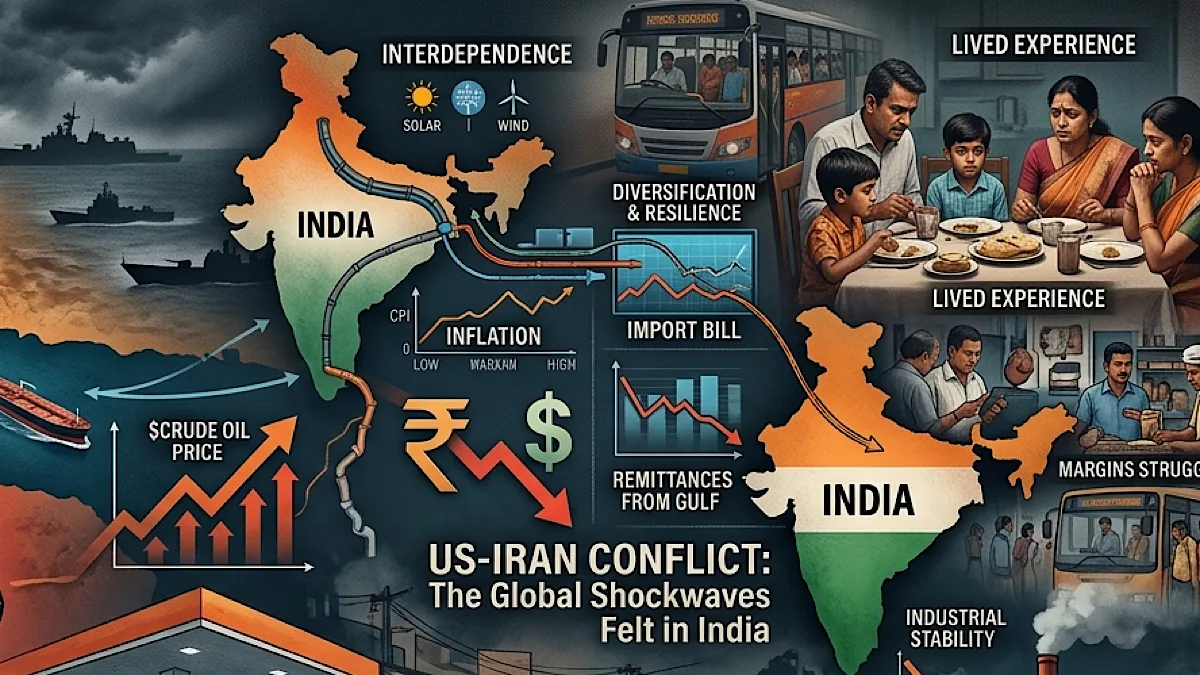
There was a time when wars were distant spectacles - names in newspapers, maps in atlases, and stories carried by travellers.

When a group of Indian seafarers finally returned home from the Gulf after months of detention and weeks of living under the shadow of missile fire, their ordeal revealed far more than an isolated maritime dispute.
India’s decision to finally undertake a full census after more than a decade is not merely an exercise in counting heads.
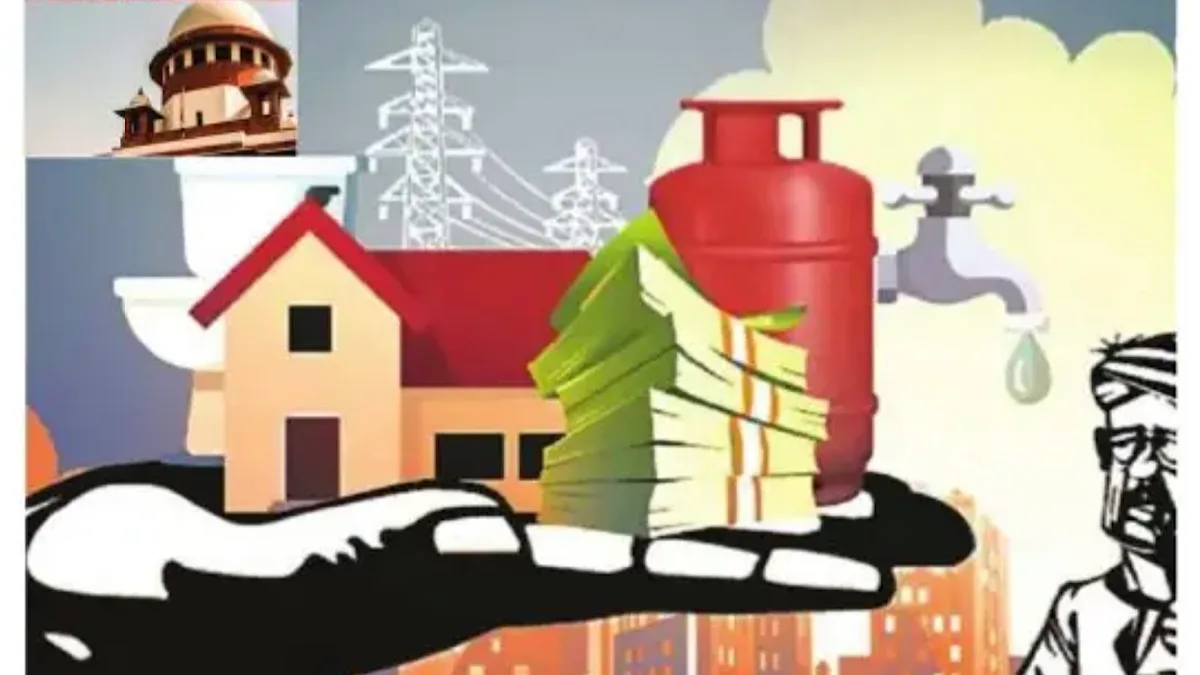
In the run-up to every election in India, political parties roll out a dazzling menu of promises like free electricity, free bus rides, cash transfers, laptops, gold chains, and even pressure cookers.