Striving for the Gandhian ideal
Generally, it is taken for granted that the journey on the path of development is accompanied by increasing urbanization.
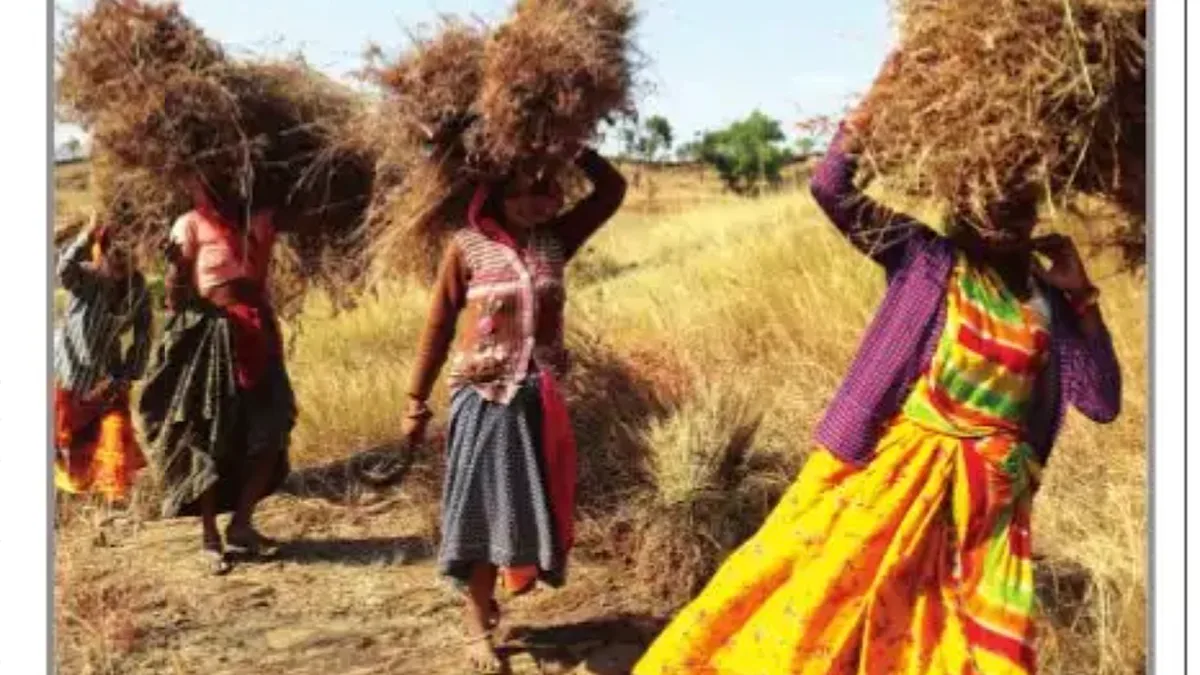
Generally, it is taken for granted that the journey on the path of development is accompanied by increasing urbanization.

A doctor and nursing staff at a Maharashtra hospital were allegedly assaulted by a local corporator, exposing a disturbing irony.

The barricading of the Shambhu border in Haryana to prevent farmers from travelling to Delhi raises a question larger than the protest itself.

The renewed war between the United States and Iran has again placed American and Israeli military interests on apparently common ground.
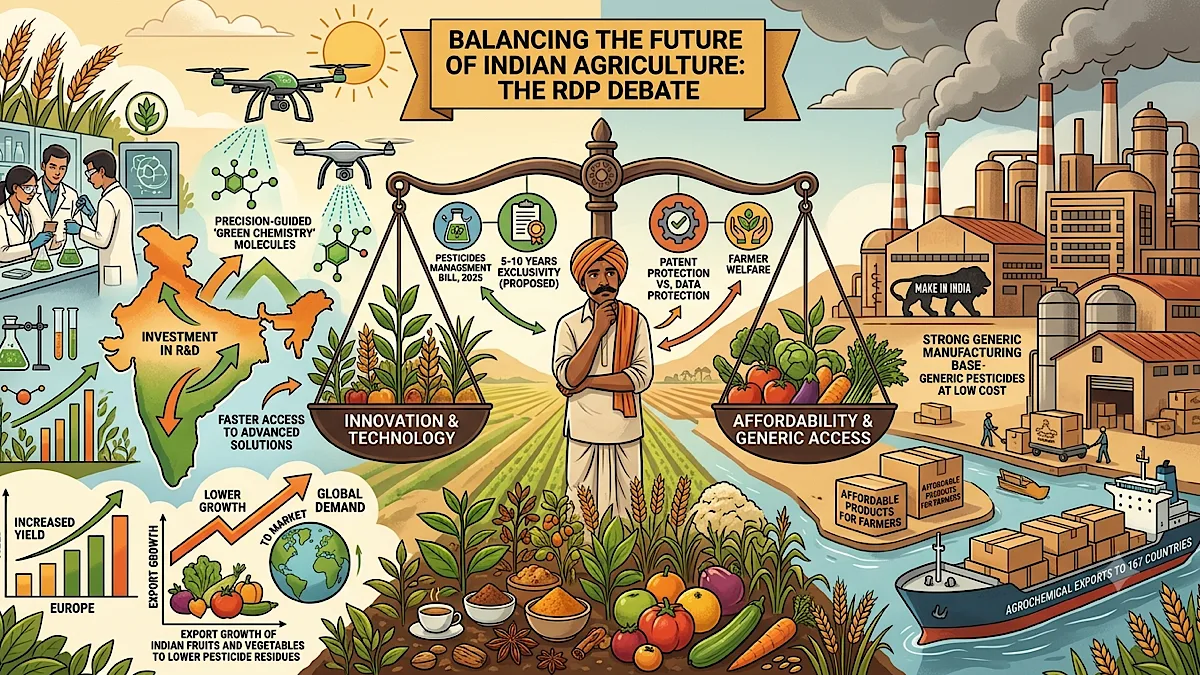
India’s agrochemical industry, a major global hub for crop protection product manufacturing, is at the heart of a significant policy discussion that could shape the future of agricultural innovation, domestic production, exports, and farmer welfare.

India, the world’s largest democracy, faces a growing governance challenge : leadership without demonstrated competence.

April 2 stands as a quiet corrective in a noisy world. Celebrated as International Fact-Checking Day, it arrives right after April Fools’ Day, almost as a moral counterweight.

Pakistan’s sudden emergence as a would-be intermediary between Iran and the United States is being framed as diplomatic agility.

The sudden retreat of foreign capital ~ around $12 billion in March alone ~ from Indian equities is being read as a reaction to war and rising oil prices.

In khadi, Gandhi came closest to finding such a science and his ideal practitioner ~ the satyagrahi scientist, Maganlal Gandhi.