Striving for the Gandhian ideal
Generally, it is taken for granted that the journey on the path of development is accompanied by increasing urbanization.
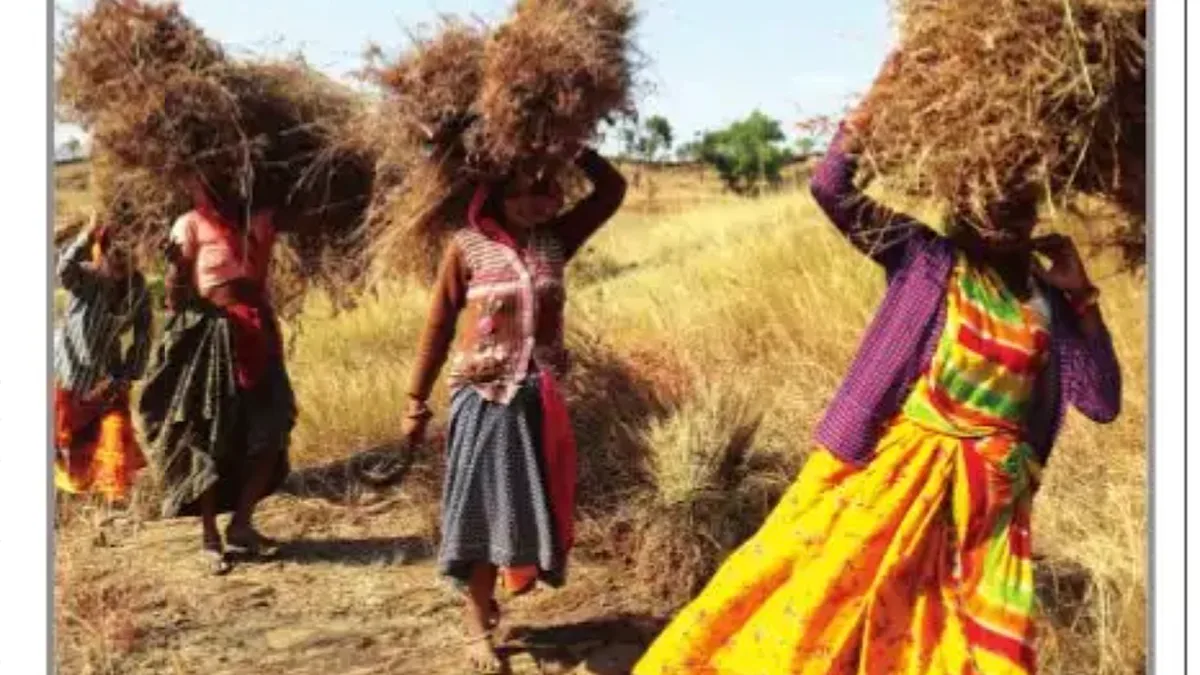
Generally, it is taken for granted that the journey on the path of development is accompanied by increasing urbanization.

A doctor and nursing staff at a Maharashtra hospital were allegedly assaulted by a local corporator, exposing a disturbing irony.

The barricading of the Shambhu border in Haryana to prevent farmers from travelling to Delhi raises a question larger than the protest itself.
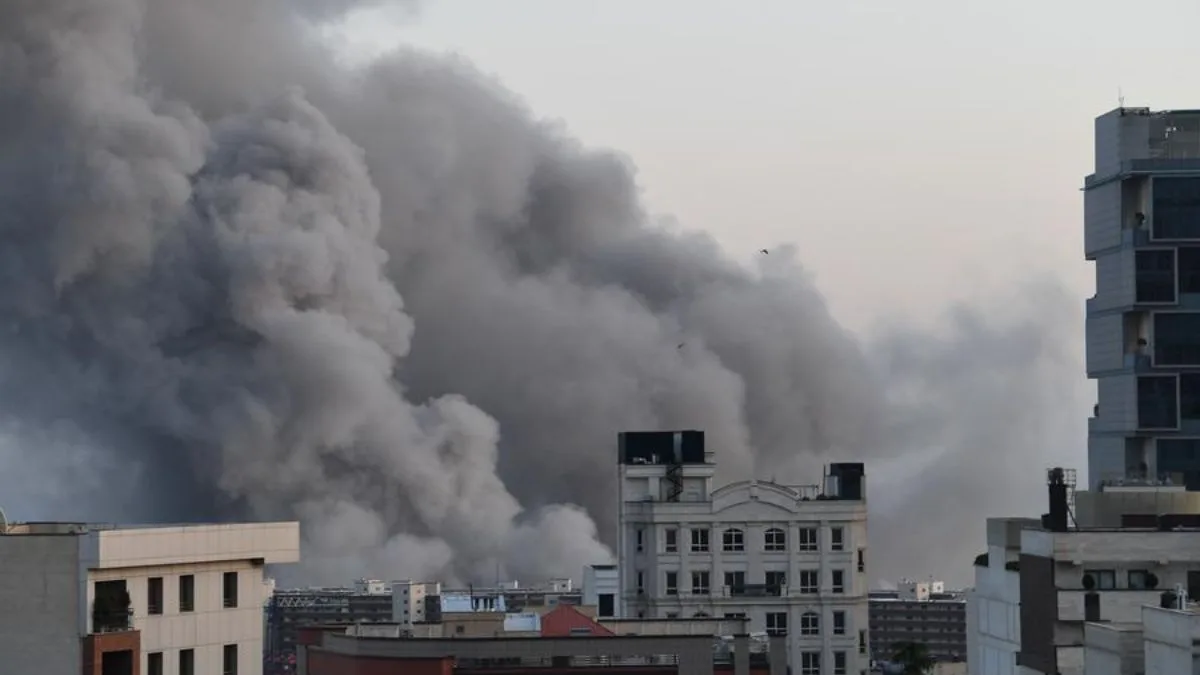
The renewed war between the United States and Iran has again placed American and Israeli military interests on apparently common ground.
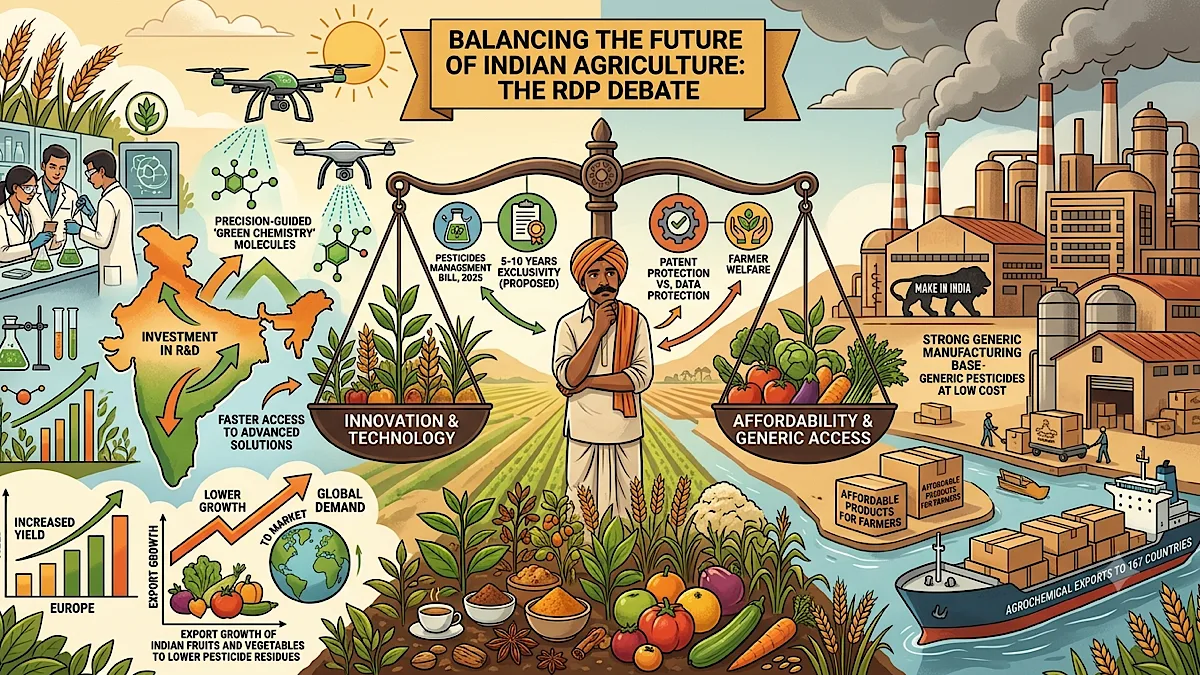
India’s agrochemical industry, a major global hub for crop protection product manufacturing, is at the heart of a significant policy discussion that could shape the future of agricultural innovation, domestic production, exports, and farmer welfare.

In August 2025, S&P Global Ratings upgraded India’s sovereign credit rating from BBB ~ to BBB ~ the first such elevation in eighteen years.

In recent years, organic farming has come to occupy a powerful moral position in public discourse.

A child today does not learn about food first from a classroom, a parent, or even a textbook.

When a central bank moves to shut down parts of a $100-billion-plus daily market, it is not merely regulating ~ it is signaling distress.

When US President Donald Trump addressed the American people on the ongoing conflict with Iran, the intent was clear: project control, signal progress, and calm a nervous domestic audience.