Striving for the Gandhian ideal
Generally, it is taken for granted that the journey on the path of development is accompanied by increasing urbanization.
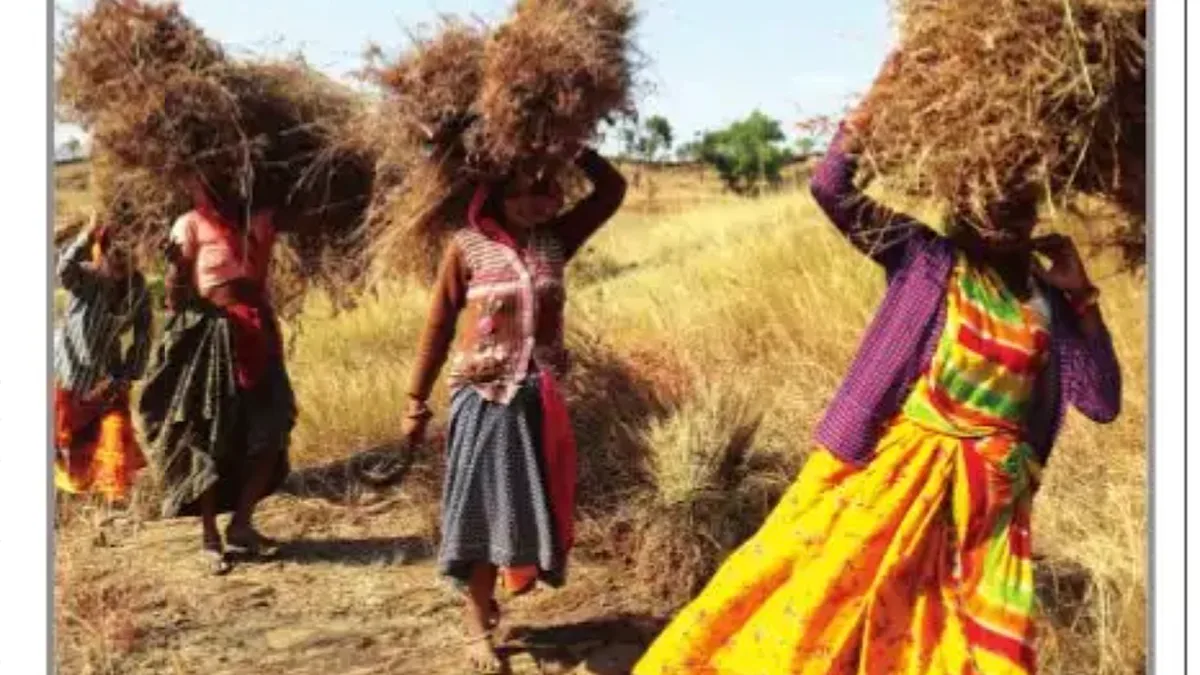
Generally, it is taken for granted that the journey on the path of development is accompanied by increasing urbanization.

A doctor and nursing staff at a Maharashtra hospital were allegedly assaulted by a local corporator, exposing a disturbing irony.

The barricading of the Shambhu border in Haryana to prevent farmers from travelling to Delhi raises a question larger than the protest itself.
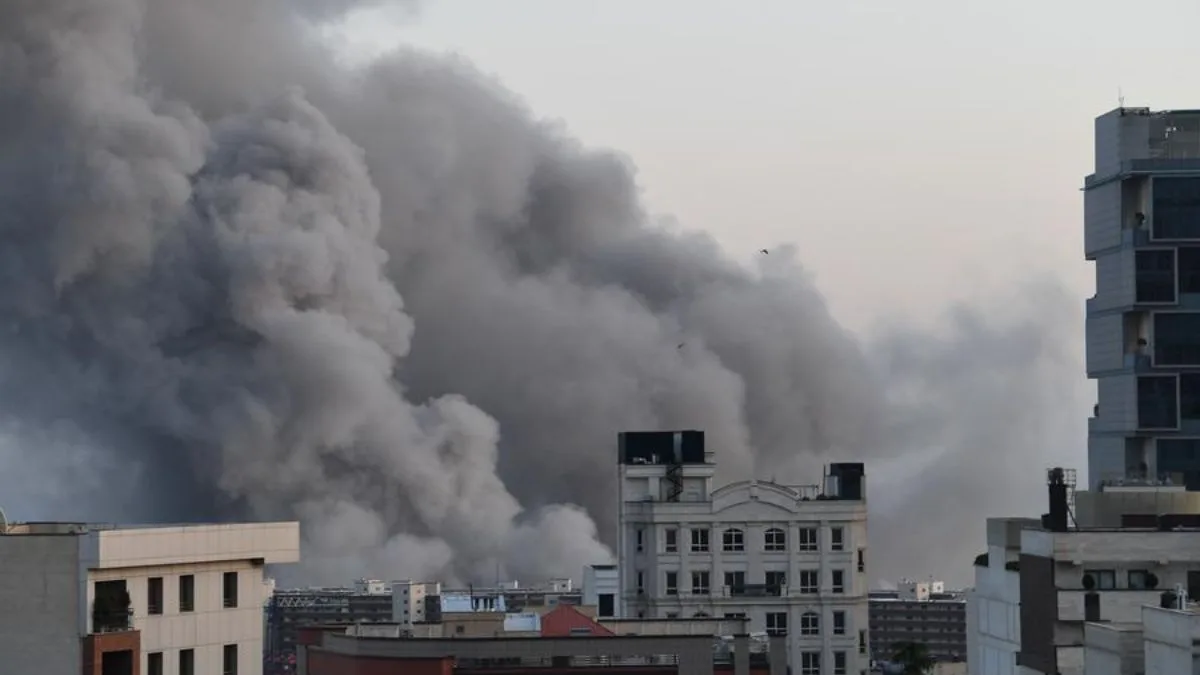
The renewed war between the United States and Iran has again placed American and Israeli military interests on apparently common ground.
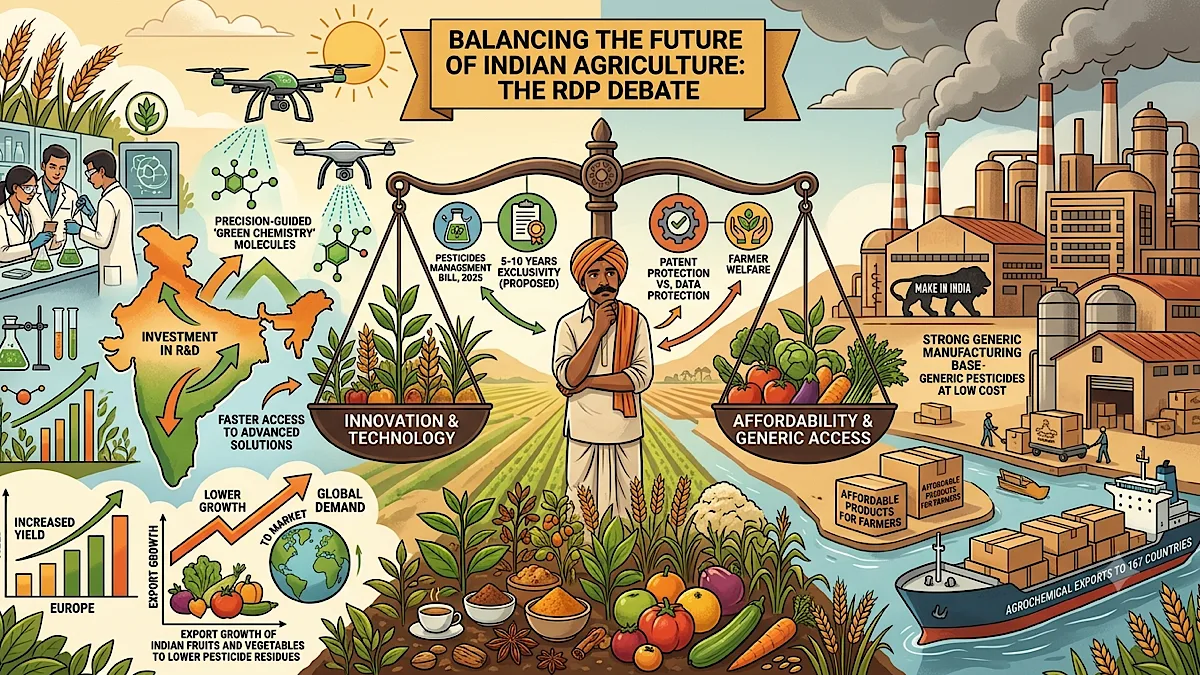
India’s agrochemical industry, a major global hub for crop protection product manufacturing, is at the heart of a significant policy discussion that could shape the future of agricultural innovation, domestic production, exports, and farmer welfare.
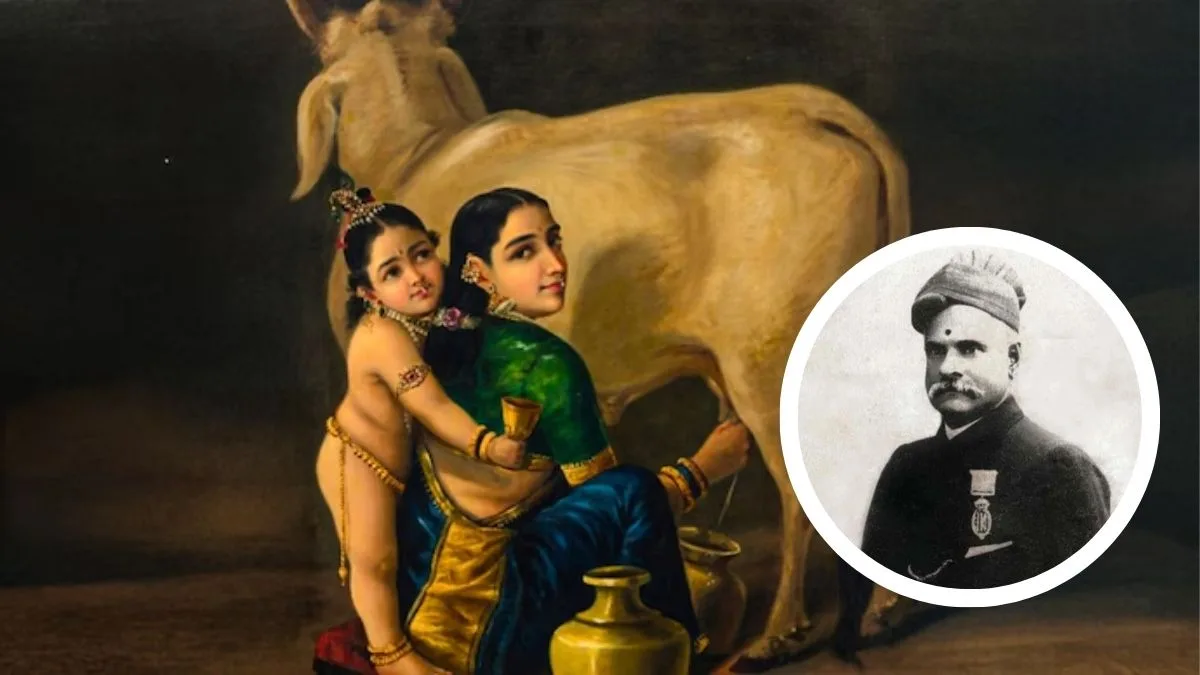
When a late 19th-century painting by Raja Ravi Varma sells for $17.9 million (₹167 crore) at an auction, the number is arresting ~ but the meaning lies elsewhere.
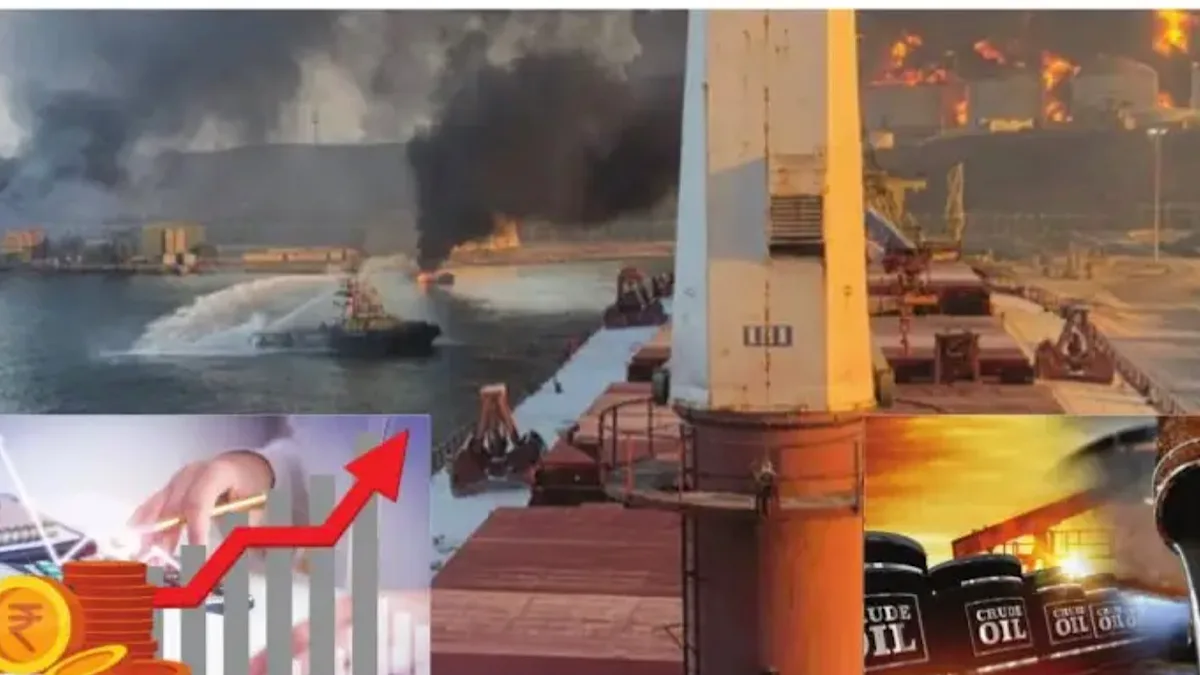
The Iranian Kharg island is a coral outcrop in the Persian Gulf, 25 kilometers off mainland Iran.

In 1978, the Supreme Court of India did something that raised eyebrows and chuckles in equal measure - it declared that temples could be classified as “industries.”

The launch of Artemis II is being celebrated as a technological milestone, but its deeper significance lies elsewhere.

When US President Donald Trump again raises the possibility of withdrawing the United States from NATO, the immediate reaction is to treat it as negotiating theatre.