Delhi’s smog stays put even as stubble smoke fades
The 24-hour average Air Quality Index stood at 382, according to the Central Pollution Control Board, driven largely by high PM2.5 levels.
The 24-hour average Air Quality Index stood at 382, according to the Central Pollution Control Board, driven largely by high PM2.5 levels.

The Delhi Chief Minister expressed hope that all neighbouring states, especially Punjab and Haryana, would extend stronger cooperation to ensure cleaner air for Delhi.
A Bench of Justice Pamidighantam Sri Narasimha and Justice Atul S. Chandurkar said, “Situation is very very serious! Why are you all appearing here? We have the virtual hearing facility. Please avail it. This pollution will cause permanent damage.”

Due to the state government's proactive efforts, farmers are now turning to alternative methods of crop residue management.

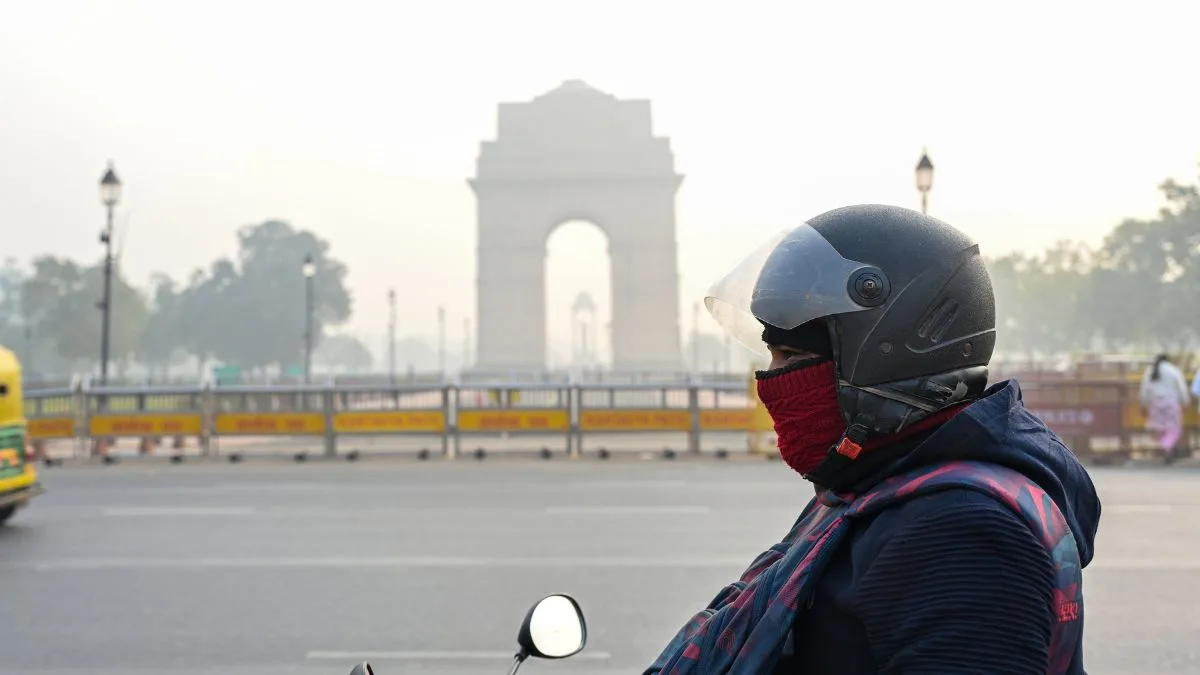
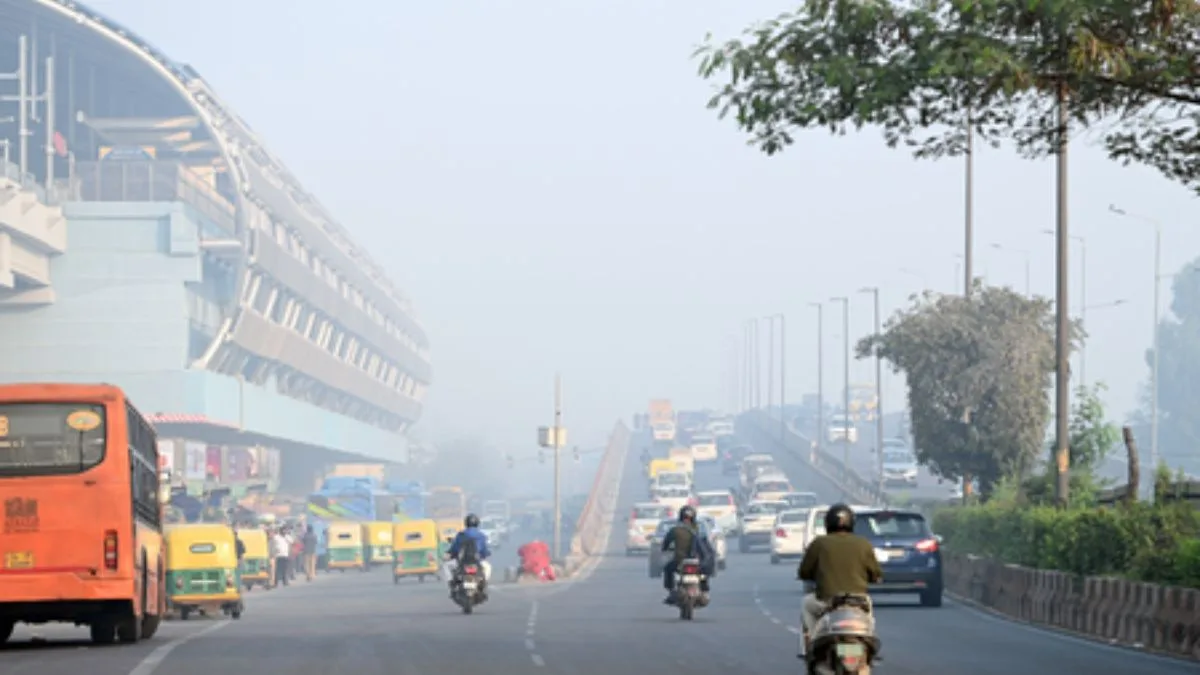
Delhi woke up to thick smog on Thursday as air quality slipped deep into the ‘Severe’ zone. From Daryaganj and Chandni Chowk to Anand Vihar and Bawana, visibility dropped sharply as AQI crossed 450 in several areas, raising health concerns for commuters.
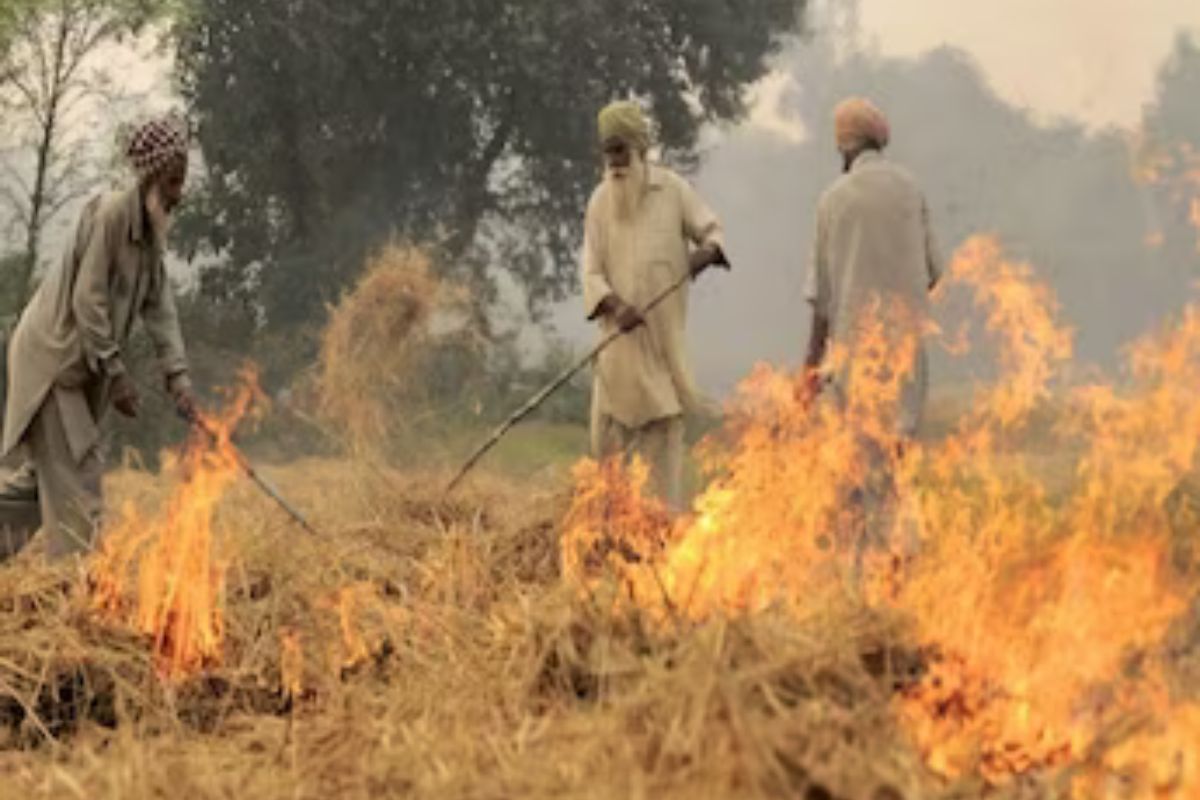
38 per cent of air pollution in the national capital and neighbouring areas was found to be contributed by stubble burning.
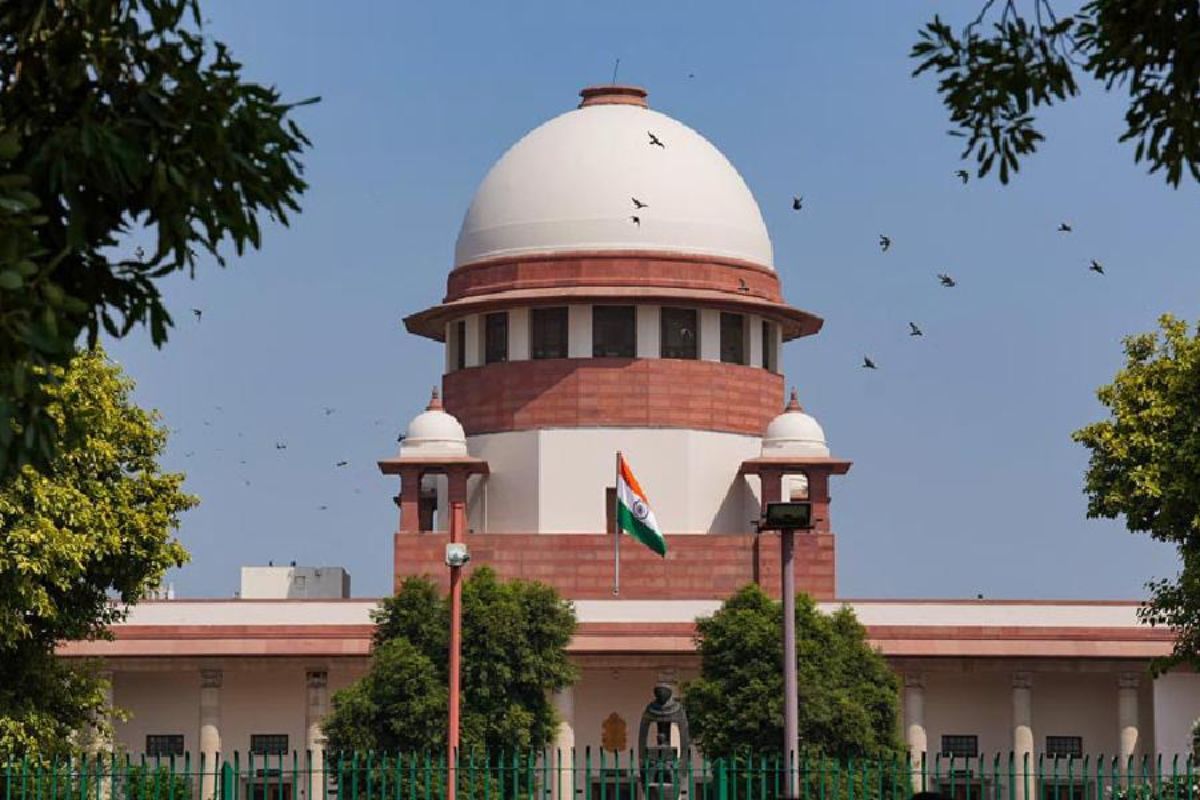
The apex court saddled the local SHOs of police stations with the responsibility of enforcing the ban on stubble burning.
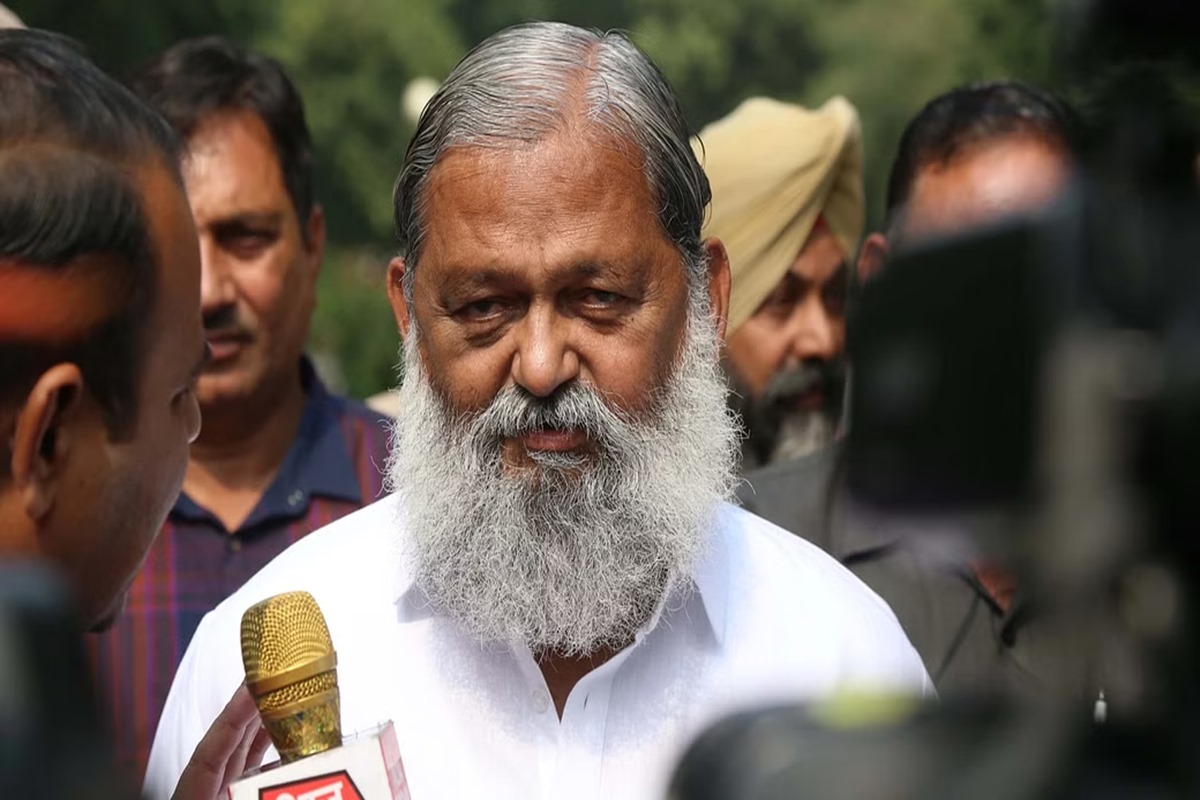
The Minister said that AAP leaders should also provide an answer as to why the pollution level in Delhi is higher than in Haryana.
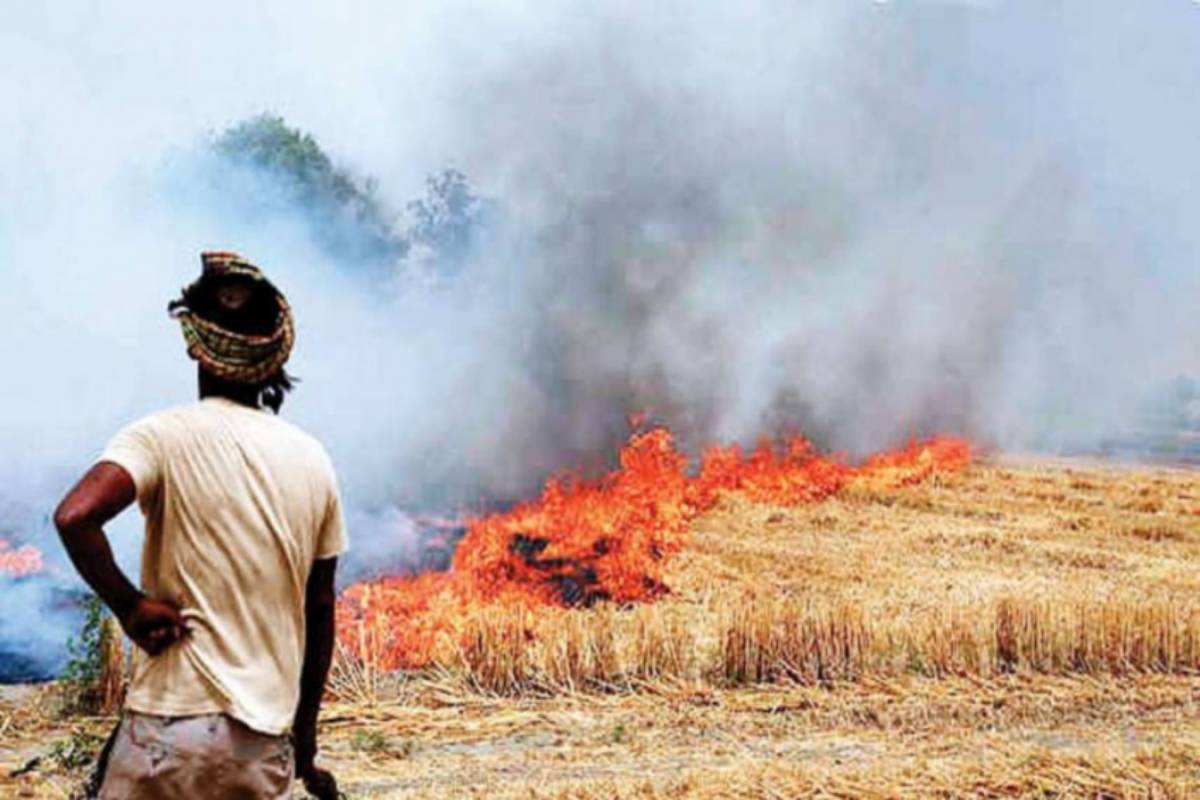
He said incidents of stubble burning have reduced by 38 per cent in 2023 compared to 2022 when the state recorded 2,083 such cases.
A series of interventions by various stakeholders, including frequent review and daily monitoring, have resulted in bringing down such incidents