Delhi’s smog stays put even as stubble smoke fades
The 24-hour average Air Quality Index stood at 382, according to the Central Pollution Control Board, driven largely by high PM2.5 levels.
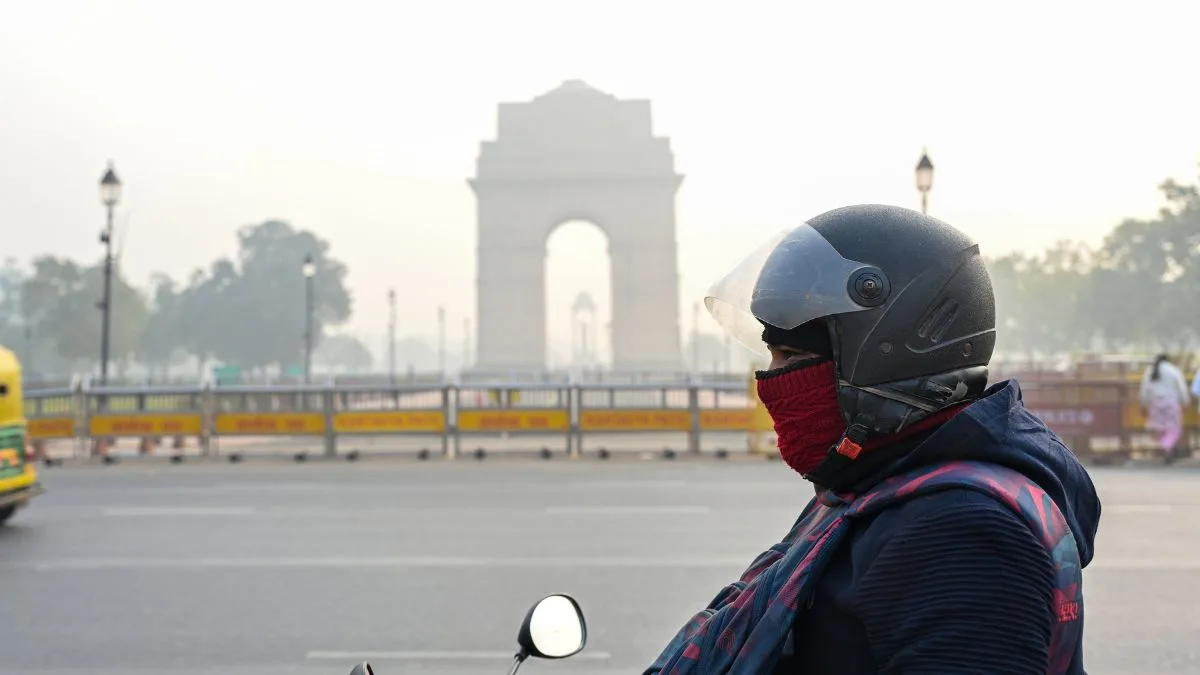
The 24-hour average Air Quality Index stood at 382, according to the Central Pollution Control Board, driven largely by high PM2.5 levels.

The Delhi Chief Minister expressed hope that all neighbouring states, especially Punjab and Haryana, would extend stronger cooperation to ensure cleaner air for Delhi.
A Bench of Justice Pamidighantam Sri Narasimha and Justice Atul S. Chandurkar said, “Situation is very very serious! Why are you all appearing here? We have the virtual hearing facility. Please avail it. This pollution will cause permanent damage.”
Due to the state government's proactive efforts, farmers are now turning to alternative methods of crop residue management.

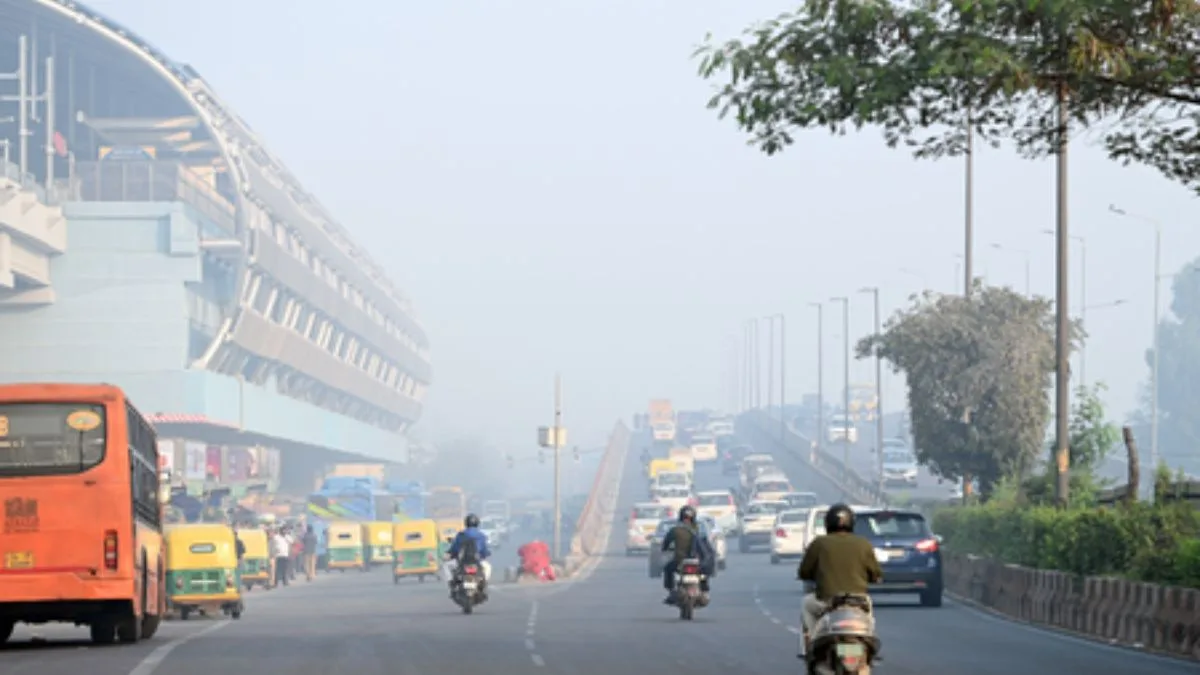
Delhi woke up to thick smog on Thursday as air quality slipped deep into the ‘Severe’ zone. From Daryaganj and Chandni Chowk to Anand Vihar and Bawana, visibility dropped sharply as AQI crossed 450 in several areas, raising health concerns for commuters.
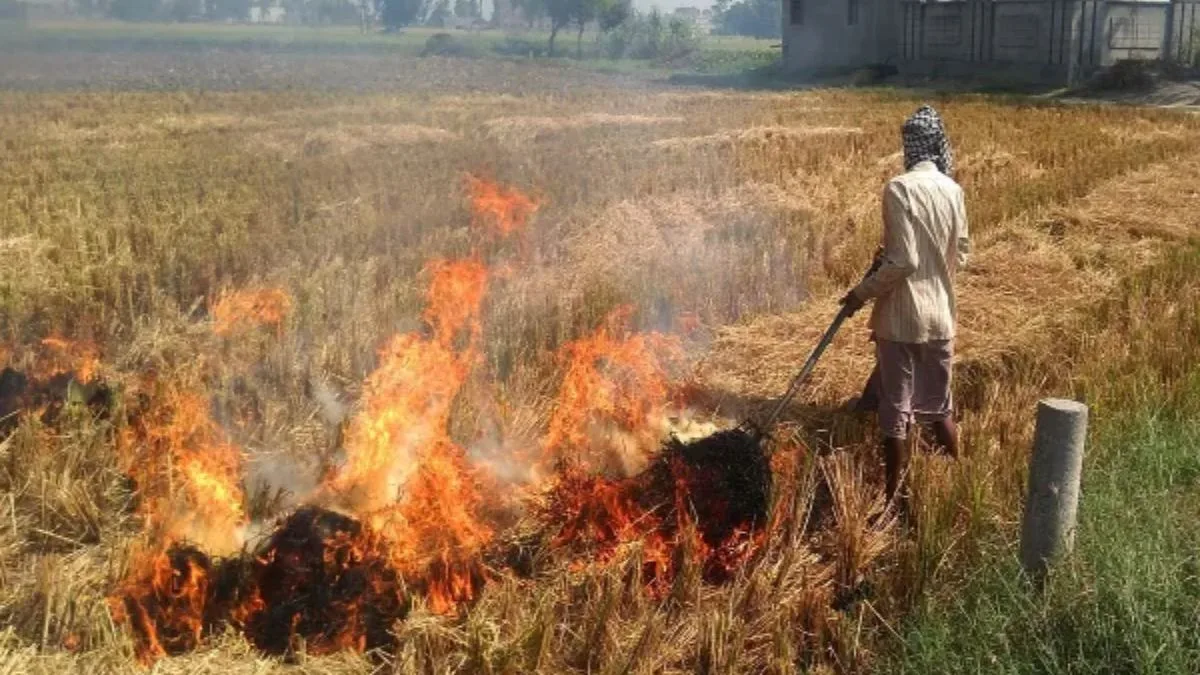
A Bench of Chief Justice B.R. Gavai and Justice K. Vinod Chandran asked both states to provide specific information on steps taken to address the burning of crop residue following the paddy harvest.
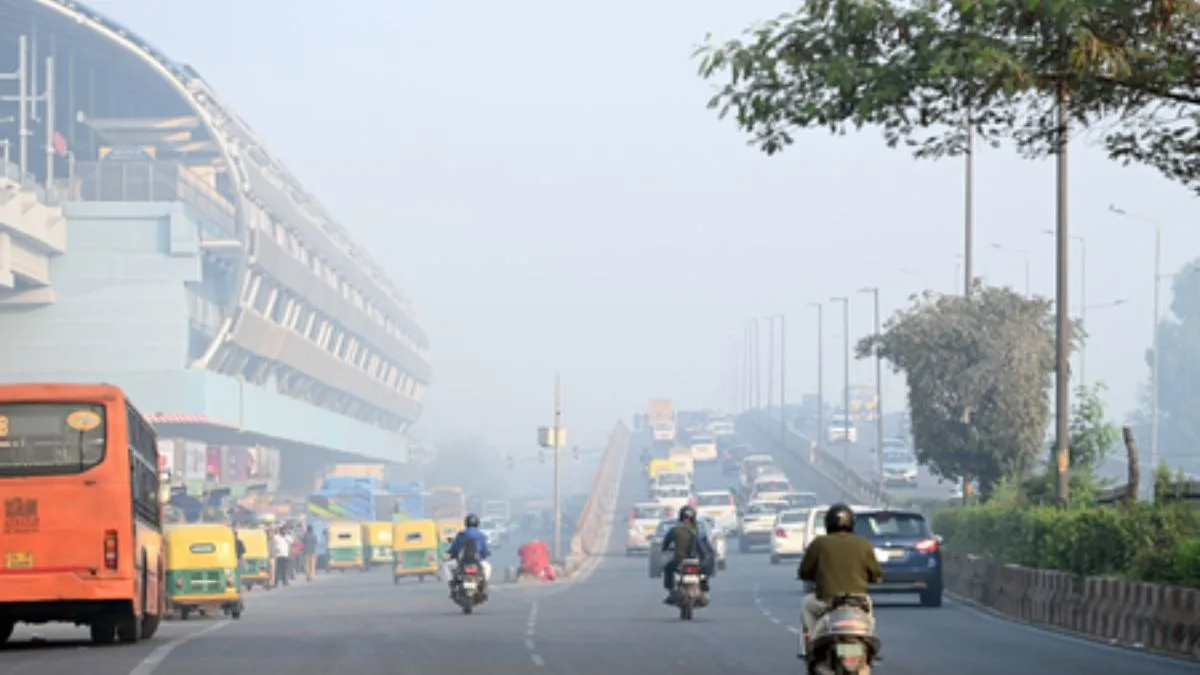
Particulate Matter (PM2.5 and PM10) remained the dominant pollutant behind the capital’s worsening air, CPCB’s 4 p.m. bulletin noted.
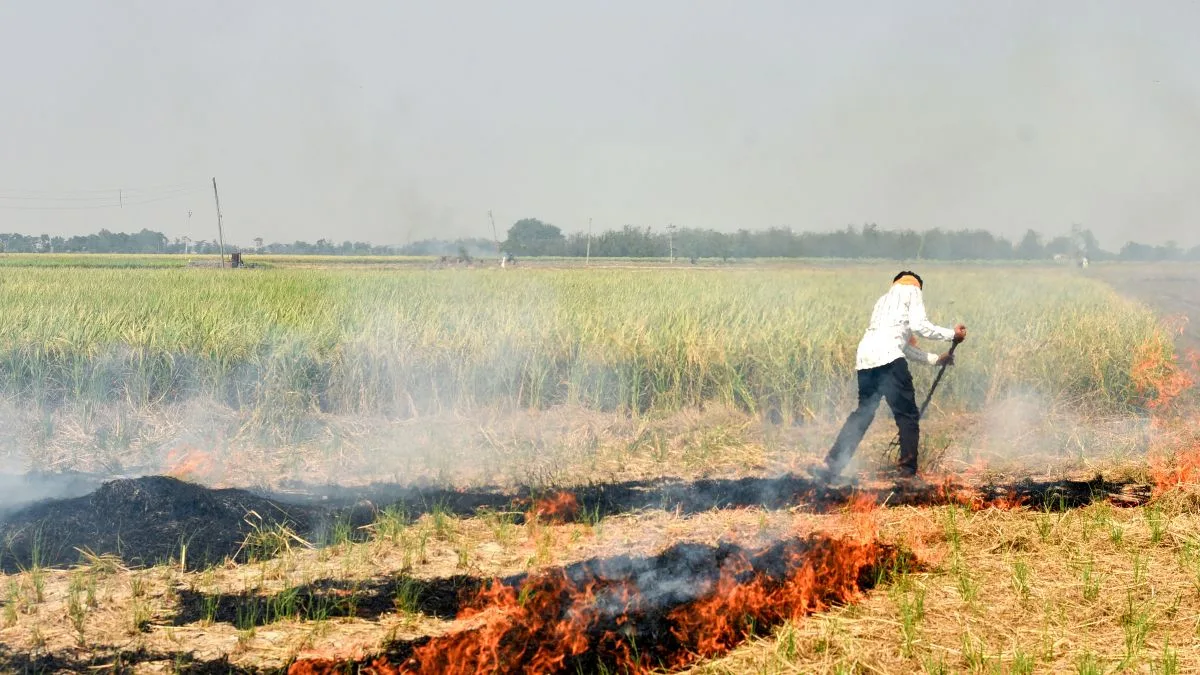
The commission took stock of the crop residue management, and enforcement activities aimed towards reduction in stubble burning incidents.
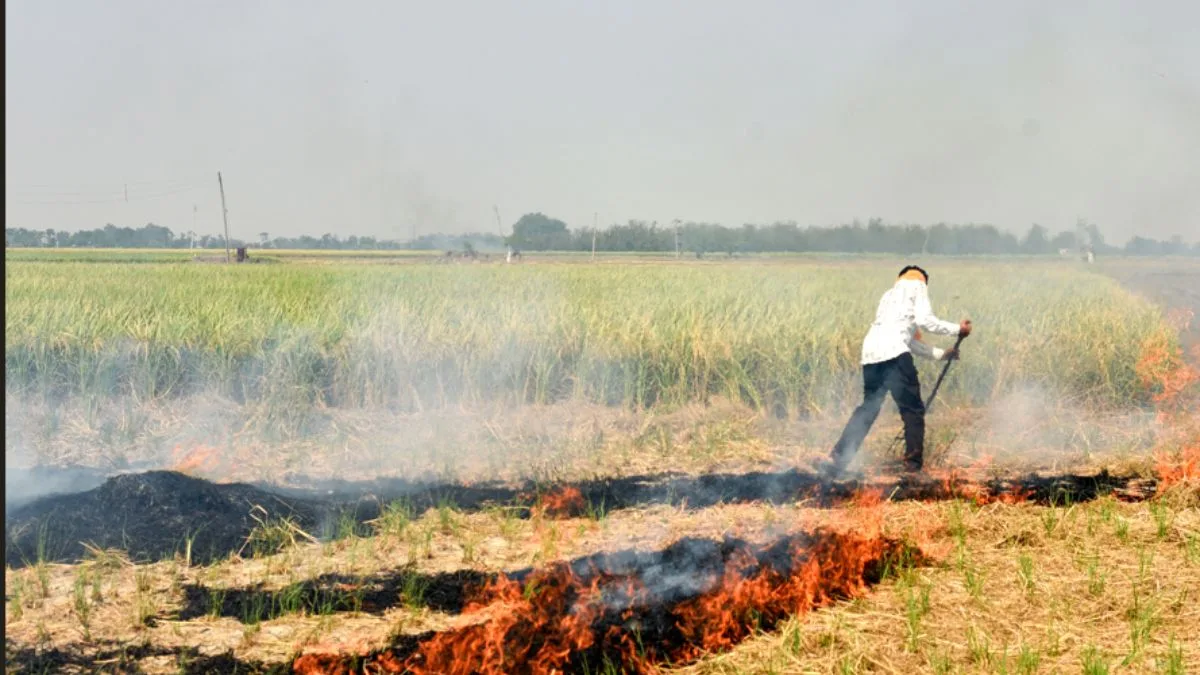
Meanwhile, Haryana witnessed a much higher drop, from 857 cases in 2024 the paddy burning this year stood at 145.
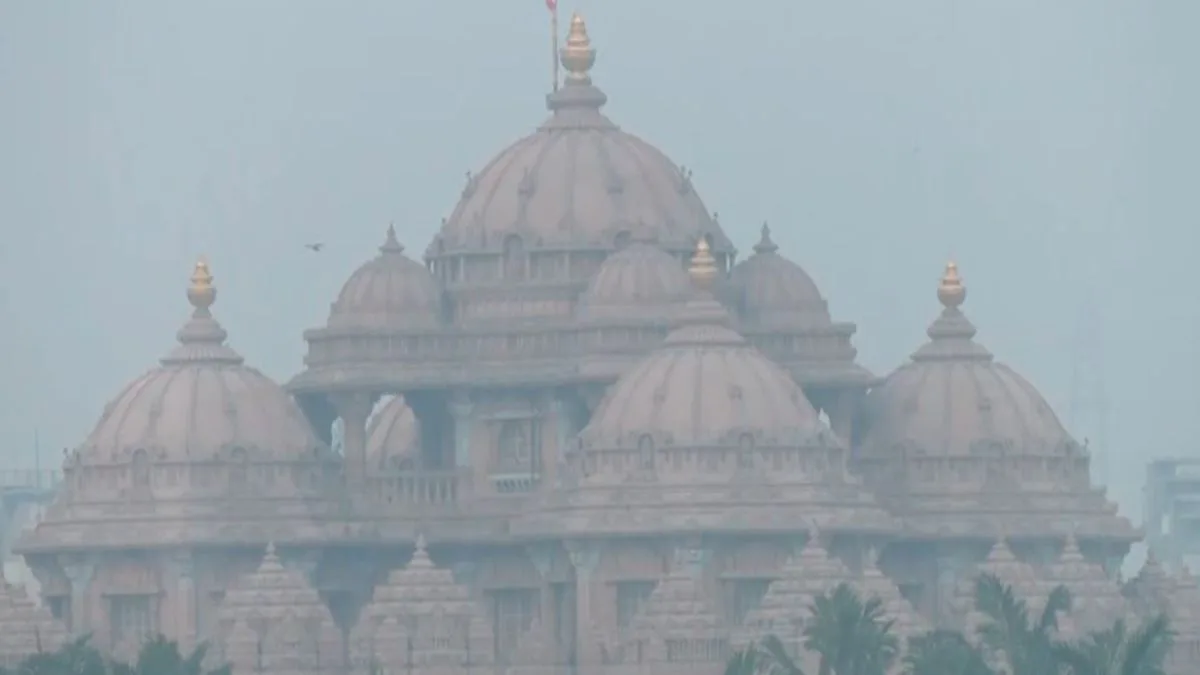
Experts from the Air Quality Early Warning System have forecast that pollution levels are likely to worsen further after Diwali.