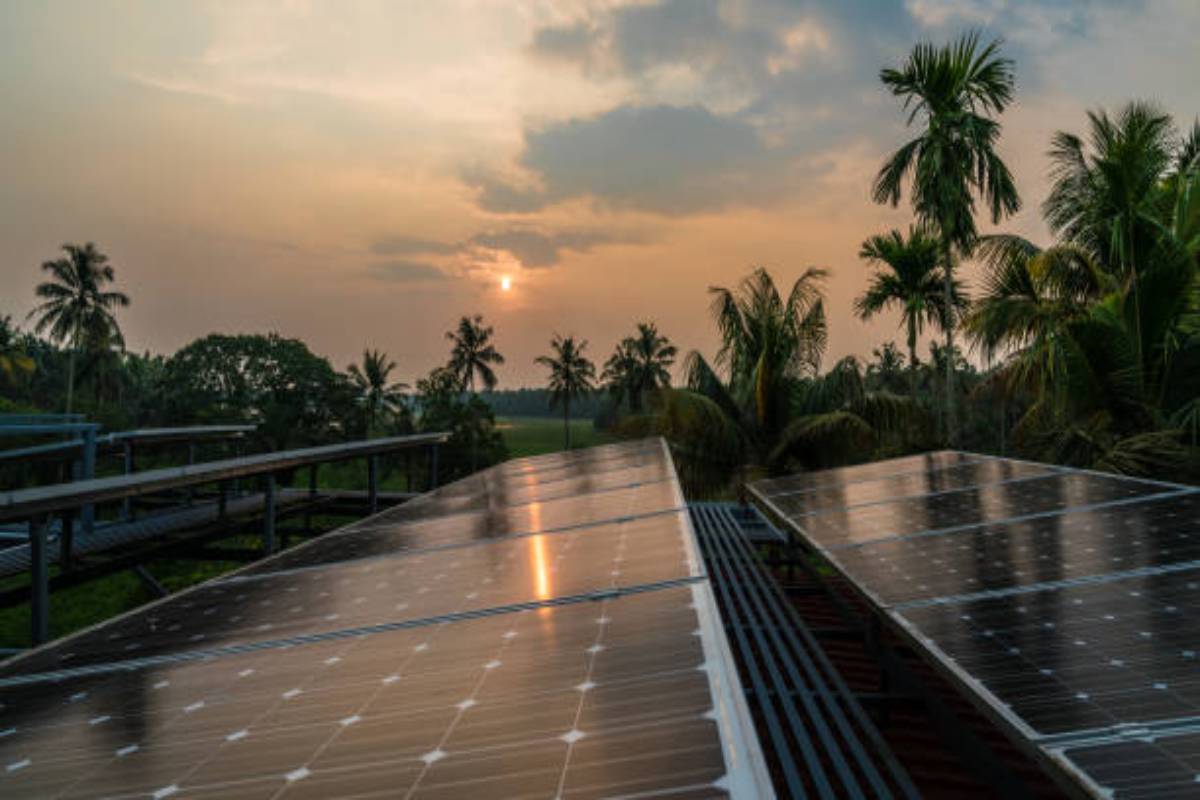
Solar energy could be key to making sustainable aviation fuel
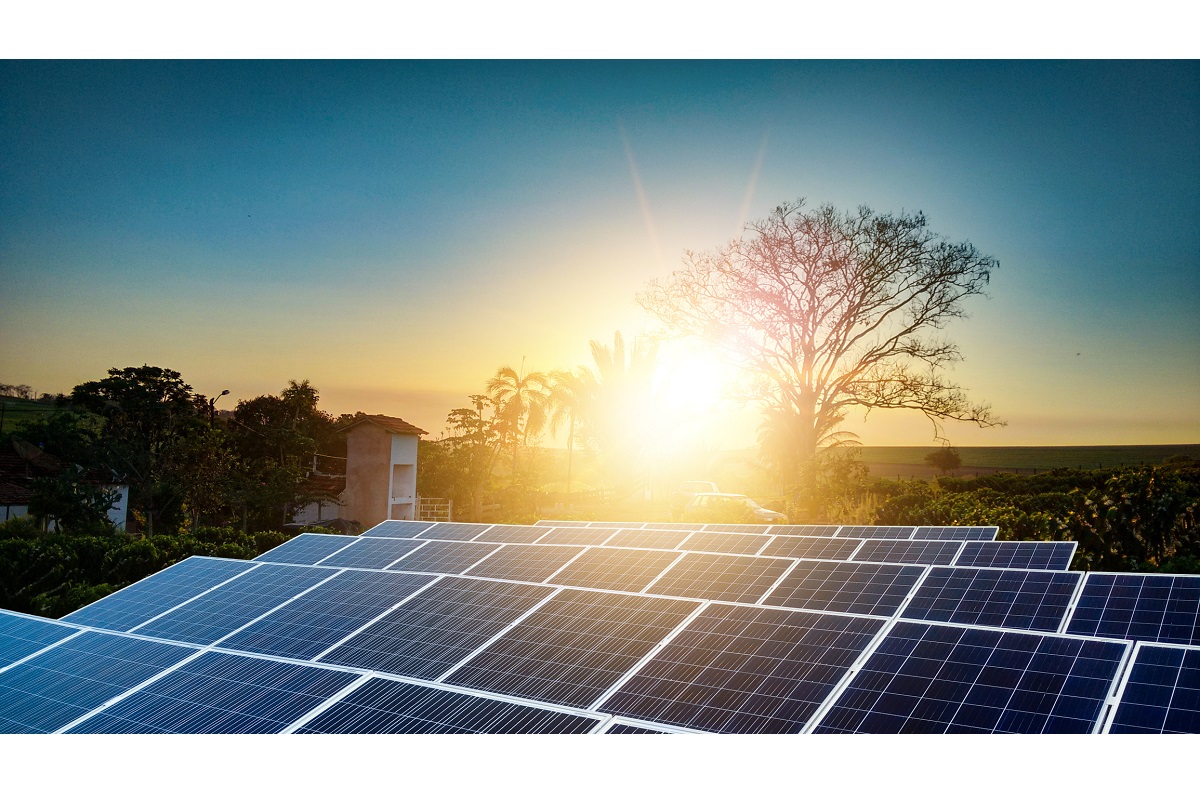
An international team of engineers, led by the University of Sheffield, has developed a new way of making sustainable aviation fuel (SAF) using solar energy.
In this context, the Delhi government is said to be exploring and examining the possibility of having a green budget that could contribute towards striking a balance between economic growth and protection of the environment in the capital.
Maharashtra’s large-scale solar power programme for farmers, supplying 16,000 MW, was showcased at Davos and may now be studied globally as a clean energy model.
In 2025, India achieved a milestone of 50 per cent cumulative electric power installed capacity from non-fossil fuel sources in June, five years ahead of the 2030 target set under its Nationally Determined Contribution (NDC) to the Paris Agreement
Uttar Pradesh has surpassed the milestone of 3 lakh (3,00,654) solar energy installations, marking a historic achievement in the state’s renewable energy journey.
In its efforts to provide solar energy to both urban and rural areas, the Uttar Pradesh government is developing solar parks to transform the Bundelkhand region into a solar energy hub.
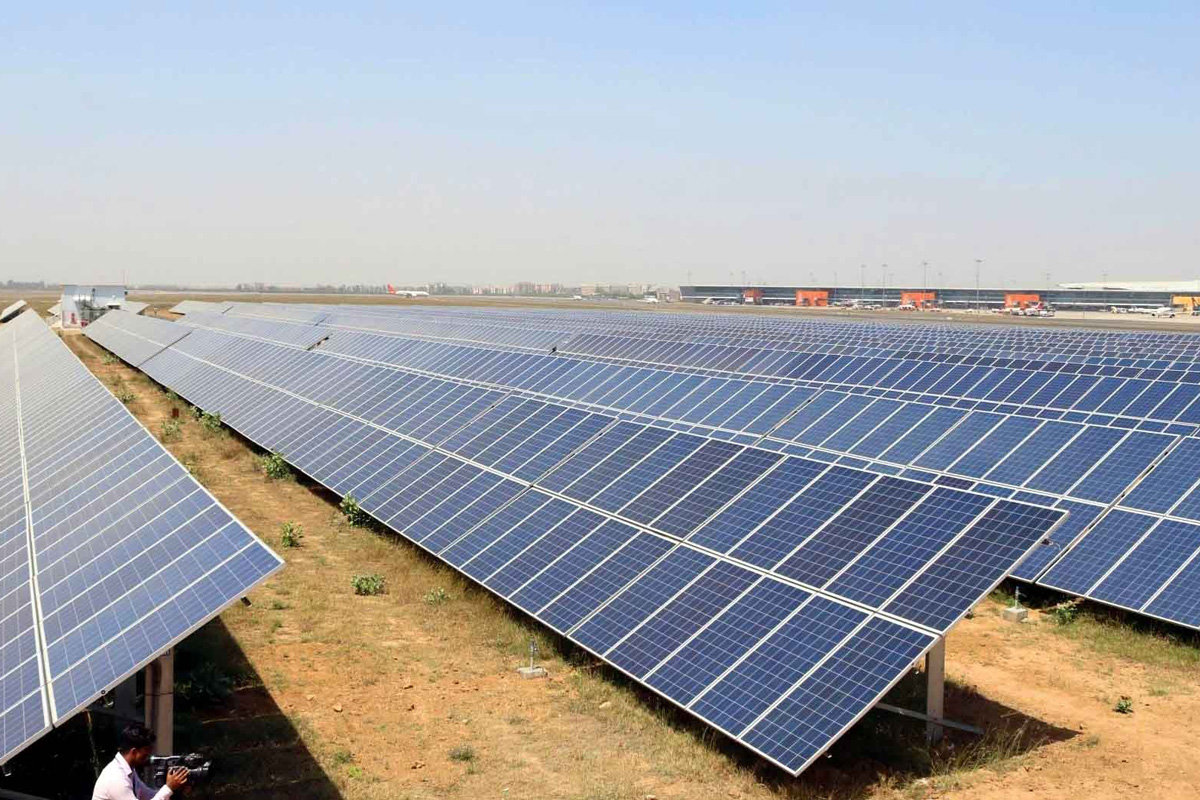
The Solar Energy Corporation of India (SECI) is likely to float a tender for 500 megawatt (MW) of solar thermal capacity by the end of 2024-25, company chairman R.P. Gupta said on Wednesday.
As a part of Eastern Railway’s endeavour towards reducing carbon footprint, Howrah division of Eastern Railway has installed a state-of-the-art solar power plant at 24 locations in the last fiscal.
AGEL currently has an operating portfolio of 10,934 megawatts, and is targeting 45 GW of renewable energy capacity by 2030.
Around 10 solar energy projects have been launched in Bundelkhand, which will generate over 3,000 megawatts of electricity.