Workplace reforms in the judiciary
The Supreme Court must set an example in ensuring a harassment-free, safe, and a respectful workplace in the judiciary, says Tiasha Mukherjee

The Supreme Court must set an example in ensuring a harassment-free, safe, and a respectful workplace in the judiciary, says Tiasha Mukherjee
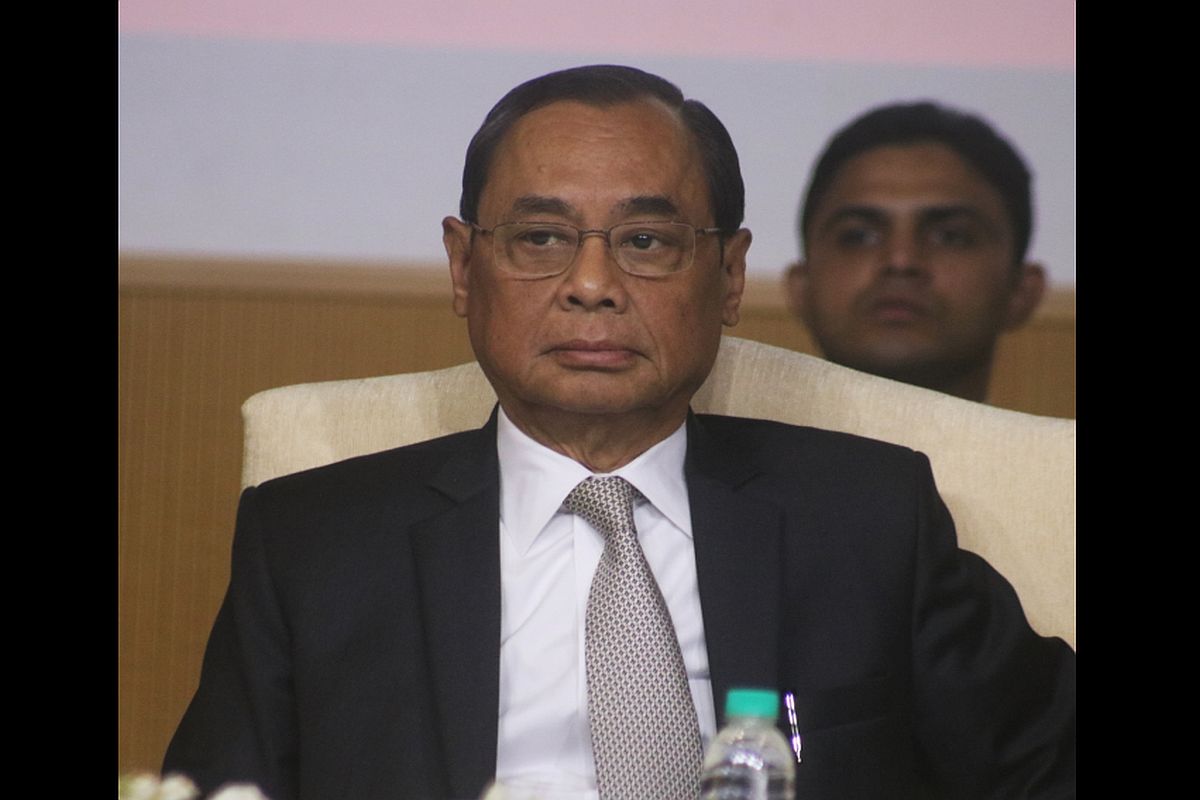
Ranjan Gogoi retired as CJI on November 17, 2019. He took oath as a nominated member of the Rajya Sabha in March this year.
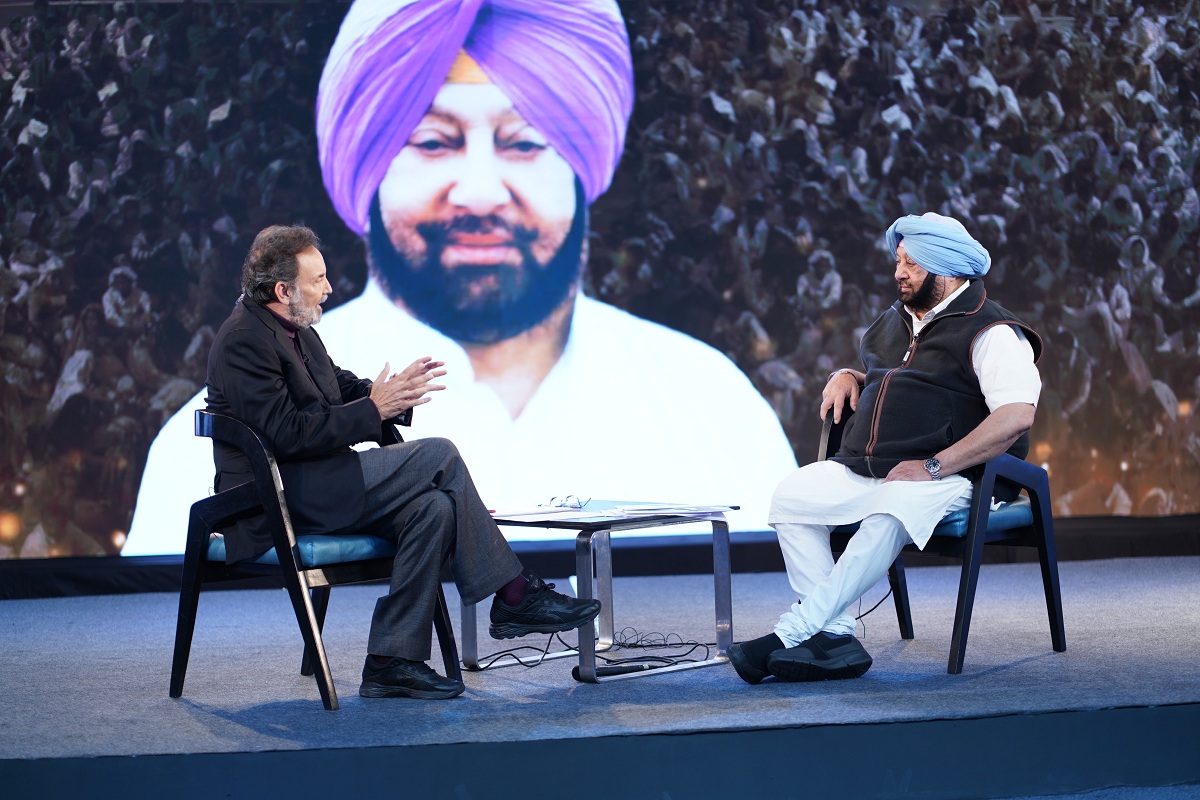
Gogoi’s nomination has definitely caused eyebrows to be raised, said the CM, adding that any sensible person would be against such a move by the Government.
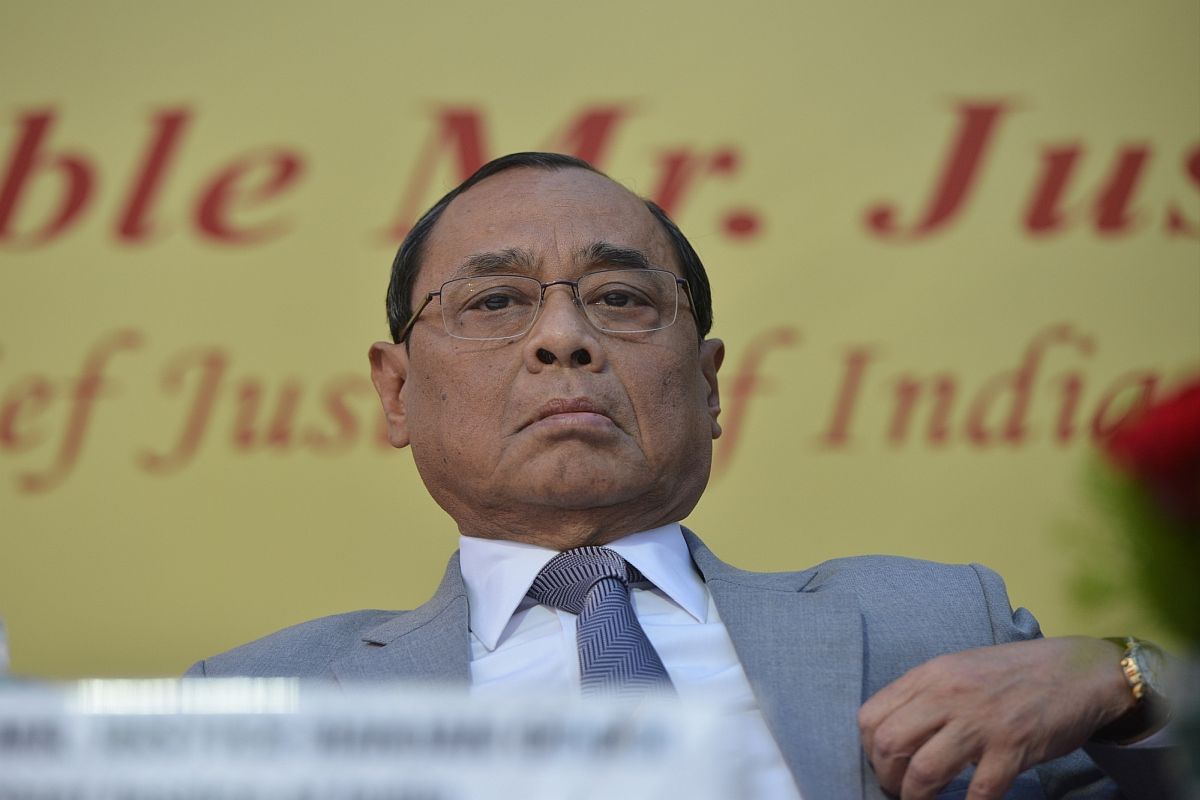
The NDA government appointed another former CJI, P Sathasivam, as Governor of Kerala in 2014, a few months after he demitted office.

The Home Ministry had on Monday issued a notification announcing that President Ram Nath Kovind is nominating Gogoi to fill the vacancy originating due to retirement of one of the nominated members.
The Delhi Police will also keep an eye on the social media platforms for the mischievous activities in order to maintain peace and harmony.
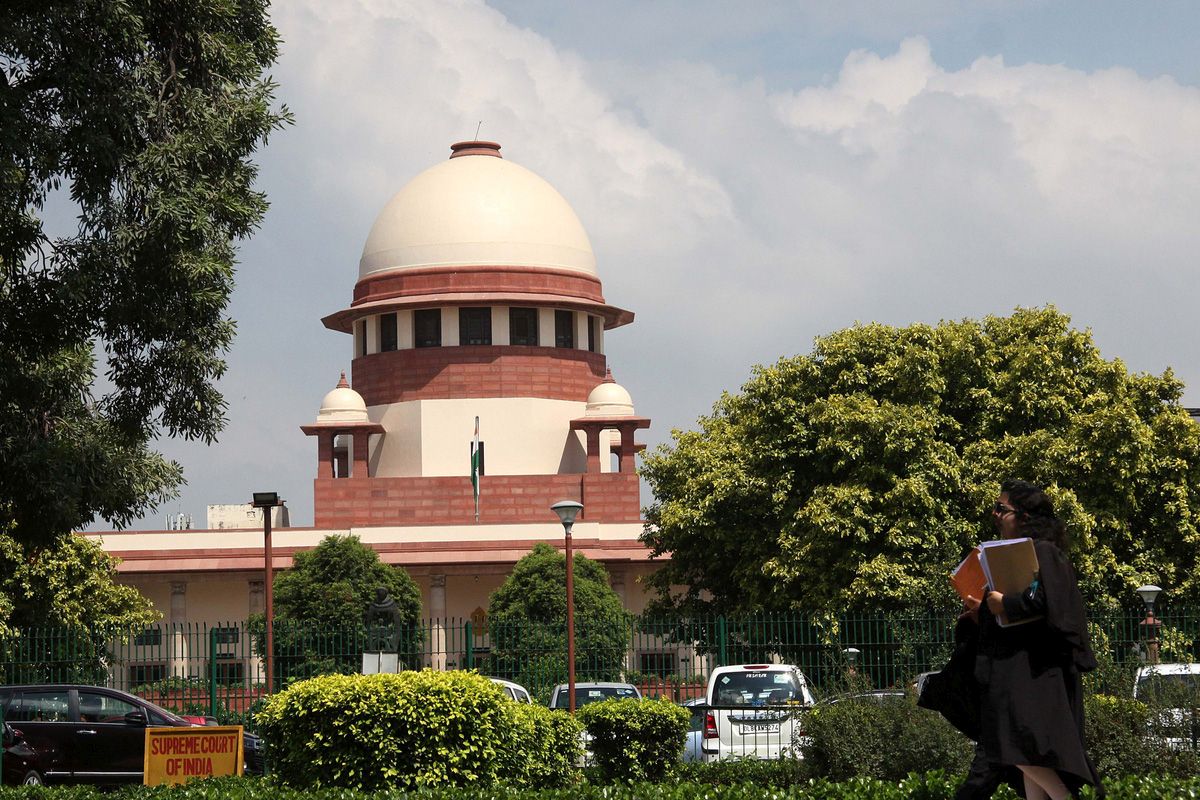
A five-judge bench headed by Chief Justice Ranjan Gogoi and comprising Chief Justice-designate Justice SA Bobde, Justice Ashok Bhushan, Justice DY Chandrachud and Justice SA Nazeer, had reserved the judgement on October 16, after a 40-day marathon hearing on the matter, which began on August 6.
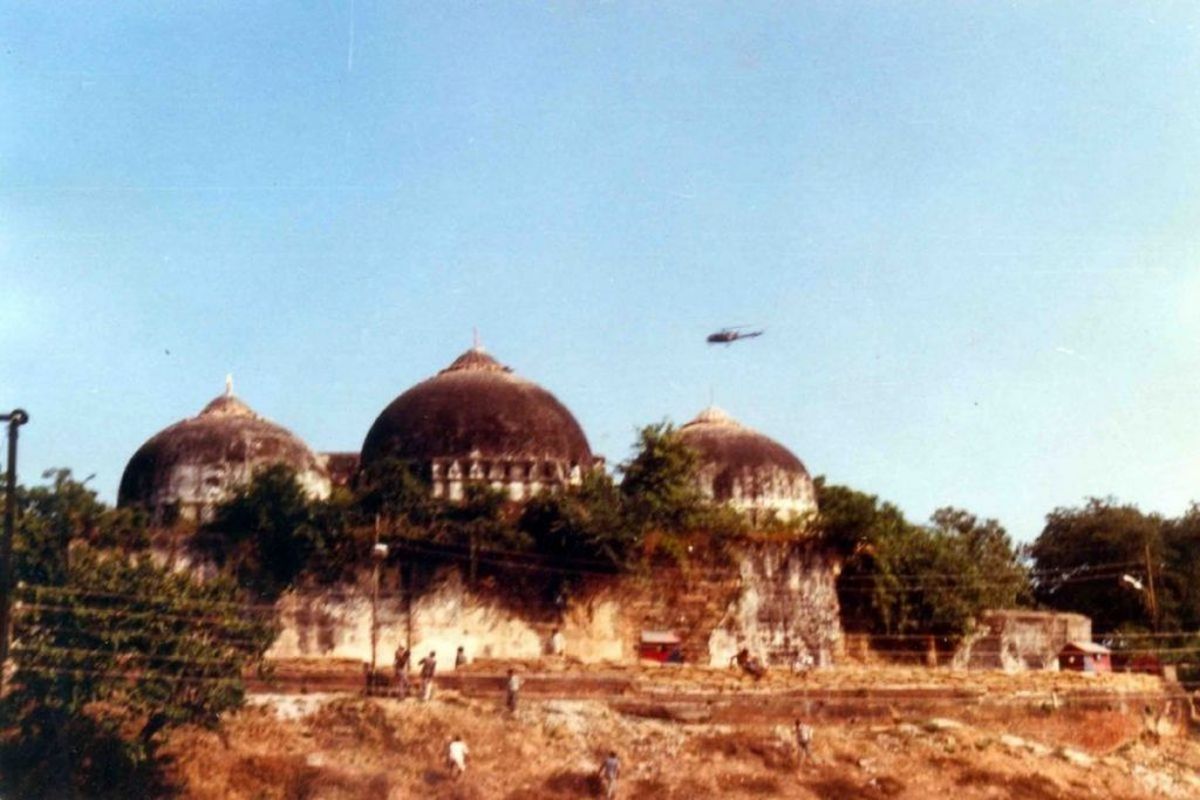
Supreme Court, headed by Chief Justice of India Ranjan Gogoi, will deliver the eagerly-awaited judgment in the Ayodhya land title dispute case at 10.30 a.m. on Saturday.

It is learnt the discussion mainly focussed on the law and order situation in the state in view of the judgement, which is expected any time next week.
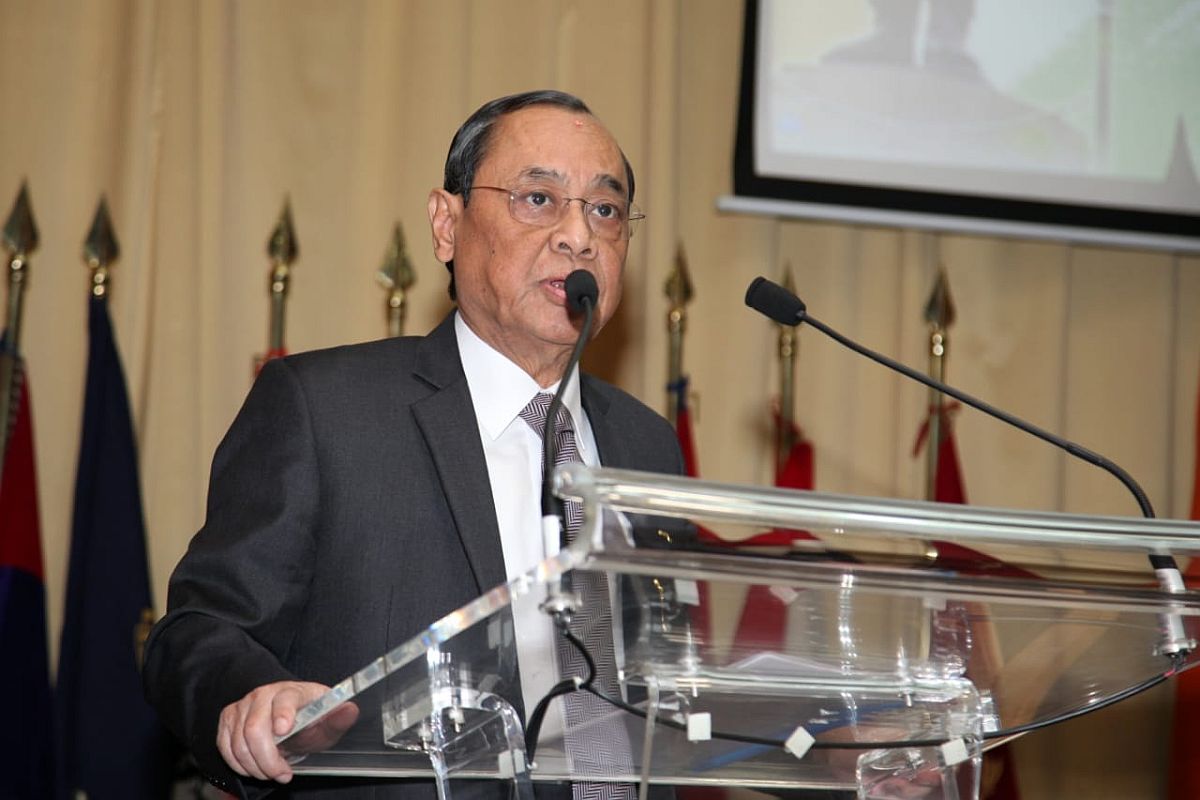
The apex court is expected to announce a verdict in the 134-year-old politically-sensitive Ram Janmbhoomi-Babri Masjid land dispute before CJI Ranjan Gogoi leaves office on November 17.