Workplace reforms in the judiciary
The Supreme Court must set an example in ensuring a harassment-free, safe, and a respectful workplace in the judiciary, says Tiasha Mukherjee

The Supreme Court must set an example in ensuring a harassment-free, safe, and a respectful workplace in the judiciary, says Tiasha Mukherjee
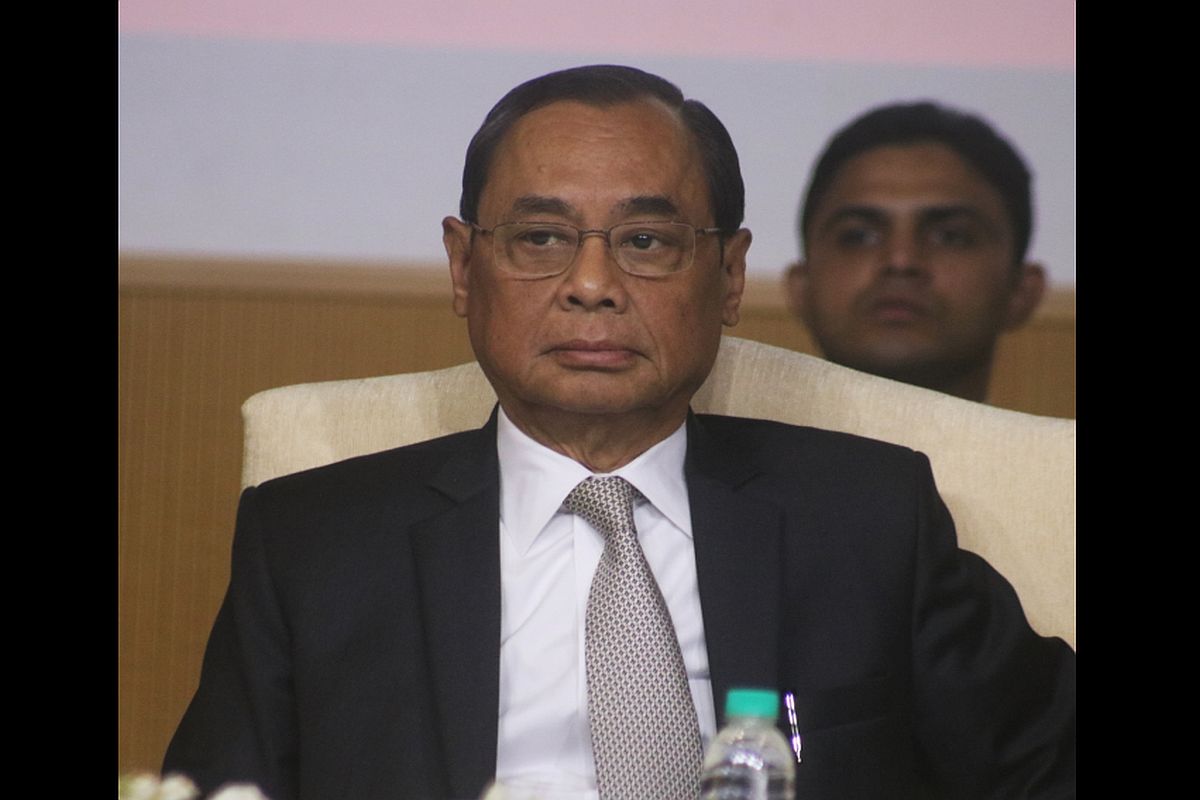
Ranjan Gogoi retired as CJI on November 17, 2019. He took oath as a nominated member of the Rajya Sabha in March this year.
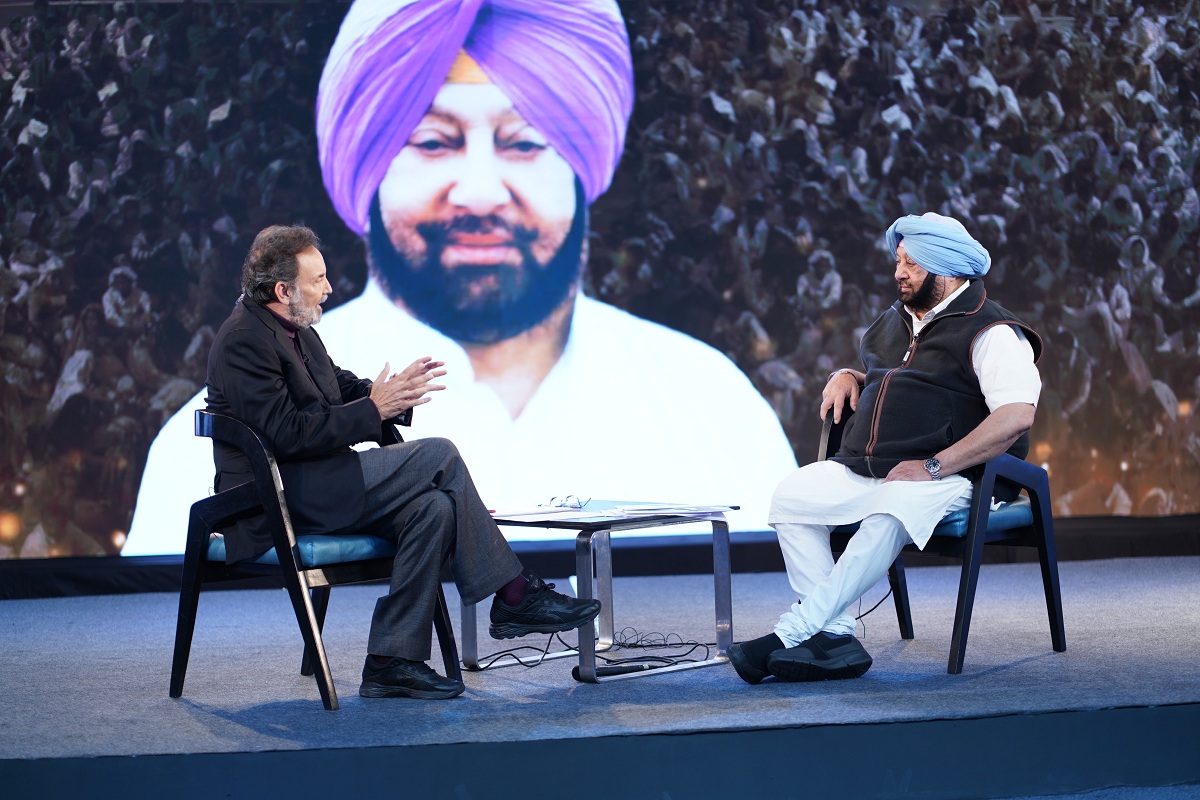
Gogoi’s nomination has definitely caused eyebrows to be raised, said the CM, adding that any sensible person would be against such a move by the Government.
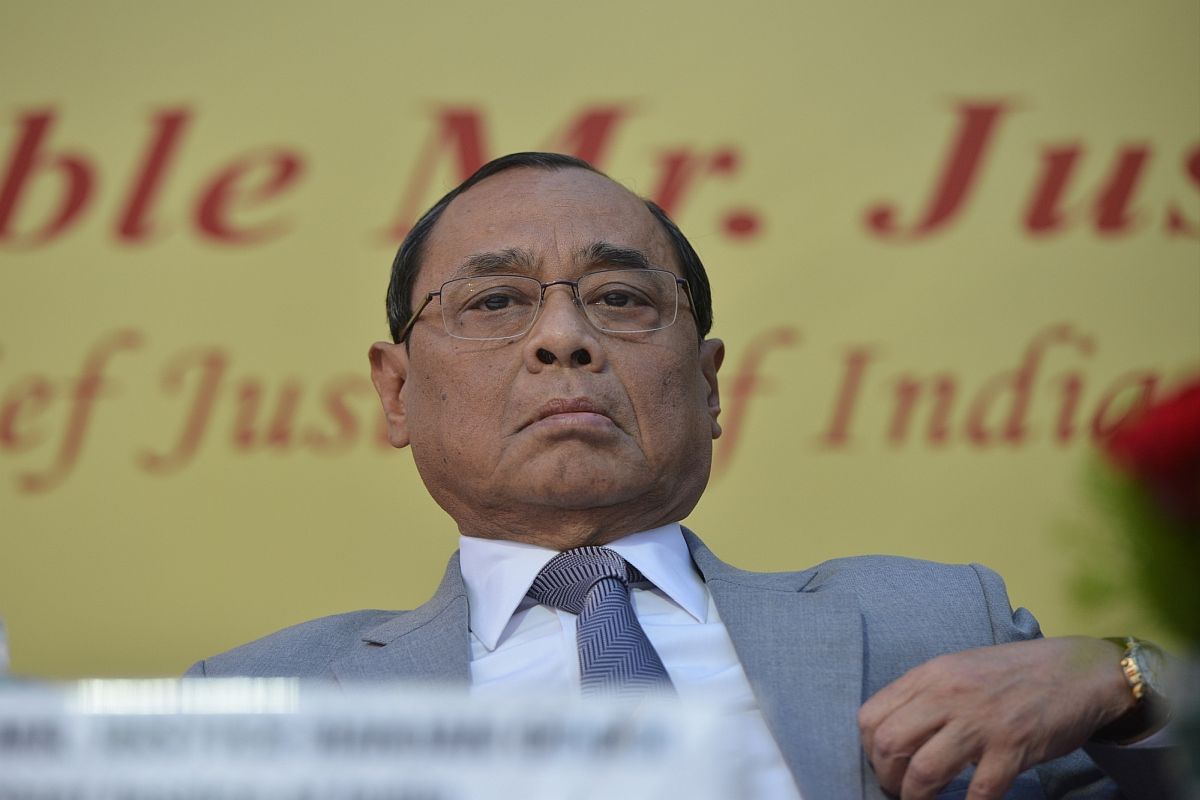
The NDA government appointed another former CJI, P Sathasivam, as Governor of Kerala in 2014, a few months after he demitted office.

The Home Ministry had on Monday issued a notification announcing that President Ram Nath Kovind is nominating Gogoi to fill the vacancy originating due to retirement of one of the nominated members.
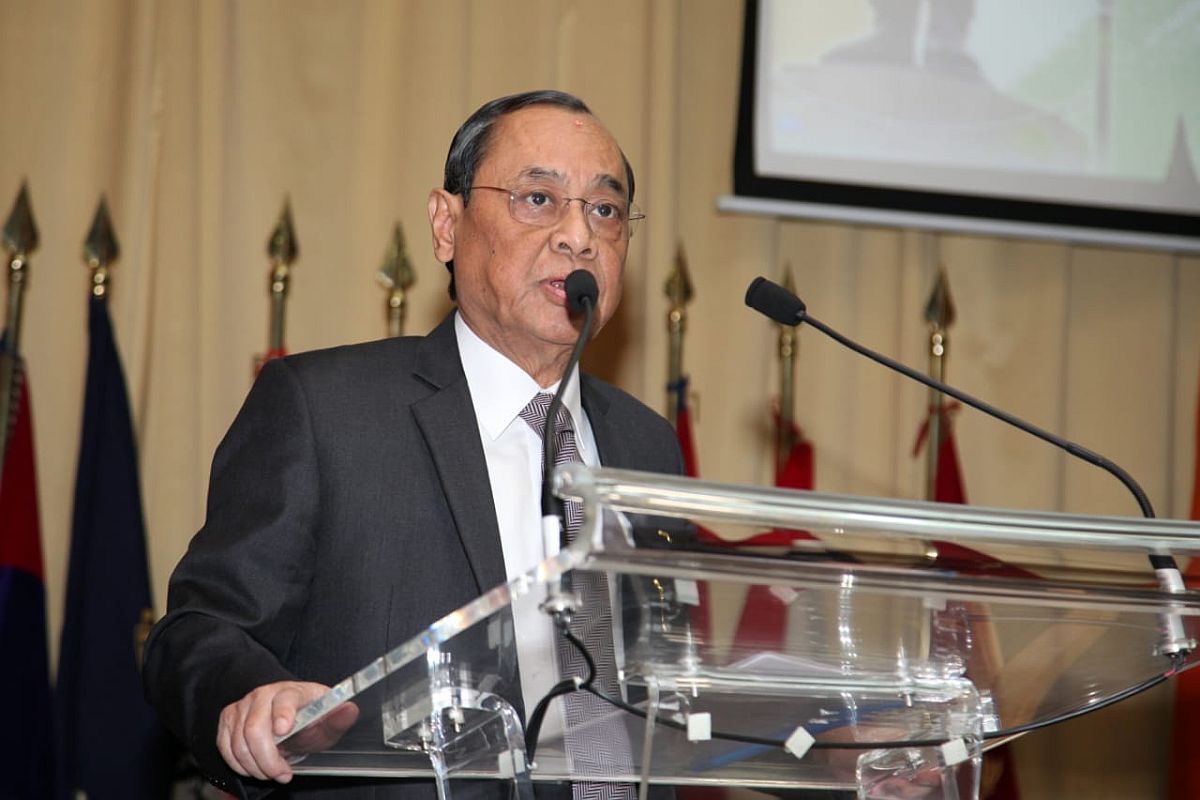
In 2010, the Delhi HC had held that the office of the CJI comes within the ambit of the RTI law, stating that judicial independence was not a judge's privilege but a responsibility cast upon him.
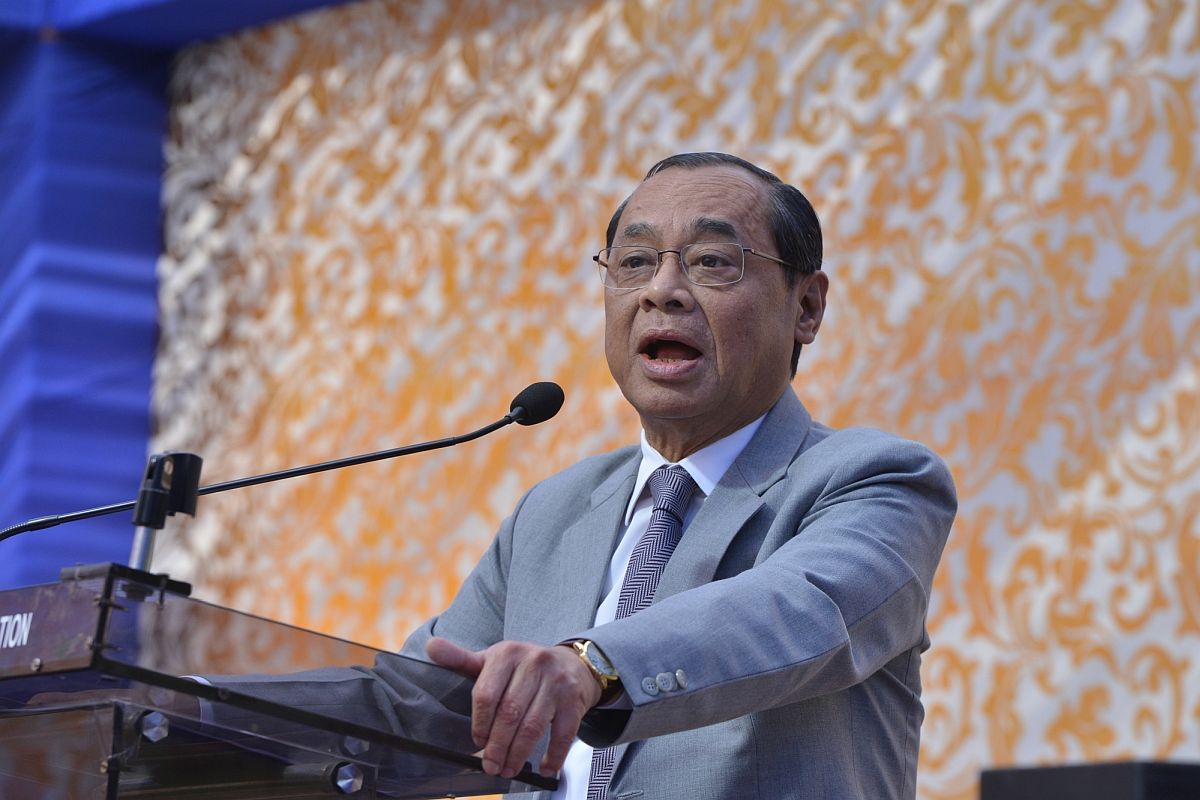
'I consider myself to be privileged to have worked with Chief Justice Gogoi, whose grit, mettle and character are so strong that it is difficult to get anything wrong passed,' Justice Bobde said.
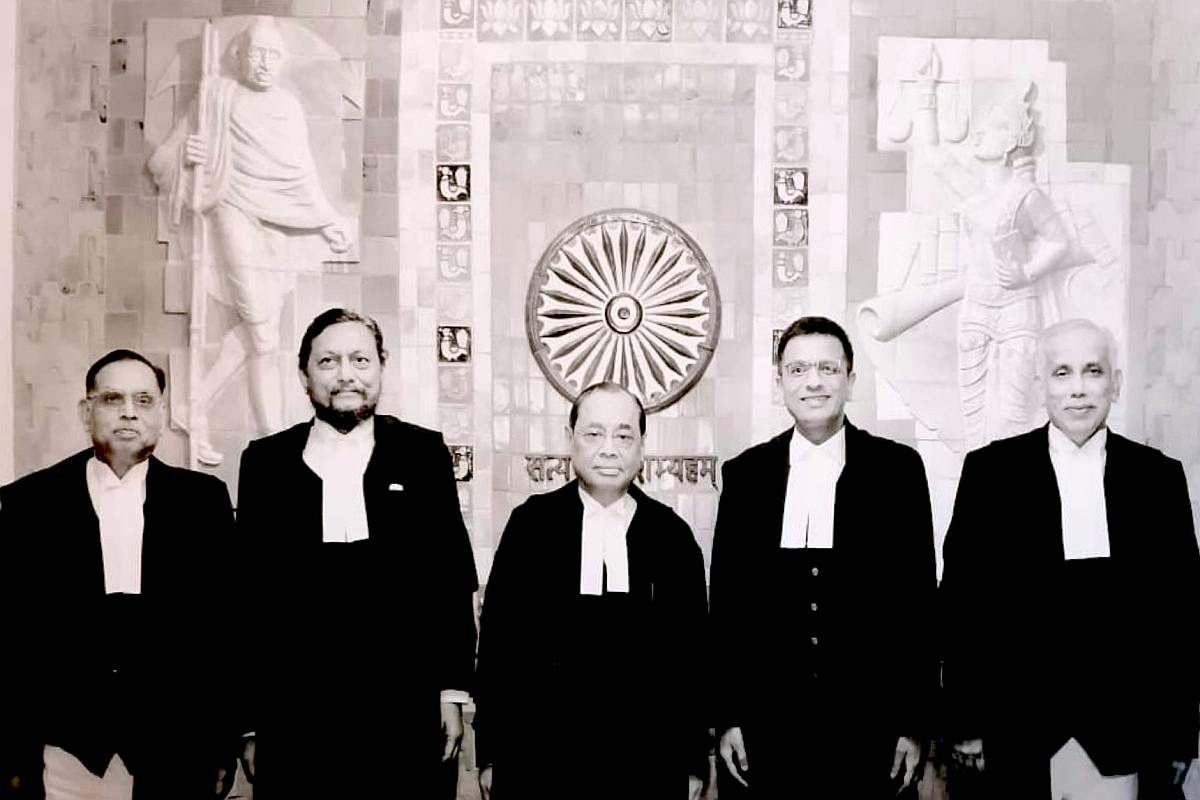
Justice Gogoi will pronounce judgement on the pleas seeking review of the top court's verdict allowing women of all ages to enter the Sabarimala temple in Kerala.

On 9 November 2019, a five-judge bench headed by Chief Justice Ranjan Gogoi ruled that the disputed 2.77-acre land will be taken over by a Government trust for the construction of the temple, while a suitable alternative plot of land measuring 5 acres at a prominent site in Ayodhya will be given to the Sunni Wakf Board.
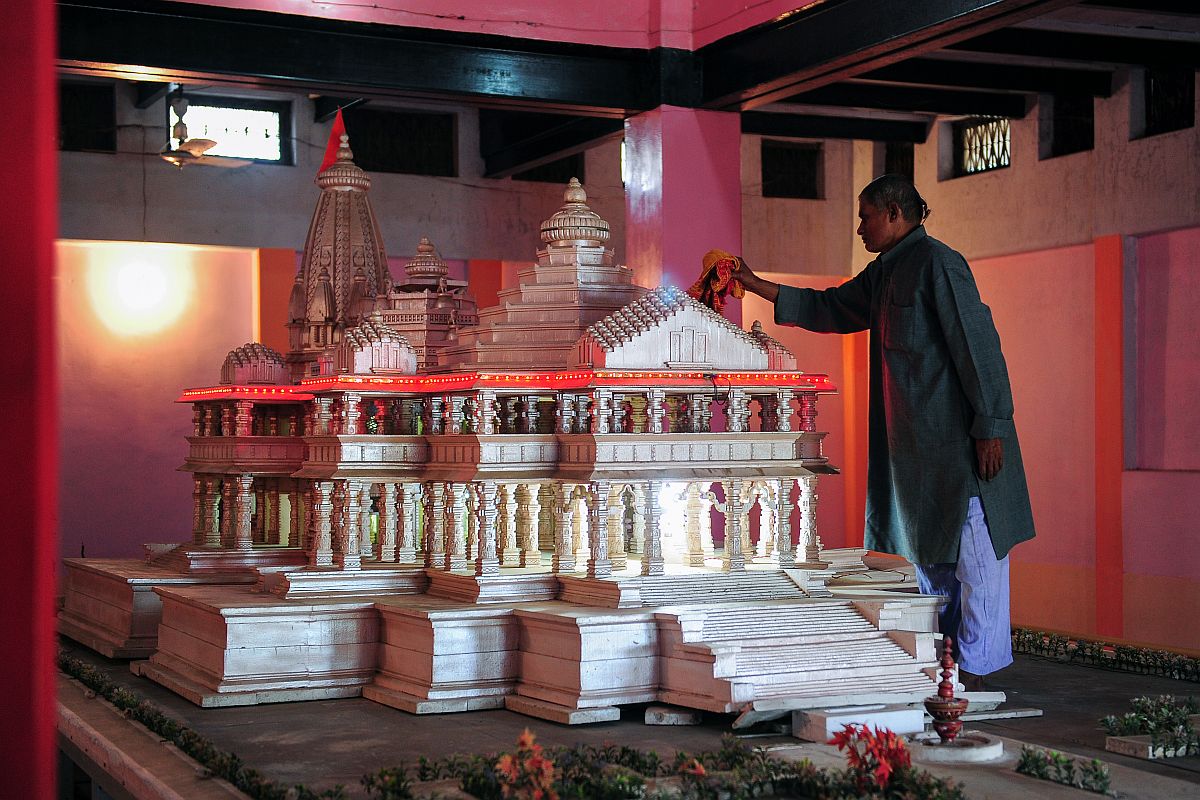
The Supreme Court has asked the Centre to set up the board of trustees within three months after which the disputed land will be handed over to the trust.