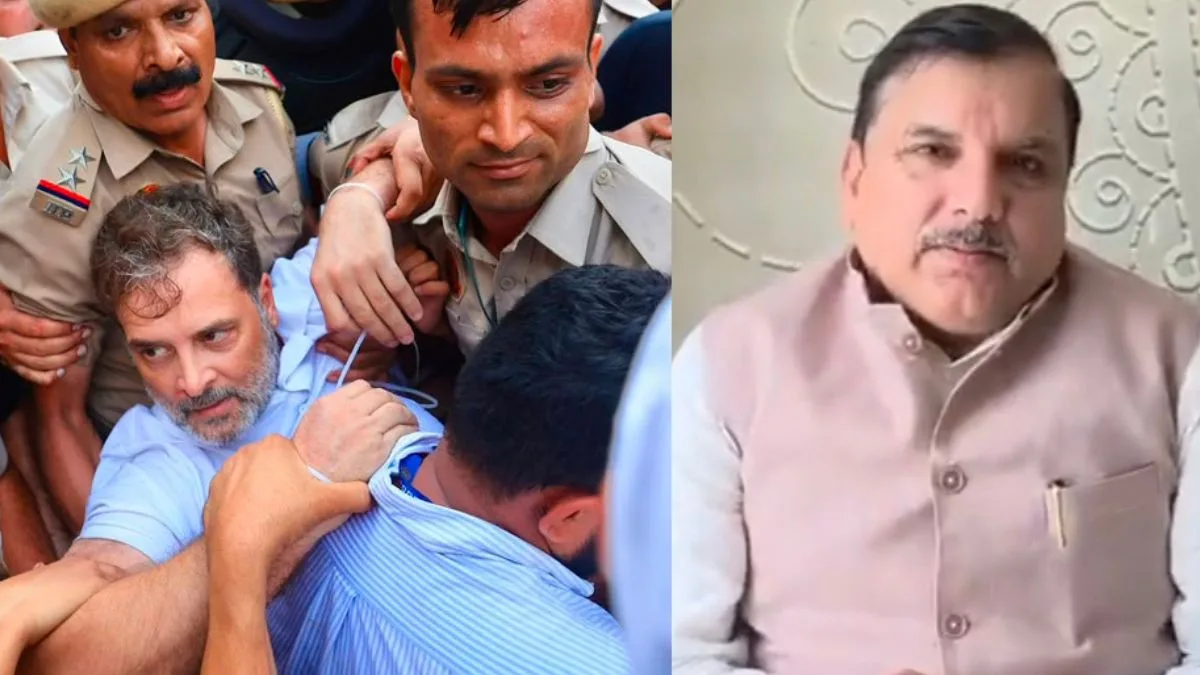
Coaching centre fire: 43 coaching institutes and three hotels sealed in UP
Police, Fire officials, and district authorities have conducted raids on coaching institutes and hotels across the state.
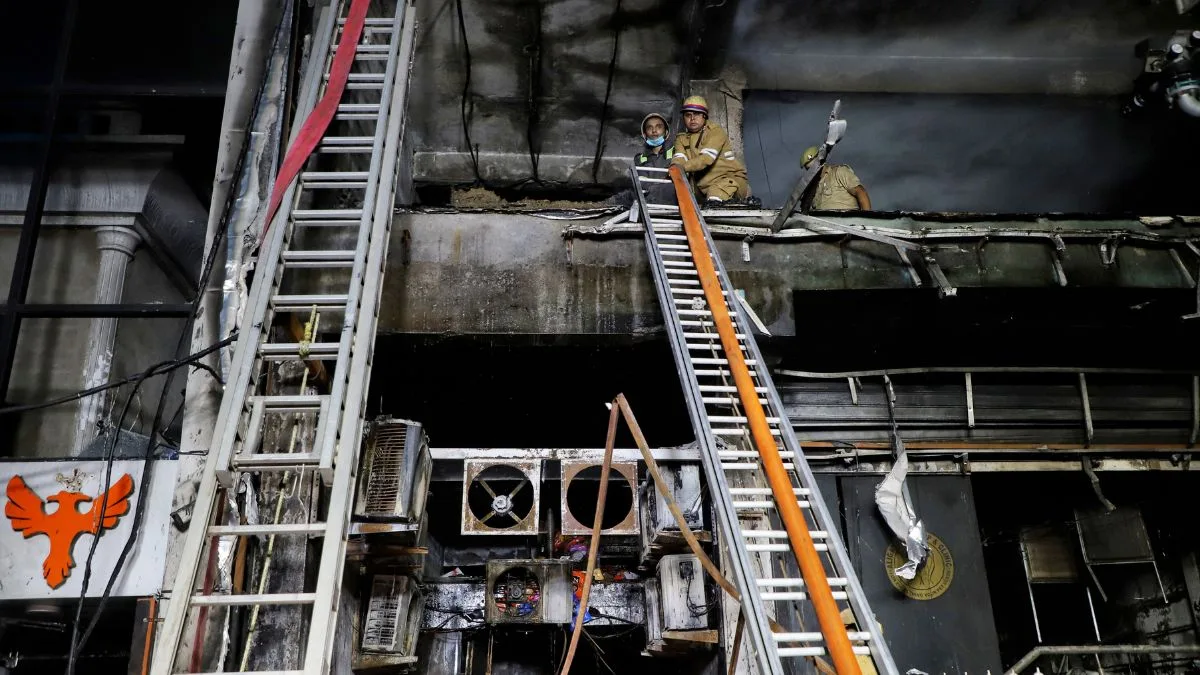
Police, Fire officials, and district authorities have conducted raids on coaching institutes and hotels across the state.
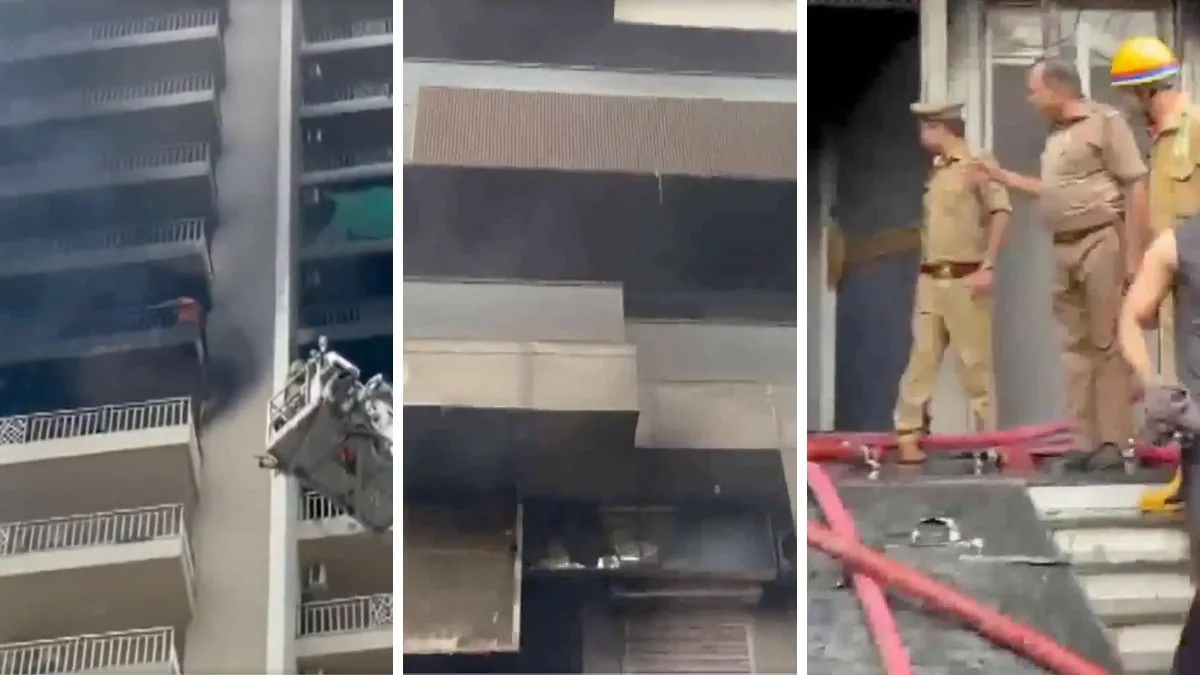
A fire in a high-rise apartment at Noida's IVY County Society prompted a swift emergency response, while another blaze was reported separately in Sector 52.
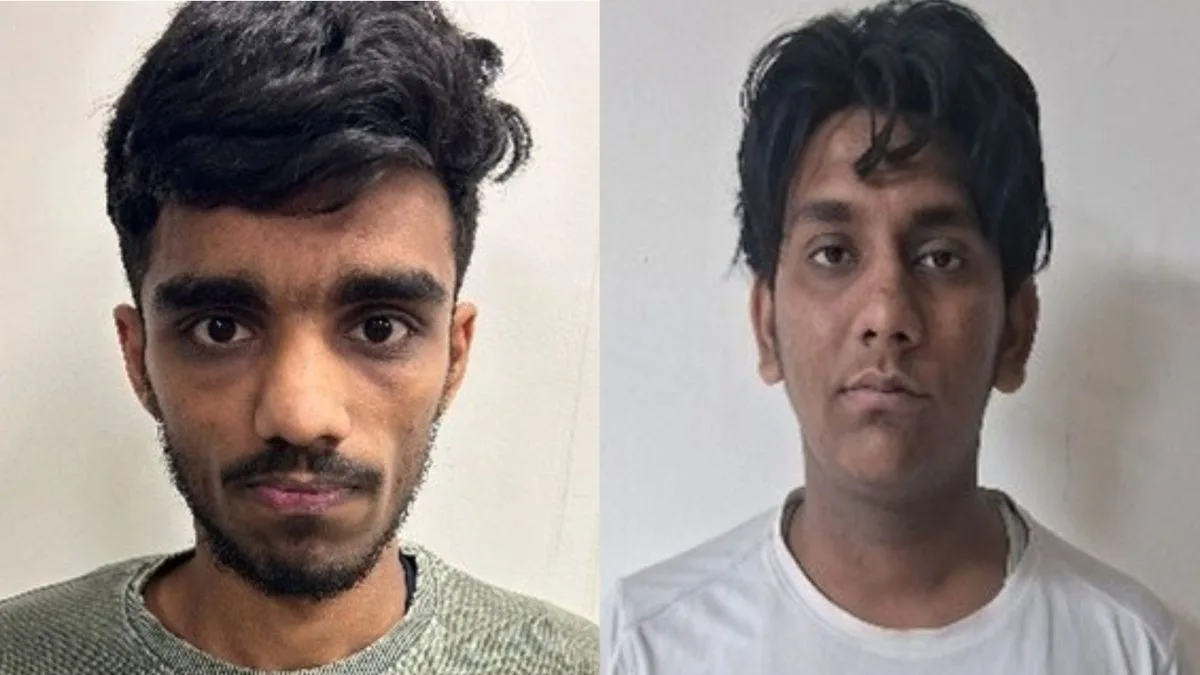
Probe reveals cross-border handlers, funding promises and a plan to build local terror modules using online recruitment networks in Uttar Pradesh.
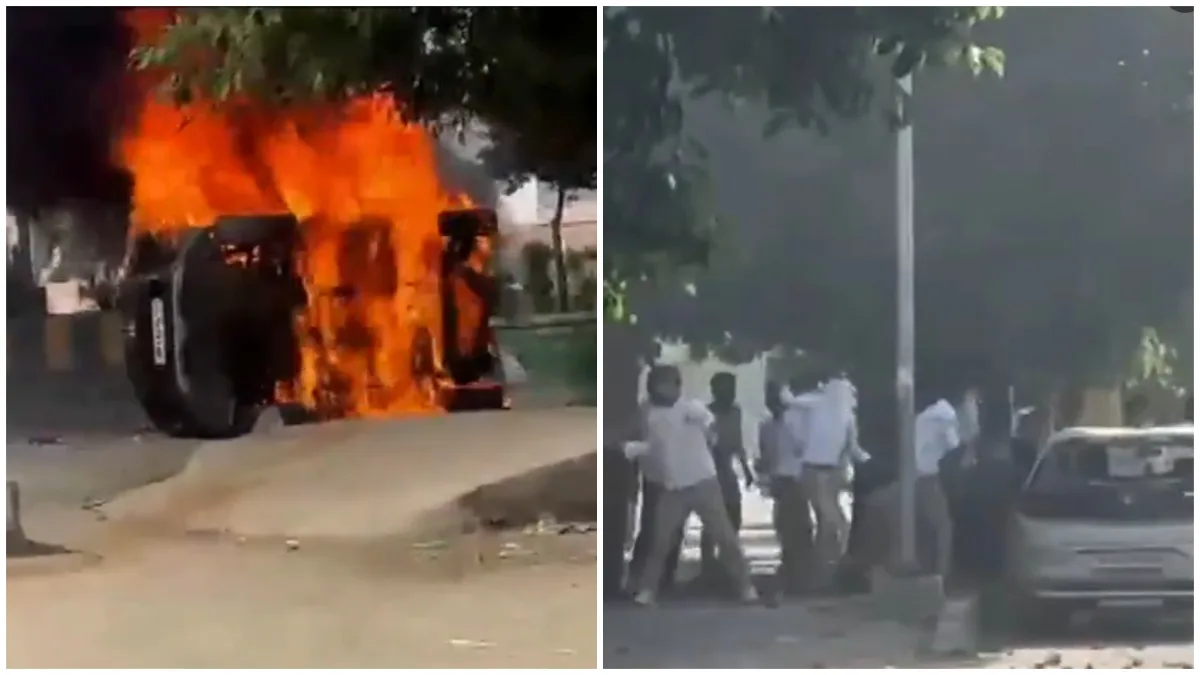
The recent eruption of worker unrest across industrial clusters like Noida is less a law-and-order problem than a stress test of India’s economic model.
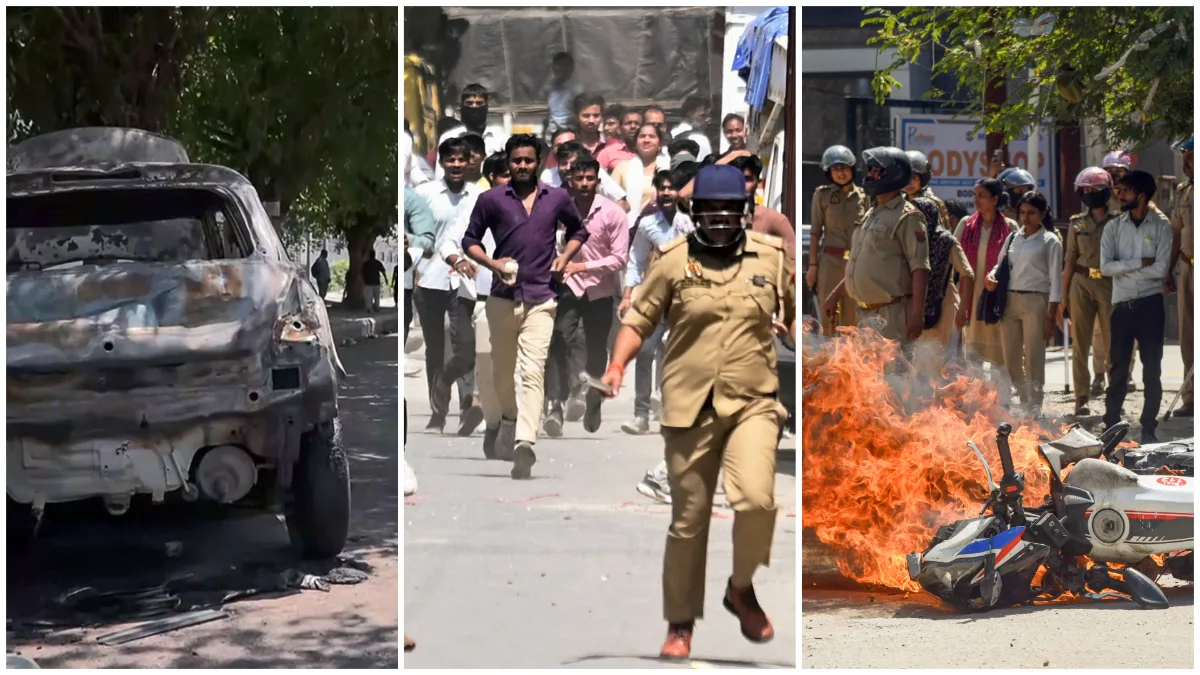
The probe has also uncovered a digital trail aimed at amplifying the unrest. Reportedly, several fake WhatsApp groups were created to spread rumours, including false claims of casualties, to incite panic and draw more people into the violence.

Severe thunderstorms and rain on Friday morning brought much-needed relief to the people in Delhi and the National Capital Region (NCR), including Noida, from the persistent heatwave.

A key highlight of the project is the modernization of Noida’s Integrated Command and Control Center (ICCC), which will serve as the central hub for monitoring and coordination.

In order to curb reckless driving and improve road safety, Noida authorities have introduced stricter penalties effective from the start of this month.

The ED initiated an investigation on the basis of multiple FIRs registered by Himachal Pradesh Police against QFX Company which had defrauded many investors through a fraudulent forex trading scheme.

Several prominent schools in Noida received bomb threats which later turned out to be hoax on Wednesday, weeks after Delhi schools were targeted in a similar manner.