Strategic Distance
The renewed war between the United States and Iran has again placed American and Israeli military interests on apparently common ground.
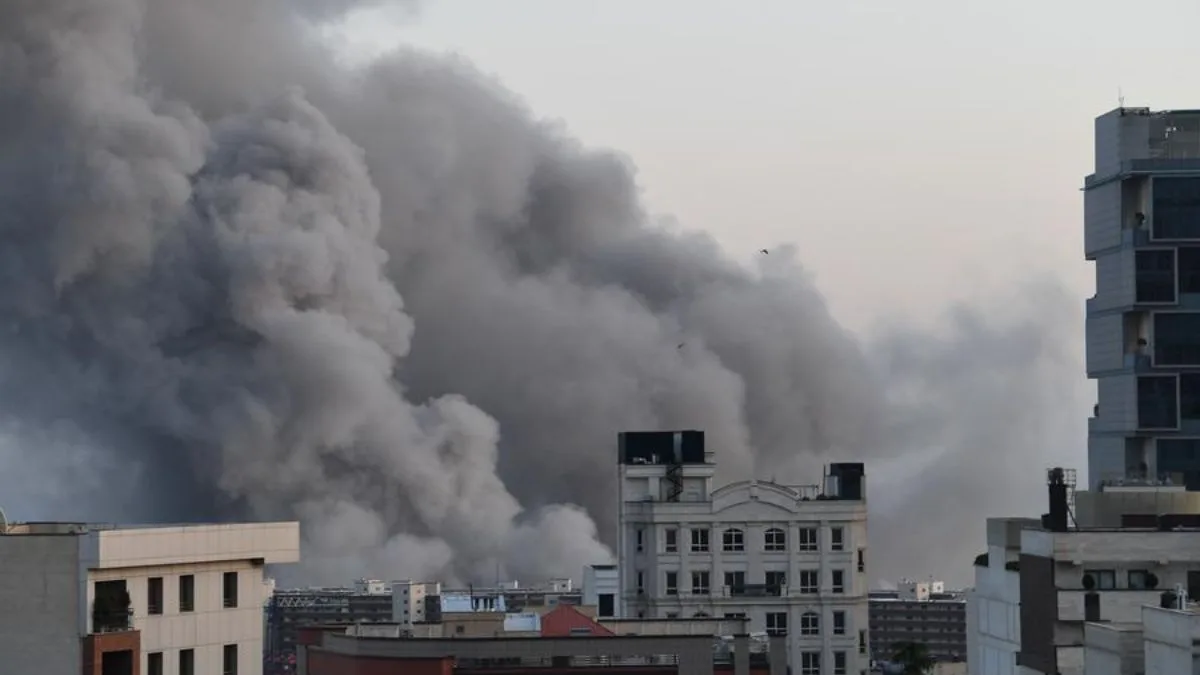
The renewed war between the United States and Iran has again placed American and Israeli military interests on apparently common ground.
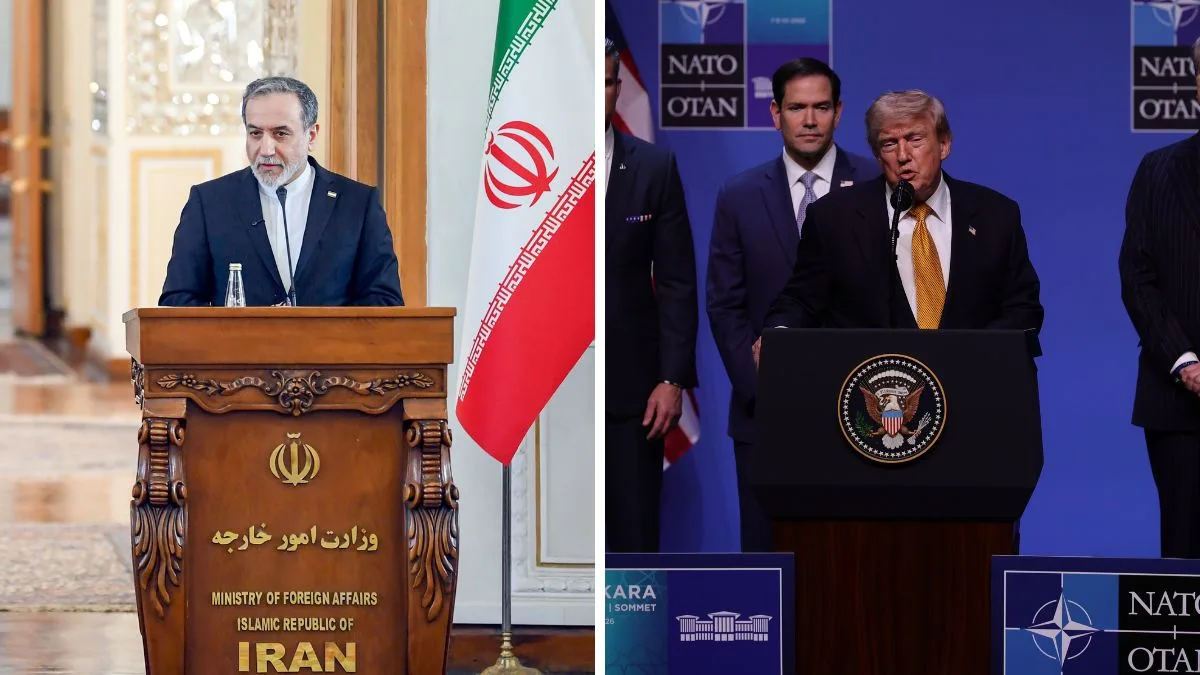
Fresh statements from Tehran and Washington point to deepening confrontation, with both sides hardening their public positions even as the US says it remains open to diplomacy.
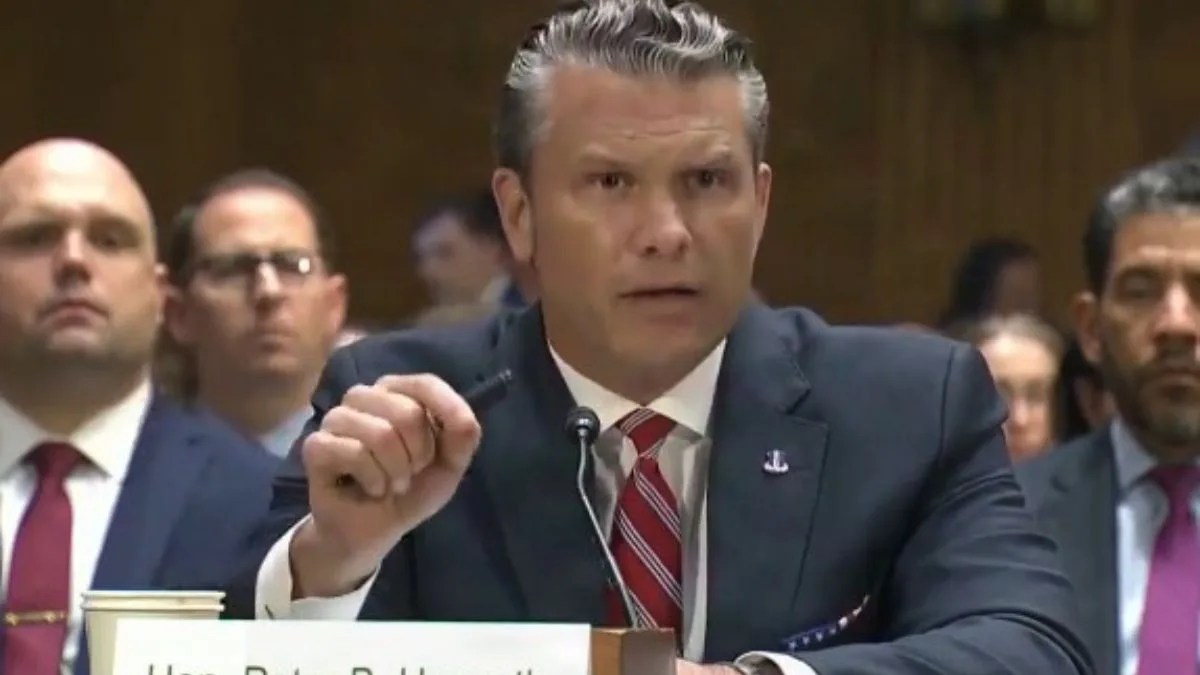
The Pentagon told lawmakers the conflict has already cost $37.5 billion and warned of readiness shortfalls without additional funding, while also alleging Russia and China are enabling Iran's military operations.
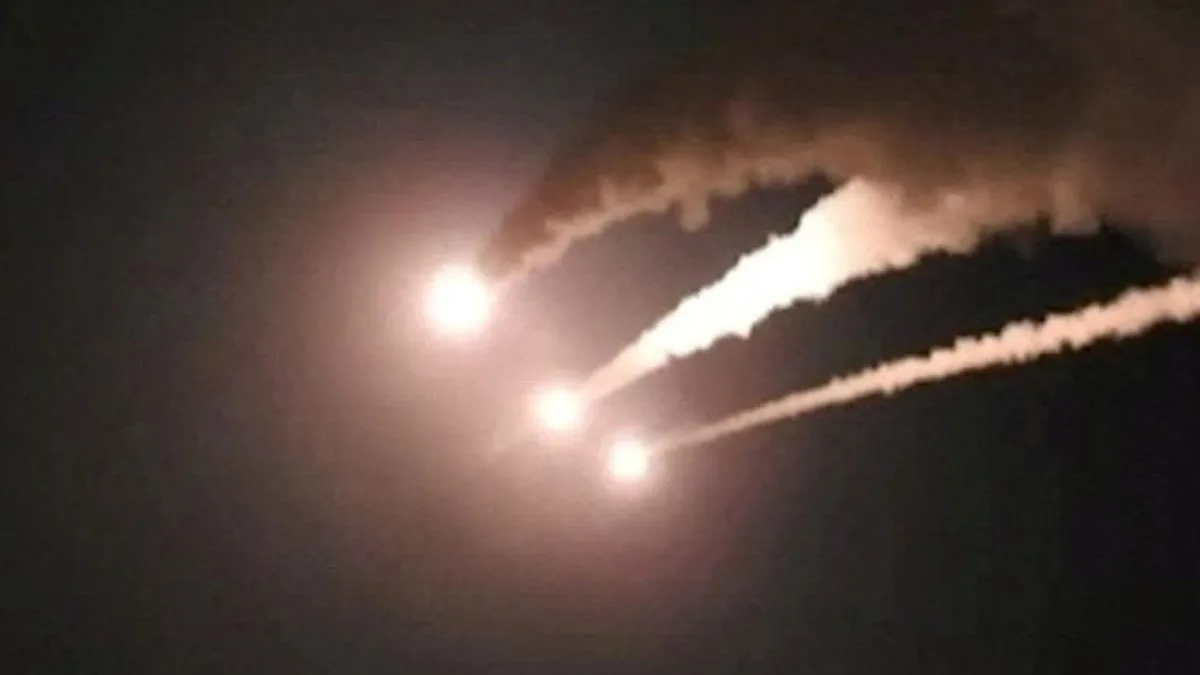
Explosions were reported across southern and central Iran after the US announced a new military offensive, while Kuwait activated air defences and regional tensions continued to spread.

Iran's Revolutionary Guard claimed it received intelligence from individuals in Jordan to strike US military targets, as Washington continued air strikes and regional tensions spread across the Gulf.

The advisory, effective immediately and valid till March 28, comes as US-Israel strikes on Iran and Tehran's retaliatory measures create what the regulator calls a "high-risk environment" for civil aviation
India’s maritime dilemma in the Strait of Hormuz has exposed a familiar but uncomfortable truth: in geopolitics, principle often yields to necessity

Qatar expels Iranian officials after fresh missile strikes hit key LNG sites, while Trump signals possible US retaliation if energy infrastructure faces further attacks in the region.
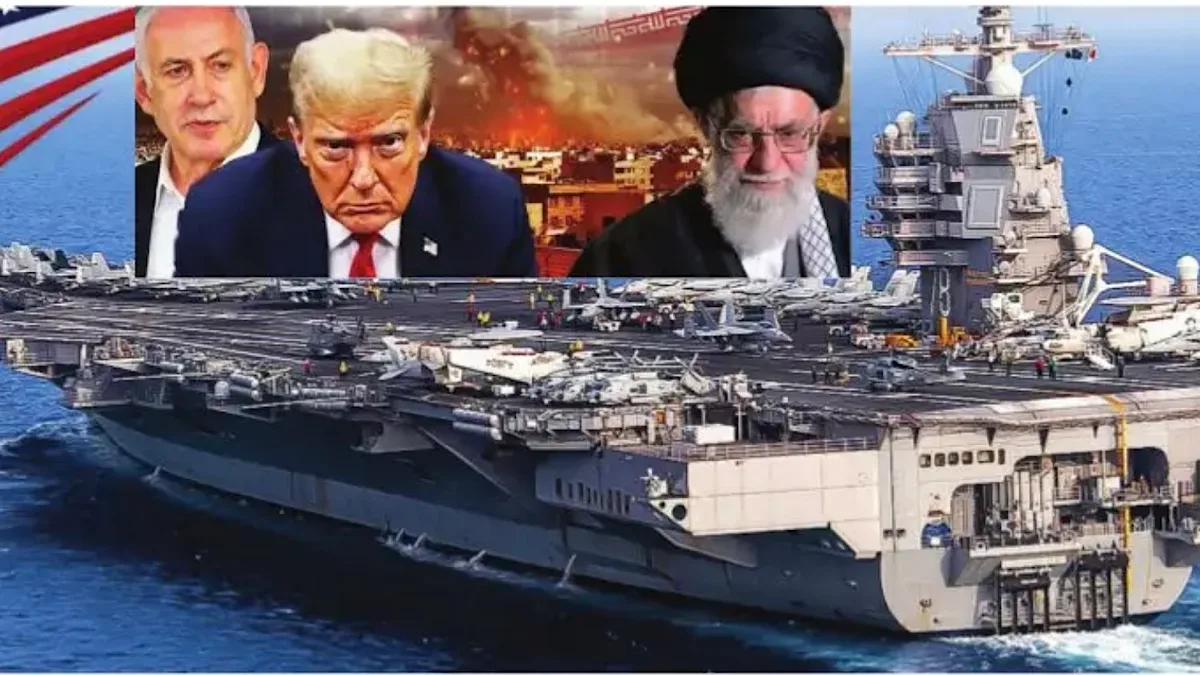
As American representatives negotiated with their Iranian counterparts in Geneva, an armada of US warships, led by USS Gerald R. Ford, the world’s largest warship, sailed towards the Middle-East.

Iran’s top leadership closes ranks after the killing of Ali Larijani, signalling retaliation while highlighting his long political and security career across key institutions.