Strategic Distance
The renewed war between the United States and Iran has again placed American and Israeli military interests on apparently common ground.
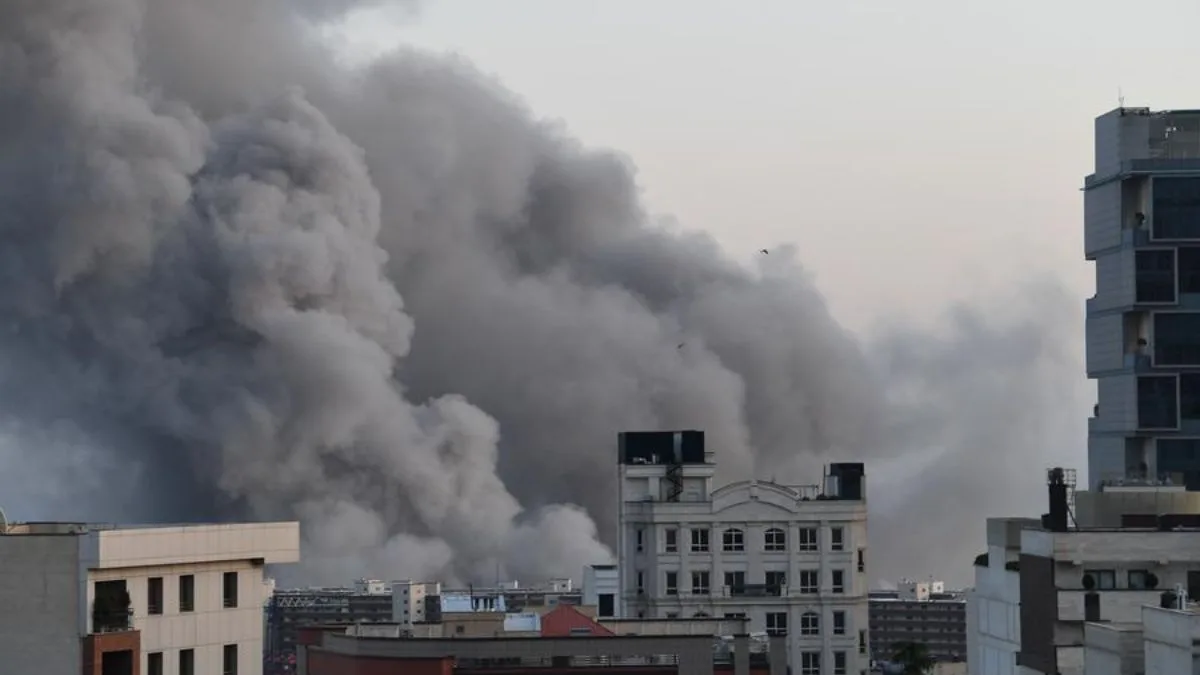
The renewed war between the United States and Iran has again placed American and Israeli military interests on apparently common ground.
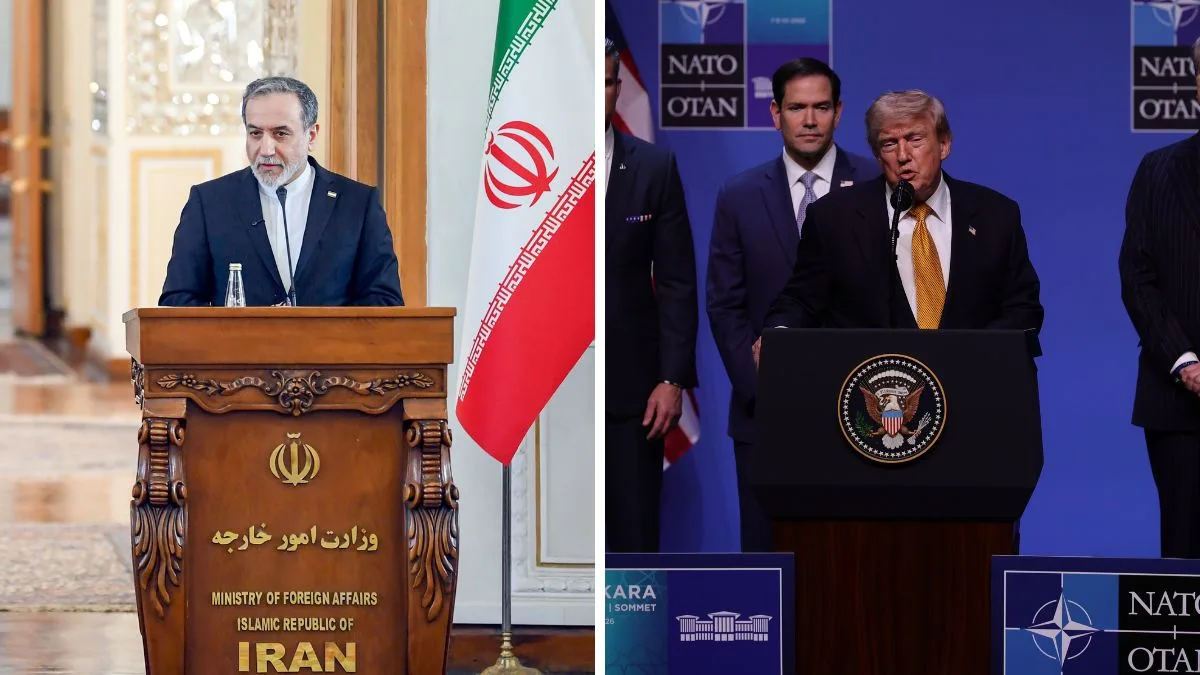
Fresh statements from Tehran and Washington point to deepening confrontation, with both sides hardening their public positions even as the US says it remains open to diplomacy.
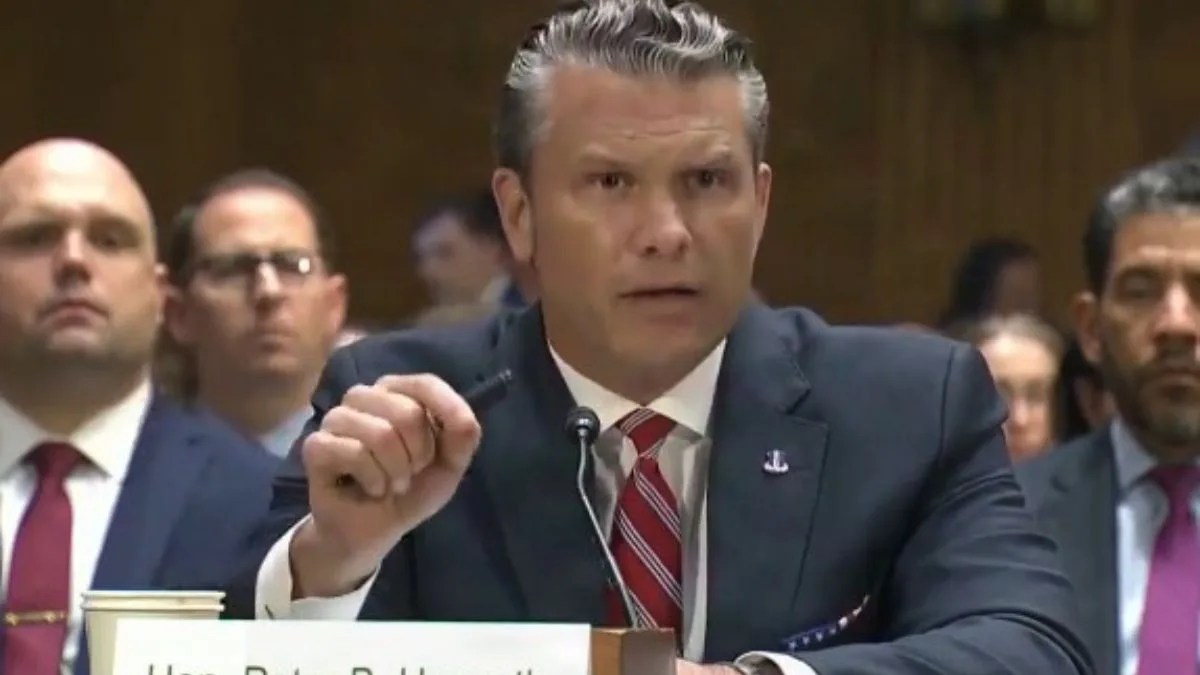
The Pentagon told lawmakers the conflict has already cost $37.5 billion and warned of readiness shortfalls without additional funding, while also alleging Russia and China are enabling Iran's military operations.
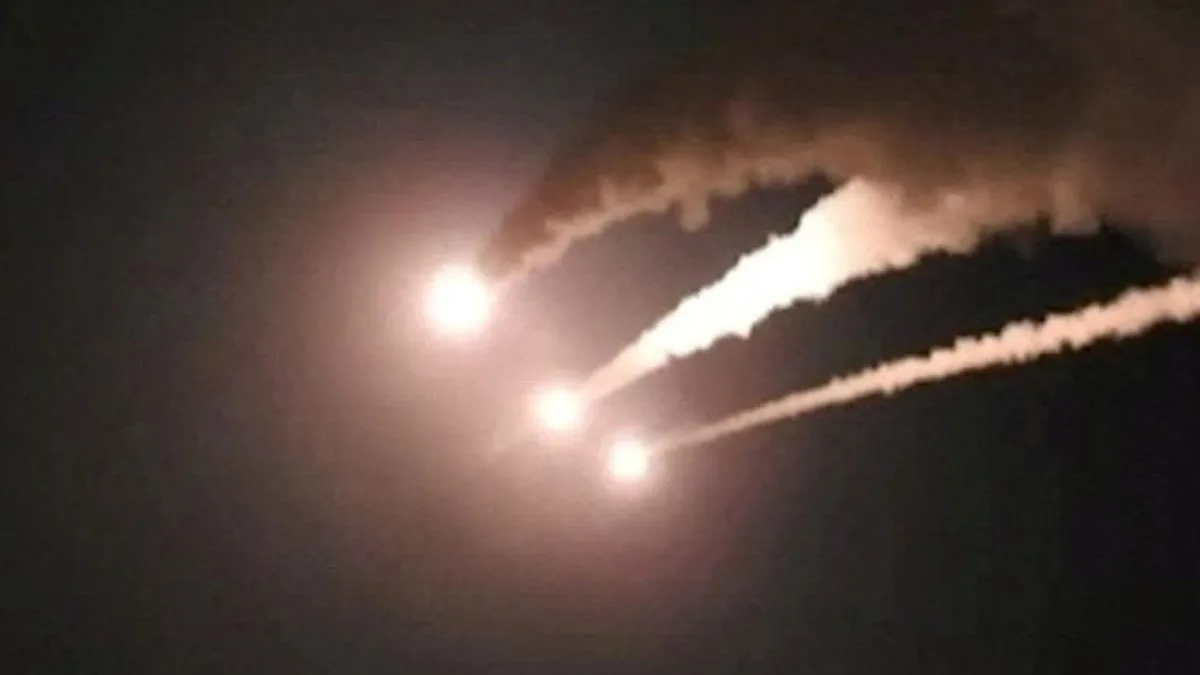
Explosions were reported across southern and central Iran after the US announced a new military offensive, while Kuwait activated air defences and regional tensions continued to spread.

Iran's Revolutionary Guard claimed it received intelligence from individuals in Jordan to strike US military targets, as Washington continued air strikes and regional tensions spread across the Gulf.

No US president in living memory has gone to war with less public support than Donald Trump has for the war in Iran.
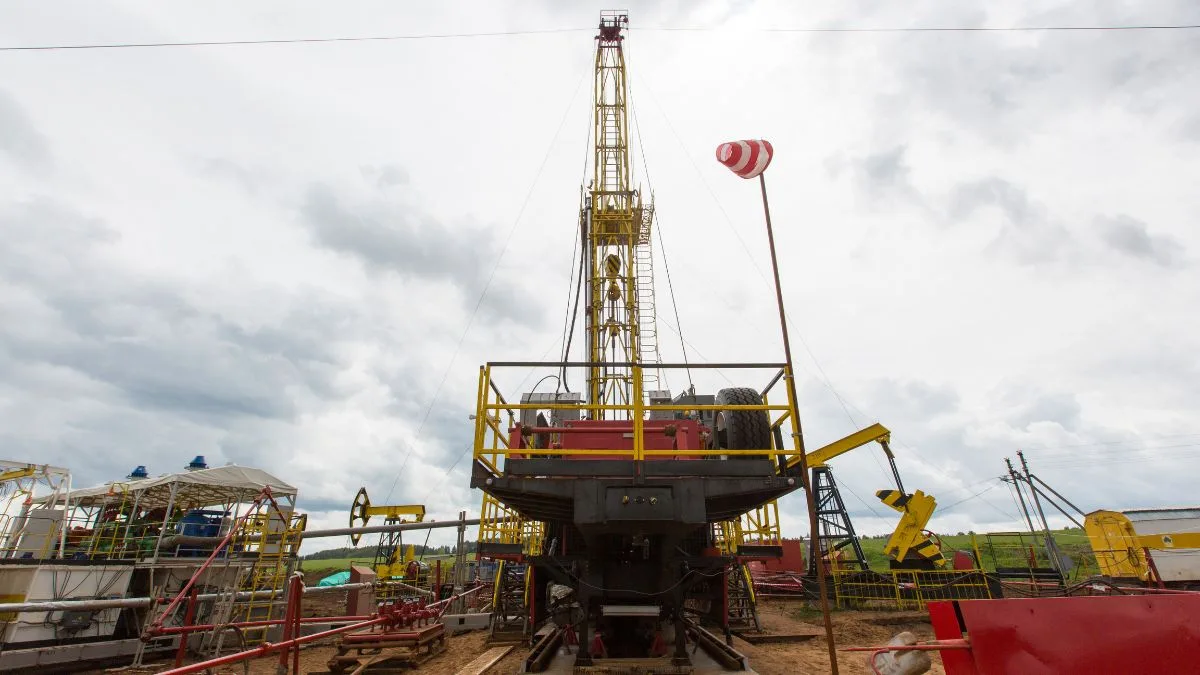
When wars expand, the most decisive targets are often not cities or armies but the economic arteries that sustain a nation’s power.
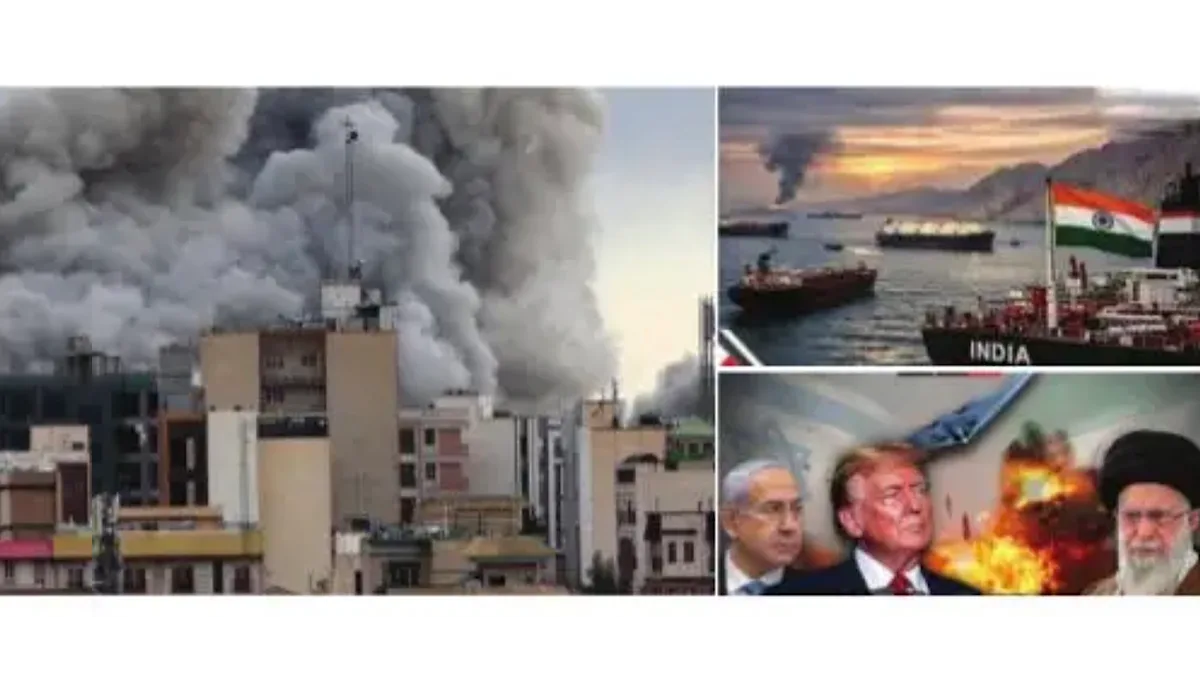
The US-Israel coalition is currently engaged in an intense, sustained, and escalatory military campaign against Iran, described by some observers as an “existential war” or a “war of choice”.

When a narrow strip of water becomes the centre of global politics, it usually means something larger is unfolding.
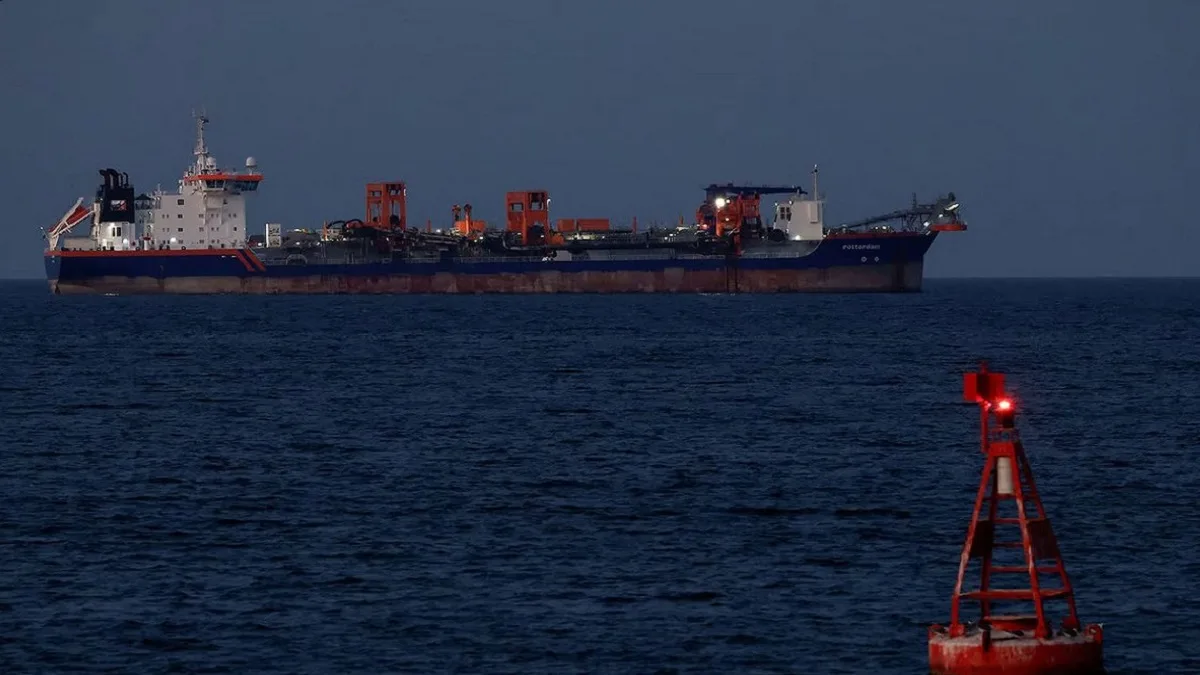
The dependence is even sharper in natural gas. Qatar, one of the world's largest LNG exporters, supplies roughly half of India's imported liquefied natural gas. Nearly all of it moves through Hormuz.