Strategic Distance
The renewed war between the United States and Iran has again placed American and Israeli military interests on apparently common ground.
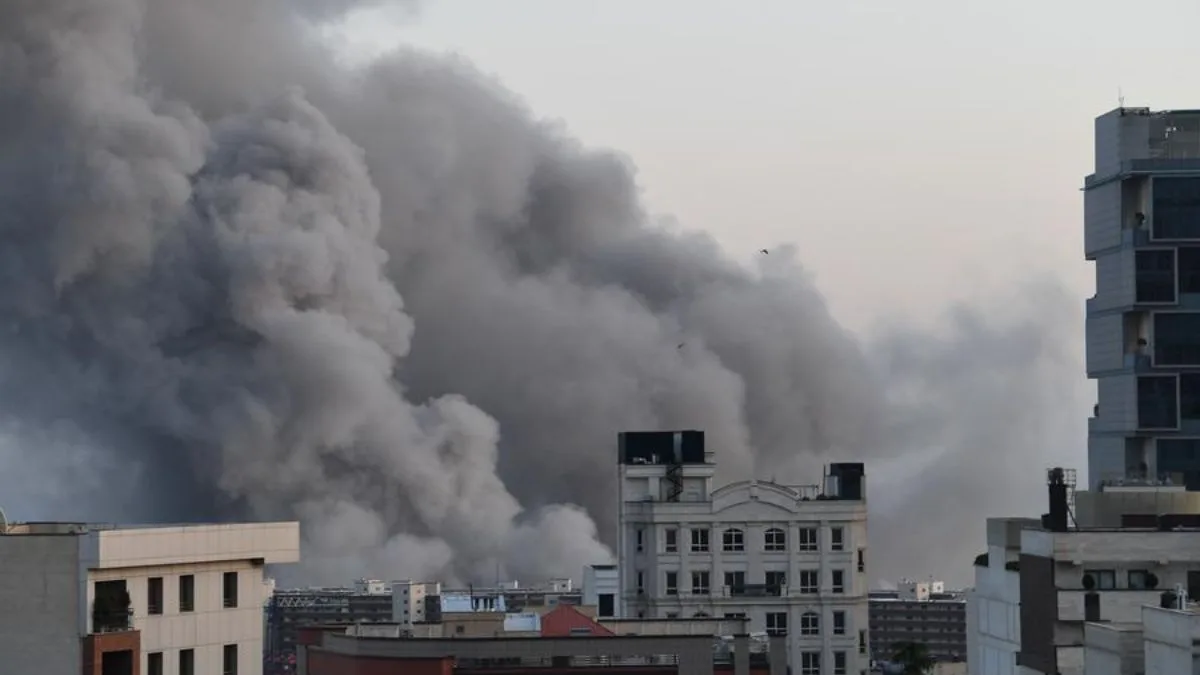
The renewed war between the United States and Iran has again placed American and Israeli military interests on apparently common ground.
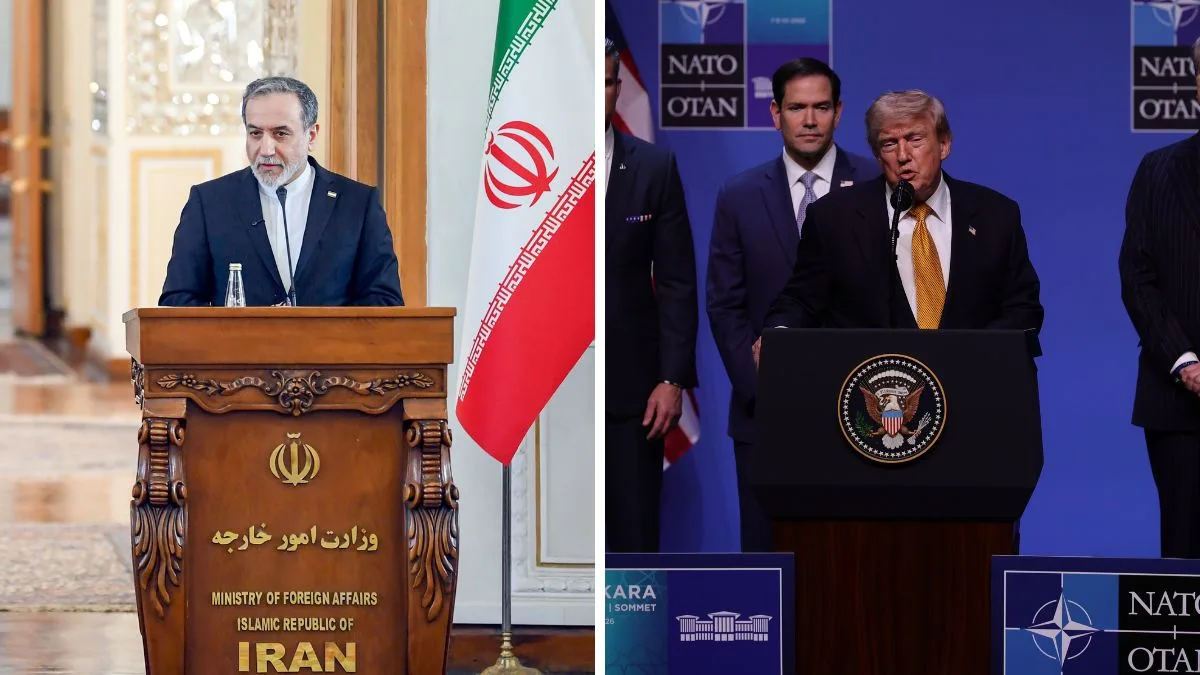
Fresh statements from Tehran and Washington point to deepening confrontation, with both sides hardening their public positions even as the US says it remains open to diplomacy.
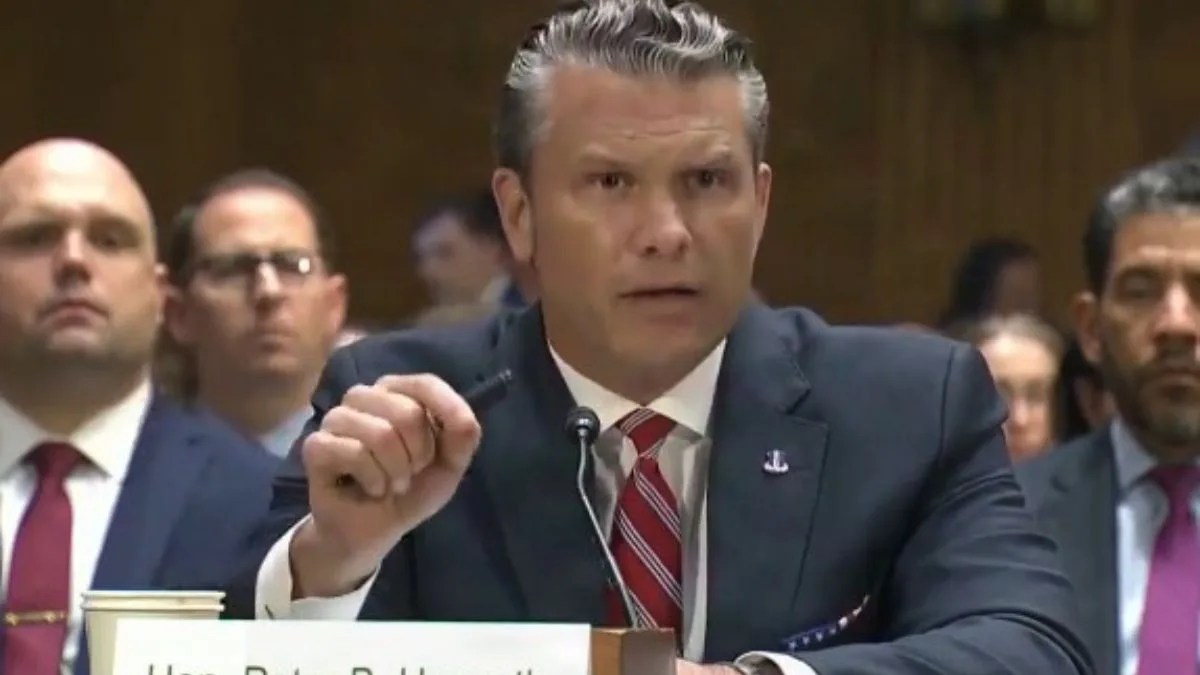
The Pentagon told lawmakers the conflict has already cost $37.5 billion and warned of readiness shortfalls without additional funding, while also alleging Russia and China are enabling Iran's military operations.
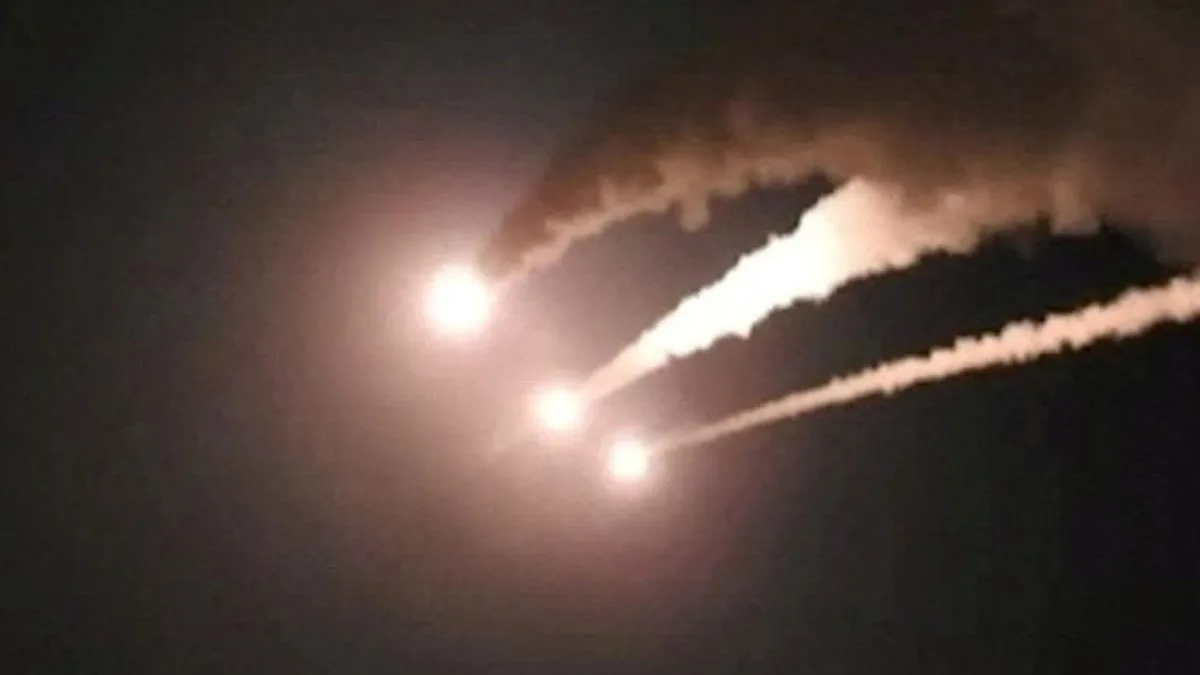
Explosions were reported across southern and central Iran after the US announced a new military offensive, while Kuwait activated air defences and regional tensions continued to spread.

Iran's Revolutionary Guard claimed it received intelligence from individuals in Jordan to strike US military targets, as Washington continued air strikes and regional tensions spread across the Gulf.

MIT professor Theodore Postol claims Iran already has enough material for 10 to 11 nuclear weapons and warns any nuclear escalation could trigger mass destruction across the region.

Heavy security marked the start of US-Iran talks in Islamabad, with Iran’s delegation arriving under aerial escort as both sides prepare for critical negotiations following a fragile ceasefire.
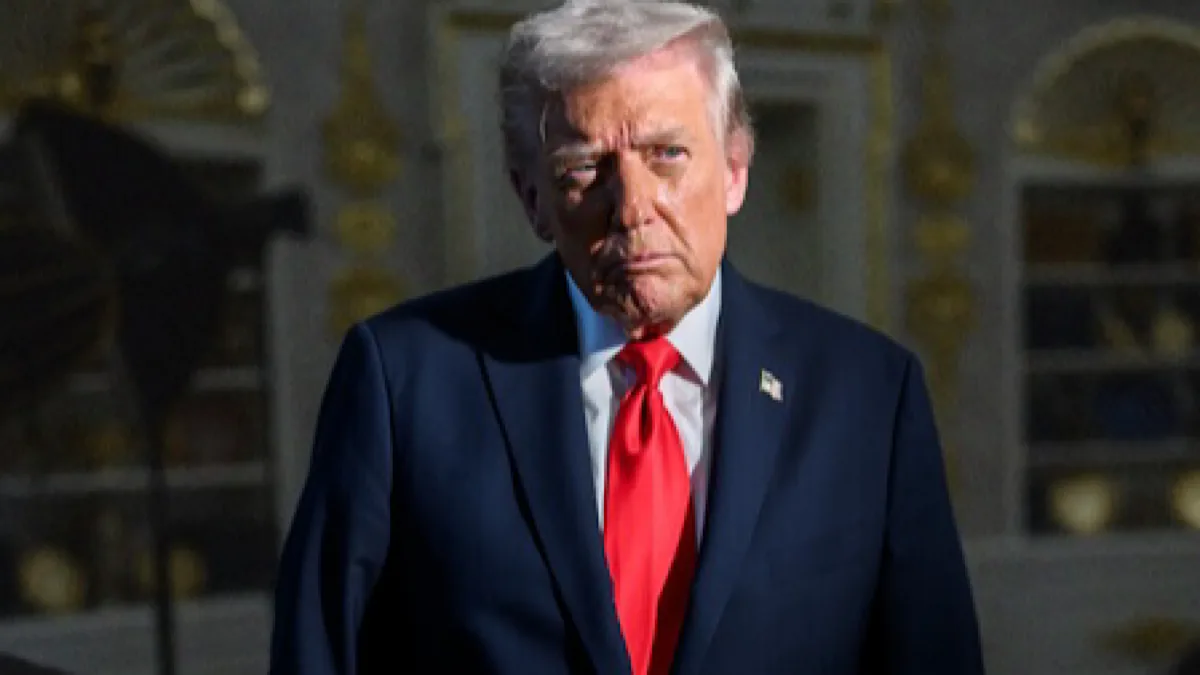
Trump signals quick outcome from Iran talks, warns US could act militarily, while tensions over the vital oil route keep global markets and diplomacy on edge.

Tehran insists its officials are home and working, Lebanon remains a non-negotiable precondition for any dialogue, and Pakistan's elaborate preparations may be for talks that never come.

Trump raises fresh concerns over oil movement in the Strait of Hormuz, warning Iran against possible tanker charges as uncertainty grows around the ceasefire and global energy routes.