Strategic Distance
The renewed war between the United States and Iran has again placed American and Israeli military interests on apparently common ground.
The renewed war between the United States and Iran has again placed American and Israeli military interests on apparently common ground.
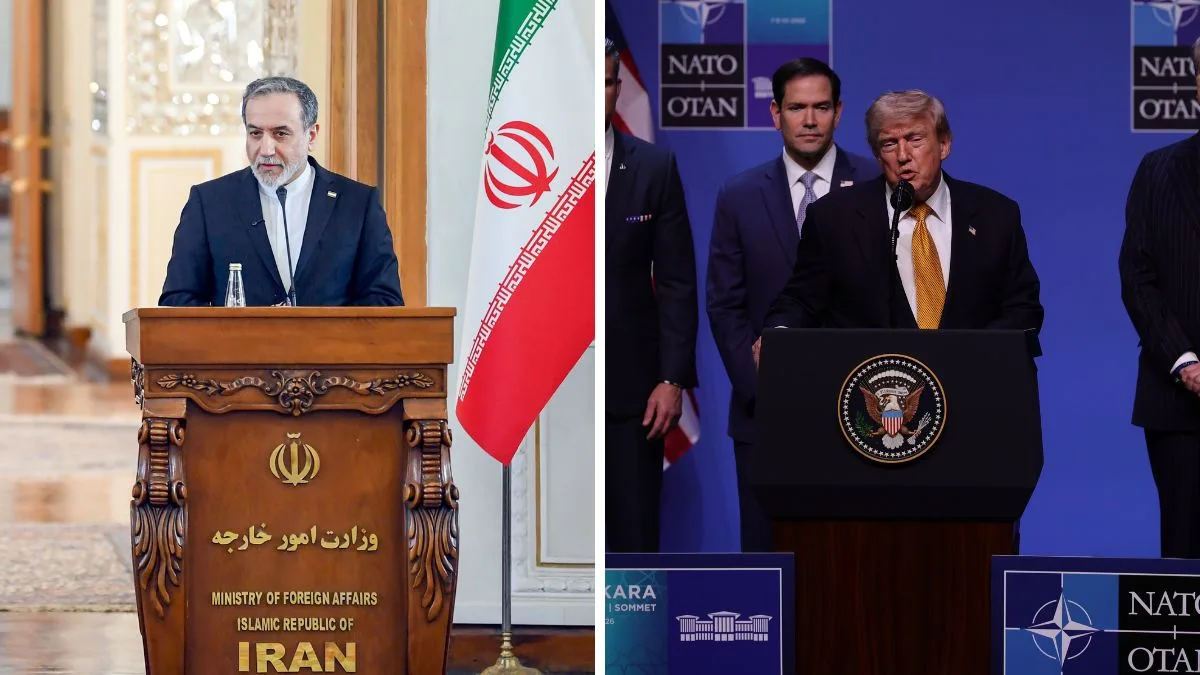
Fresh statements from Tehran and Washington point to deepening confrontation, with both sides hardening their public positions even as the US says it remains open to diplomacy.
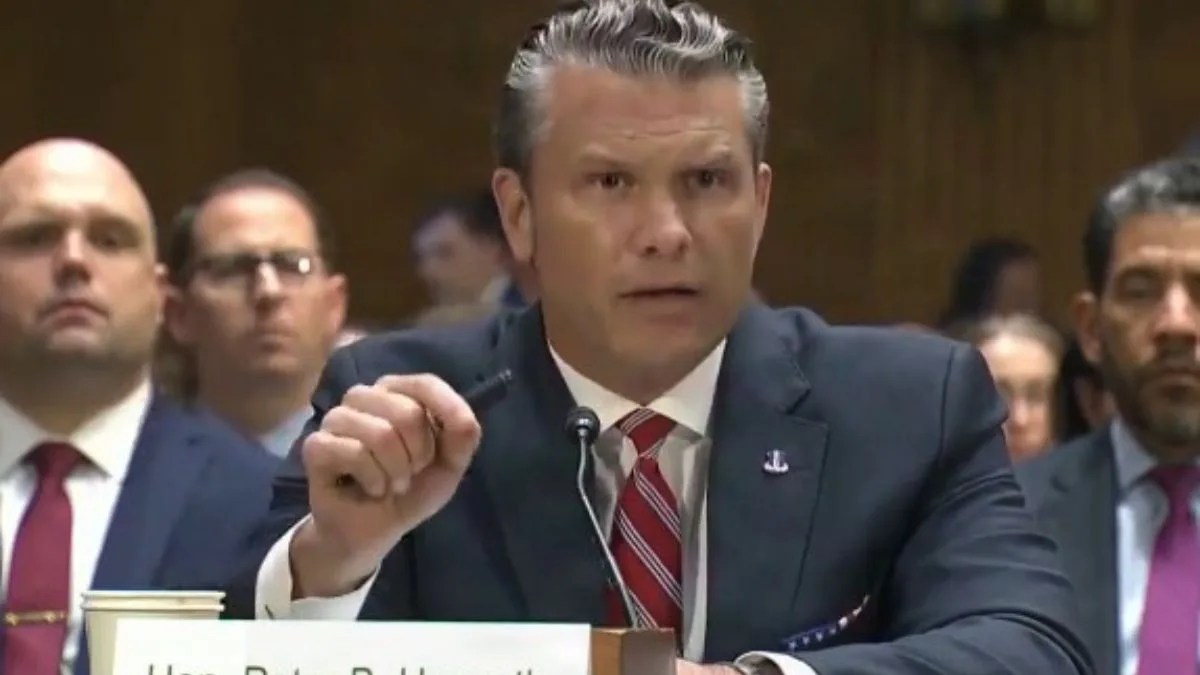
The Pentagon told lawmakers the conflict has already cost $37.5 billion and warned of readiness shortfalls without additional funding, while also alleging Russia and China are enabling Iran's military operations.
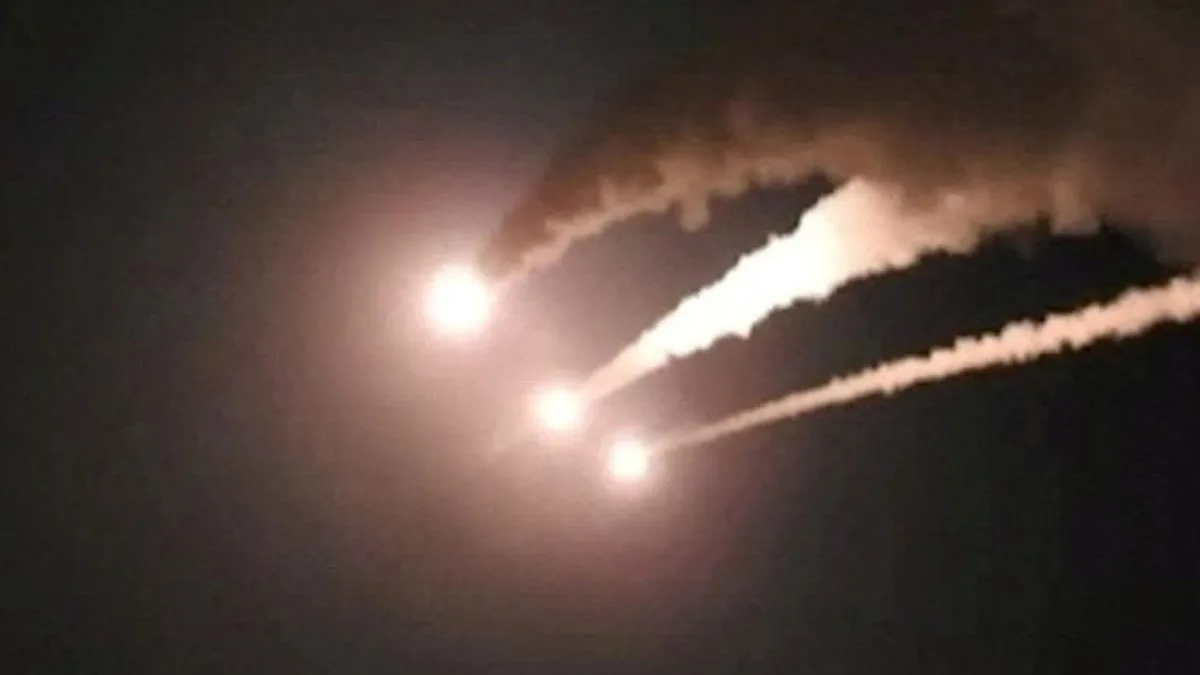
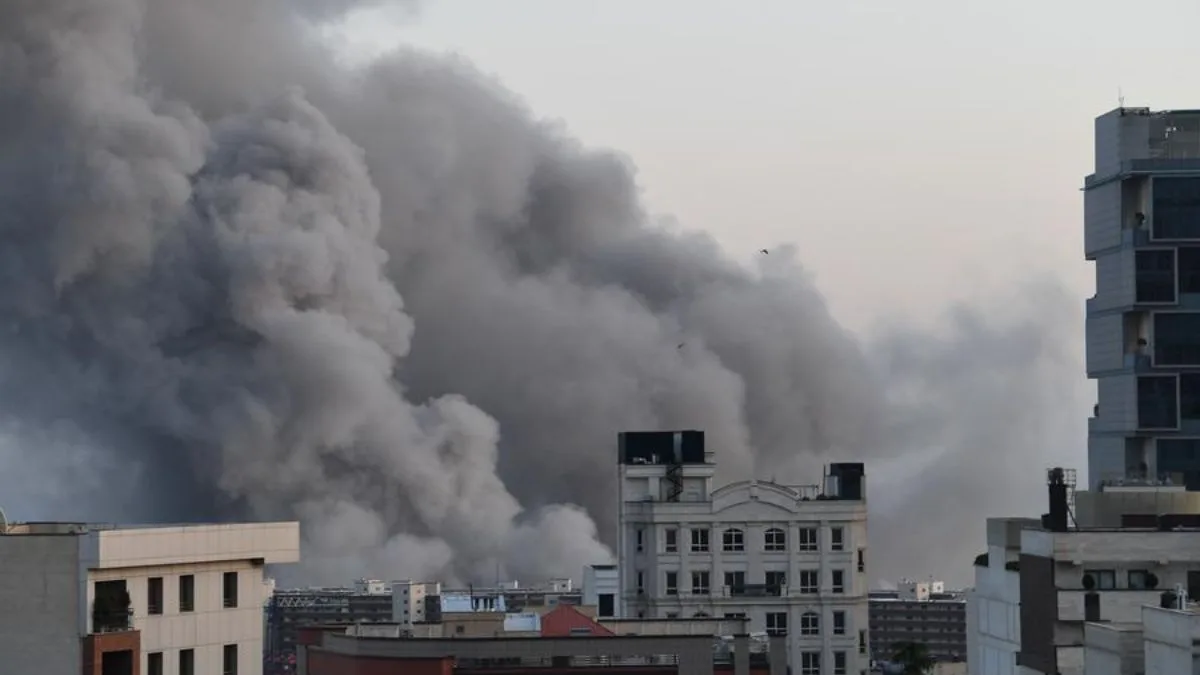
Explosions were reported across southern and central Iran after the US announced a new military offensive, while Kuwait activated air defences and regional tensions continued to spread.

Iran's Revolutionary Guard claimed it received intelligence from individuals in Jordan to strike US military targets, as Washington continued air strikes and regional tensions spread across the Gulf.
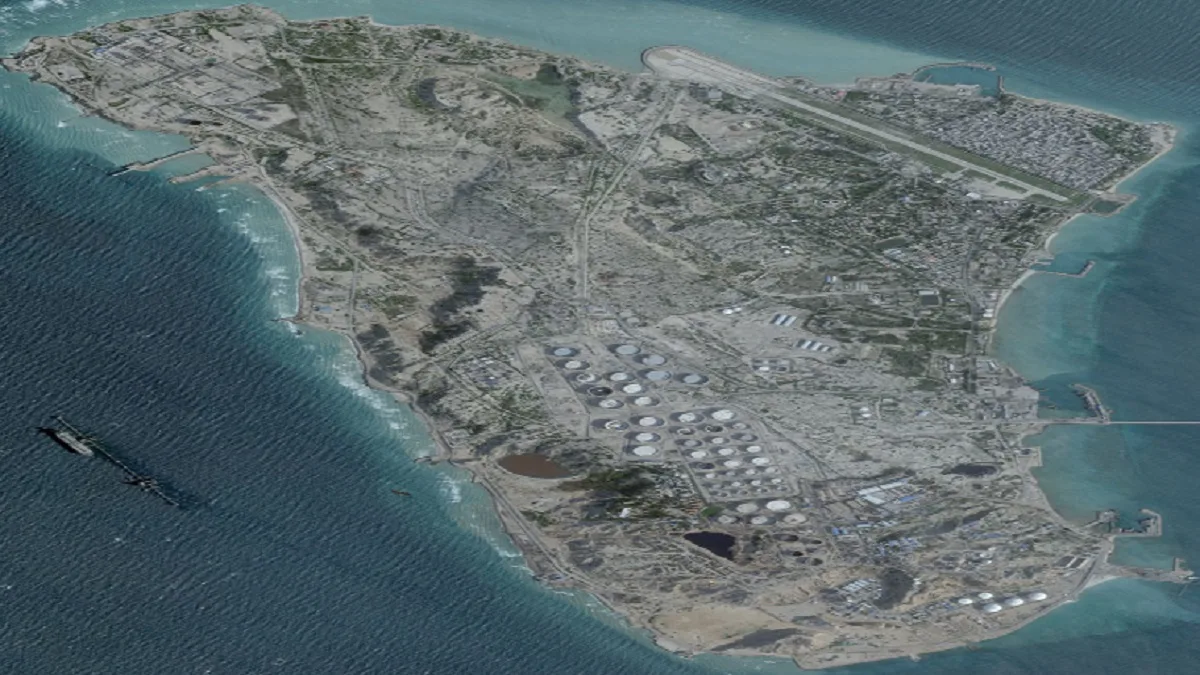
Strategically, a strike on Kharg Island would simply harden the emerging fault lines of the international system and push back chances of peace.
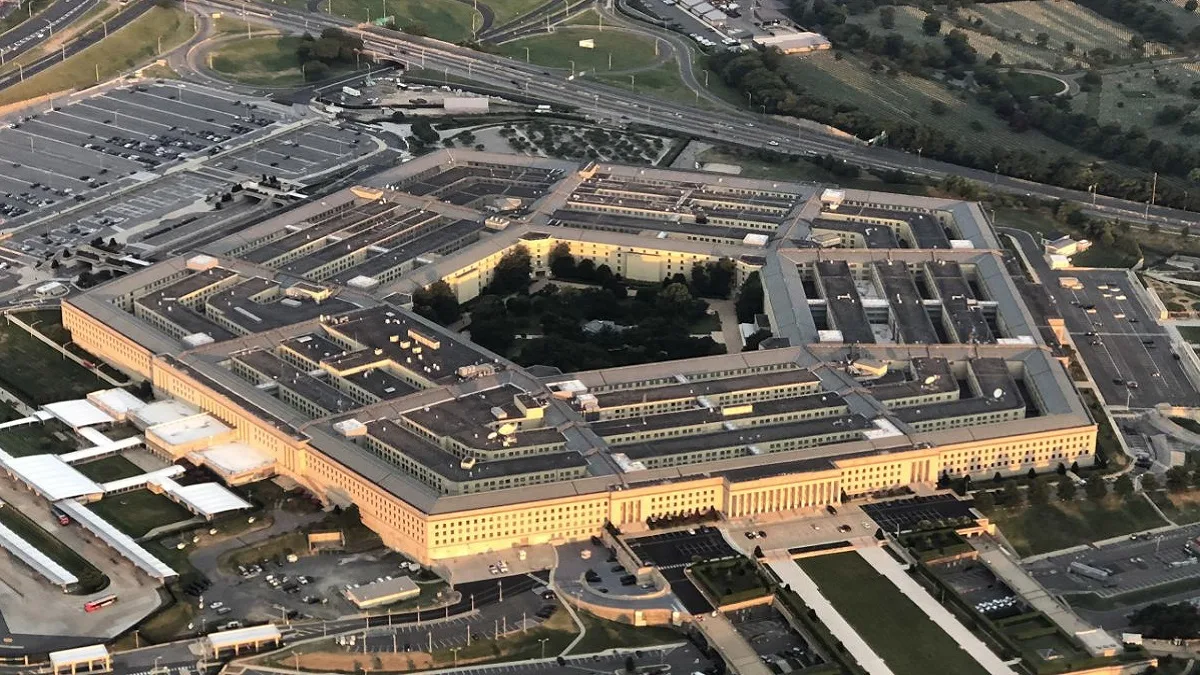
Washington is reviewing military options short of invasion, including coastal raids in Iran, as regional tensions intensify with missile strikes and threats expanding across West Asia.

Trump signals interest in Iran’s oil assets, naming Kharg Island as a possible target, while also claiming negotiations with Tehran are moving forward despite military escalation.
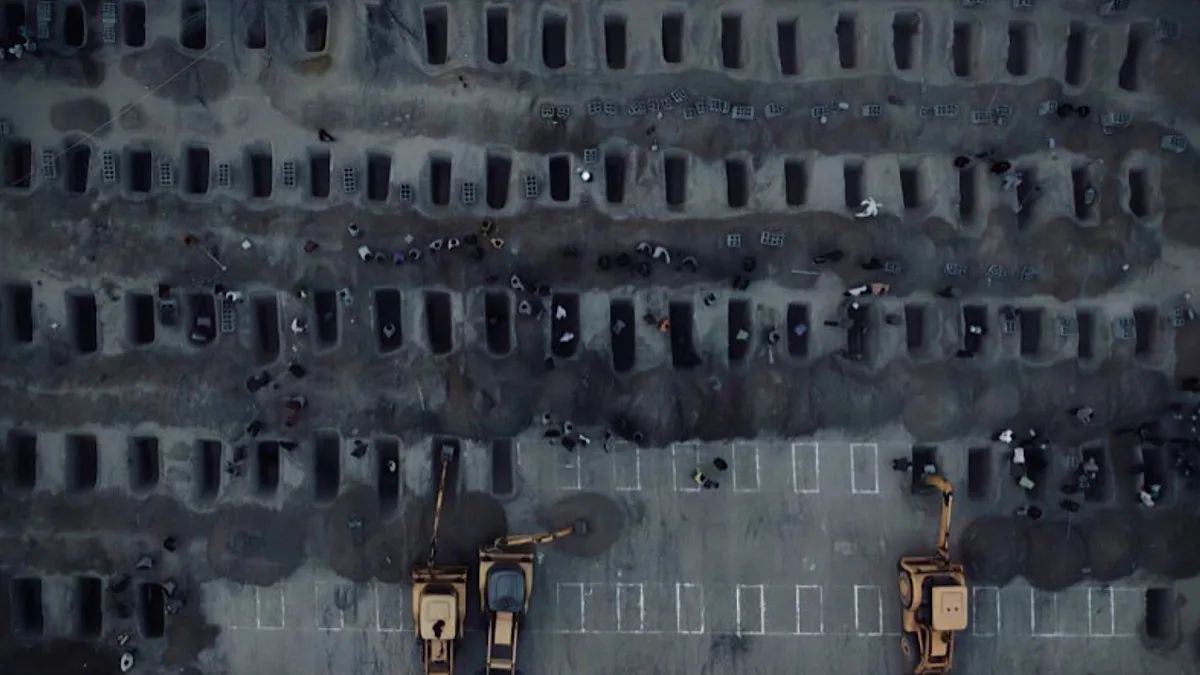
So begins Erich Maria Remarque’s All Quiet on the Western Front, a haunting chronicle of young men extinguished before their time. Through the trenches of history, the young have always been collateral in wars they neither started nor understood.
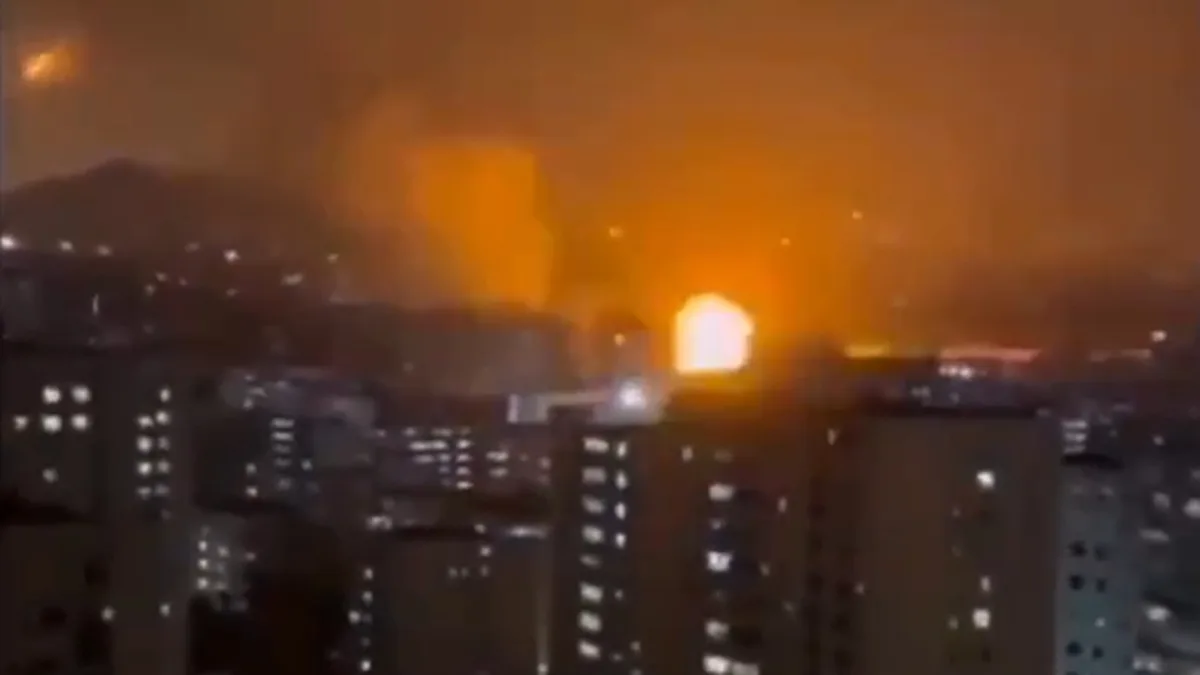
Iran's Ministry of Foreign Affairs spokesperson Esmaeil Baqaei rejected claims that the attacks were linked to nuclear concerns, describing them instead as a cover for wider aggression.