Strategic Distance
The renewed war between the United States and Iran has again placed American and Israeli military interests on apparently common ground.
The renewed war between the United States and Iran has again placed American and Israeli military interests on apparently common ground.
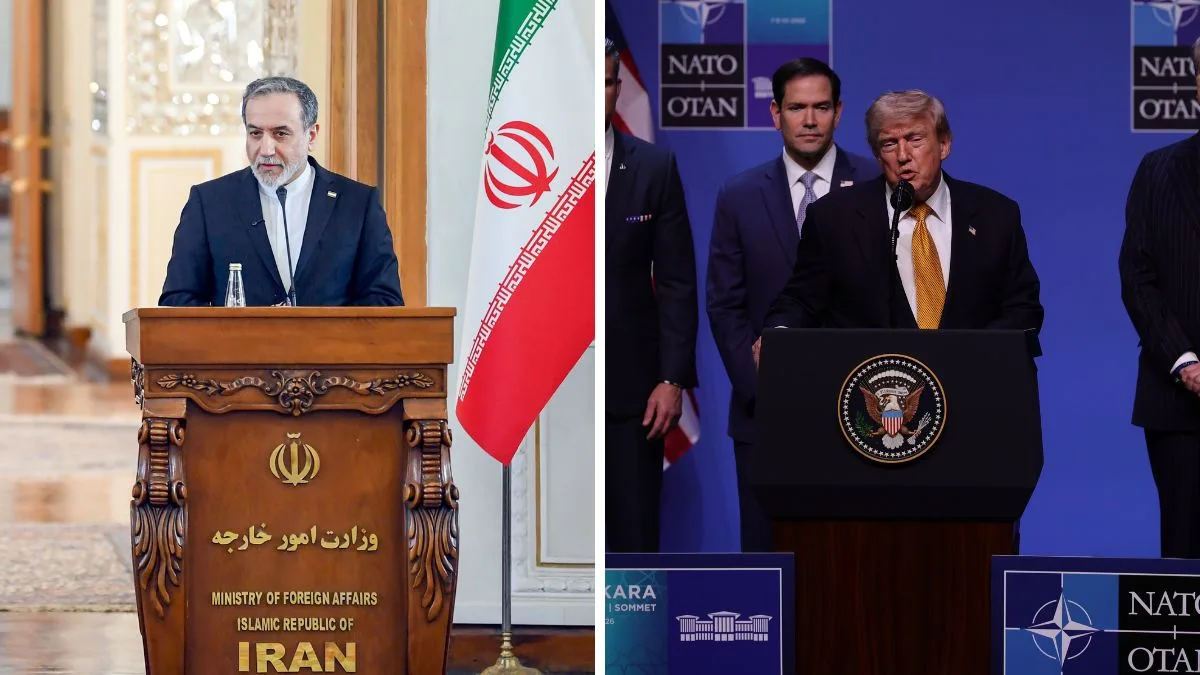
Fresh statements from Tehran and Washington point to deepening confrontation, with both sides hardening their public positions even as the US says it remains open to diplomacy.
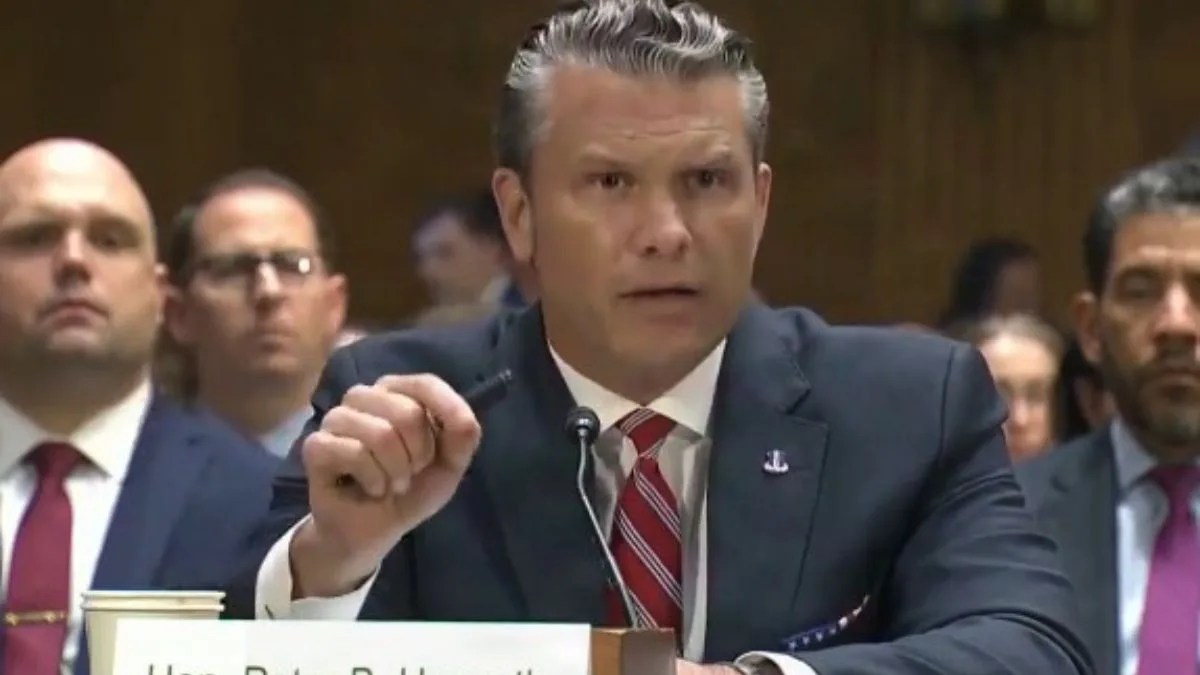
The Pentagon told lawmakers the conflict has already cost $37.5 billion and warned of readiness shortfalls without additional funding, while also alleging Russia and China are enabling Iran's military operations.
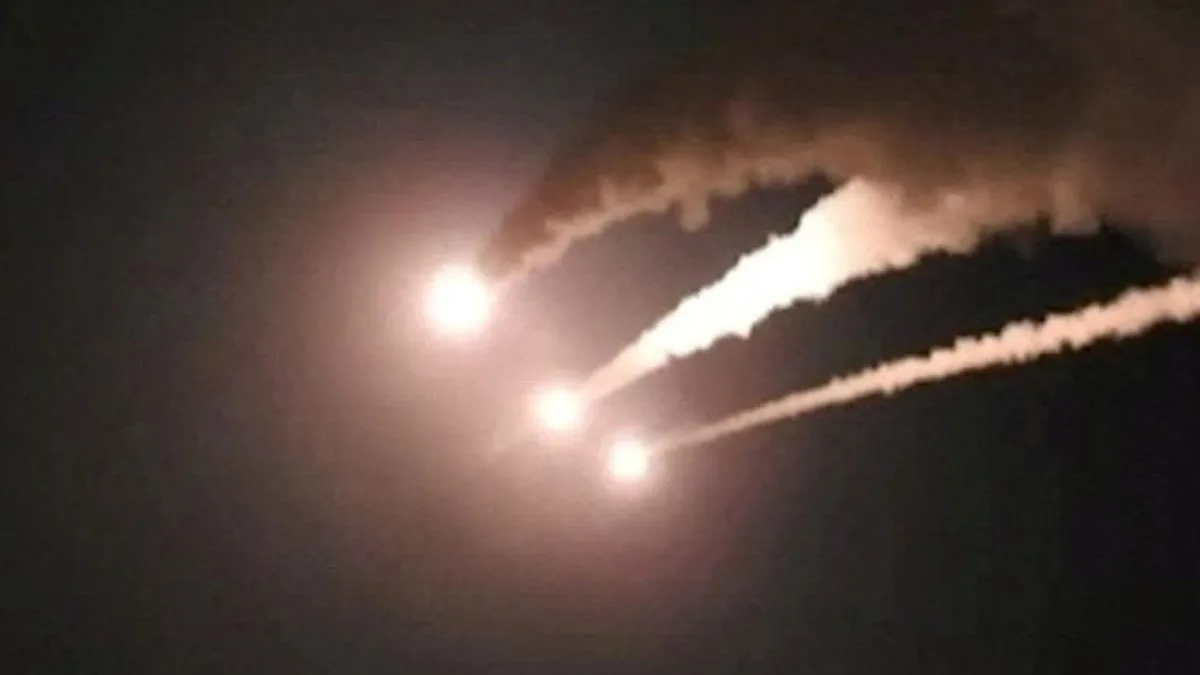
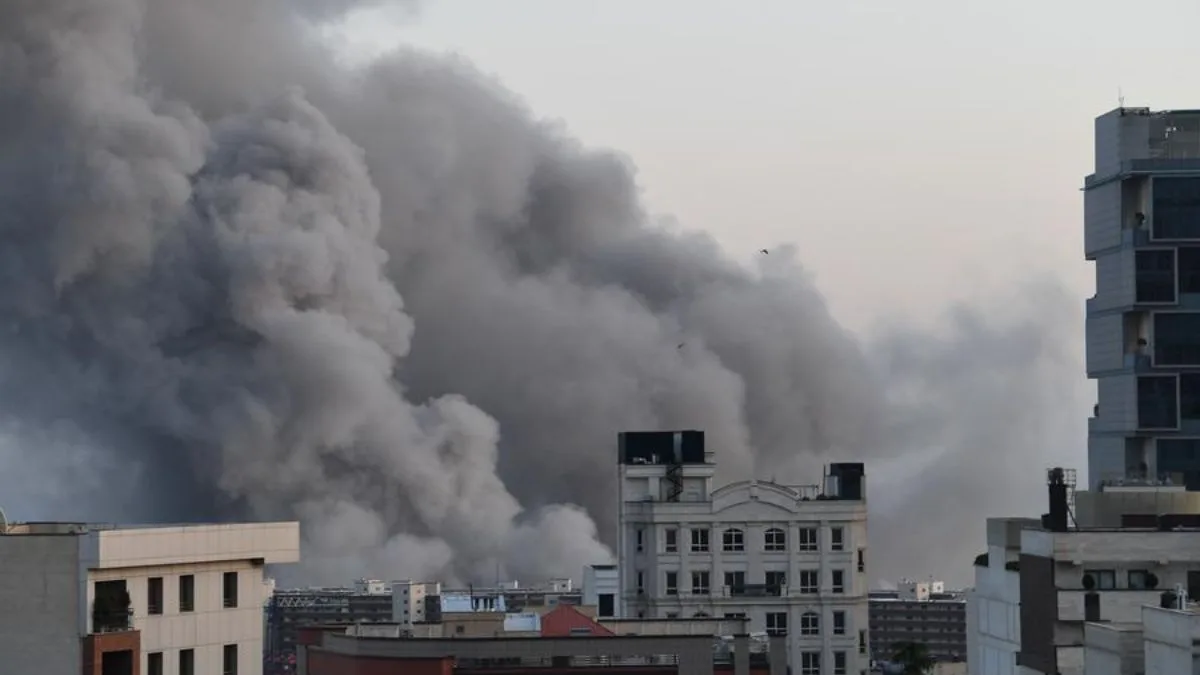
Explosions were reported across southern and central Iran after the US announced a new military offensive, while Kuwait activated air defences and regional tensions continued to spread.

Iran's Revolutionary Guard claimed it received intelligence from individuals in Jordan to strike US military targets, as Washington continued air strikes and regional tensions spread across the Gulf.

New reports suggest Pakistan acted as a conduit for US-Iran talks, with questions emerging over its neutrality and upcoming direct negotiations in Islamabad.

Fresh tensions surround the Iran ceasefire as the US signals military readiness and rejects claims about Lebanon’s inclusion in the deal.

Fresh tensions over the Strait of Hormuz cast doubt on ceasefire stability as Washington prepares for crucial diplomatic talks with Tehran in Islamabad.

Israel signals dual approach as it continues Lebanon operations while supporting US-led Iran ceasefire talks aimed at curbing nuclear and missile threats.

Backchannel diplomacy, nuclear red lines and fresh warnings dominate developments as global powers scramble to hold a fragile ceasefire together ahead of critical talks.