Strategic Distance
The renewed war between the United States and Iran has again placed American and Israeli military interests on apparently common ground.
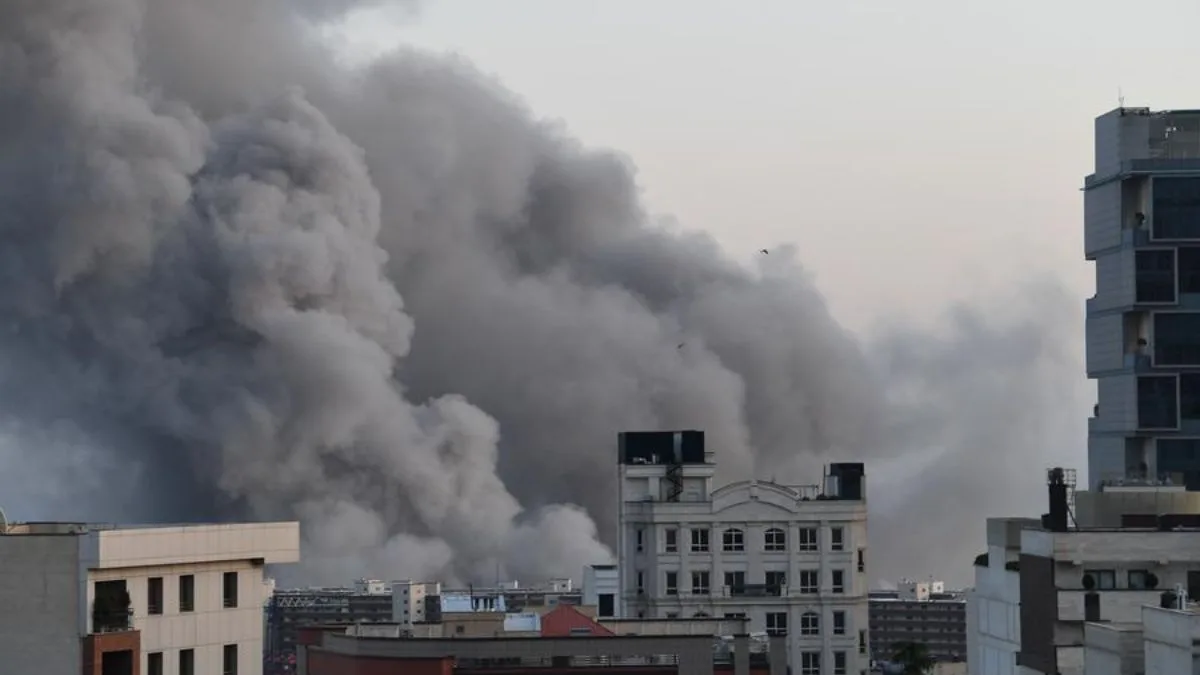
The renewed war between the United States and Iran has again placed American and Israeli military interests on apparently common ground.
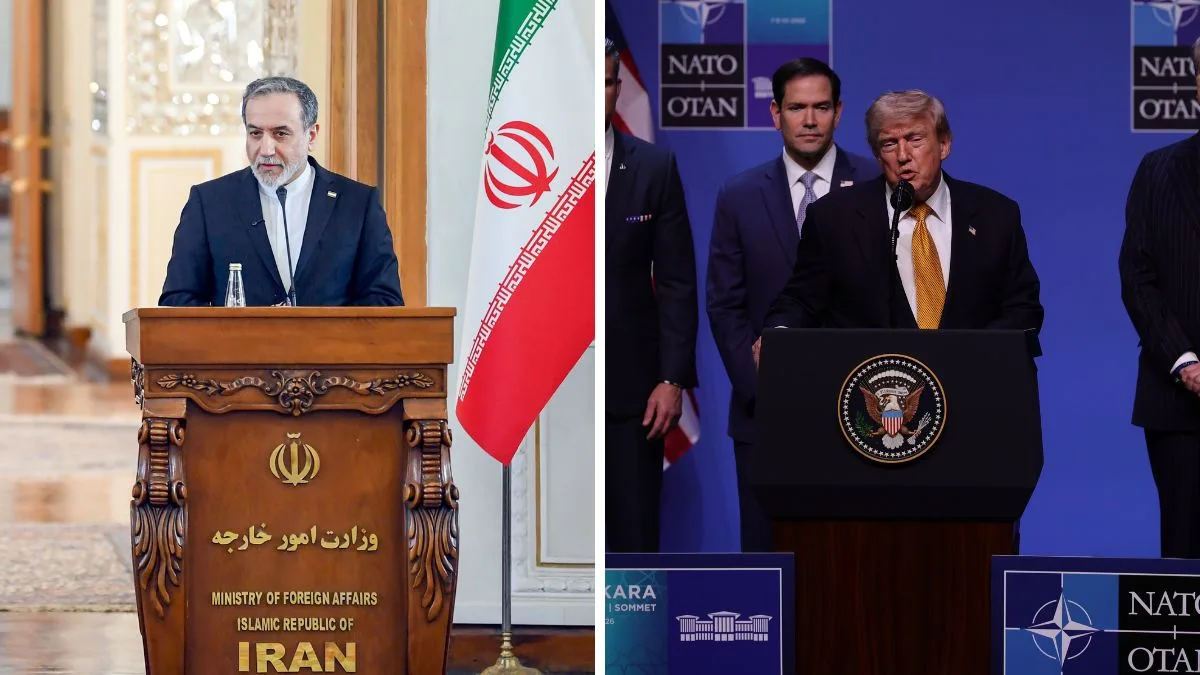
Fresh statements from Tehran and Washington point to deepening confrontation, with both sides hardening their public positions even as the US says it remains open to diplomacy.
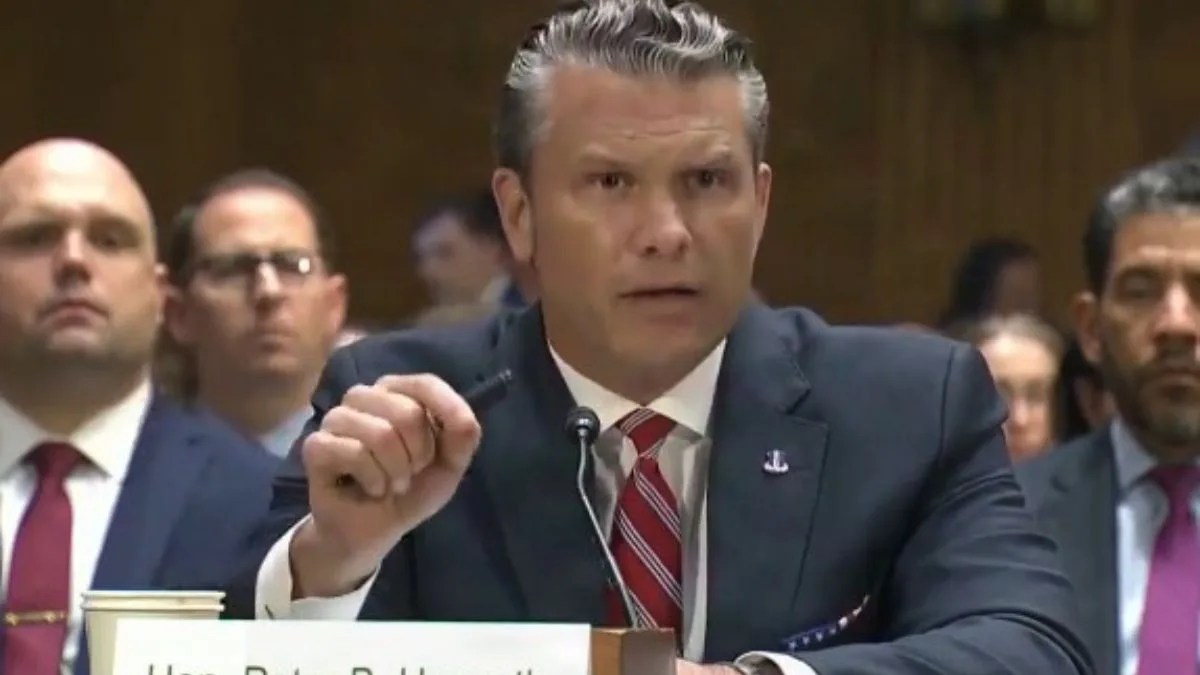
The Pentagon told lawmakers the conflict has already cost $37.5 billion and warned of readiness shortfalls without additional funding, while also alleging Russia and China are enabling Iran's military operations.
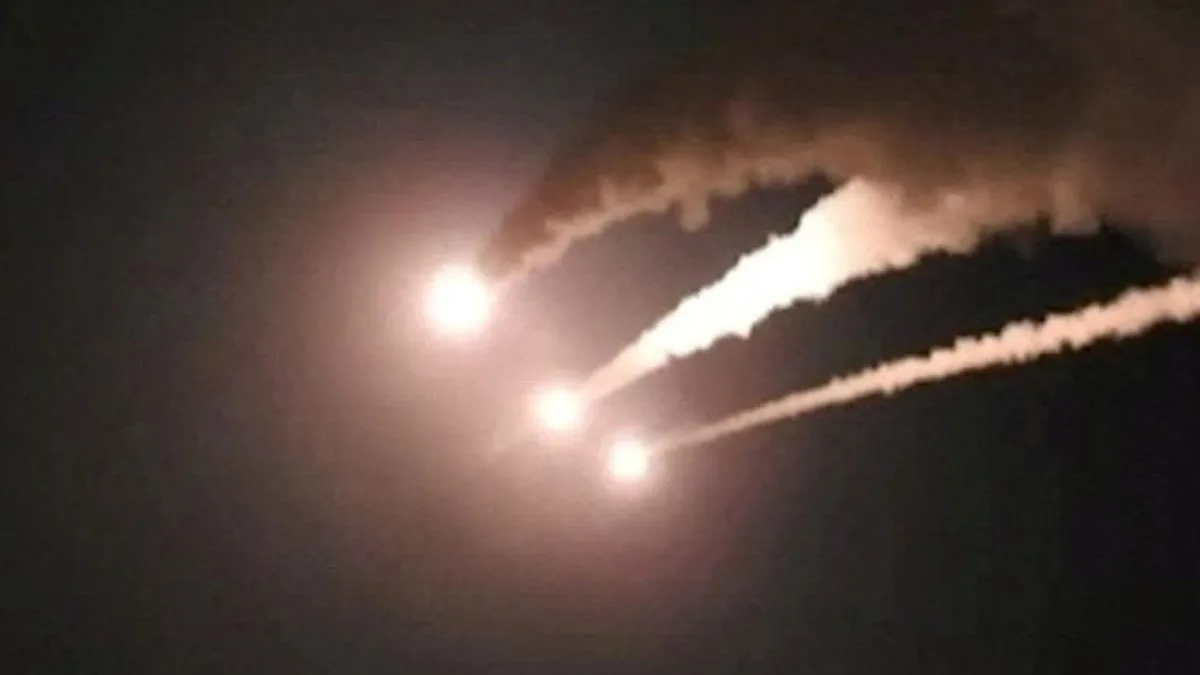
Explosions were reported across southern and central Iran after the US announced a new military offensive, while Kuwait activated air defences and regional tensions continued to spread.

Iran's Revolutionary Guard claimed it received intelligence from individuals in Jordan to strike US military targets, as Washington continued air strikes and regional tensions spread across the Gulf.

Fresh security concerns emerged in the Gulf after Kuwait reported missile and drone interceptions, while negotiations between Washington and Tehran continued without a final breakthrough.

Negotiators from Washington and Tehran continue exchanging revisions to a proposed framework that could revive nuclear talks and ease sanctions, but key disagreements remain unresolved.

Washington’s latest attacks on Iranian targets near Bandar Abbas, coupled with Tehran’s retaliatory claims against American bases in the Gulf, demonstrate that both sides are still willing to use force even while publicly discussing a settlement.

Scott Bessent said Washington is working with European and Gulf allies to target Iranian financial networks, freeze assets and disrupt funding channels linked to Tehran.
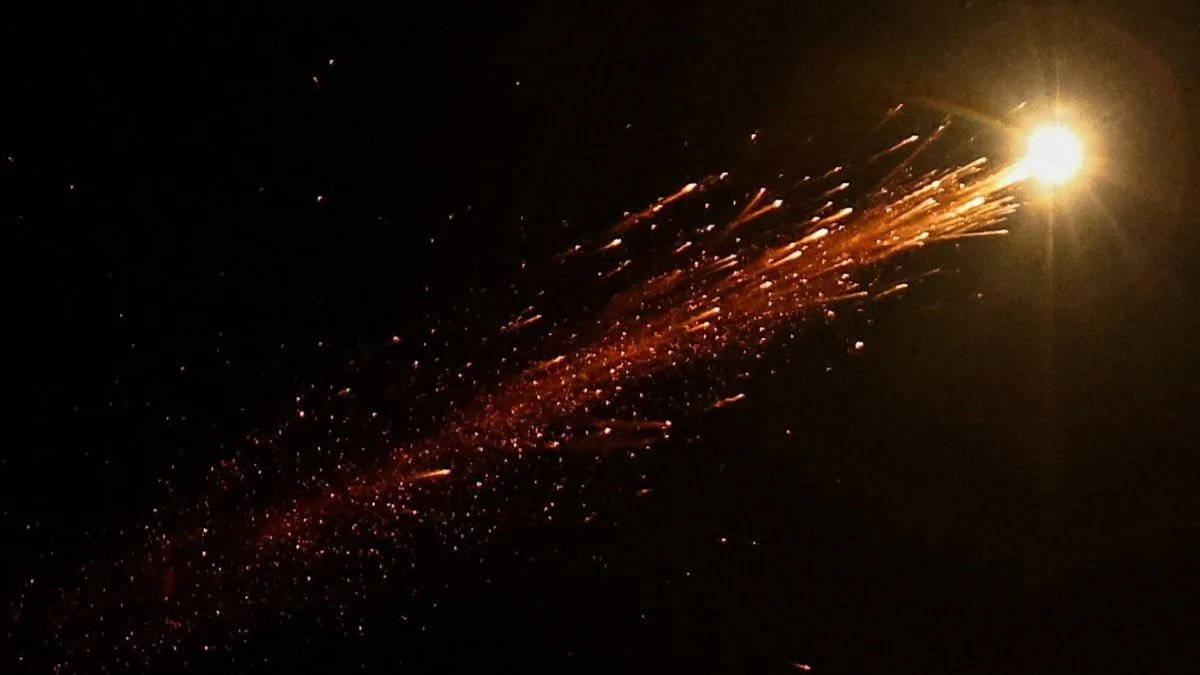
Fresh reports of military activity across southern Iran and the Gulf have surfaced after Tehran claimed its forces intercepted an American drone near Bushehr.
![‘Beginning of accountability’: Sonam Wangchuk reveals 3 written assurances from Centre before ending fast [VIDEO]](https://www.thestatesman.com/wp-content/uploads/2026/07/Sonam-Wangchuk-1-1.webp)