Strategic Distance
The renewed war between the United States and Iran has again placed American and Israeli military interests on apparently common ground.
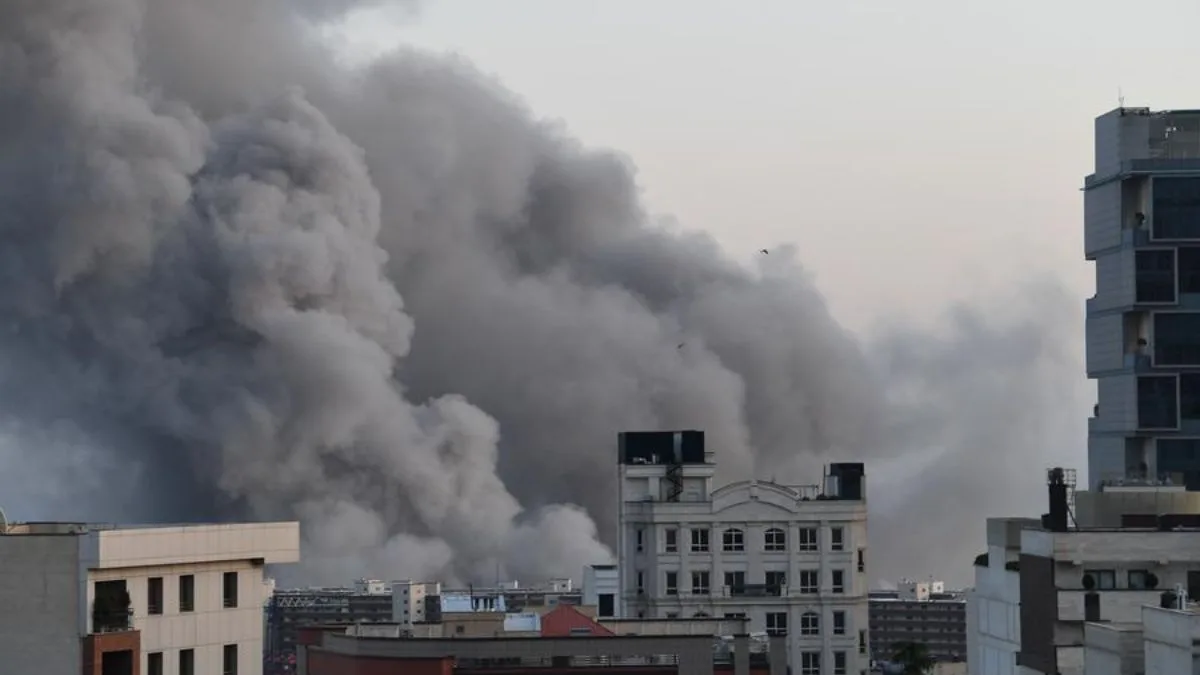
The renewed war between the United States and Iran has again placed American and Israeli military interests on apparently common ground.
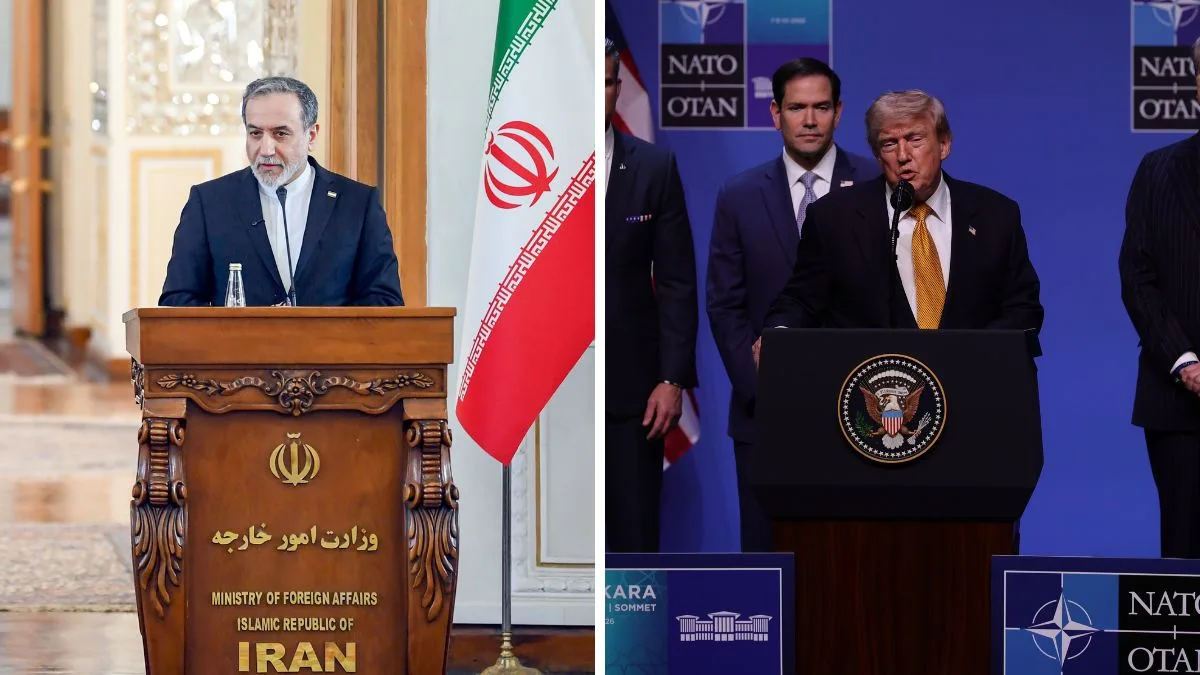
Fresh statements from Tehran and Washington point to deepening confrontation, with both sides hardening their public positions even as the US says it remains open to diplomacy.
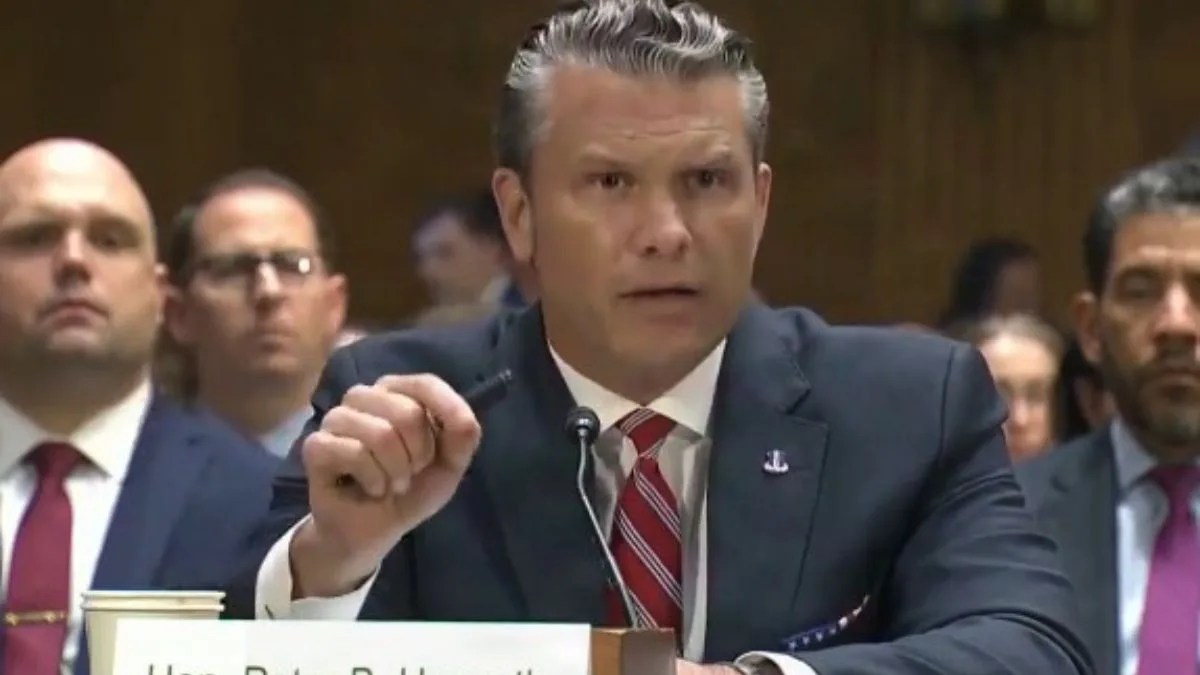
The Pentagon told lawmakers the conflict has already cost $37.5 billion and warned of readiness shortfalls without additional funding, while also alleging Russia and China are enabling Iran's military operations.
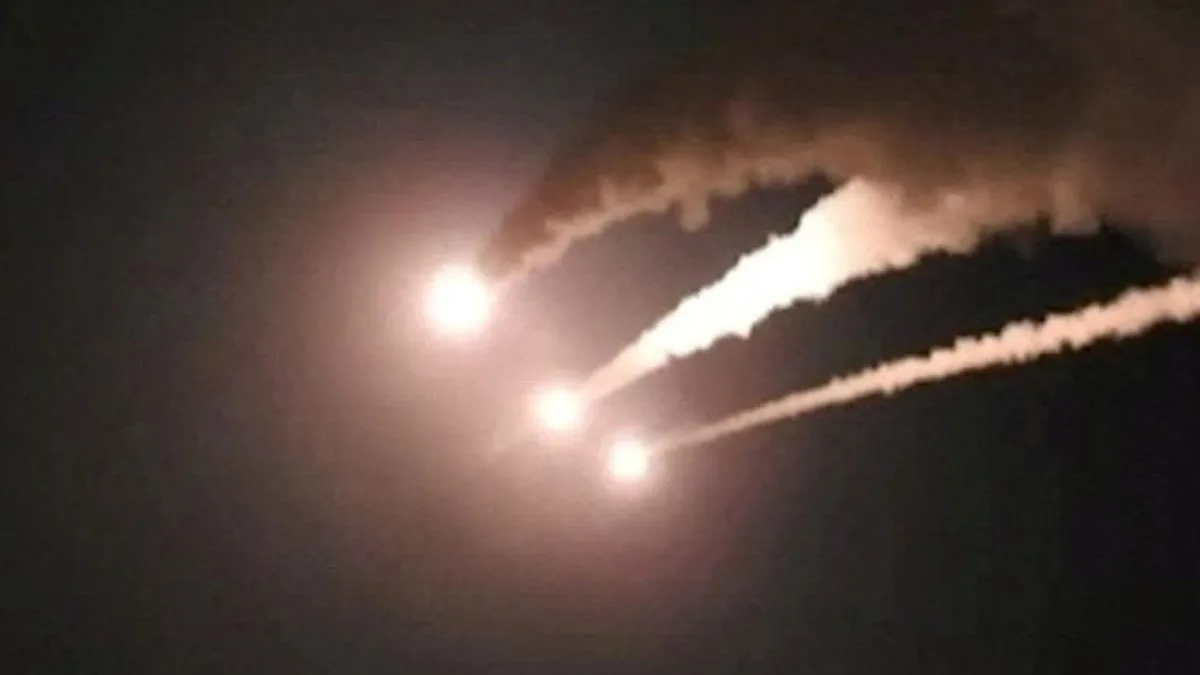
Explosions were reported across southern and central Iran after the US announced a new military offensive, while Kuwait activated air defences and regional tensions continued to spread.

Iran's Revolutionary Guard claimed it received intelligence from individuals in Jordan to strike US military targets, as Washington continued air strikes and regional tensions spread across the Gulf.

Iran’s Supreme Leader Mojtaba Khamenei sharpened his attack on the US military presence in West Asia while Washington continued diplomatic talks with Tehran over a possible agreement.

Ahead of the Quad meeting in Delhi, Marco Rubio backed unrestricted passage through the Strait of Hormuz while signalling cautious optimism over ongoing US-Iran negotiations.
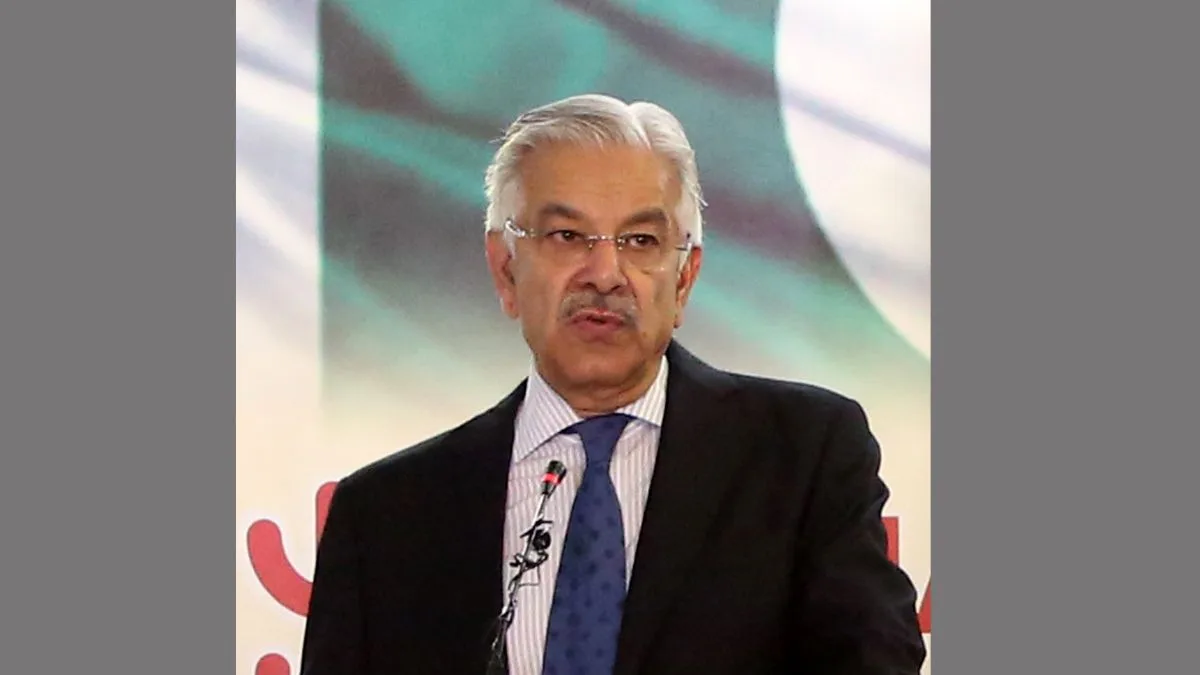
Pakistan has ruled out joining the Abraham Accords despite Donald Trump’s call for wider regional participation linked to a possible Iran-US agreement.
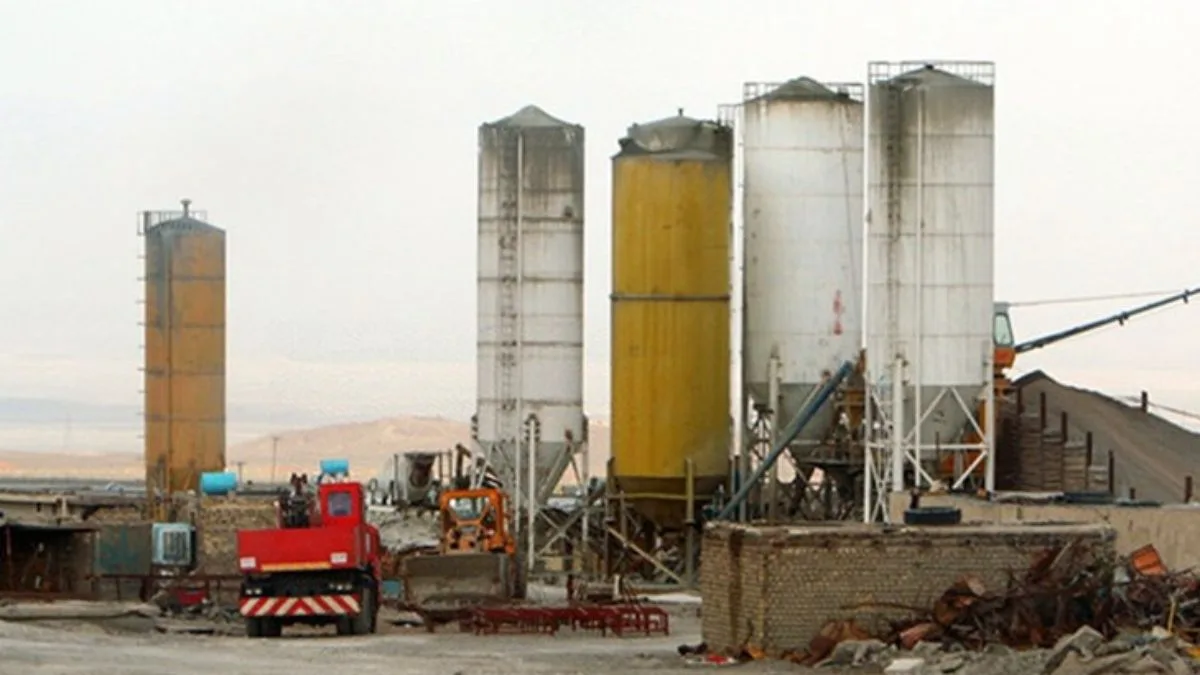
Tehran has rejected claims that it agreed to transfer enriched uranium abroad, even as Donald Trump signalled progress in ongoing US-Iran ceasefire negotiations.
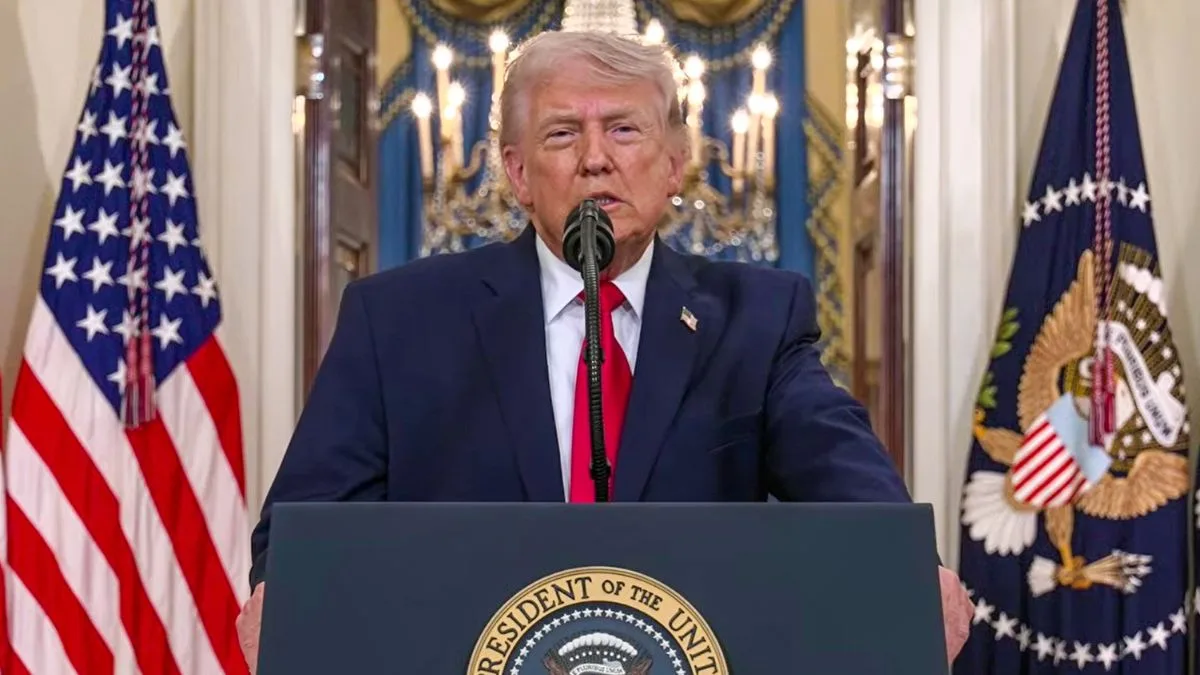
US President Donald Trump on Monday said negotiations with Iran were “proceeding nicely” but warned that any agreement would be a “Great Deal for all or, no Deal at all,” while pressing several Middle Eastern and regional powers to join the Abraham Accords as part of a broader settlement.
![‘Beginning of accountability’: Sonam Wangchuk reveals 3 written assurances from Centre before ending fast [VIDEO]](https://www.thestatesman.com/wp-content/uploads/2026/07/Sonam-Wangchuk-1-1.webp)