Strategic Distance
The renewed war between the United States and Iran has again placed American and Israeli military interests on apparently common ground.
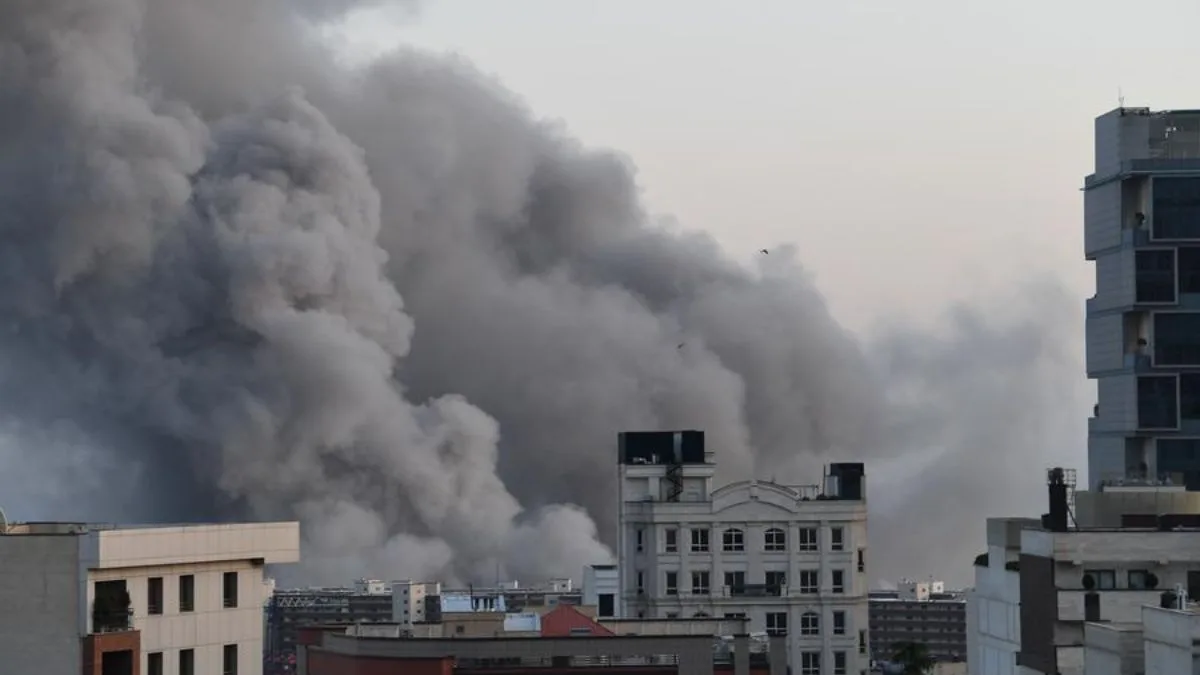
The renewed war between the United States and Iran has again placed American and Israeli military interests on apparently common ground.
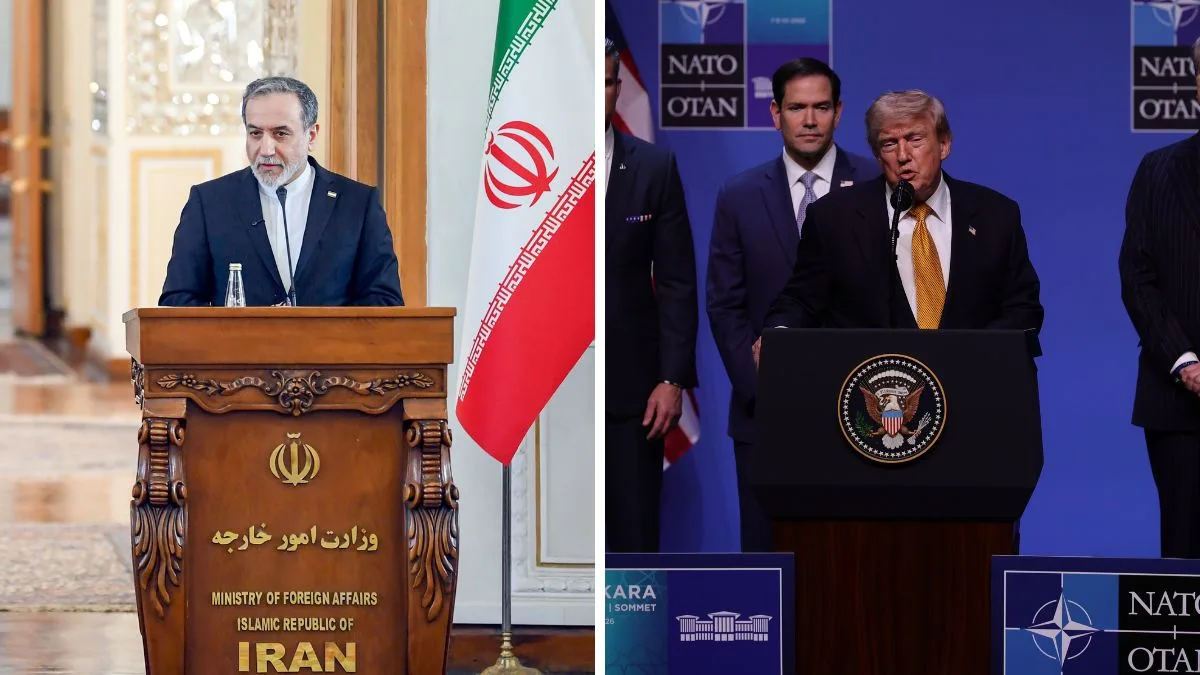
Fresh statements from Tehran and Washington point to deepening confrontation, with both sides hardening their public positions even as the US says it remains open to diplomacy.
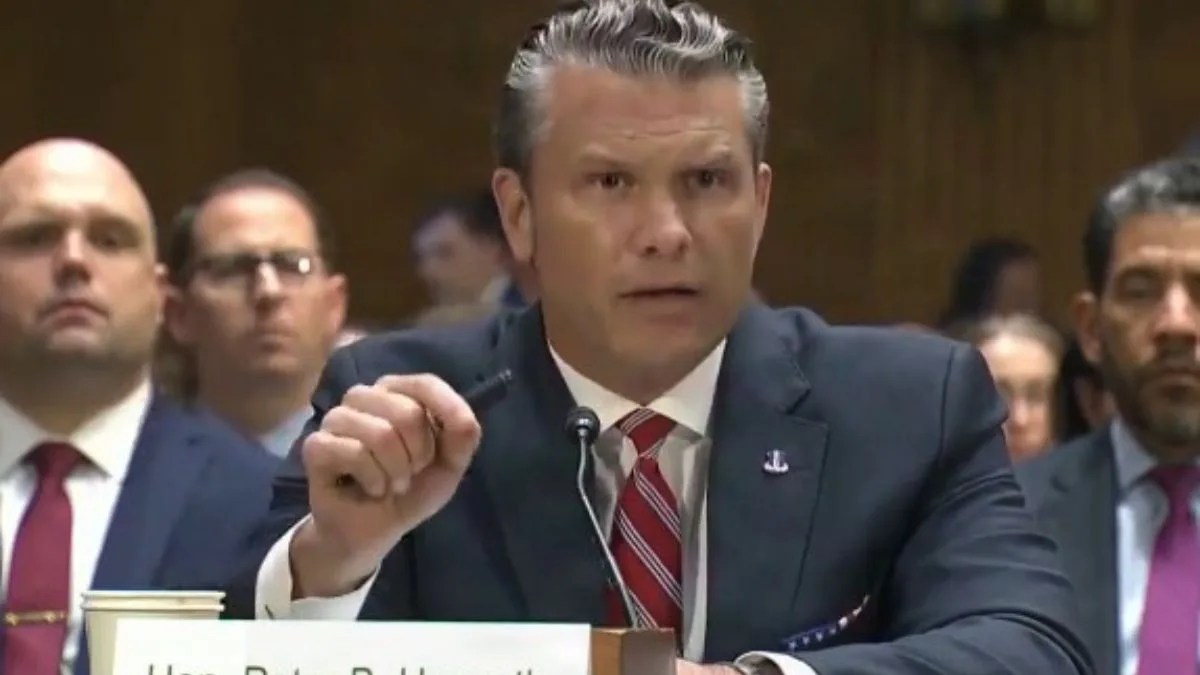
The Pentagon told lawmakers the conflict has already cost $37.5 billion and warned of readiness shortfalls without additional funding, while also alleging Russia and China are enabling Iran's military operations.
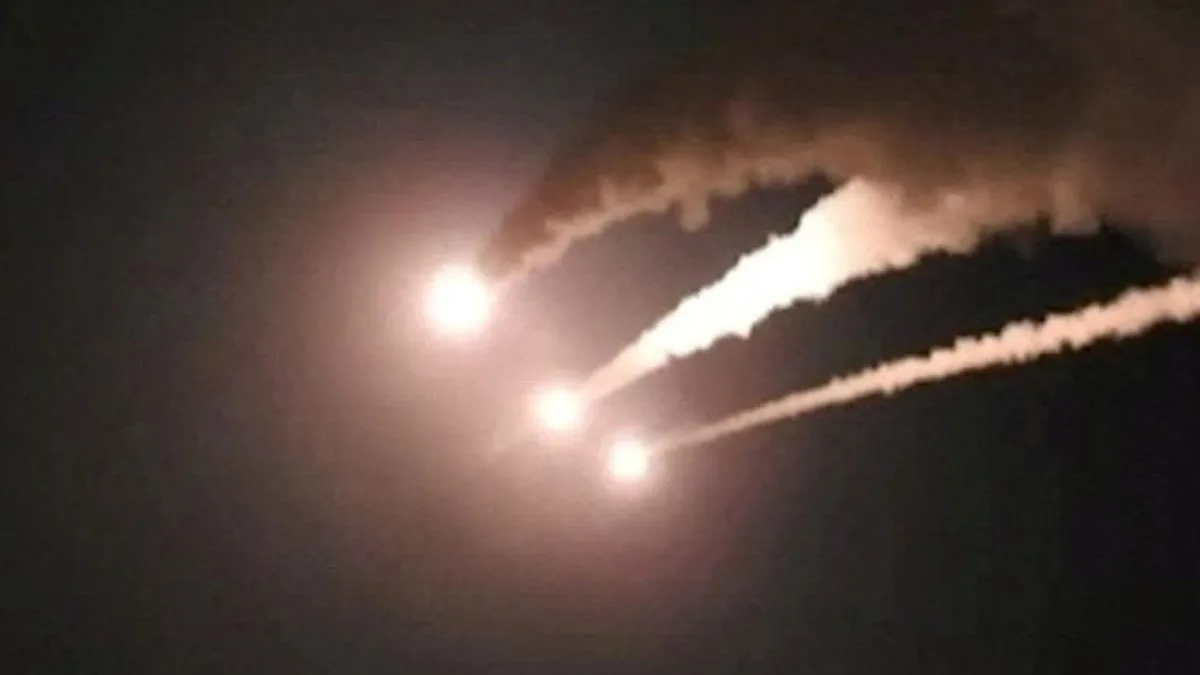
Explosions were reported across southern and central Iran after the US announced a new military offensive, while Kuwait activated air defences and regional tensions continued to spread.

Iran's Revolutionary Guard claimed it received intelligence from individuals in Jordan to strike US military targets, as Washington continued air strikes and regional tensions spread across the Gulf.

A congressional hearing in Washington turned attention to reports involving Iran and Pakistan, with Secretary of State Marco Rubio firmly distancing the administration from the claims.

The closely contested vote exposed divisions within the Republican Party while renewing debate over Congress' authority to approve extended military operations overseas.
Rubio told lawmakers that Washington has not seen Chinese military involvement in the Iran crisis while warning about Beijing's expanding economic and political influence across Latin America.
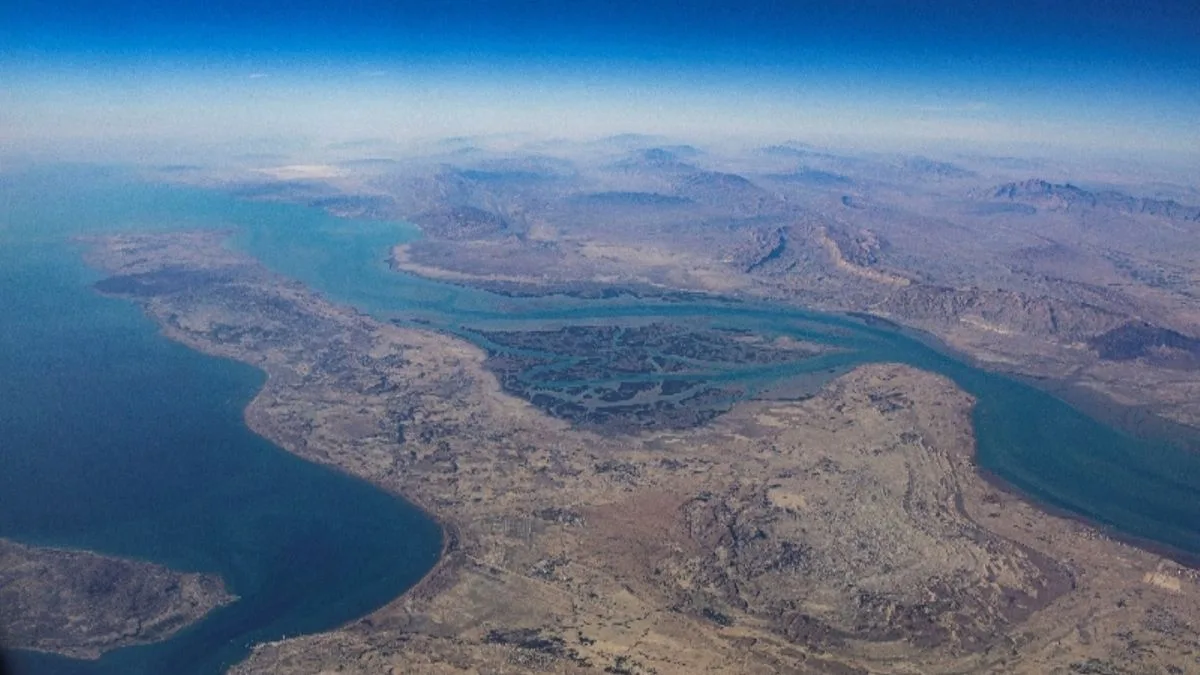
Emergency alerts echoed across the Gulf as Kuwait and Bahrain responded to missile and drone threats, while the US and Iran traded sharply differing accounts of the escalating confrontation.

An explosion aboard the Panama-flagged MSC Sariska V has triggered competing narratives, with Iran claiming a retaliatory strike and Iraqi reports pointing towards a possible technical failure.
![‘Beginning of accountability’: Sonam Wangchuk reveals 3 written assurances from Centre before ending fast [VIDEO]](https://www.thestatesman.com/wp-content/uploads/2026/07/Sonam-Wangchuk-1-1.webp)