Strategic Distance
The renewed war between the United States and Iran has again placed American and Israeli military interests on apparently common ground.
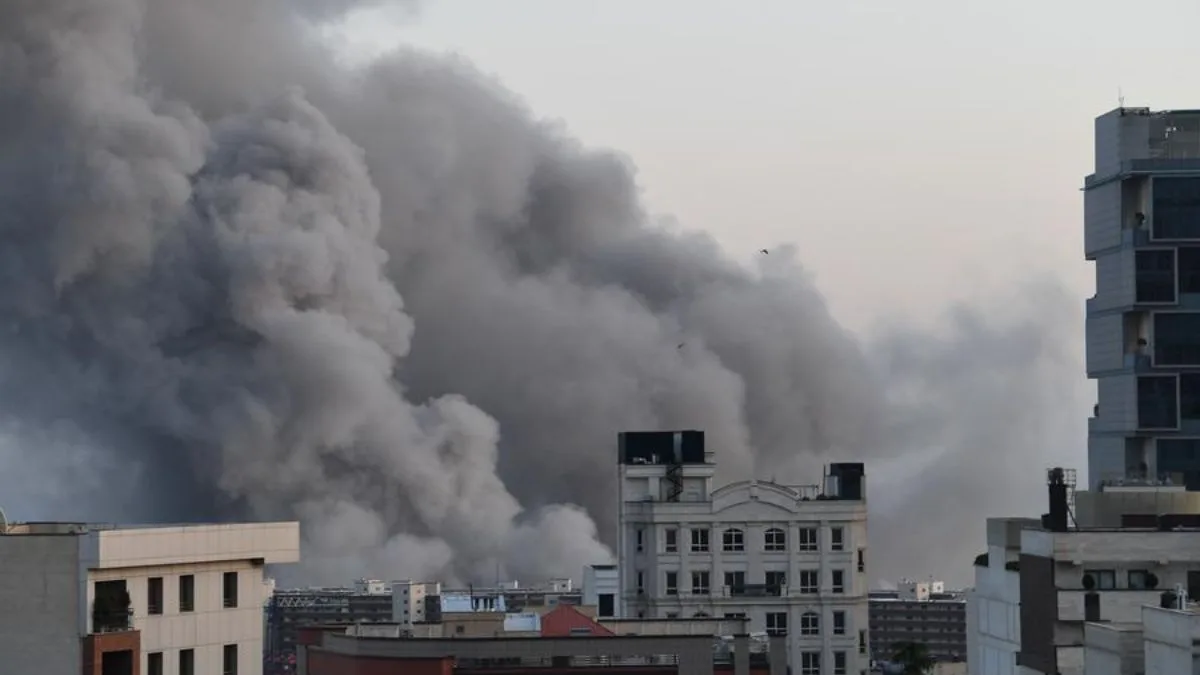
The renewed war between the United States and Iran has again placed American and Israeli military interests on apparently common ground.
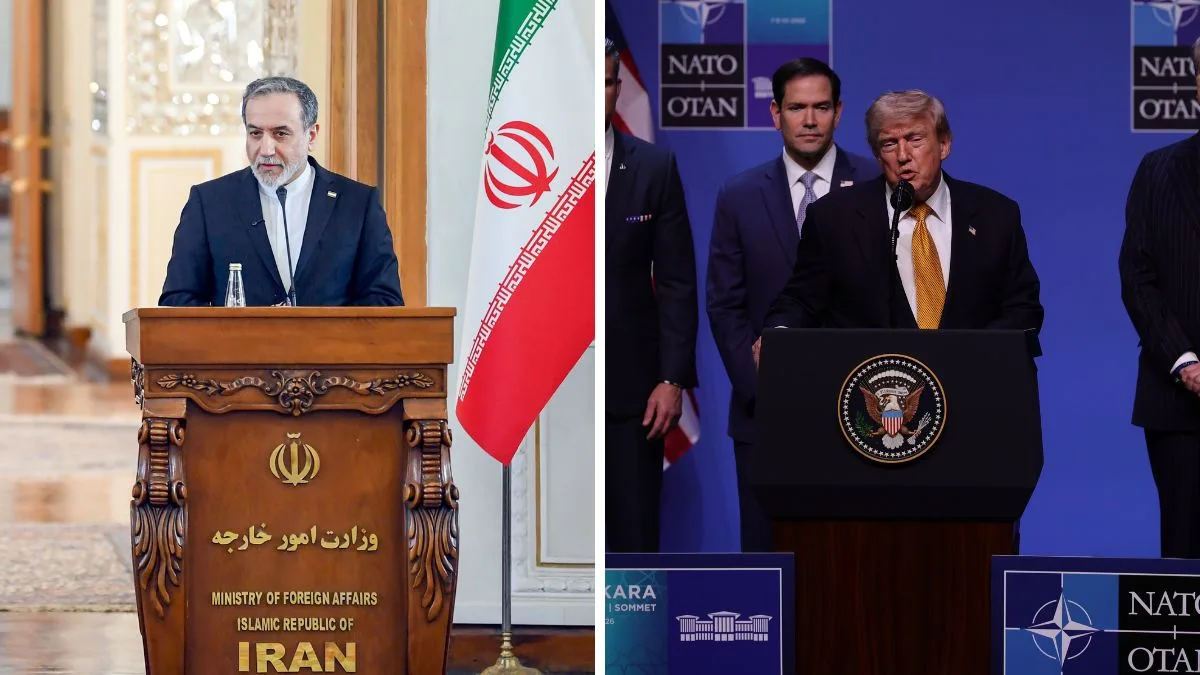
Fresh statements from Tehran and Washington point to deepening confrontation, with both sides hardening their public positions even as the US says it remains open to diplomacy.
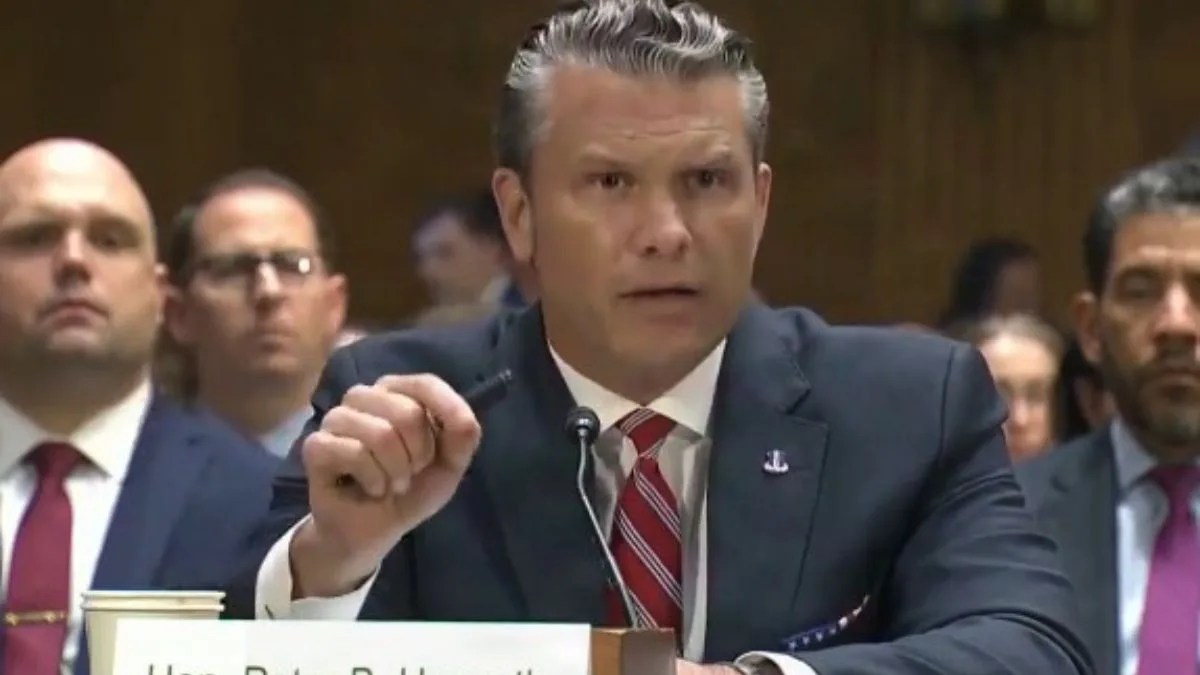
The Pentagon told lawmakers the conflict has already cost $37.5 billion and warned of readiness shortfalls without additional funding, while also alleging Russia and China are enabling Iran's military operations.
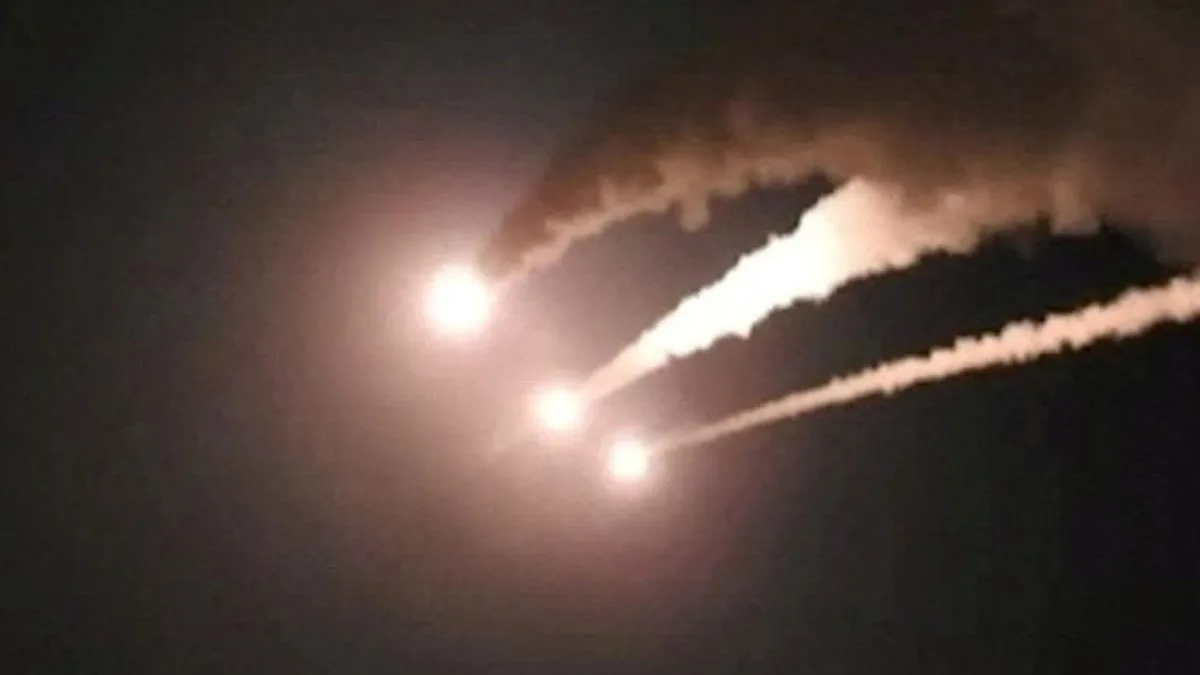
Explosions were reported across southern and central Iran after the US announced a new military offensive, while Kuwait activated air defences and regional tensions continued to spread.

Iran's Revolutionary Guard claimed it received intelligence from individuals in Jordan to strike US military targets, as Washington continued air strikes and regional tensions spread across the Gulf.
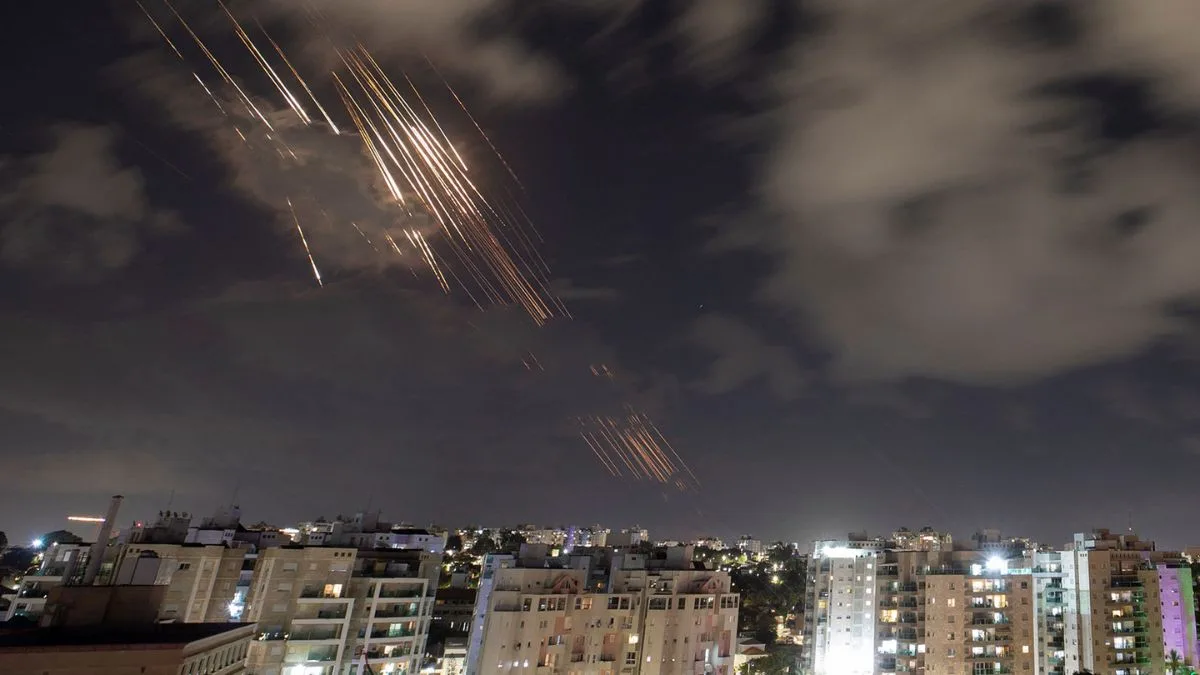
Explosions reported across multiple Iranian cities and fresh missile exchanges have put renewed pressure on ceasefire efforts and ongoing US-Iran negotiations.
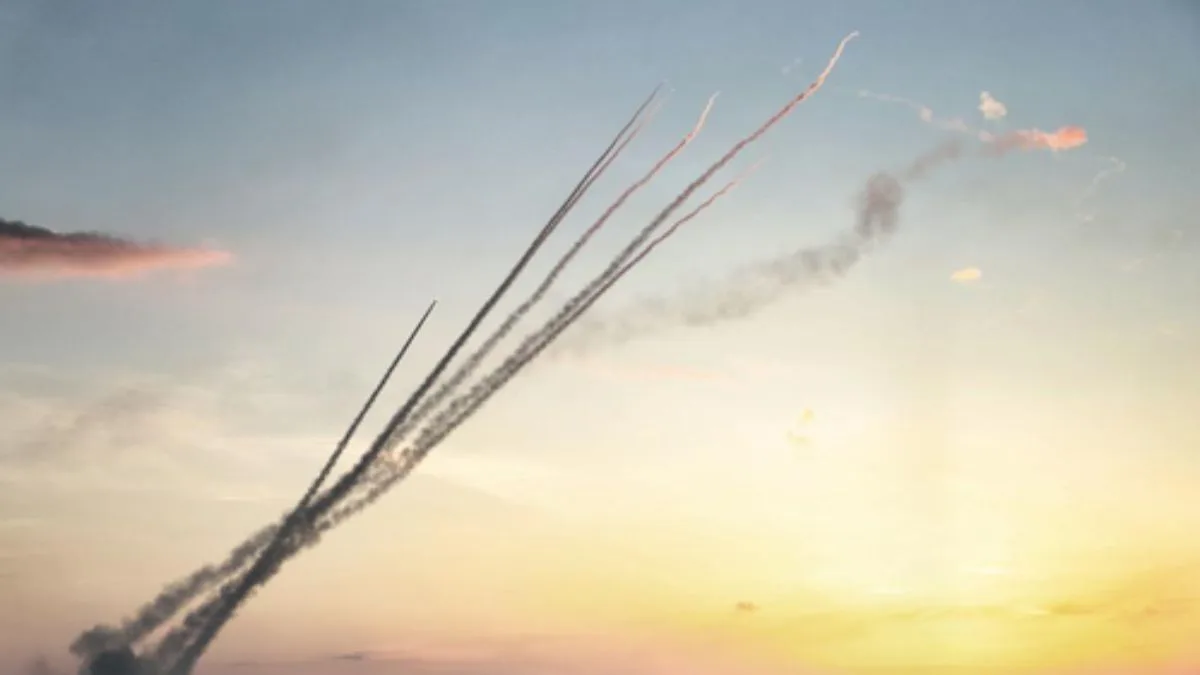
Regional tensions surged after Iran targeted Israel following strikes in Beirut, prompting airspace closures, emergency measures and renewed diplomatic efforts led by the US.

Iran won't let Jafar Panahi make films. It won't let him travel. Now it won't let him go free either. The court has spoken, and the clock is ticking.

The geopolitical shock created by the Iran conflict is forcing countries far beyond West Asia to confront an uncomfortable reality: energy security can no longer be built around a single region, a single route or a single set of political assumptions.
As negotiations remain stalled, Tehran has tied future progress with Washington to the release of billions in blocked funds while signalling confidence in its regional position.
![‘Beginning of accountability’: Sonam Wangchuk reveals 3 written assurances from Centre before ending fast [VIDEO]](https://www.thestatesman.com/wp-content/uploads/2026/07/Sonam-Wangchuk-1-1.webp)