Reform that boosts growth
India’s GST reform of 3 September marks a transformative leap in indirect taxation, with a streamlined two-rate structure and bold rate reductions that will directly spur demand and growth.
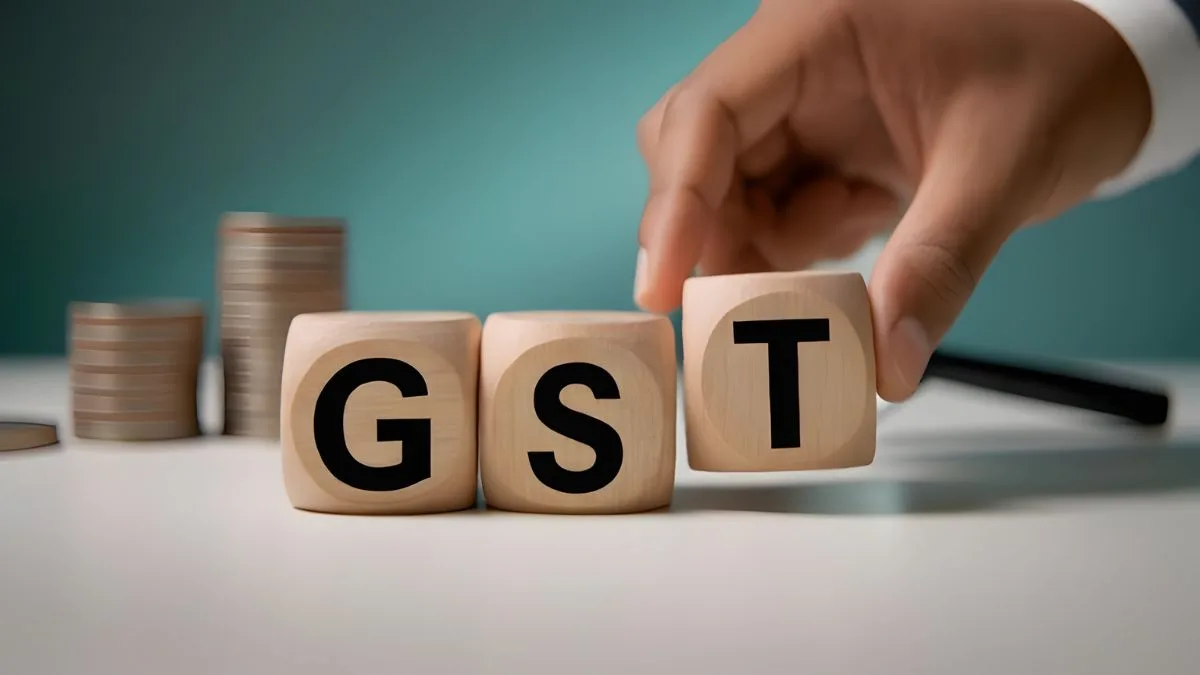
India’s GST reform of 3 September marks a transformative leap in indirect taxation, with a streamlined two-rate structure and bold rate reductions that will directly spur demand and growth.
The BJP and its allies hailed the decision as a "big gift" for the middle class. Prime Minister Narendra Modi stated that the GST reforms aim to ease living for the common man and strengthen the economy.

Addressing the Bharat Nutraverse Expo 2025, the minister said the reduction in GST rates will provide a tremendous and unprecedented boost to consumption demand.
In a major move, the GST Council late Wednesday approved a complete overhaul of the tangled Goods and Services Tax regime, slashing rates on commonly used items ranging from hair oil and corn flakes to TVs, personal health, and life insurance policies.
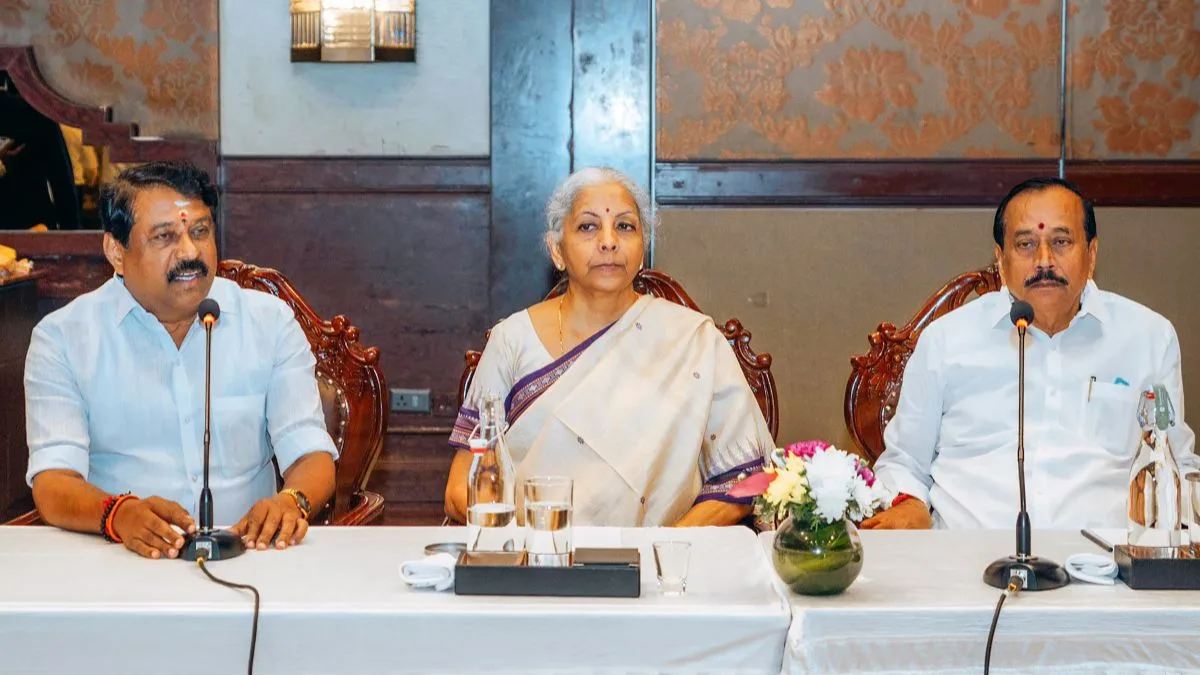
As per reports, during its two-day meeting this week, the proposals to move various items from the 12% and 18% GST slabs to the 5% slab or to the nil GST category aim to reduce the tax burden on households and boost spending.
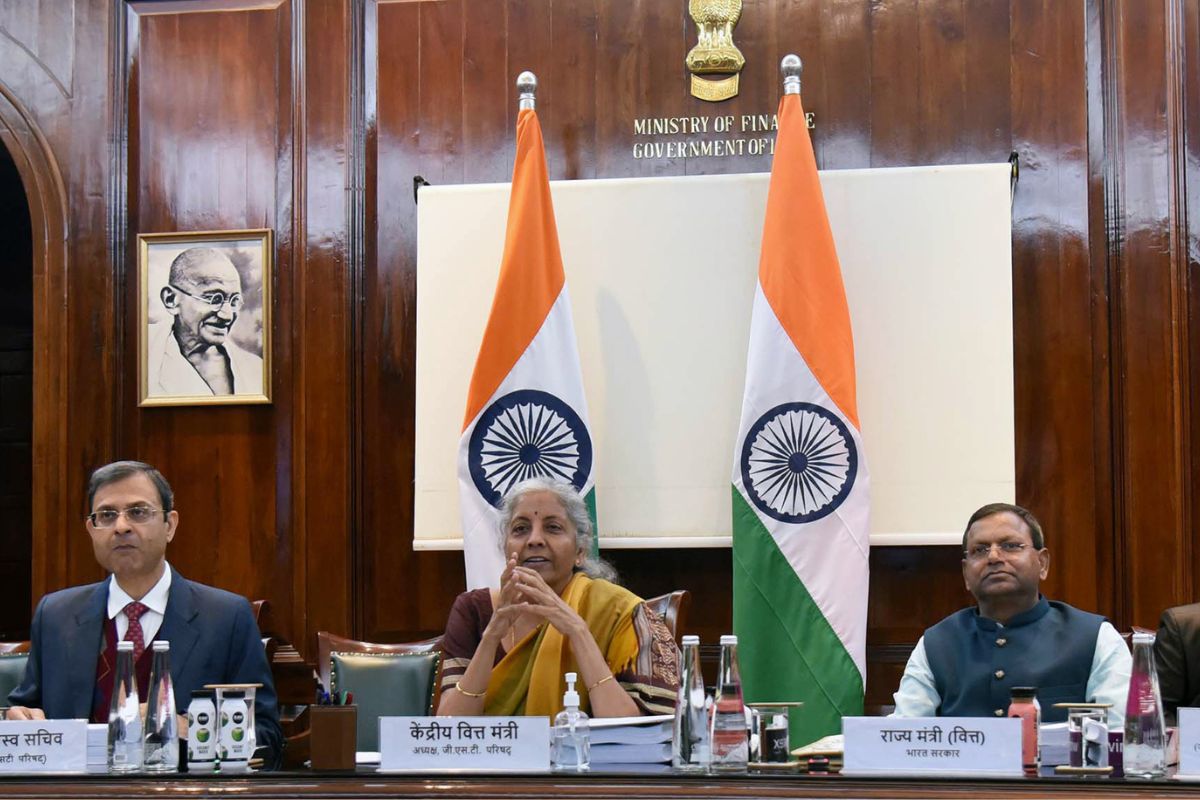
Out of 15 items, the GST Council meeting, chaired by Union Finance Minister, Nirmala Sitharaman, has completed 8 and the remaining crucial issues to be discussed in the next round of meetings.
"The 48th Meeting of the GST Council will be held on 17th December, 22022 by video conference," the GST Council tweeted late Friday evening. Union finance minister Nirmala Sitharaman is the chairperson of the Council.

The GST Implementation Committee of the GST Council has approved the extension of the due date of filing GSTR-3B returns for the month of September for monthly filers by a day. The earlier due date was October 20, which is now October 21, i.e. Friday.

"Consequently, the existing GST rates in the textile sector would continue beyond 1st January, 2022," the Finance Ministry said.
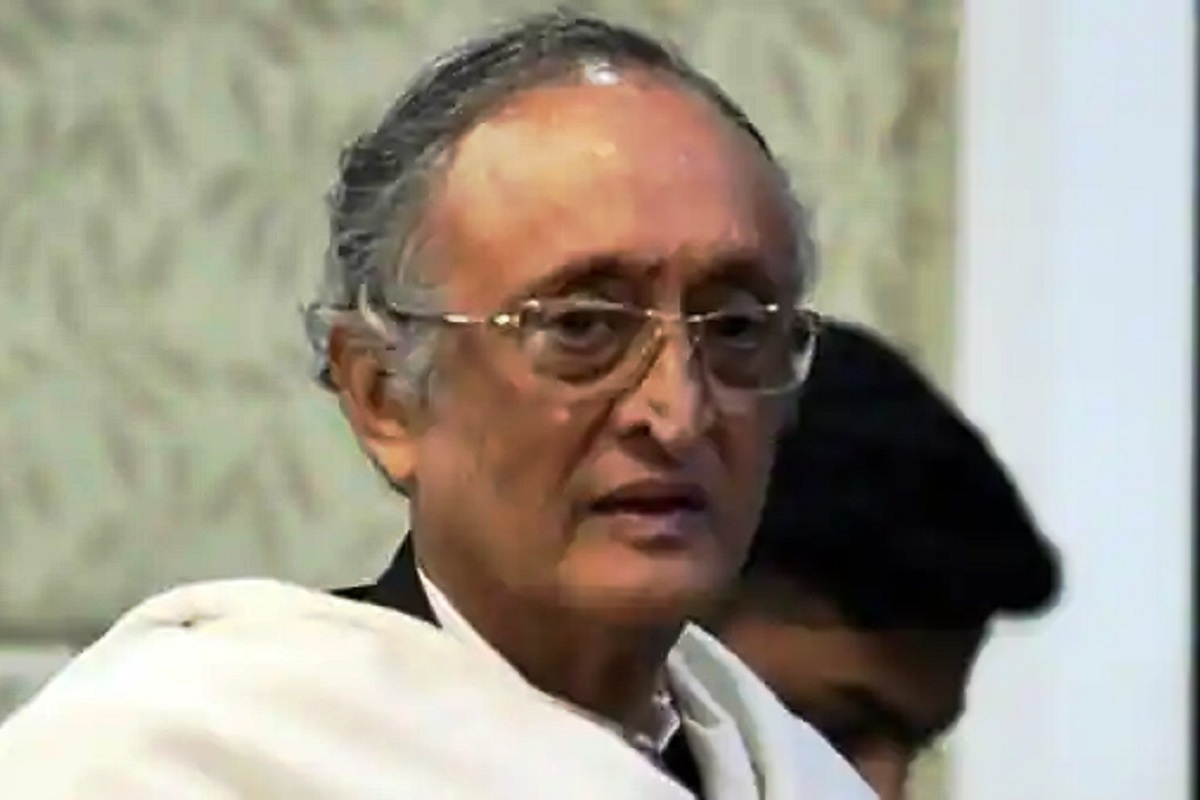
Mitra, who demanded for a full tax waiver on Covid-related medical supplies, said his demand for zero GST rate or a token 0.1 per cent would have enabled tax reduction to consumers as well as availability of tax credits to producers was ignored.