Reform that boosts growth
India’s GST reform of 3 September marks a transformative leap in indirect taxation, with a streamlined two-rate structure and bold rate reductions that will directly spur demand and growth.

India’s GST reform of 3 September marks a transformative leap in indirect taxation, with a streamlined two-rate structure and bold rate reductions that will directly spur demand and growth.
The BJP and its allies hailed the decision as a "big gift" for the middle class. Prime Minister Narendra Modi stated that the GST reforms aim to ease living for the common man and strengthen the economy.

Addressing the Bharat Nutraverse Expo 2025, the minister said the reduction in GST rates will provide a tremendous and unprecedented boost to consumption demand.

In a major move, the GST Council late Wednesday approved a complete overhaul of the tangled Goods and Services Tax regime, slashing rates on commonly used items ranging from hair oil and corn flakes to TVs, personal health, and life insurance policies.

As per reports, during its two-day meeting this week, the proposals to move various items from the 12% and 18% GST slabs to the 5% slab or to the nil GST category aim to reduce the tax burden on households and boost spending.

This comes after CAIT’s day-long Bharat Vyapar Bandh', on February 26, received a lukewarm response.
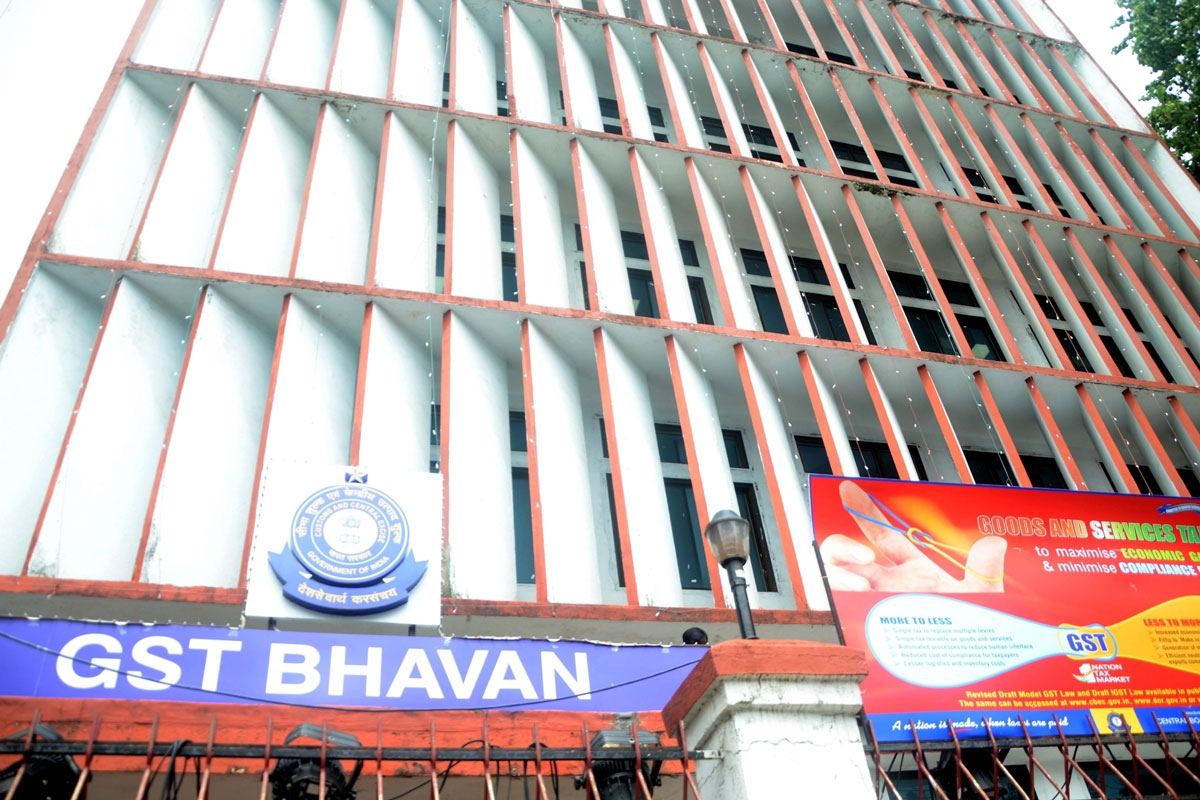
The Central Board of Indirect Taxes and Customs (CBIC) has introduced Rule 86B in GST Rules, to be applicable from January 1, 2021, which restricts use of input tax credit for discharging GST liability to 99 per cent.
Under the GST law, a National Anti-Profiteering Authority (NAA) and a Standing Committee on anti-profiteering have been set up to examine complaints of not passing on tax rate cut benefits to consumers.

The last meeting of the Council a week back did not result in any consensus among the states as although around 20 states opted for the first among the two options offered by the Union Government, 10 states and Union Territories stayed put on their stand that they would not borrow in lieu of the compensation cess.
The relief, however, would be there for relatively smaller businesses.