Reform that boosts growth
India’s GST reform of 3 September marks a transformative leap in indirect taxation, with a streamlined two-rate structure and bold rate reductions that will directly spur demand and growth.
India’s GST reform of 3 September marks a transformative leap in indirect taxation, with a streamlined two-rate structure and bold rate reductions that will directly spur demand and growth.
The BJP and its allies hailed the decision as a "big gift" for the middle class. Prime Minister Narendra Modi stated that the GST reforms aim to ease living for the common man and strengthen the economy.

Addressing the Bharat Nutraverse Expo 2025, the minister said the reduction in GST rates will provide a tremendous and unprecedented boost to consumption demand.
In a major move, the GST Council late Wednesday approved a complete overhaul of the tangled Goods and Services Tax regime, slashing rates on commonly used items ranging from hair oil and corn flakes to TVs, personal health, and life insurance policies.
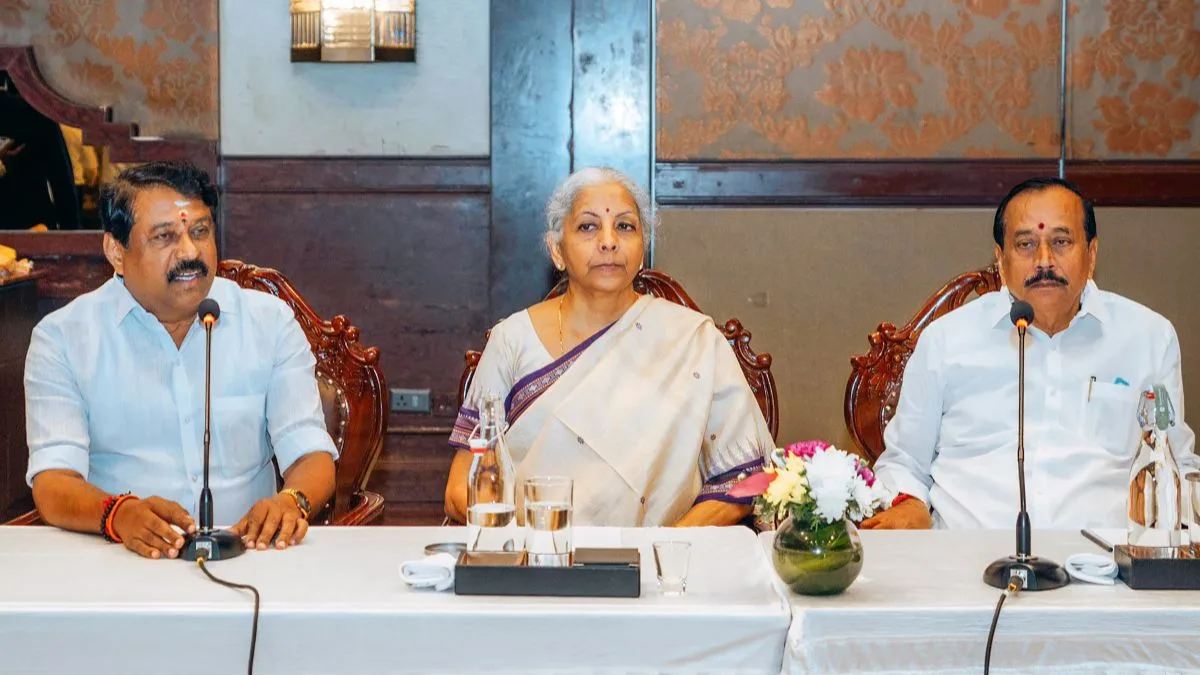
As per reports, during its two-day meeting this week, the proposals to move various items from the 12% and 18% GST slabs to the 5% slab or to the nil GST category aim to reduce the tax burden on households and boost spending.
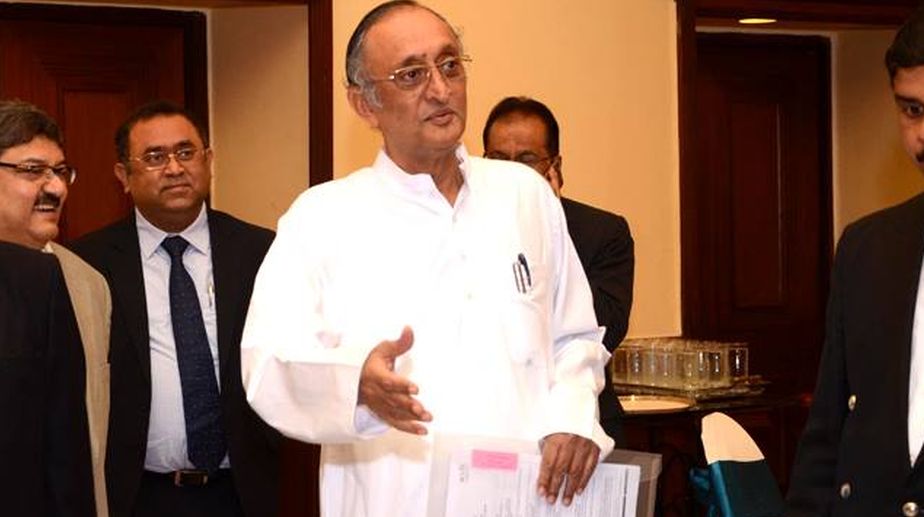
Mr Mitra complained that even the voice of the Group of Ministers in the council is being silenced.
The tax rate on Tocilizumab, used for treatment of Covid-19 has also been waived off. The previous tax rate was 5 per cent.
At the last meeting of the Council, it was decided to form a group of ministers (GoM) to examine the need for further reductions and decide on any new rates for medical equipment and vaccines.

The reduced rate of late fee would apply if GSTR-3B returns for these tax periods are furnished between June 1 and August 31, a Finance Ministry statement said.
The meeting might also take a political colour as few opposition ruled states like West Bengal, Punjab have been pushing for exempting Covid vaccine from GST. The Finance Ministry has been opposing such a move that would deny the benefit input tax credit for producers.