Science Dividend
India's economic rise has produced a new class of billionaires whose philanthropy can shape the country’s future as much as their businesses.

India's economic rise has produced a new class of billionaires whose philanthropy can shape the country’s future as much as their businesses.
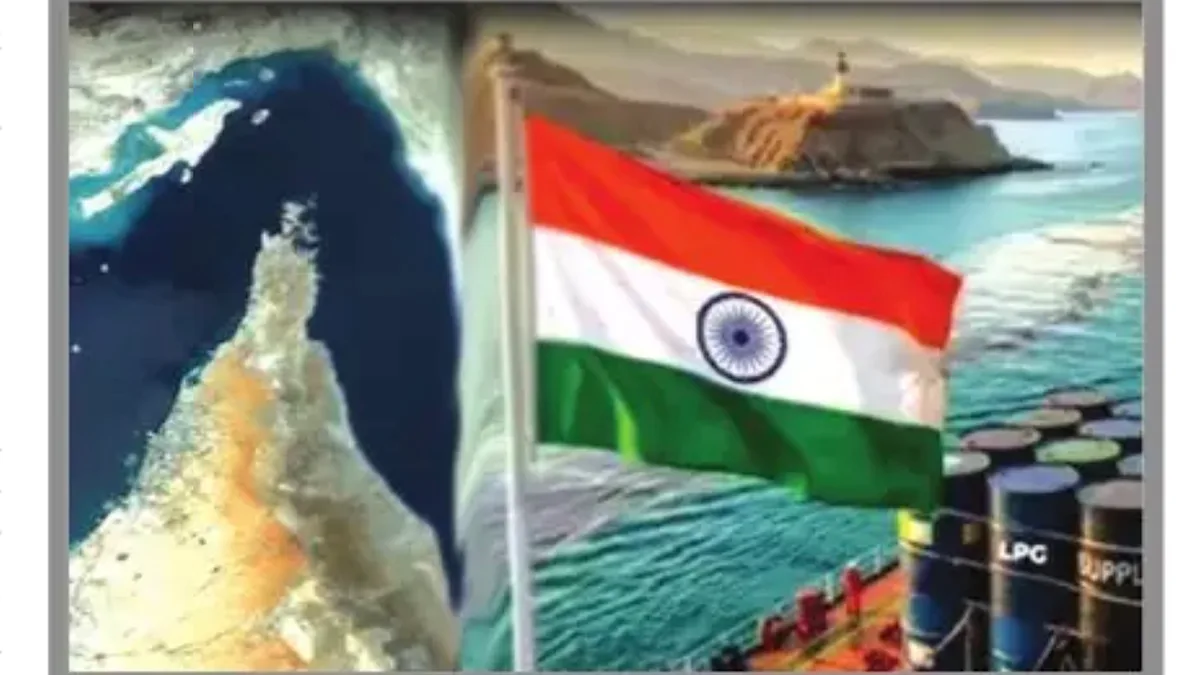
Geopolitical crises early arrive with neat labels. They unsettle markets, test diplomacy and expose economic vulnerabilities.
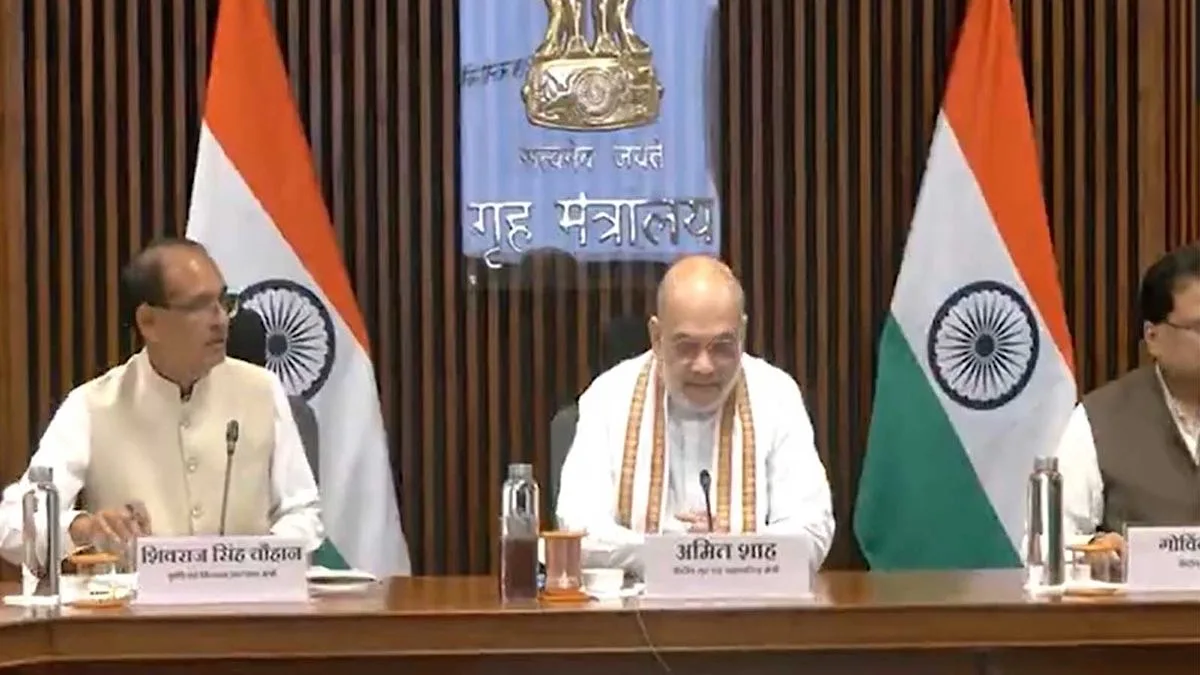
The Prime Minister's Office (PMO) on Tuesday conducted a high-level review of the country's preparedness for the possible impact of El Niño on agriculture and other sectors of the economy.
India is frequently celebrated as the world’s youngest major democracy. With more than half of its population below the age of thirty, the country possesses a demographic advantage that many developed economies can only envy.
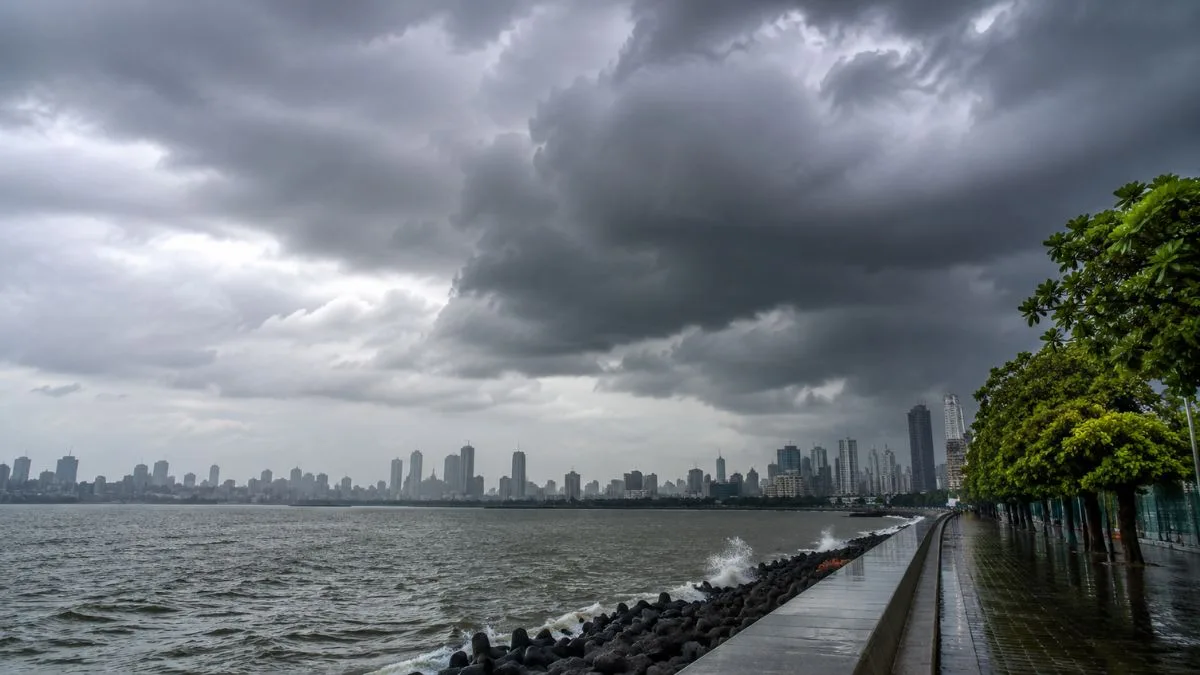
For India, the southwest monsoon is far more than a seasonal we ather phenomenon. It is the lifeline of the economy, sustaining agriculture, replenishing water reservoirs, supporting hydropower generation and influencing inflation, employment and food security.
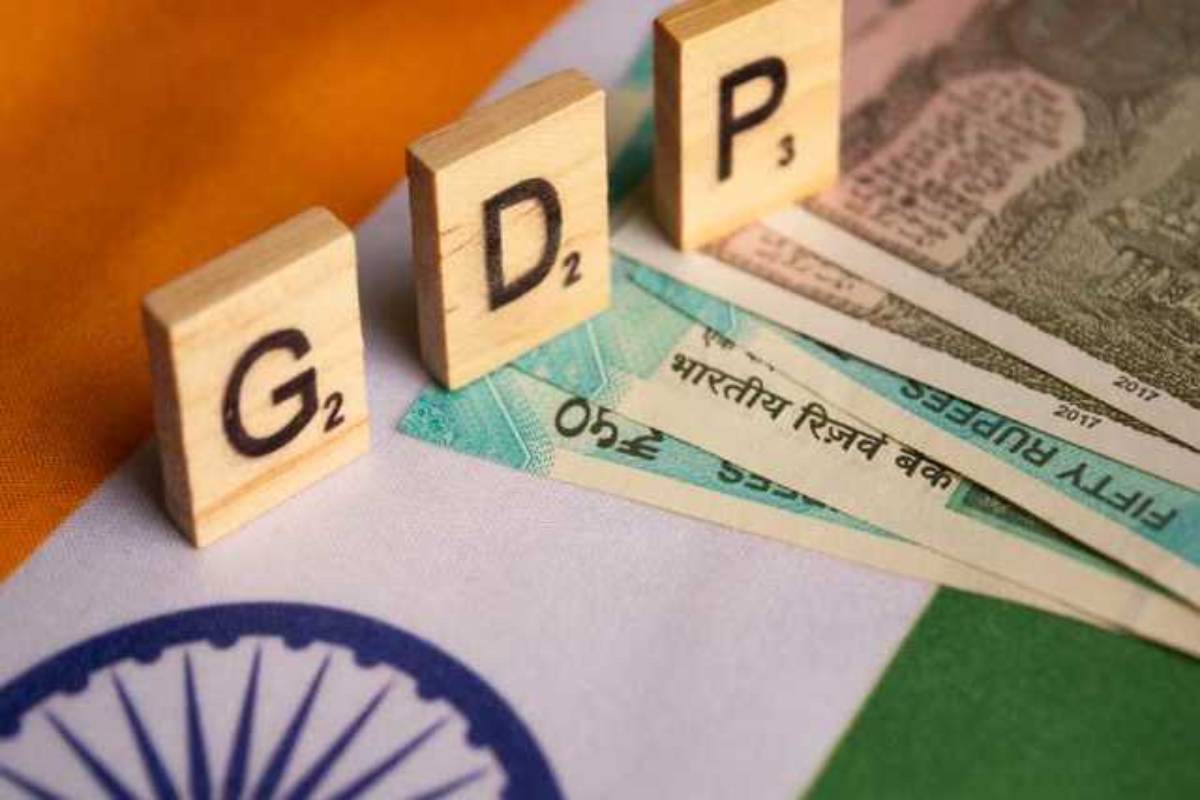
India’s economic growth has long been a cornerstone of optimism, buoyed by strong domestic demand, a dynamic workforce, and a robust services sector.
At least 30 startups raised $248.87 million in funding last week as the Indian startup ecosystem continues to shine due to strong fundamentals of the economy.
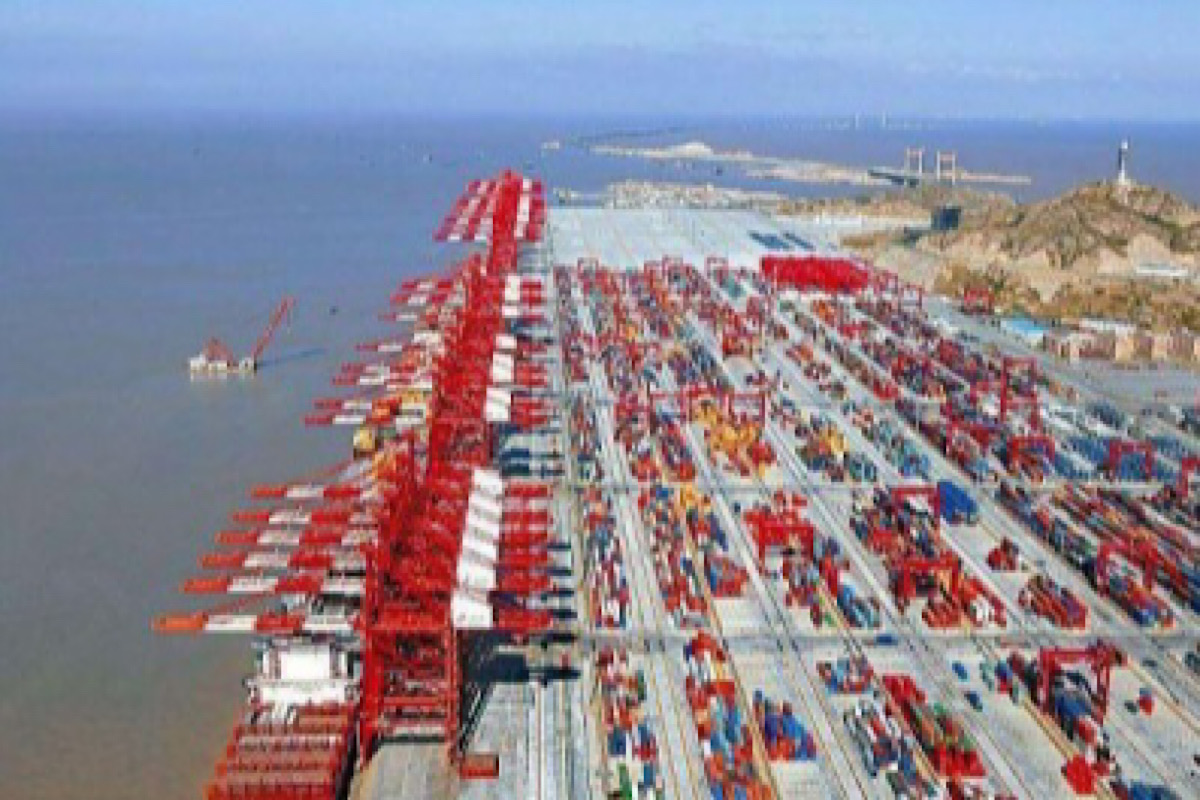
As much as 95 per cent of India's trade by volume and 68 per cent by value moves through the coastal routes highlighting the scope for blue economy, said Dr. Pandurang Raut (IRS), Deputy Director General of Shipping, Union Ministry of Shipping.
The Indian middle class, often hailed as the backbone of the nation’s economy, is at a critical juncture.
The annual World Economic Forum (WEF) meeting in Davos comes at a time of unprecedented global challenges, where armed conflict has been identified as the most pressing risk for 2025.