Science Dividend
India's economic rise has produced a new class of billionaires whose philanthropy can shape the country’s future as much as their businesses.

India's economic rise has produced a new class of billionaires whose philanthropy can shape the country’s future as much as their businesses.
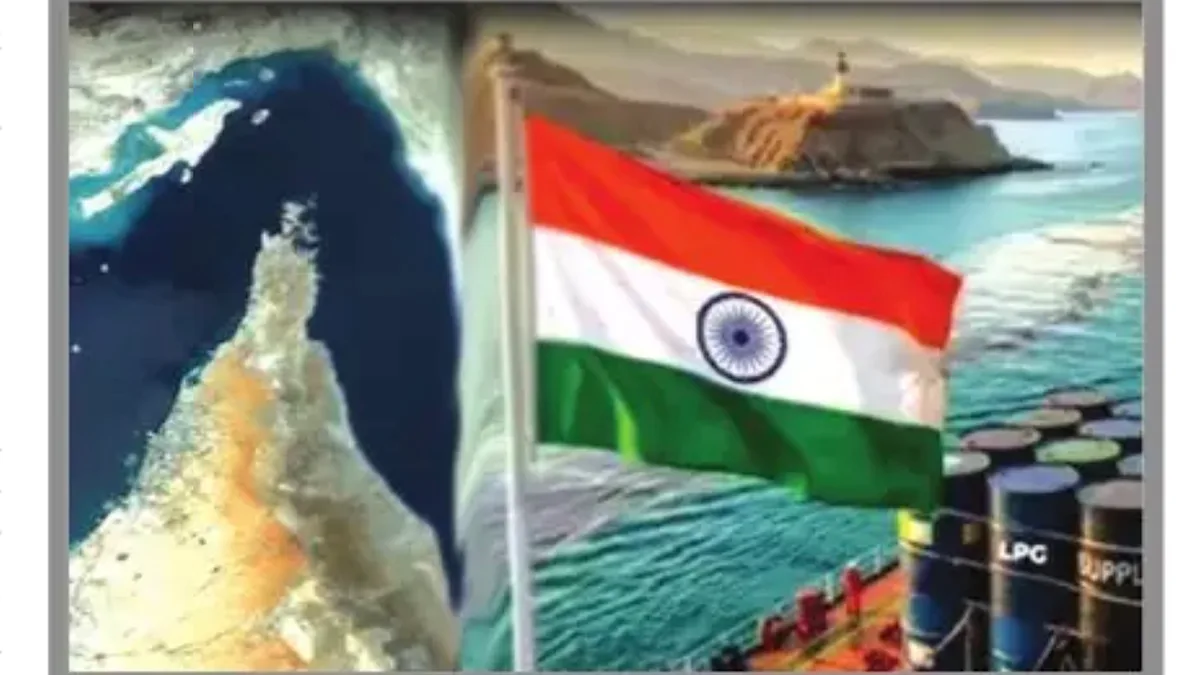
Geopolitical crises early arrive with neat labels. They unsettle markets, test diplomacy and expose economic vulnerabilities.
The Prime Minister's Office (PMO) on Tuesday conducted a high-level review of the country's preparedness for the possible impact of El Niño on agriculture and other sectors of the economy.
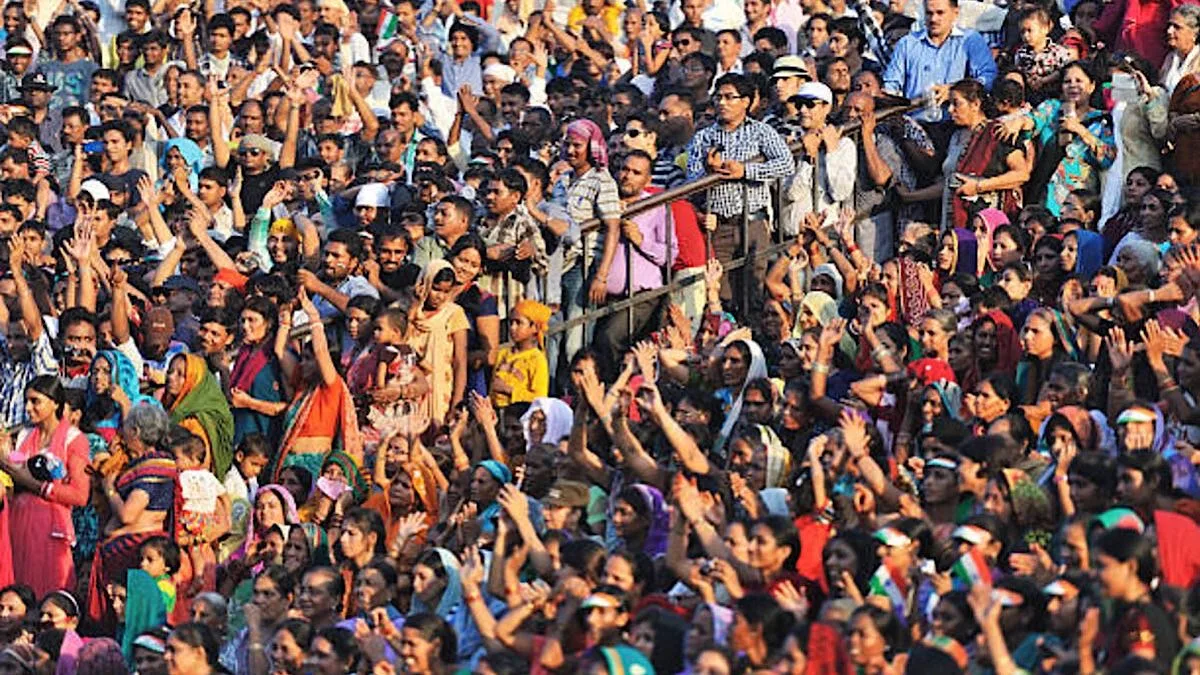
India is frequently celebrated as the world’s youngest major democracy. With more than half of its population below the age of thirty, the country possesses a demographic advantage that many developed economies can only envy.
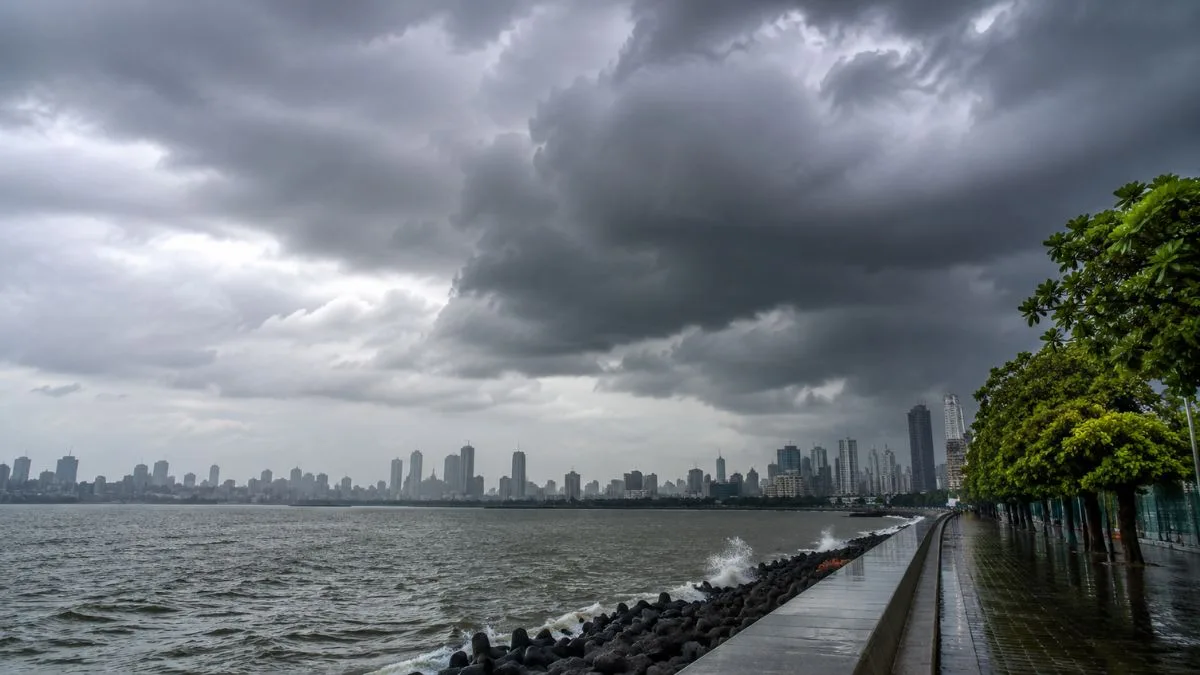
For India, the southwest monsoon is far more than a seasonal we ather phenomenon. It is the lifeline of the economy, sustaining agriculture, replenishing water reservoirs, supporting hydropower generation and influencing inflation, employment and food security.

Jharkhand, known for its rich cultural and natural resources, is taking a bold step toward economic empowerment through the One District, One Product (ODOP) initiative. This programme, aimed at promoting unique products from each district, is reshaping the state's economic landscape by encouraging local entrepreneurship and boosting exports.

India’s banking sector is grappling with a significant liquidity crunch, one that threatens not only financial stability but also the broader economy.

Major global credit rating agencies agreed on Thursday that the political uncertainty in South Korea has had a limited impact on the economy so far, yet warned of potential challenges if the situation is prolonged
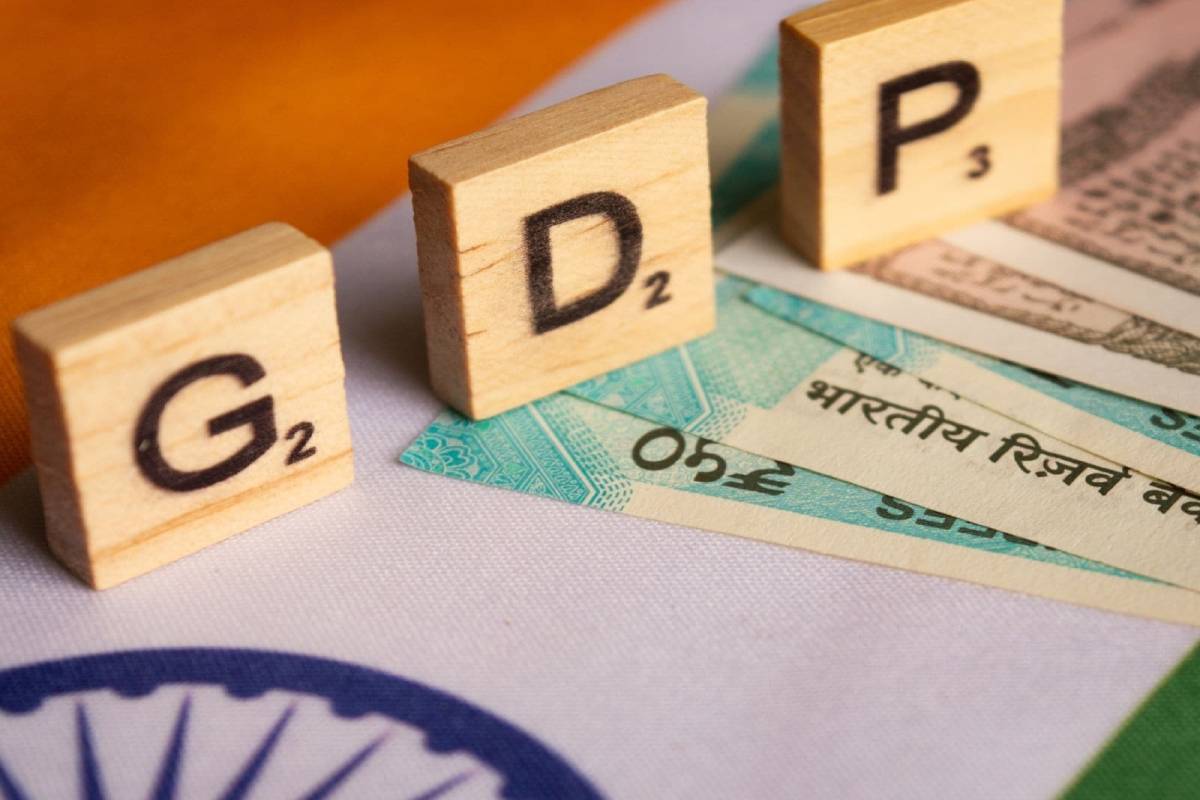
India's economic trajectory, once celebrated for its resilience and rapid growth, is now encountering significant headwinds.
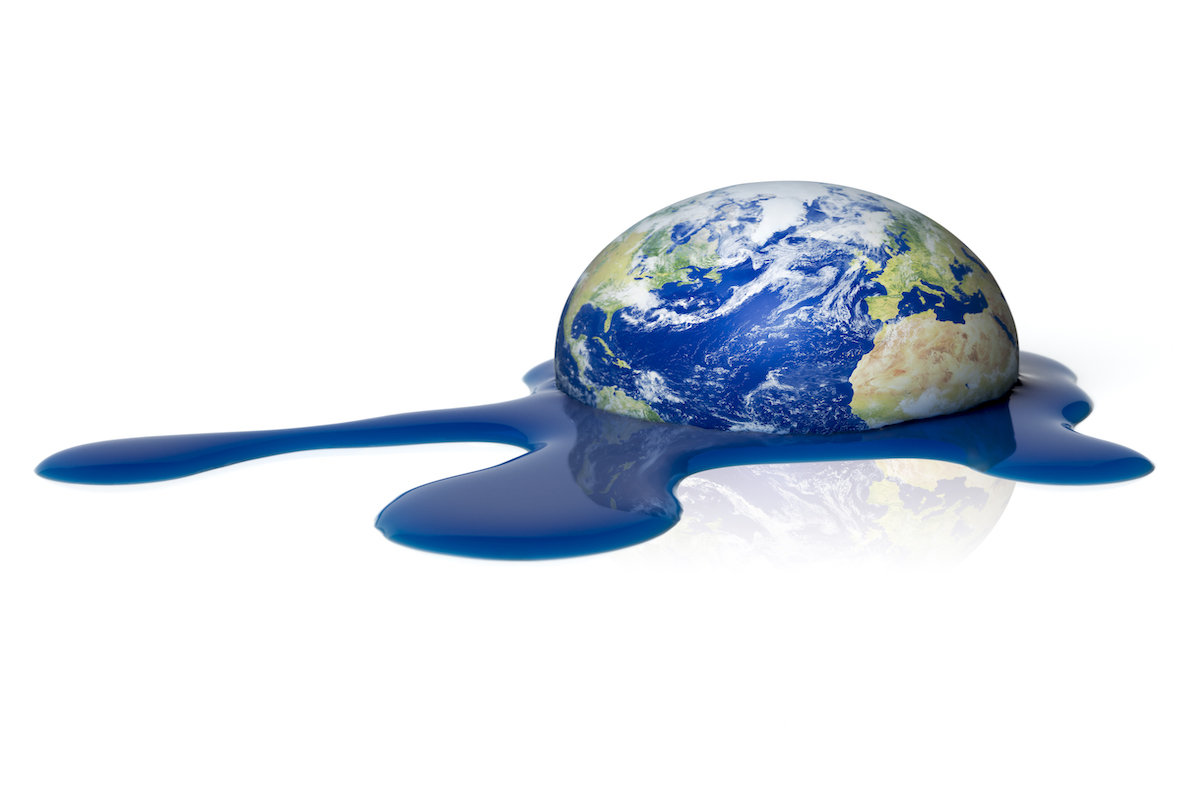
A valedictory session of the 18th Environment Partnership Summit and Environment Excellence Awards, with the theme, “Circular Economy for Sustainable Environment: Re-envision & Redesign.”