Fragmented climate responses won’t work
For much of the past three decades, climate change occupied a distinct corner of public policy.
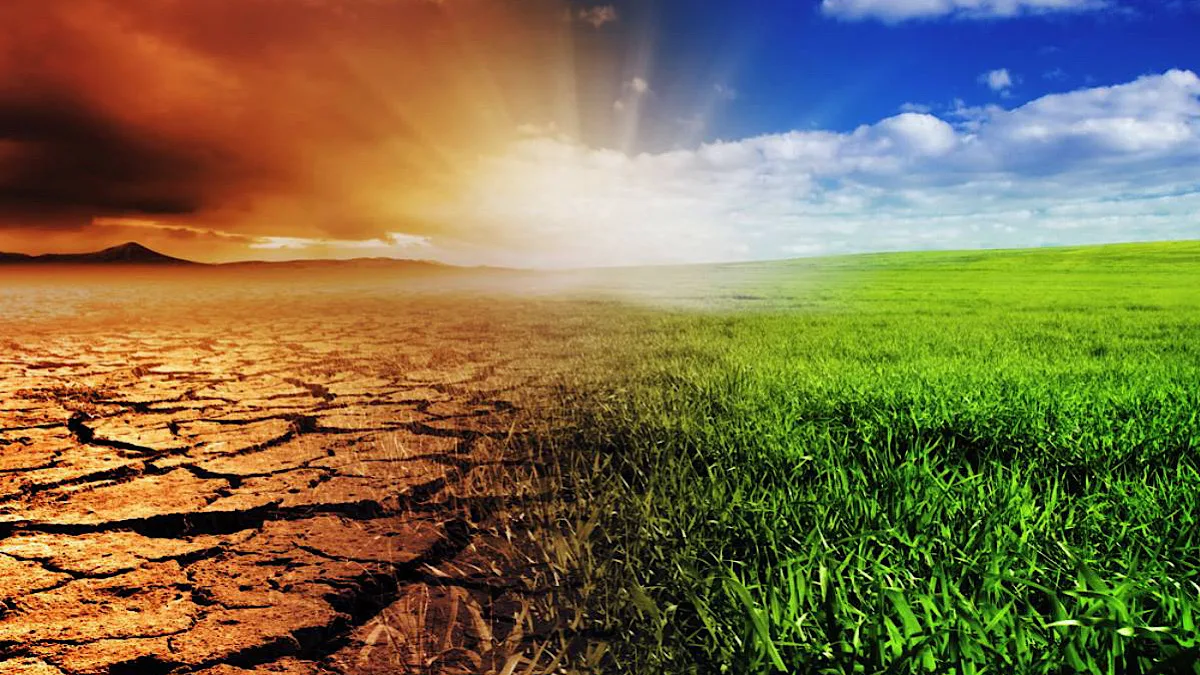
For much of the past three decades, climate change occupied a distinct corner of public policy.
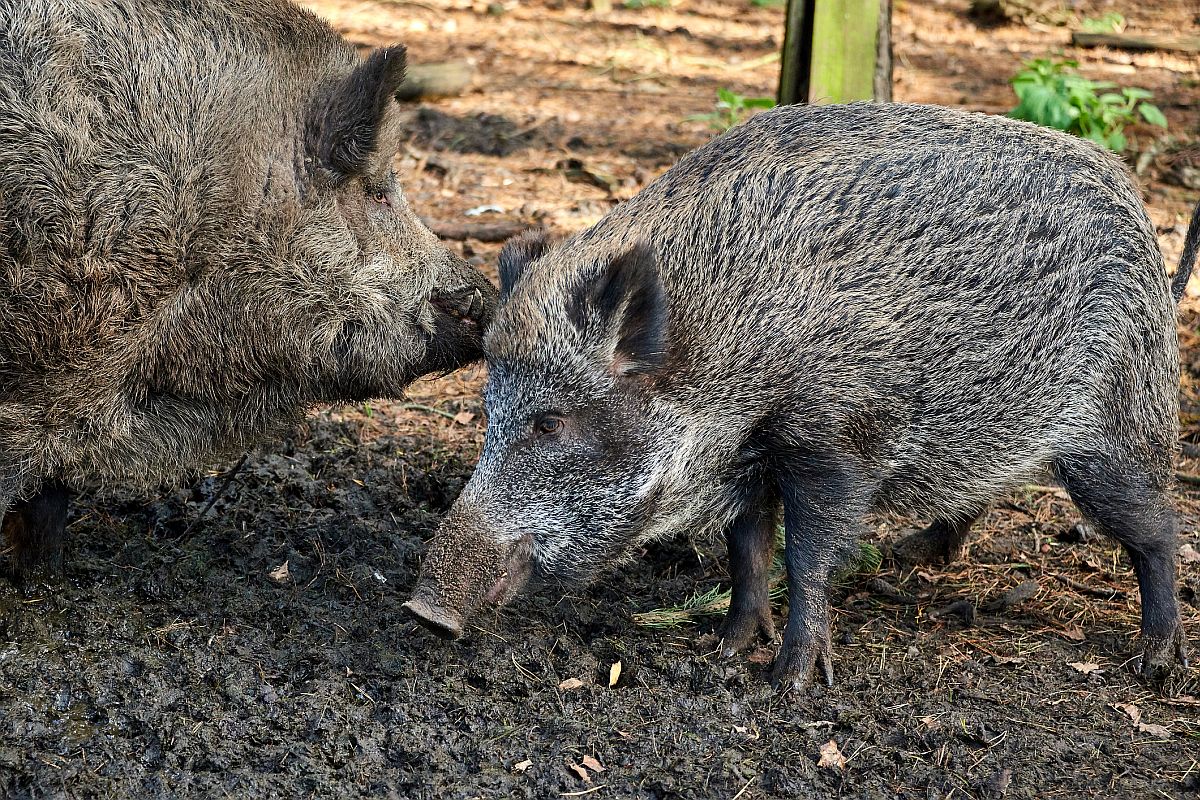
Wildlife experts deliberated on the decision to expand conservation efforts for Pygmy Hog, the smallest and rarest wild pig, at the national level and include them in India’s species recovery programme, according to officials from the Ministry of Environment, Forest and Climate Change.

Nearly 8 BCM lost in two weeks as reservoirs shrink, groundwater declines and river basins face mounting pressure before monsoon

The word ‘emergency’ evokes an intense sense of unease, often associated with the suspension of established norms and procedures in pursuit of a perceived larger objective. Different forms of emergencies command our attention in different ways.
The emphasis of modern environmental policy has been on prevention. Governments, international institutions and activists have rightly focused on reducing emissions, protecting ecosystems and slowing the pace of climate change.

India has reminded the global community how the impact of climate change has increasingly become evident in the form of one disaster or another.

The 2024 UN Framework Convention on Climate Change Conference, usually referred to as Conference of Parties 29 (COP29), will probably be the final opportunity for the international community to accelerate action to tackle the climate crisis.

In 2015, the United Nations outlined 17 Sustainable Development Goals (SDGs) aimed at eradicating poverty, protecting our planet, and ensuring equality for all. These goals address a wide range of global challenges, including climate change, the biodiversity crisis, and pressing health issues like antibiotic resistance and cancer. Biological scientists play a crucial role in tackling these challenges and can also benefit from the diverse career opportunities available to them.

Prime Minister Narendra Modi, on Tuesday, virtually launched the Haryana State Action Plan on Climate Change and Human Health, an initiative that is part of the National Programme for Climate Change and Human Health (NPCCHH) established in 2019.
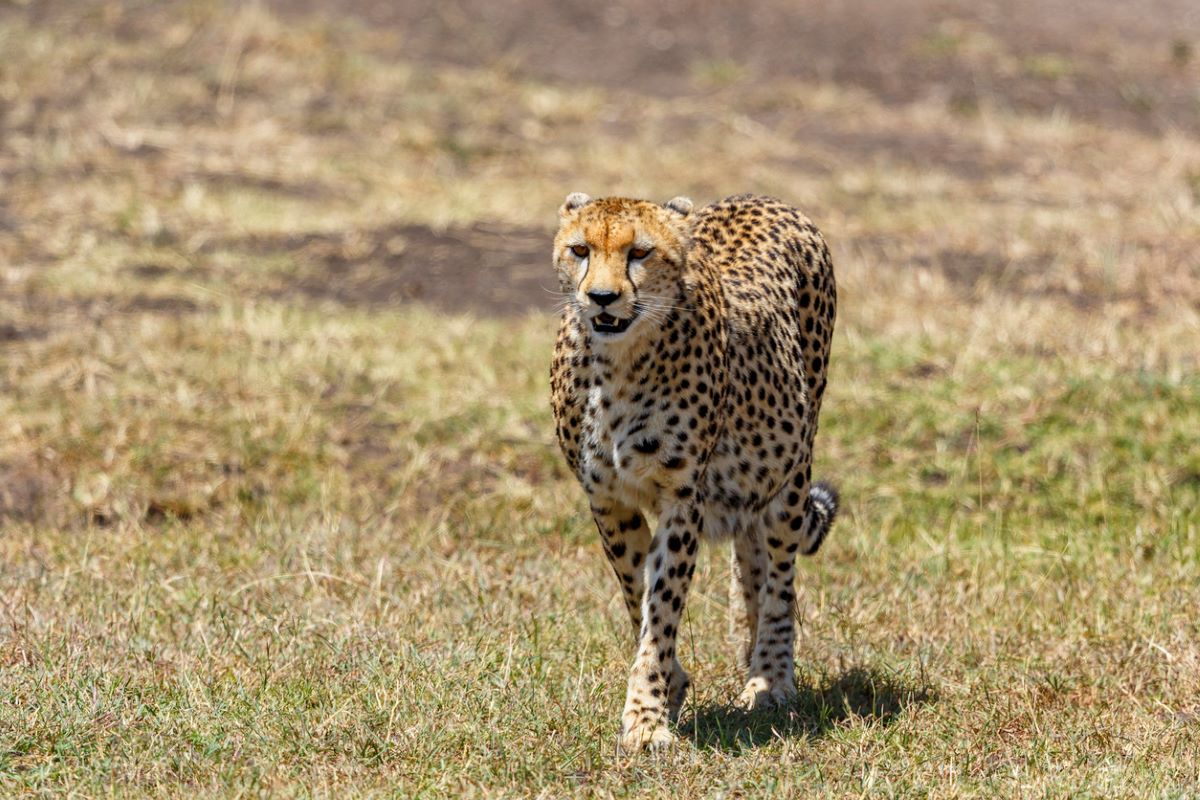
The Ministry of Environment, Forest and Climate Change on Monday said that the process of shifting some cheetahs at the new enclosure of Gandhi Wildlife Sanctuary from Kuno National Park (KNP) is likely to be started by end of this month.