New Book narrating Beijing’s misadventure on Tibetan people
People in North-east India still remember the aggression of 1962 from Communist China, which claimed a major portion of Arunachal Pradesh as Southern Tibet.
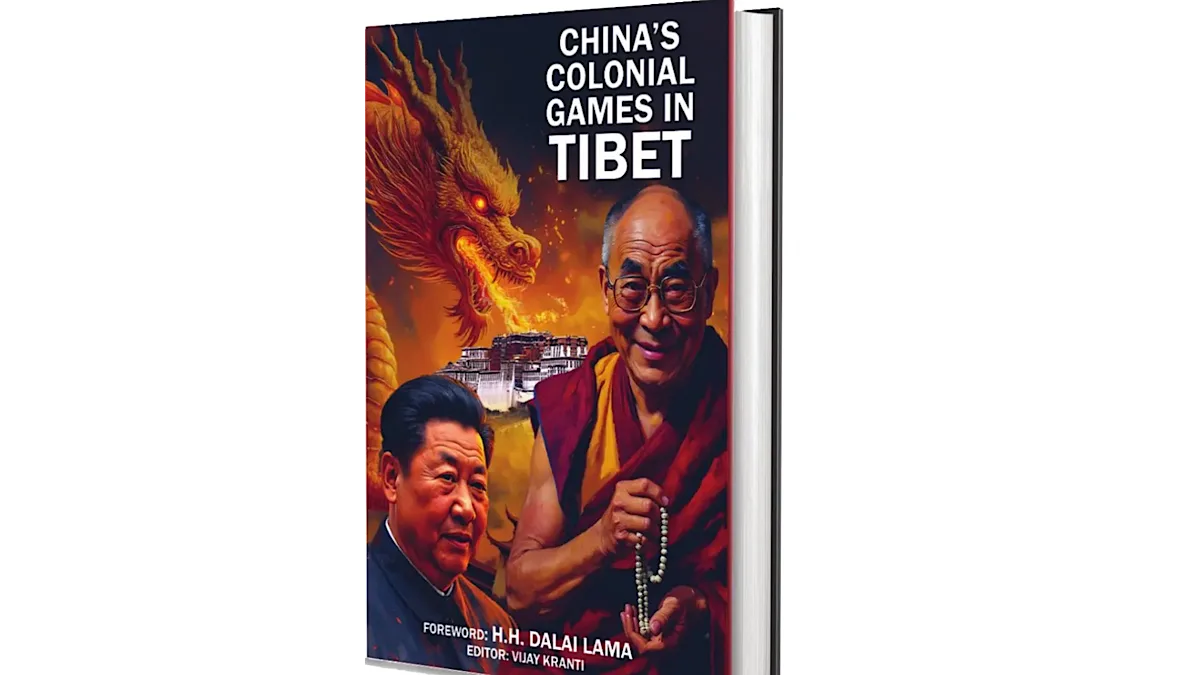
People in North-east India still remember the aggression of 1962 from Communist China, which claimed a major portion of Arunachal Pradesh as Southern Tibet.

India and China reviewed border peace, diplomatic coordination and bilateral normalisation during the 35th WMCC meeting held in Beijing on Wednesday.
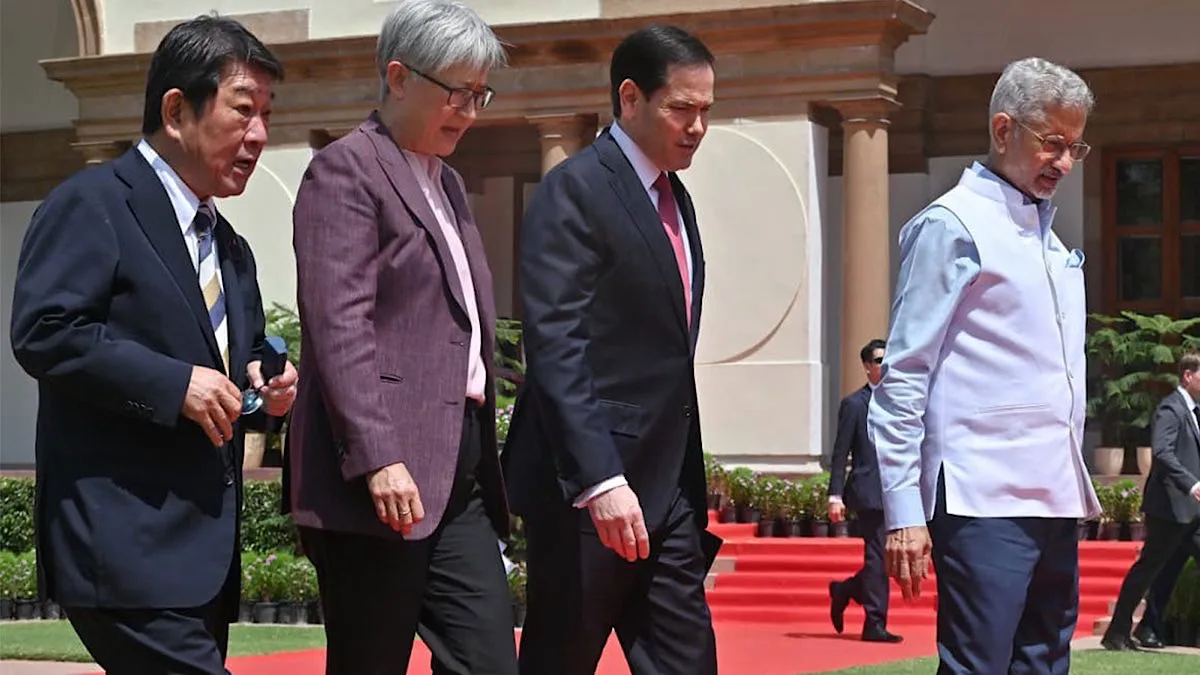
Without directly referring to Beijing’s aggressive posturing, the four Quad nations on Tuesday expressed serious concern over the situation in the East China Sea and the South China Sea.

Nepal’s new political establishment appears determined to redraw the rules of engagement with the outside world.

China’s latest growth numbers offer reassurance at first glance, but they obscure a more uncomfortable reality: the world’s second-largest economy is increasingly reliant on external demand at precisely the moment when the global environment is turning hostile.

China’s latest attempt to rename places in Arunachal Pradesh is neither novel nor surprising.
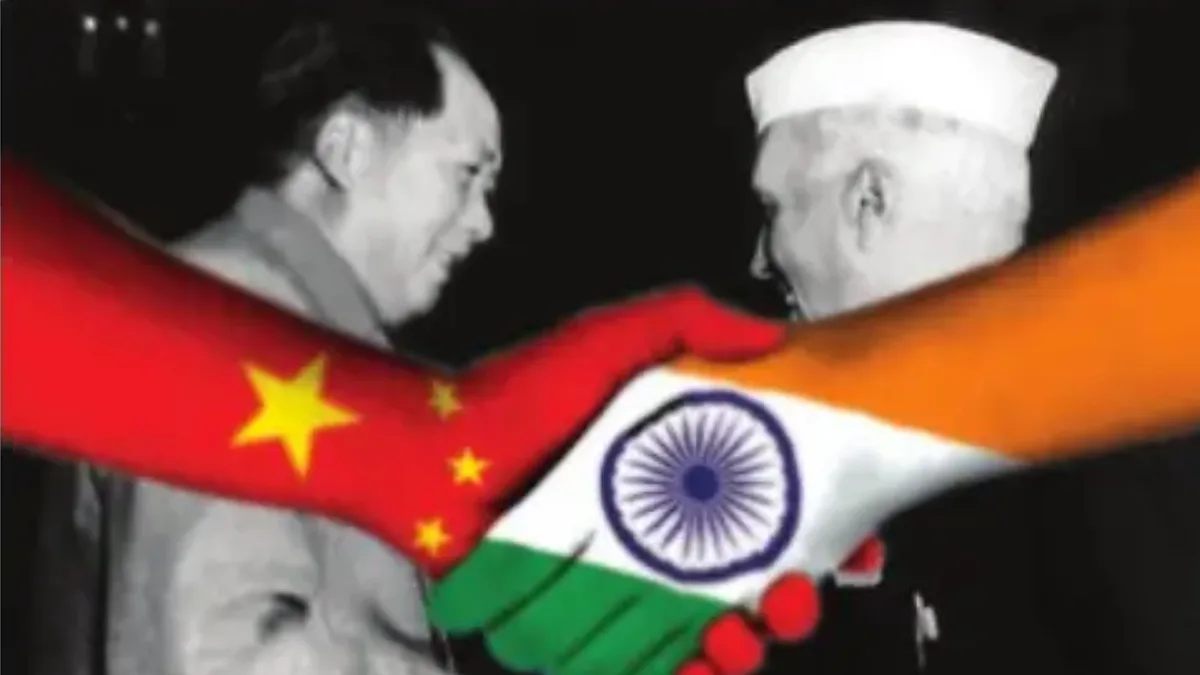
The relationship between India and China, two of the oldest civilizations in the world, has been a saga marked by both shared history and contentious moments.
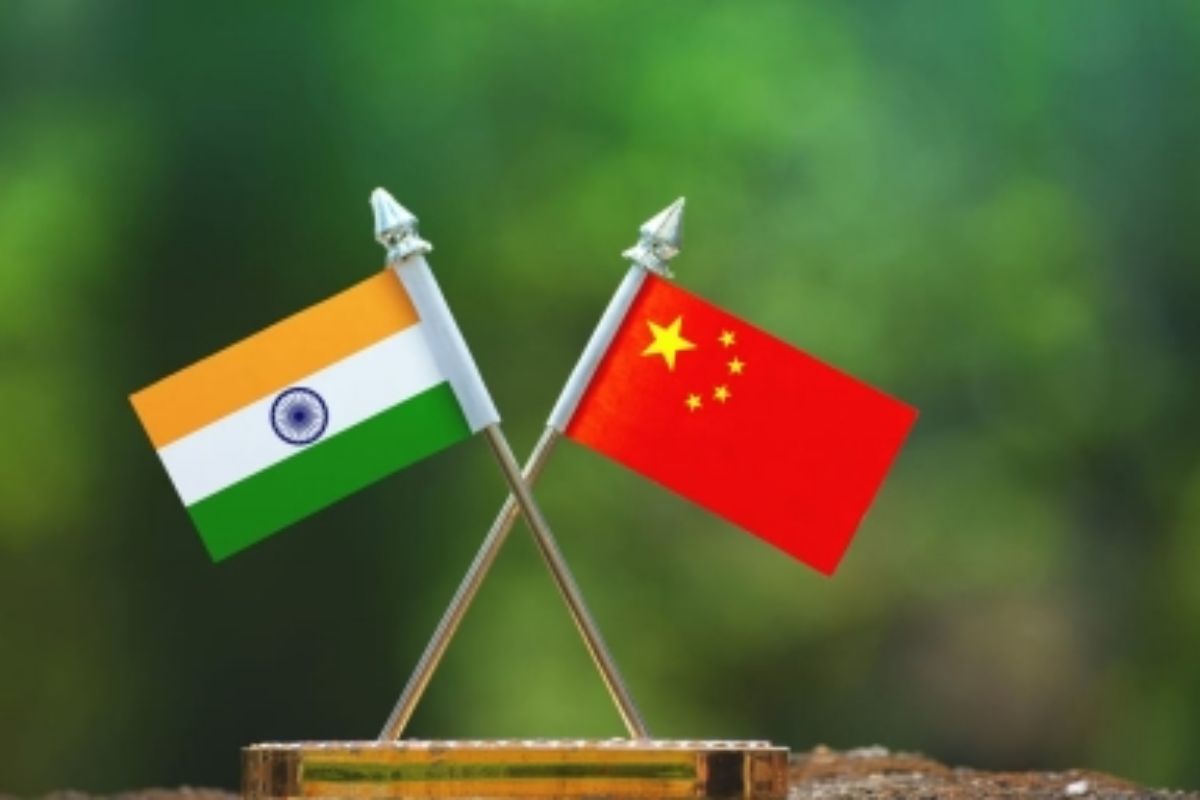
The 33rd meeting of the Working Mechanism for Consultation & Coordination on India-China Border Affairs (WMCC) was held this afternoon in Beijing.
CCP is positioning itself not just as a regional power but as the central player in an emerging new world order. With every move, Beijing is sending a clear signal: the era of Western dominance is drawing to an end, and China's moment has arrived.
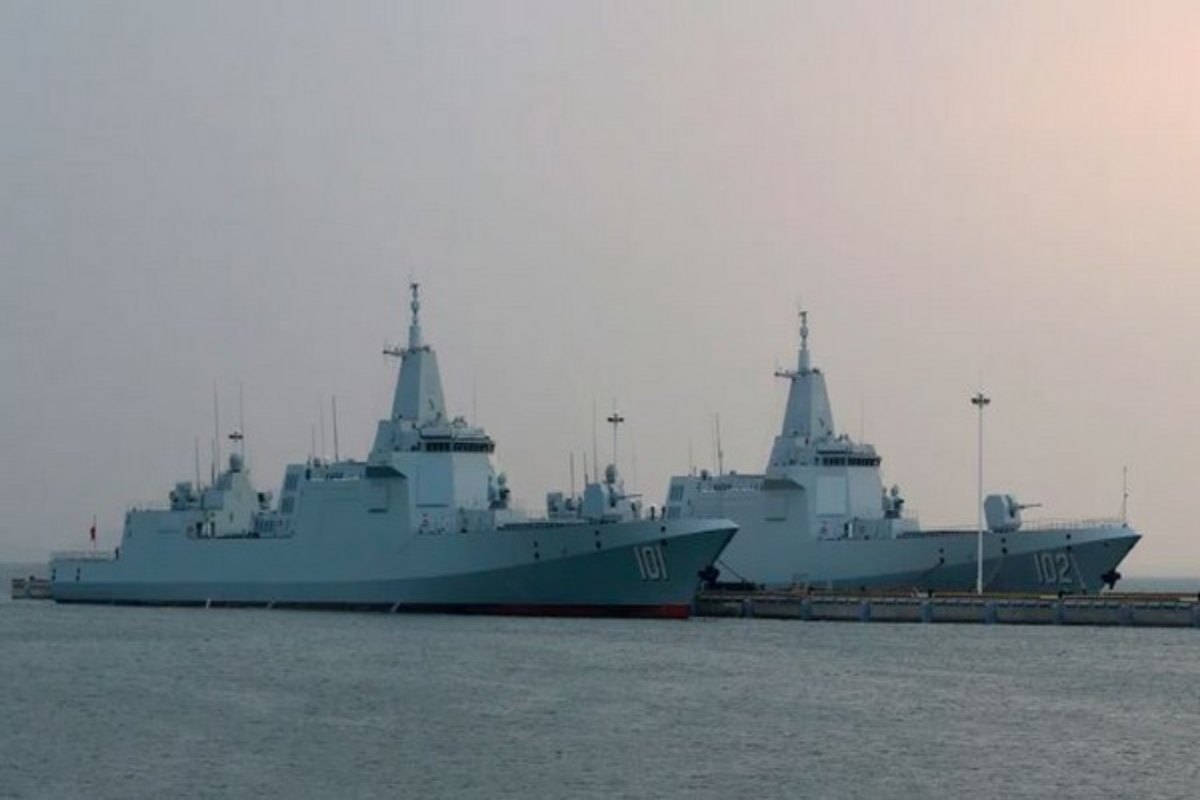
The presence of Chinese warships in the Tasman Sea, a relatively rare occurrence, has raised eyebrows in Australia and New Zealand.