Extraction of minerals from the Indian offshore: Opportunities and challenges
The mineral economy of India is at a crucial moment of structural transition.

The mineral economy of India is at a crucial moment of structural transition.

Physicists have long been fascinated with dark matter. Scientists discovered that observable matter, stars, galaxies, nebulae, and planets, can only account for 5% of the universe’s structure.

Scientists have recently unraveled the decades-old mystery of the pigeons travelling hundreds of miles.
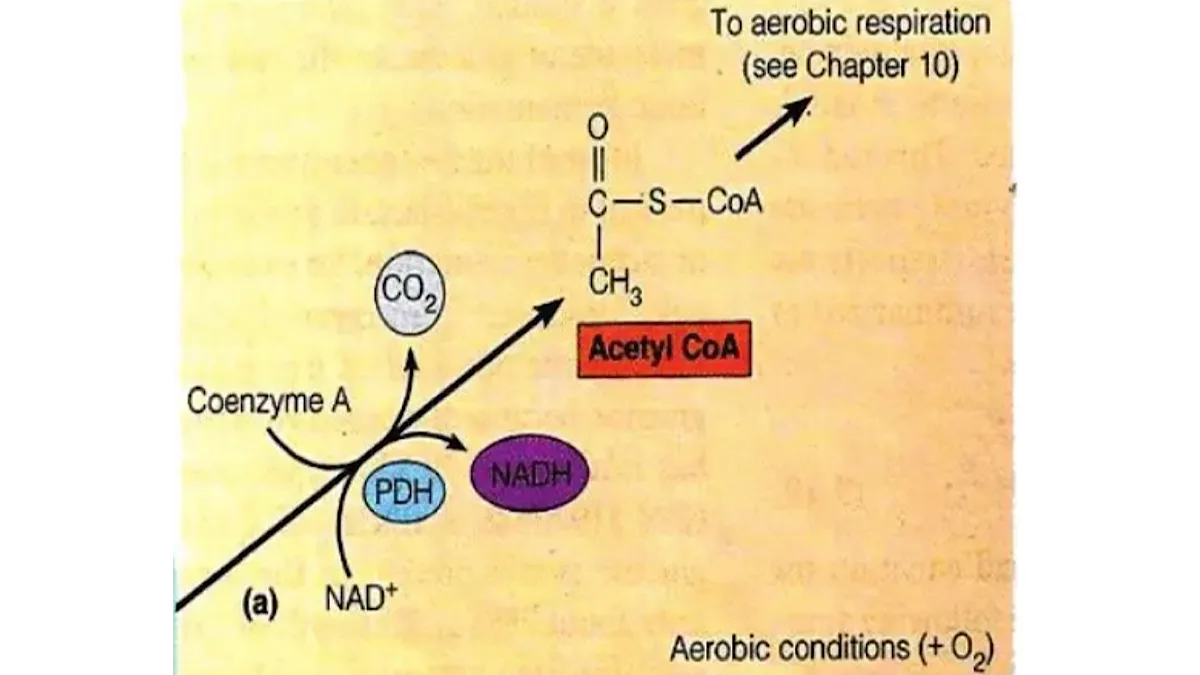
Cells not only are able to catabolize glucose and other carbohydrates to meet their energy needs but also can synthesize sugars and polysaccharides needed for other purposes.

India is not short of ideas. Every year, universities produce thousands of engineers and researchers, laboratories generate studies, and start-ups promise new solutions in healthcare, technology and sustainability.

The 42nd meeting of the Facility for Antiproton and Ion Research (FAIR) Council was hosted in Kolkata, India on 3-4 December 2024. The meeting was held at the Unified Academic Campus of Bose Institute, making it the council's first meeting to be held outside the FAIR site in Germany.

The toxic action of pesticides on ants in the treatment of a forest depends on the kind of insecticide, the form of it, and the dose of its application. Bees are killed most frequently when during treatment the pesticides are carried away onto areas with blossoming plants.

Private enterprises and startups hold the key to propelling India’s space sector to claim a larger slice of the global market, Indian Space Research Organisation (ISRO) chairman S Somanath recently stated at a session titled “ISRO’s vision and the rise of India’s space Tech companies” held in Trivandrum, Kerala.

While it is absolutely possible to realise the environmental benefits of EVs, this will depend on the source of energy used to charge them. India has a rich solar and wind resource, which can be tapped into to realise these potential benefits.

As of 2015, over 2,100 Ramsar sites have been designated, covering more than 208 million hectares, highlighting their ecological importance and the numerous benefits they provide to both the environment and communities.