Extraction of minerals from the Indian offshore: Opportunities and challenges
The mineral economy of India is at a crucial moment of structural transition.
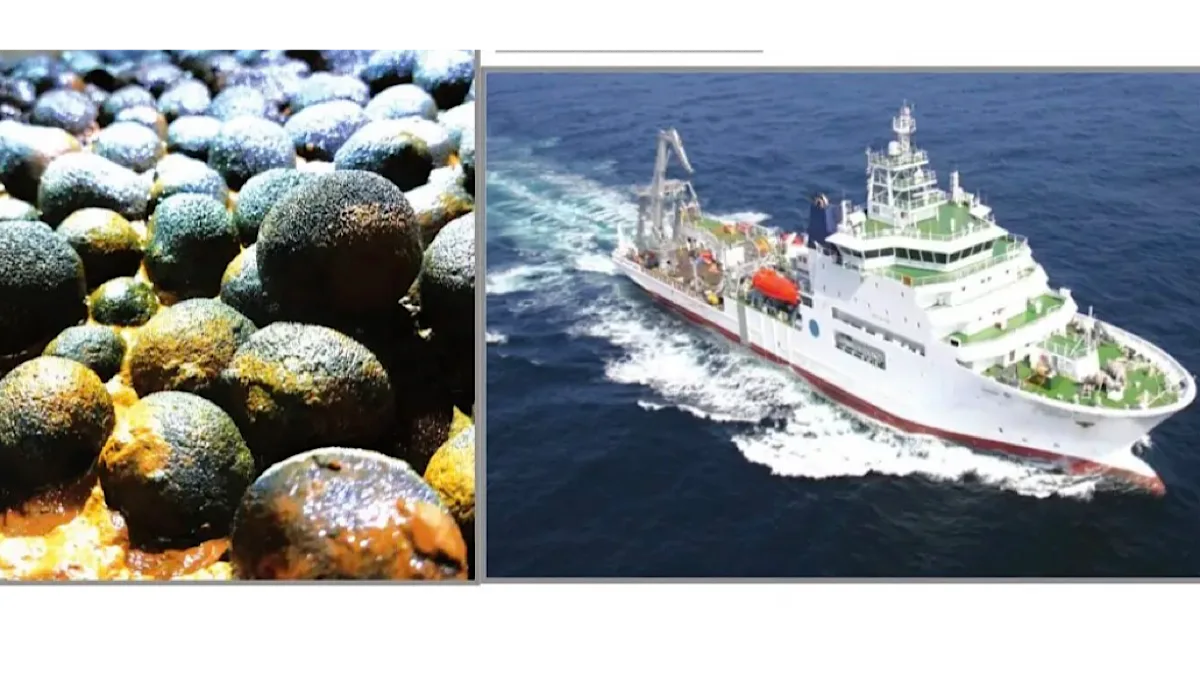
The mineral economy of India is at a crucial moment of structural transition.

Physicists have long been fascinated with dark matter. Scientists discovered that observable matter, stars, galaxies, nebulae, and planets, can only account for 5% of the universe’s structure.

Scientists have recently unraveled the decades-old mystery of the pigeons travelling hundreds of miles.
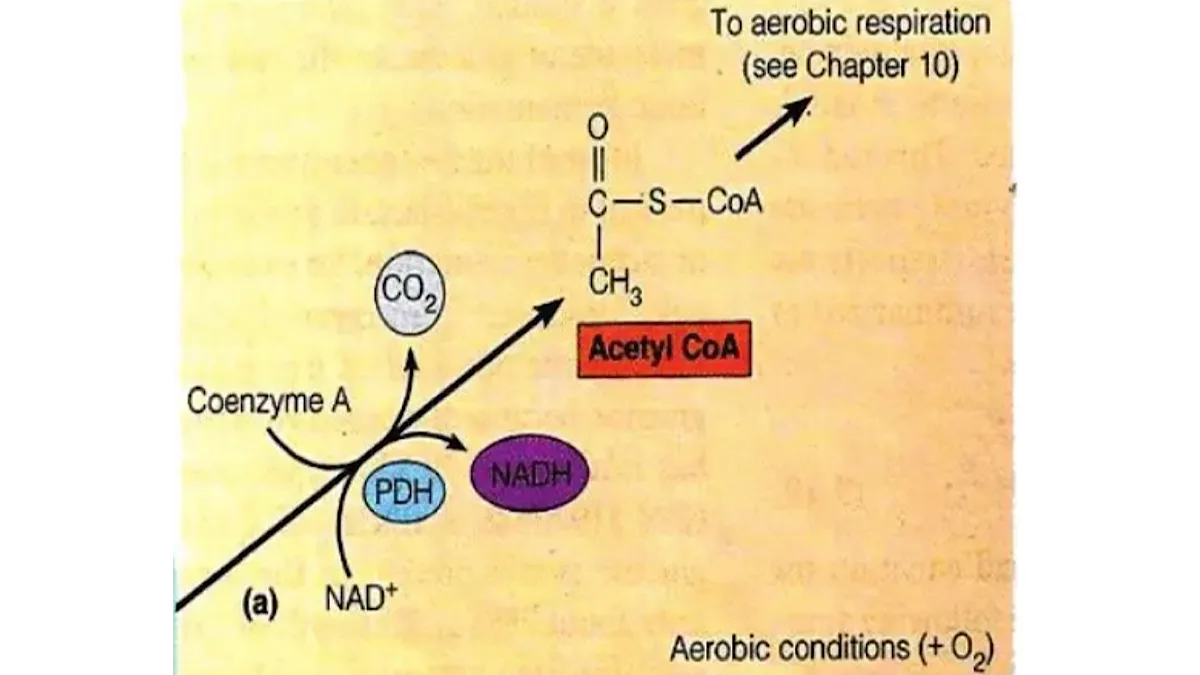
Cells not only are able to catabolize glucose and other carbohydrates to meet their energy needs but also can synthesize sugars and polysaccharides needed for other purposes.

India is not short of ideas. Every year, universities produce thousands of engineers and researchers, laboratories generate studies, and start-ups promise new solutions in healthcare, technology and sustainability.
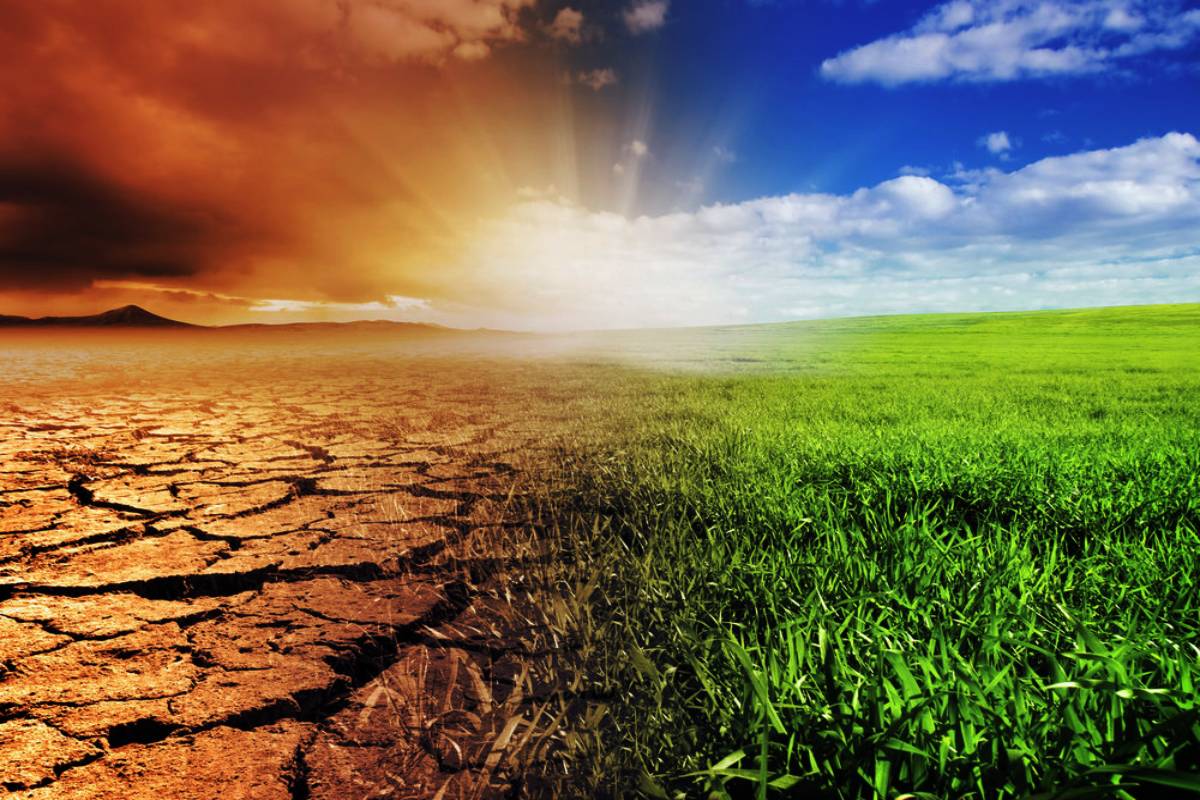
“Climate catastrophe is hammering health, widening inequalities, harming sustainable development, and rocking the foundations of peace. The vulnerable are hardest hit,” said UN Secretary-General António Guterres.

Domestic and industrial activities produce millions of tonnes of waste, and even buried waste leaks pollutants that carry environmental risks. But by combining microorganisms with different capabilities, Sheffield researchers are turning harmful liquid into useful resources.

In a society where motherhood is often defined by a fixed sequence of events, including marriage and childbirth within a specific age range, science once again gifted society the alternate path through ‘in vitro fertilisation’ (IVF), therefore empowering women to embrace motherhood later in life.

Electric Vehicles (EVs) are reshaping the automotive landscape, offering significant environmental and economic advantages, from reduced emissions to lower maintenance costs. The global transition toward EVs is accelerating, with nearly 14 million new electric cars registered in 2023 alone, bringing the worldwide total to 40 million, as per the International Energy Agency.

Pathogenicity is the potential capacity of certain species of microbes to cause an infectious process. It is characterised by a complex of pathogenic properties in the microbe formed in the process of the historical development of the struggle for existence and adaptation to parasitic life in plant, animal and human organisms. Pathogenicity is a specific characteristic of pathogenic microbes.