Striving for the Gandhian ideal
Generally, it is taken for granted that the journey on the path of development is accompanied by increasing urbanization.
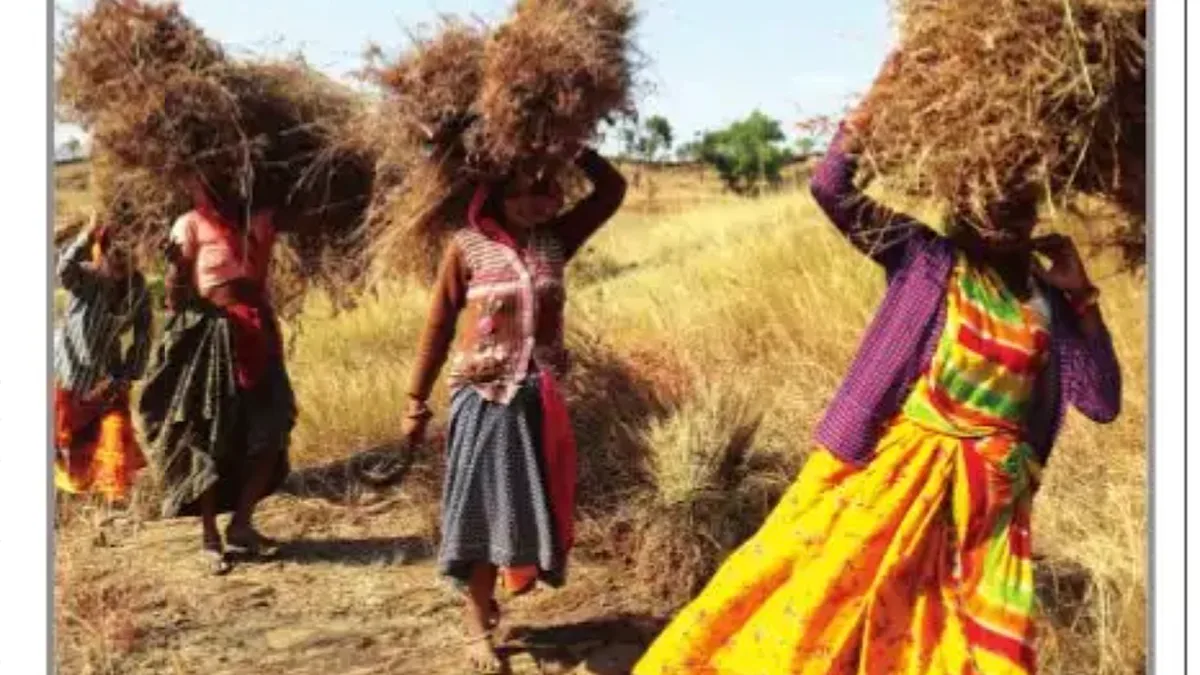
Generally, it is taken for granted that the journey on the path of development is accompanied by increasing urbanization.

A doctor and nursing staff at a Maharashtra hospital were allegedly assaulted by a local corporator, exposing a disturbing irony.

The barricading of the Shambhu border in Haryana to prevent farmers from travelling to Delhi raises a question larger than the protest itself.
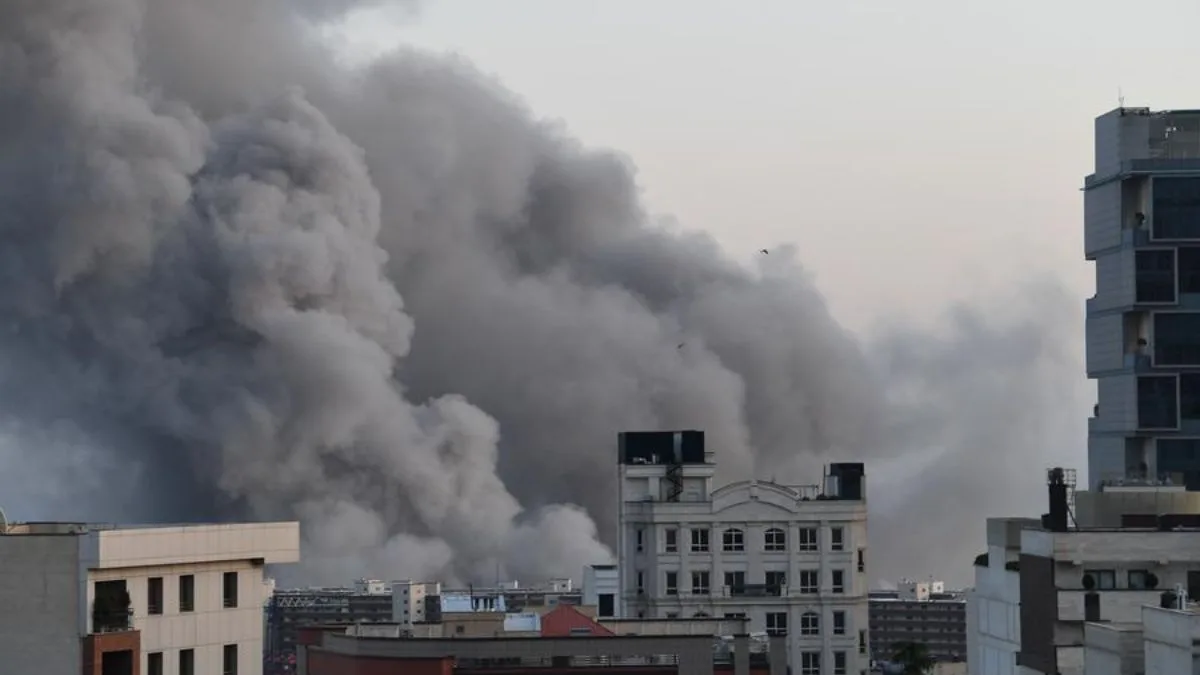
The renewed war between the United States and Iran has again placed American and Israeli military interests on apparently common ground.
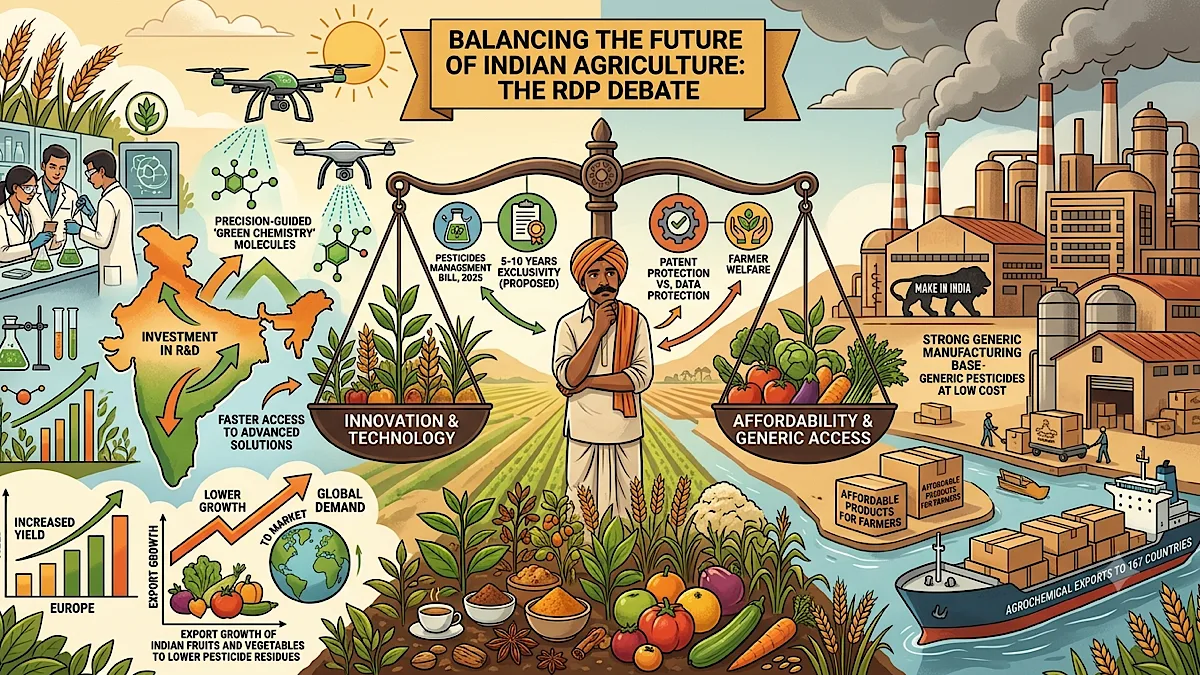
India’s agrochemical industry, a major global hub for crop protection product manufacturing, is at the heart of a significant policy discussion that could shape the future of agricultural innovation, domestic production, exports, and farmer welfare.

In this context, social media was once imagined as the great equaliser, having seemingly dismantled this hierarchy.
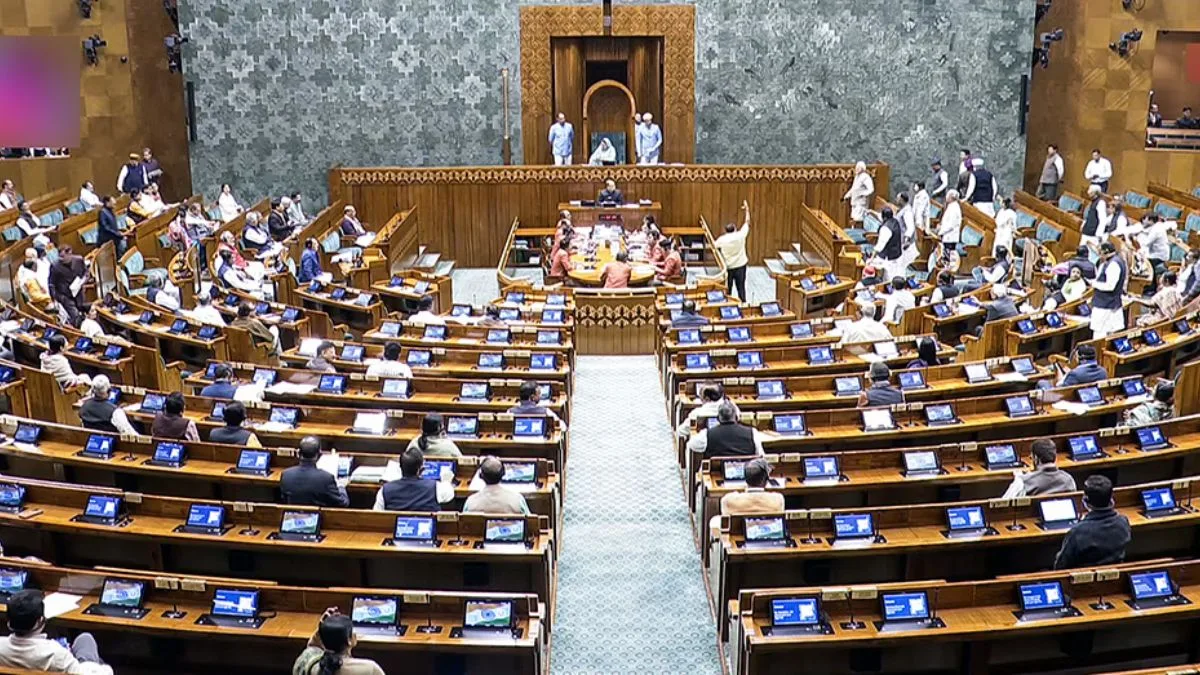
India’s democracy has long been defined by its scale, its diversity, and its remarkable continuity.

The resignation of Justice Yashwant Varma - in whose Delhi residence wads of cash were reportedly found - is not merely an individual act of exit; it is a revealing stress test of India’s judicial accountability framework.

When US First Lady Melania Trump stepped forward to deny any meaningful association with Jeffrey Epstein while simultaneously calling for congressional hearings for his victims, she did more than issue a personal clarification.
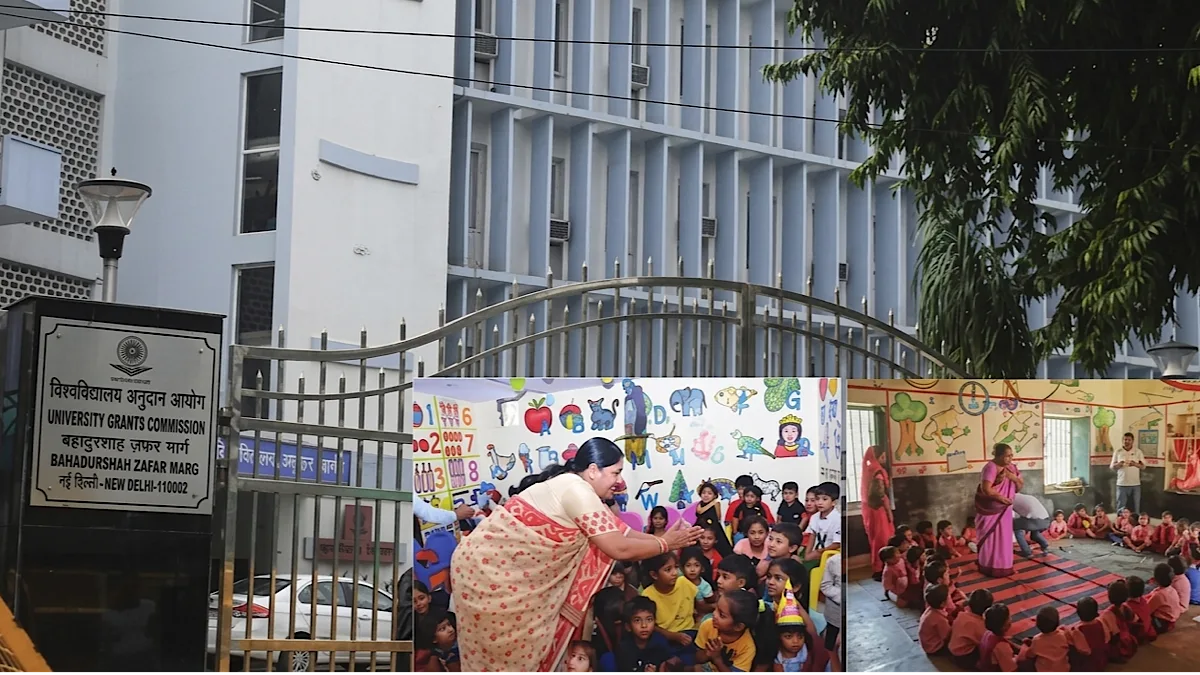
Debates have begun on a directive of the University Grants Commission in which colleges and universities are urged to adopt at least five to six Anganwadi centres to monitor child care and early education of children.