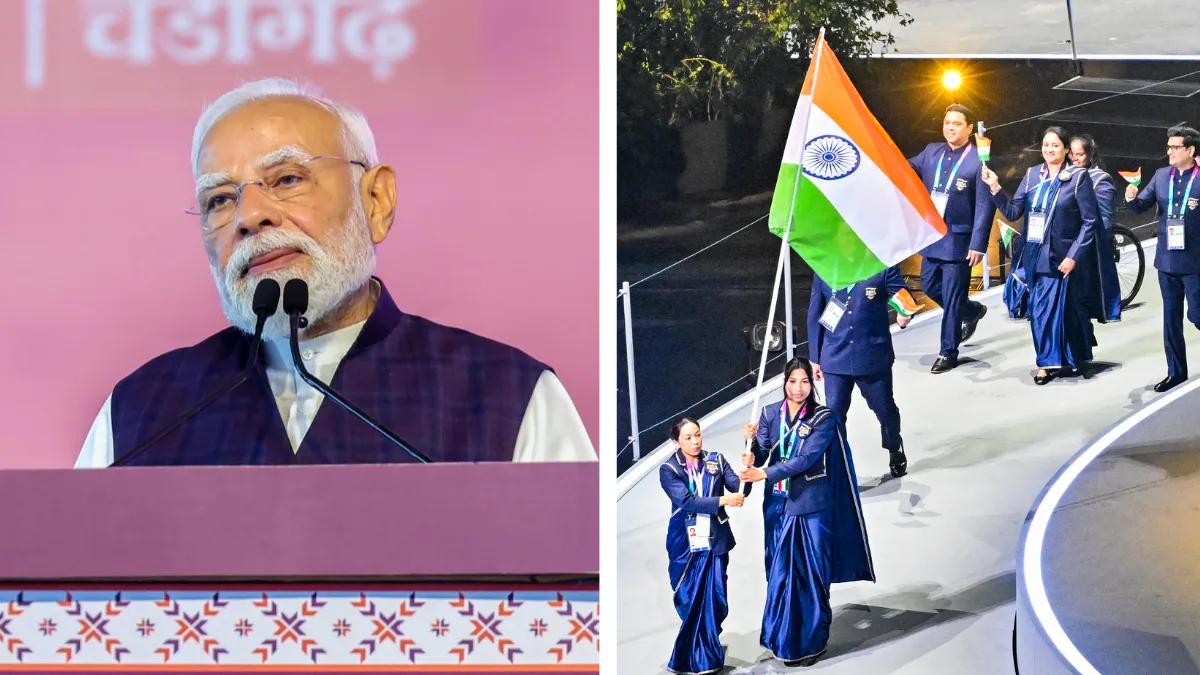
Striving for the Gandhian ideal
Generally, it is taken for granted that the journey on the path of development is accompanied by increasing urbanization.
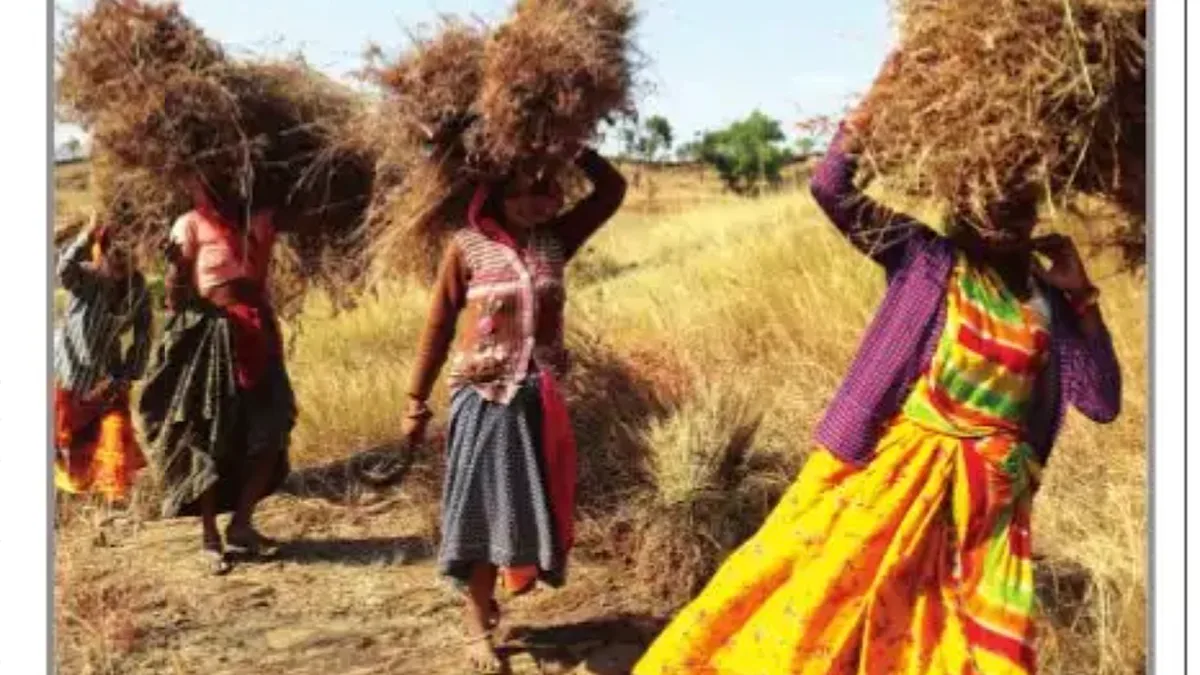
Generally, it is taken for granted that the journey on the path of development is accompanied by increasing urbanization.

A doctor and nursing staff at a Maharashtra hospital were allegedly assaulted by a local corporator, exposing a disturbing irony.
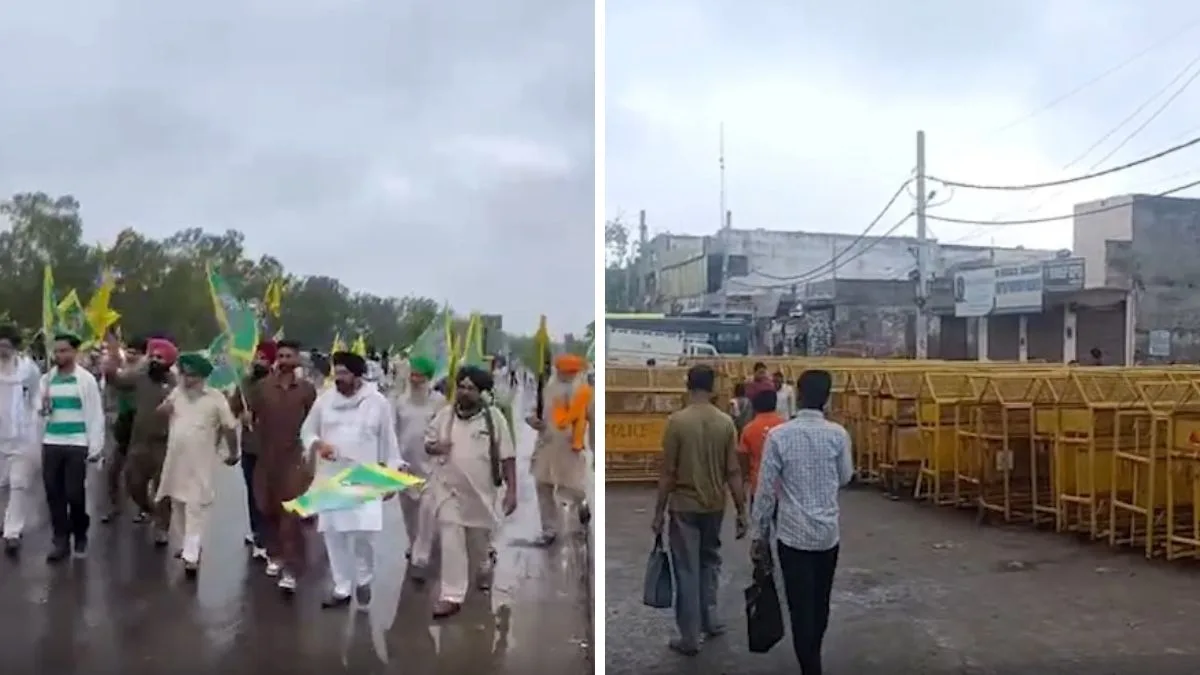
The barricading of the Shambhu border in Haryana to prevent farmers from travelling to Delhi raises a question larger than the protest itself.
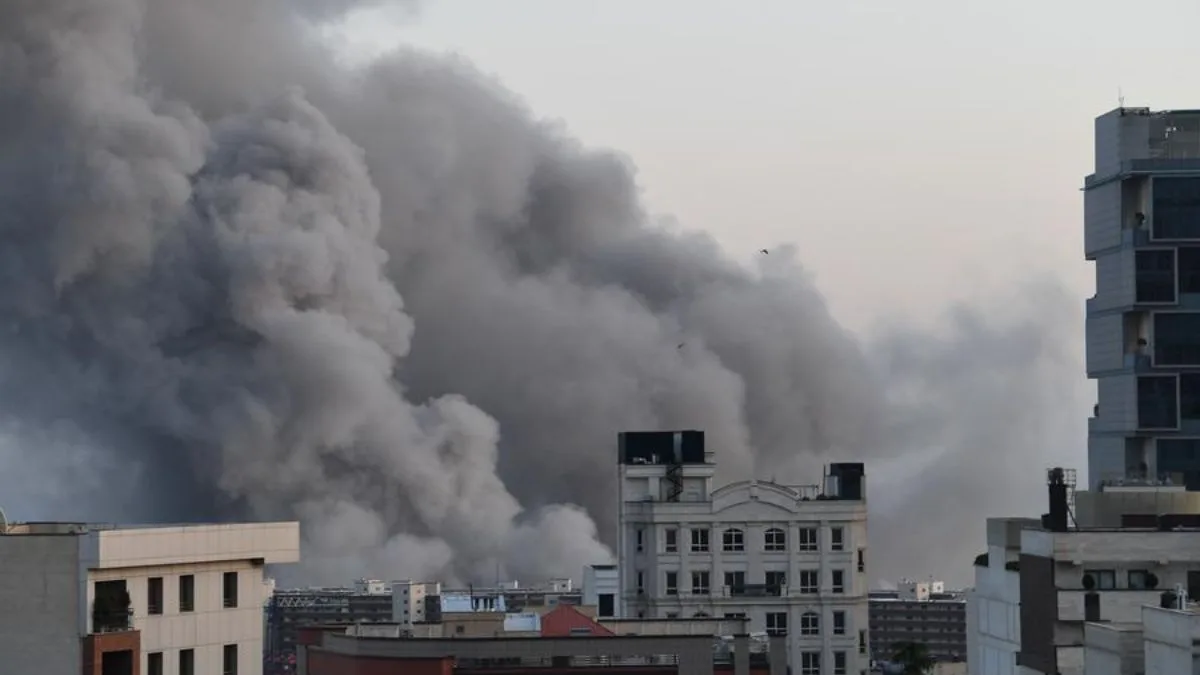
The renewed war between the United States and Iran has again placed American and Israeli military interests on apparently common ground.
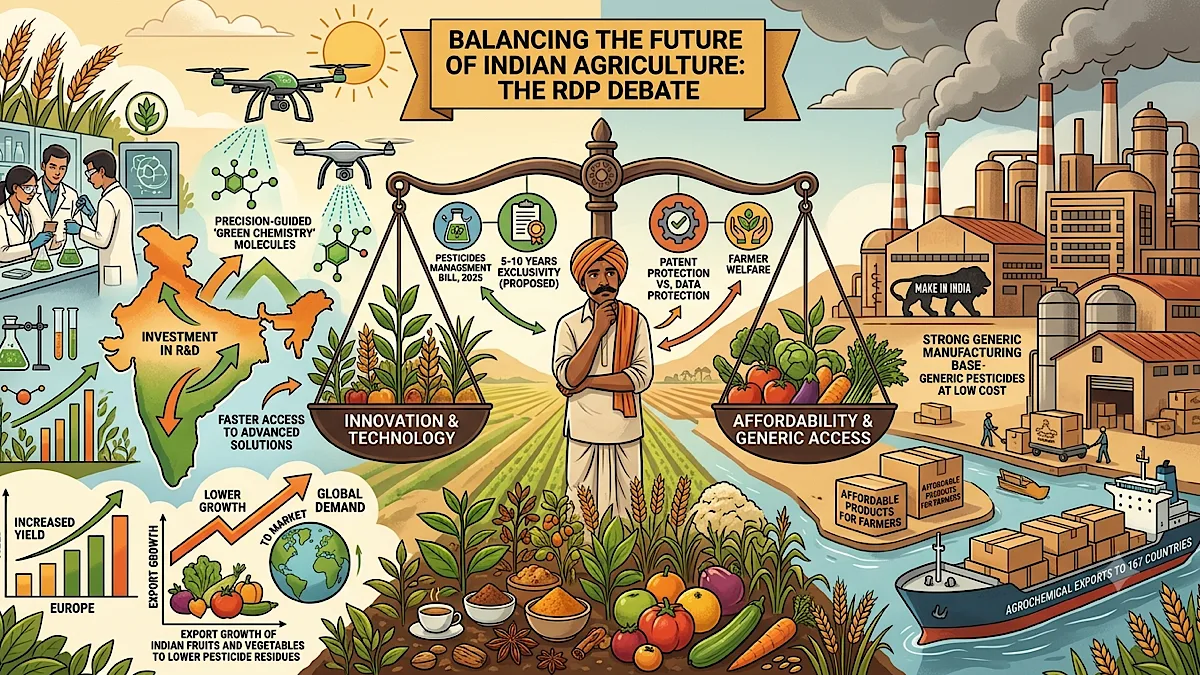
India’s agrochemical industry, a major global hub for crop protection product manufacturing, is at the heart of a significant policy discussion that could shape the future of agricultural innovation, domestic production, exports, and farmer welfare.

A day after he tweeted the “whole civilization will die tonight” and hours b efore his deadline, President Donald Trump announced a ceasefire.
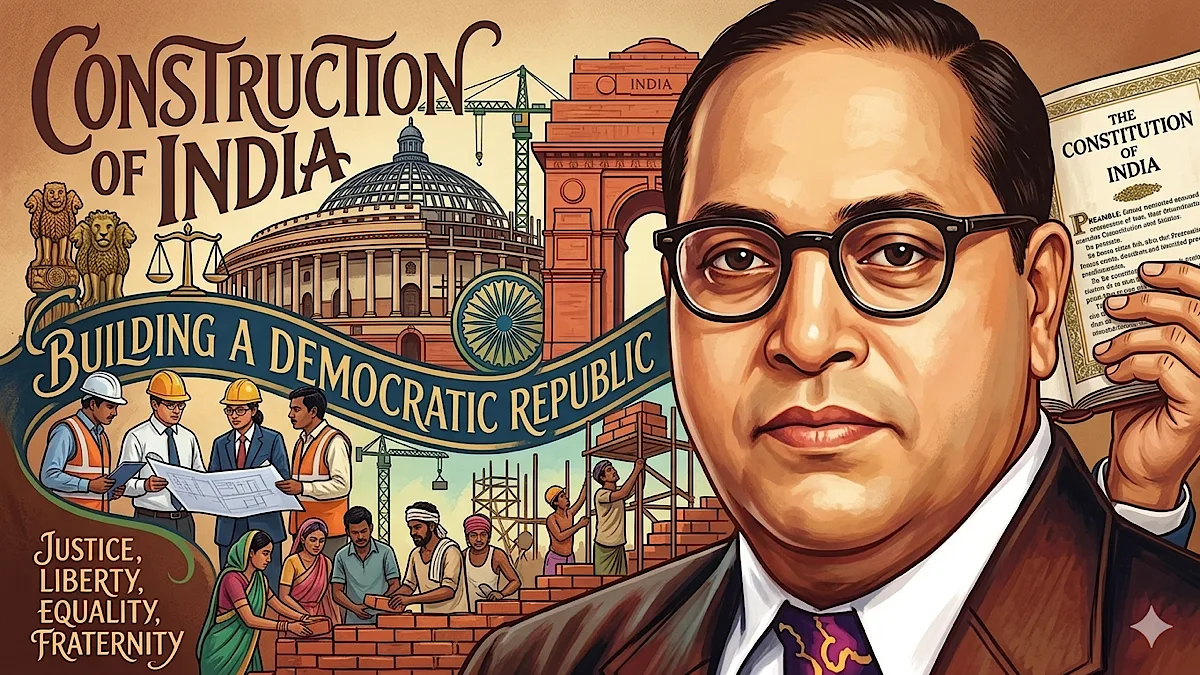
Everyday language in India continues to reflect deeply embedded social hierarchies. What often appears as courtesy or cultural practice may, in fact, encode patterns of power, deference and social ordering.

The death of Asha Bhosle is not merely the passing of a celebrated artist; it signals the fading of a cultural ecosystem that once defined Indian cinema.

West Bengal’s electoral politics has long turned on a simple but powerful arithmetic: consolidation versus fragmentation.

India’s steady transition from one of the world’s largest arms importers to an emerging defence exporter marks a significant structural shift in its strategic and economic trajectory.