Striving for the Gandhian ideal
Generally, it is taken for granted that the journey on the path of development is accompanied by increasing urbanization.
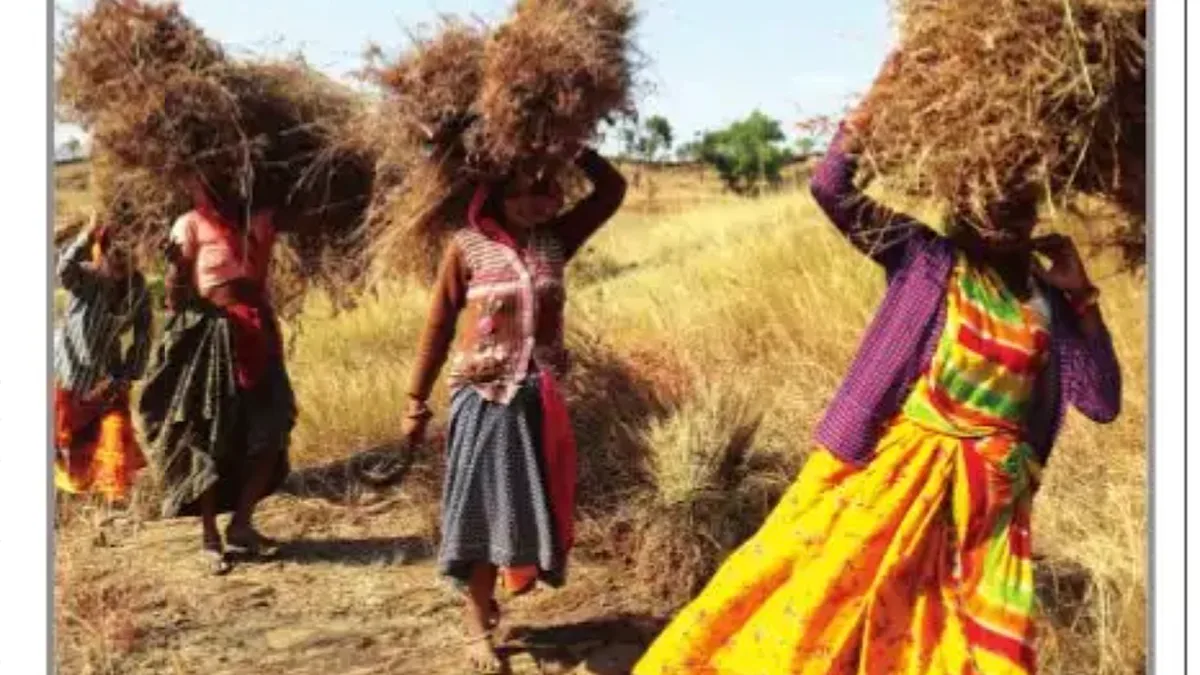
Generally, it is taken for granted that the journey on the path of development is accompanied by increasing urbanization.

A doctor and nursing staff at a Maharashtra hospital were allegedly assaulted by a local corporator, exposing a disturbing irony.
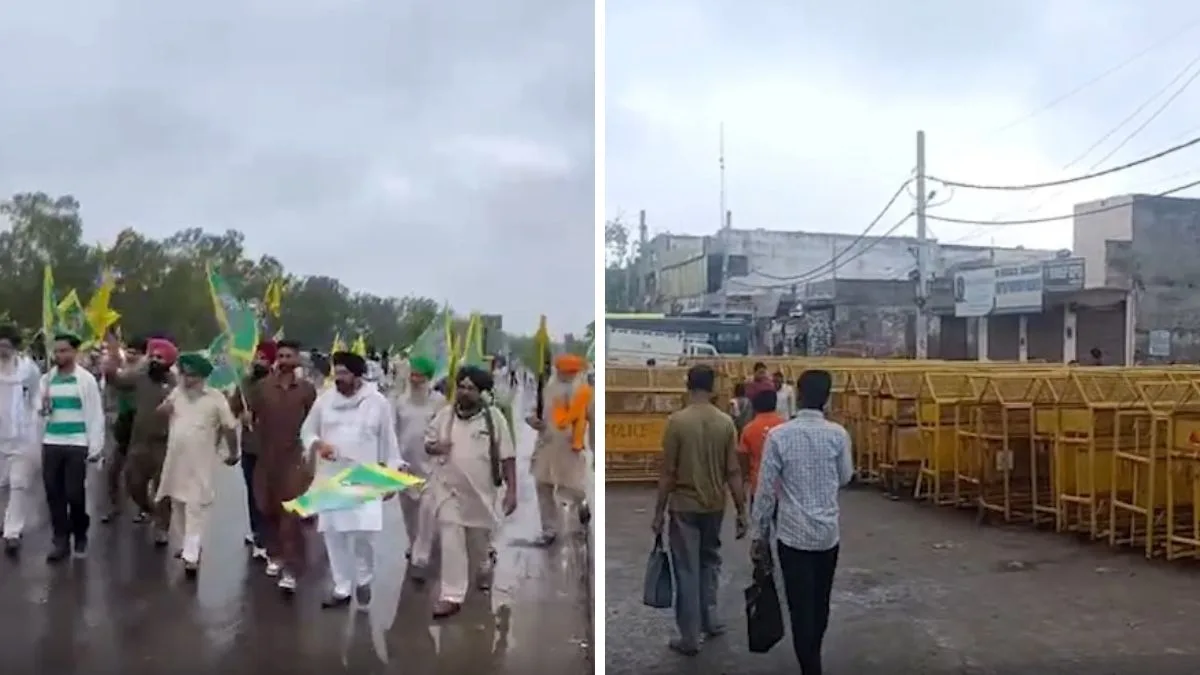
The barricading of the Shambhu border in Haryana to prevent farmers from travelling to Delhi raises a question larger than the protest itself.
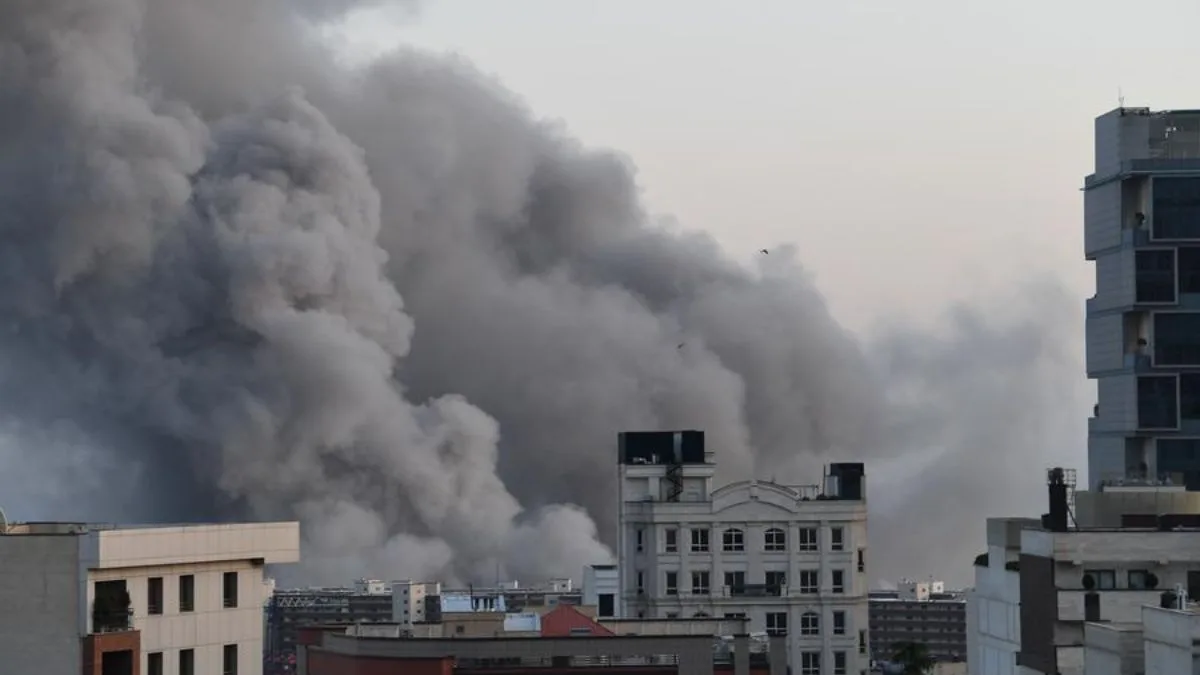
The renewed war between the United States and Iran has again placed American and Israeli military interests on apparently common ground.
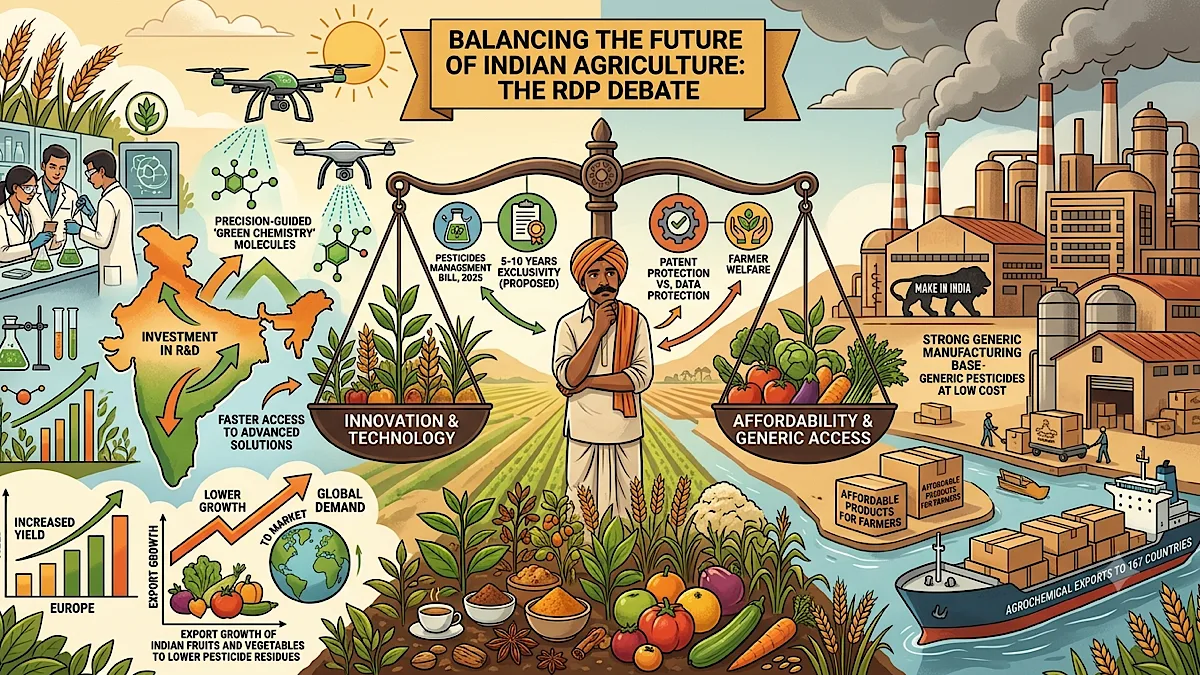
India’s agrochemical industry, a major global hub for crop protection product manufacturing, is at the heart of a significant policy discussion that could shape the future of agricultural innovation, domestic production, exports, and farmer welfare.
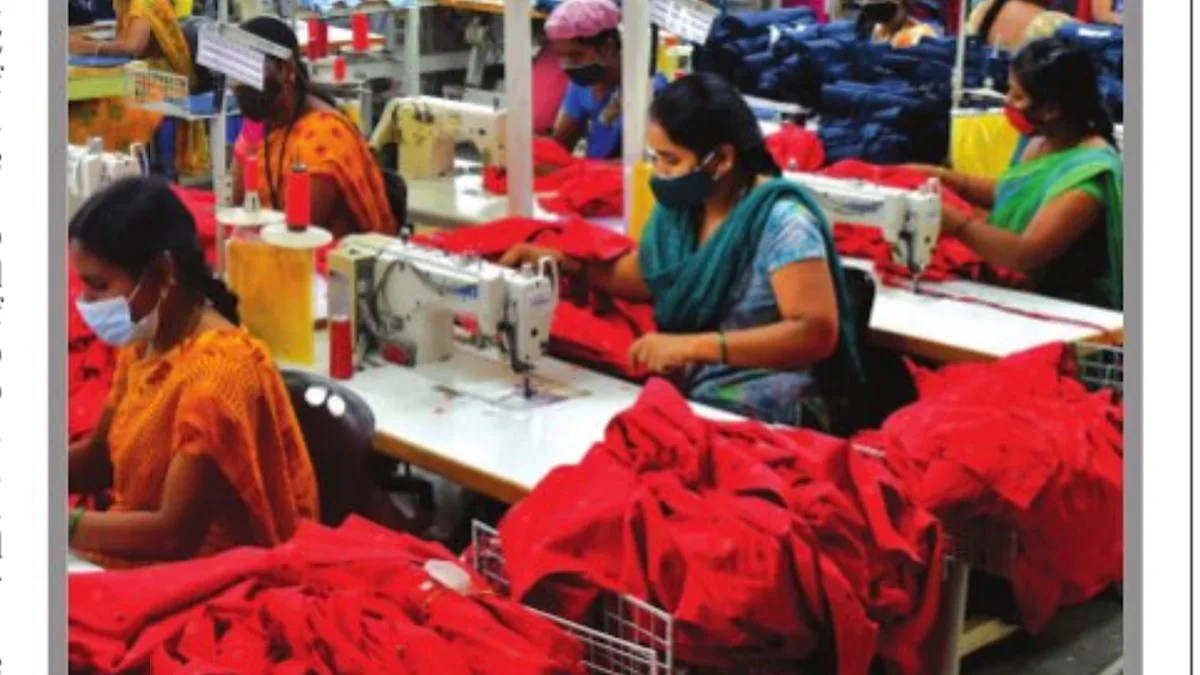
The increase in women's participation in labour force is generally celebrated as an umbrella statement.
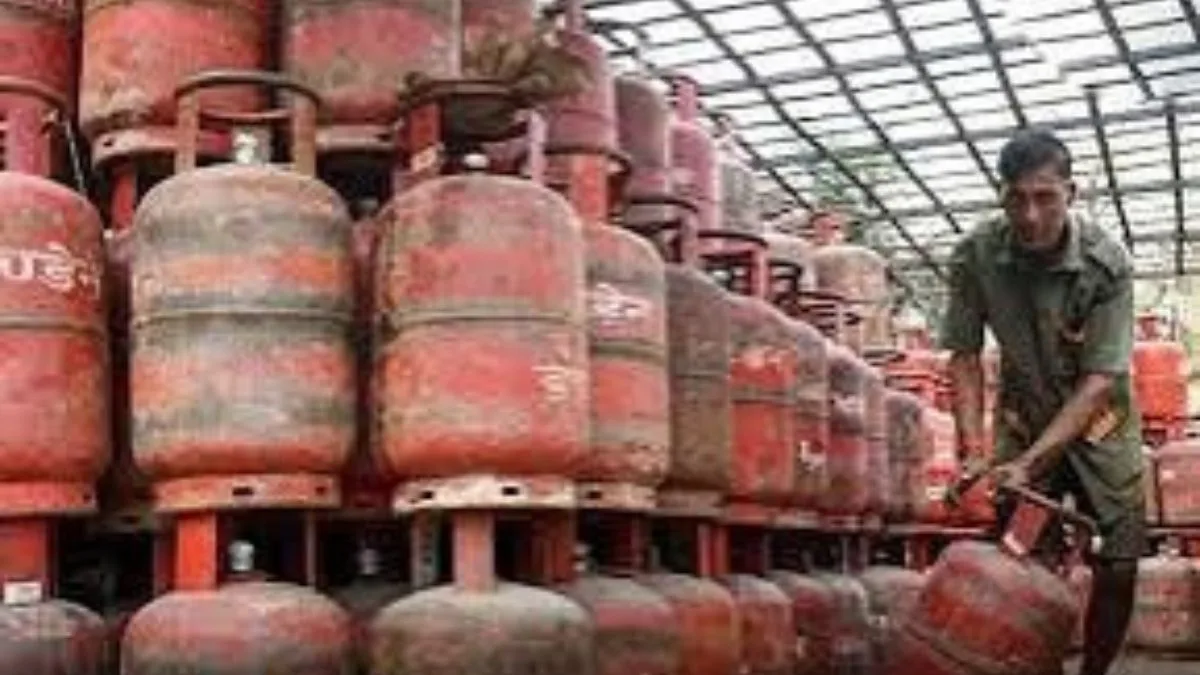
The crisis unfolding across India’s cities is not, at its core, about cooking gas. It is about the quiet architecture of exclusion that underpins urban growth.

The contest shaping the 21st century is not a war in the traditional sense, but a race to define how intelligence itself will be produced, deployed, and controlled.
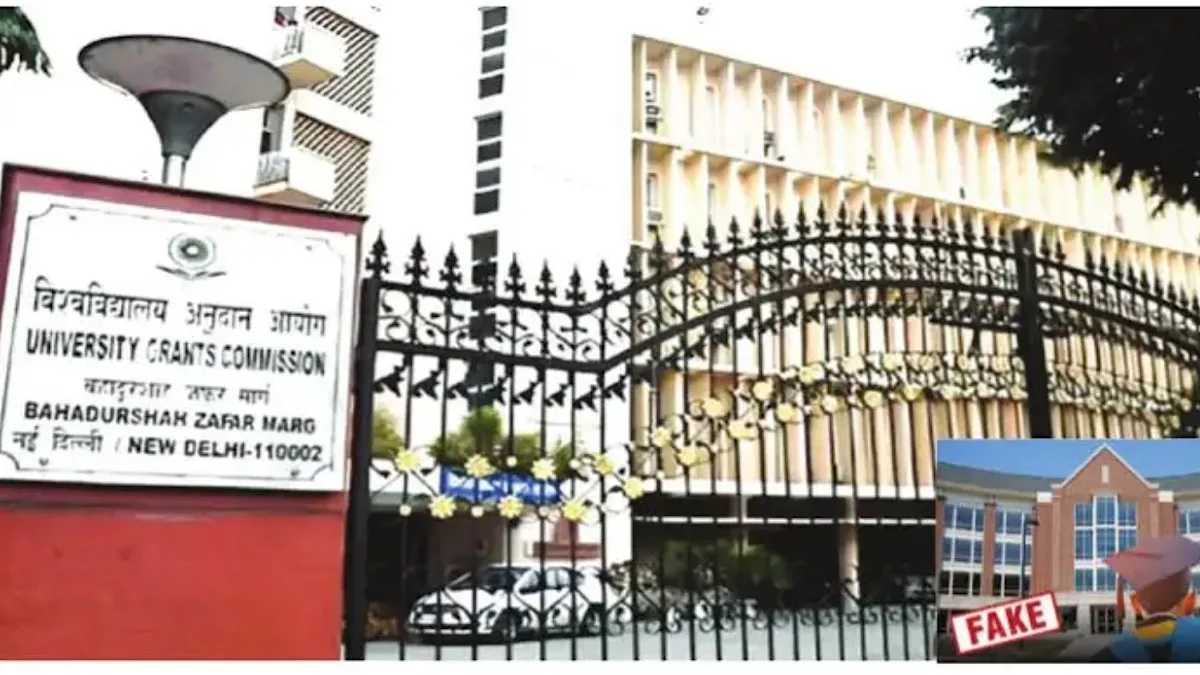
Education has long been regarded as the bedrock of a nation’s progress and the primary vehicle for individual upward mobility.

The global water crisis has crossed into an era of water bankruptcy, a term coined by a landmark UN report published in January 2026.
![‘Beginning of accountability’: Sonam Wangchuk reveals 3 written assurances from Centre before ending fast [VIDEO]](https://www.thestatesman.com/wp-content/uploads/2026/07/Sonam-Wangchuk-1-1.webp)