A few years ago, India set itself a bold target: $2 trillion total exports by 2030, split evenly between goods and services. While recent remarks from Commerce and Industry Minister Piyush Goyal suggest the target could slip to 2032, there are still grounds for optimism. While recent landmark trade deals with the EU and US will bring us closer to that goal by increasing market access, agreements alone do not equal exports.
The challenge lies in turning access to sustained growth, and this requires something less visible than trade agreements, but equally as powerful: trust and knowledge. This is where India’s extensive network of diaspora entrepreneurs can play a decisive role in accelerating exports. The Indian diaspora is the largest in the world, and I’m proud to be a part of it. As I spend more time on the ground and begin to think about the long-term role I want to play when I retire to India, I find myself increasingly drawn to building and strengthening the bridges that connect India with the wider world.
Advertisement
And I’m not alone in that belief. I’ve spoken to so many diaspora entrepreneurs and leaders who feel similarly: that those of us living and working abroad have a responsibility to use our positions to deepen the connections between Indian businesses and global investors, partners, and markets. The Indian diasp ora is an underutilised asset. Embedded in foreign markets worldwide, they offer two distinct advantages: a practical understanding of how those markets function, and established credibility within them.
This means they can help Indian firms get to grips with a foreign market and build trust with prospective buyers. While all first-time exporters would benefit from the experience and conne ctions of diasp ora entrepreneurs, it is India’s Micro, Small, and Medium Enterprises (MSMEs) that stand to gain the most. Less than 1.5 per cent of India’s MSMEs are exporting (PwC), despite accounting for 46 per cent of India’s total exports last year. Expanding the pool of exporting MSMEs represents a clear avenue for export growth. They’re held back by limited market knowledge and difficulties building trusted networks and finding first buyers.
Diaspora entrepreneurs can help address each of these in turn. The first way that diaspora entrepreneurs can help is by closing the knowledge gap that confronts Indian firms when they first look to export to foreign markets. Unfamiliar and complex regulations, standards, and procurement rules act as a friction on export growth, slowing businesses down – or deterring them from exporting altogether. Navigating these rules requires an understanding of foreign markets that many MSMEs lack, but which diaspora entrepreneurs understand intimately.
They are familiar not only with regulatory requirements but also with the cultural expectations that shape negotiations, payment terms, and risk assessments. By sharing this insight, they can help Indian firms shorten the learning curve associated with exporting, helping their products reach foreign markets sooner. That acceleration matters if India is to make sustained progress towards its export target. The se cond way diasp ora entrepreneurs can bring India closer to the 2030 export target is by helping first-time exporters build trust in foreign markets. Trust is a critical asset in export markets. It impacts buyers’ perceived risk, which, in turn, affects their willingness to buy from exporters. It’s a luxury that first-time exporters lack.
However strong their product, they enter new markets without a track record on delivery, quality, or reliability. Diaspora entrepreneurs can bridge that credibility gap. By vouching for Indian suppliers, embedding them into trusted distribution systems, or even acting as first buyers themselves, they reduce the perceived risk of engagement. In doing so, they help firms secure their first contracts – often the hardest to win. This creates the reference points needed for continued export growth. The remaining question is not whether diaspora entrepreneurs are willing to help. I think it’s whether India can coordinate that willingness effectively.
From my conversations with fellow diaspora entrepreneurs, I’ve found a clear appetite to support Indian businesses. For many, it’s both a way of contributing to India’s growth and an opportunity to deepen commercial ties with the country. But often what is missing is clarity: which firms to support, and how. There are some relatively simple interventions that could help bridge that gap. Targeted diaspora-MSME networks or mentorship programmes formalise knowledge sharing, while structured matchmaking platforms could connect diaspora entrepreneurs with relevant Indian firms.
This would create clearer pathways for diaspora leaders to act as first buyers or introduce Indian firms to their existing networks. The export target is ambitious but achievable, provided India mobilises the experience and influence of India’s diaspora. Trade policy opens markets; diaspora networks help firms compete within them. If India wants to see $2 trillion in exports by 2030, it needs both.
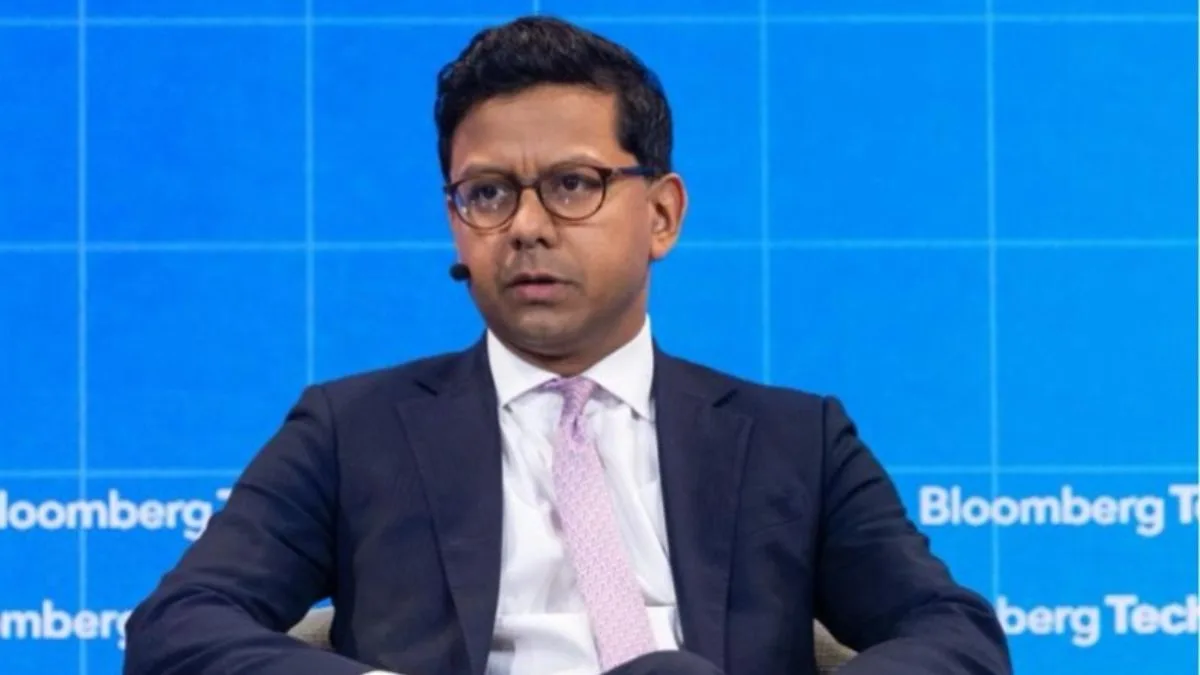
(The writer is an Indian entrepreneur, executive and investor based in London.)