Striving for the Gandhian ideal
Generally, it is taken for granted that the journey on the path of development is accompanied by increasing urbanization.
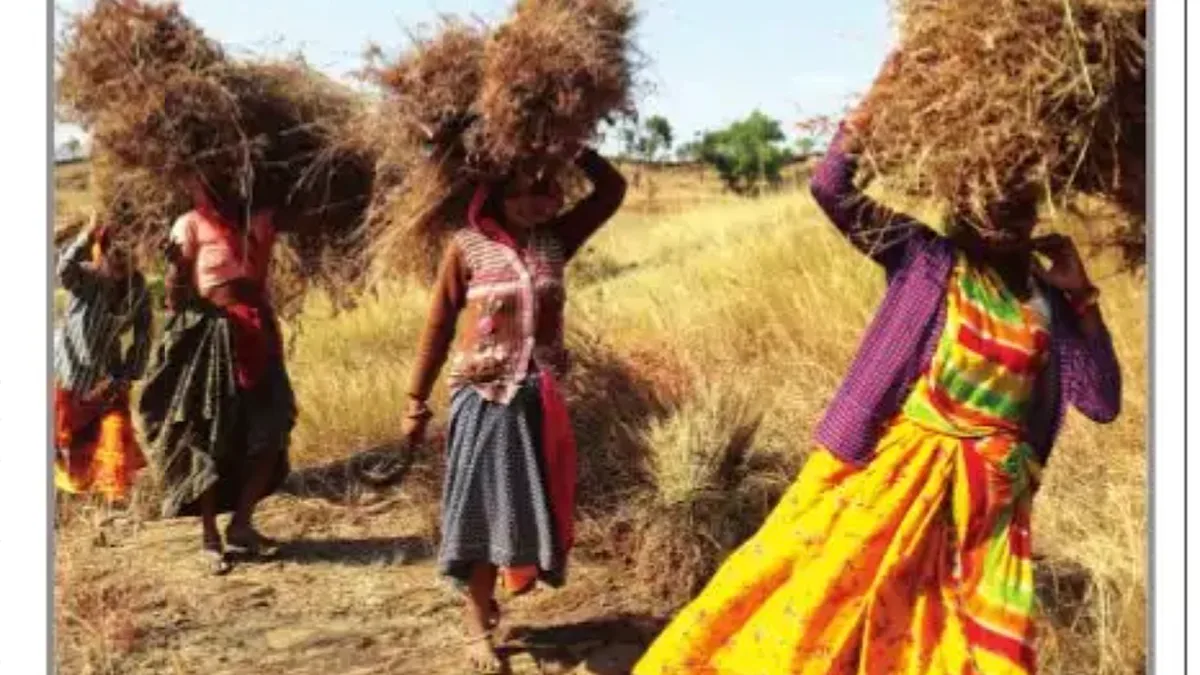
Generally, it is taken for granted that the journey on the path of development is accompanied by increasing urbanization.

A doctor and nursing staff at a Maharashtra hospital were allegedly assaulted by a local corporator, exposing a disturbing irony.
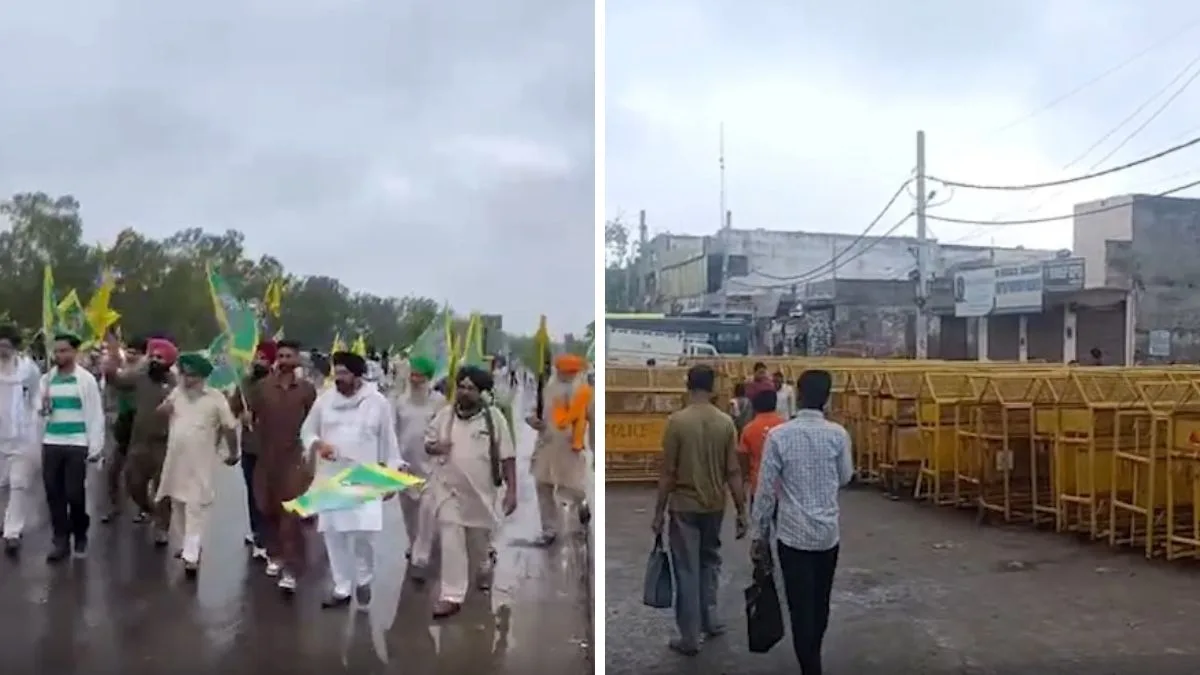
The barricading of the Shambhu border in Haryana to prevent farmers from travelling to Delhi raises a question larger than the protest itself.
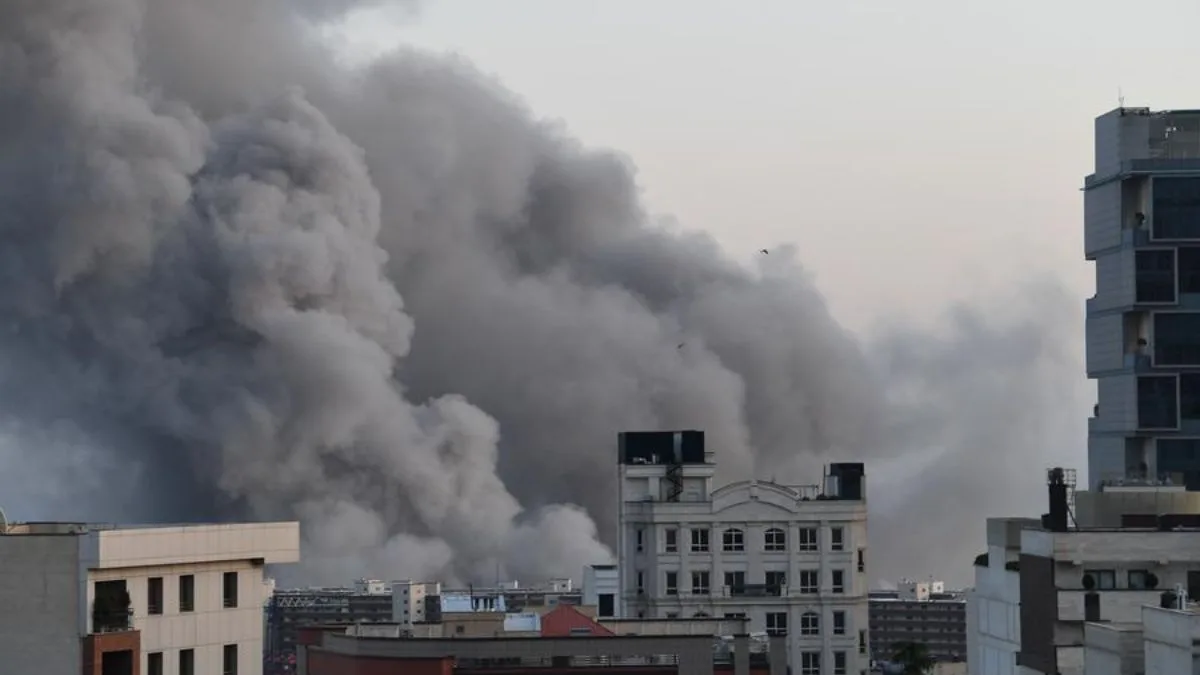
The renewed war between the United States and Iran has again placed American and Israeli military interests on apparently common ground.
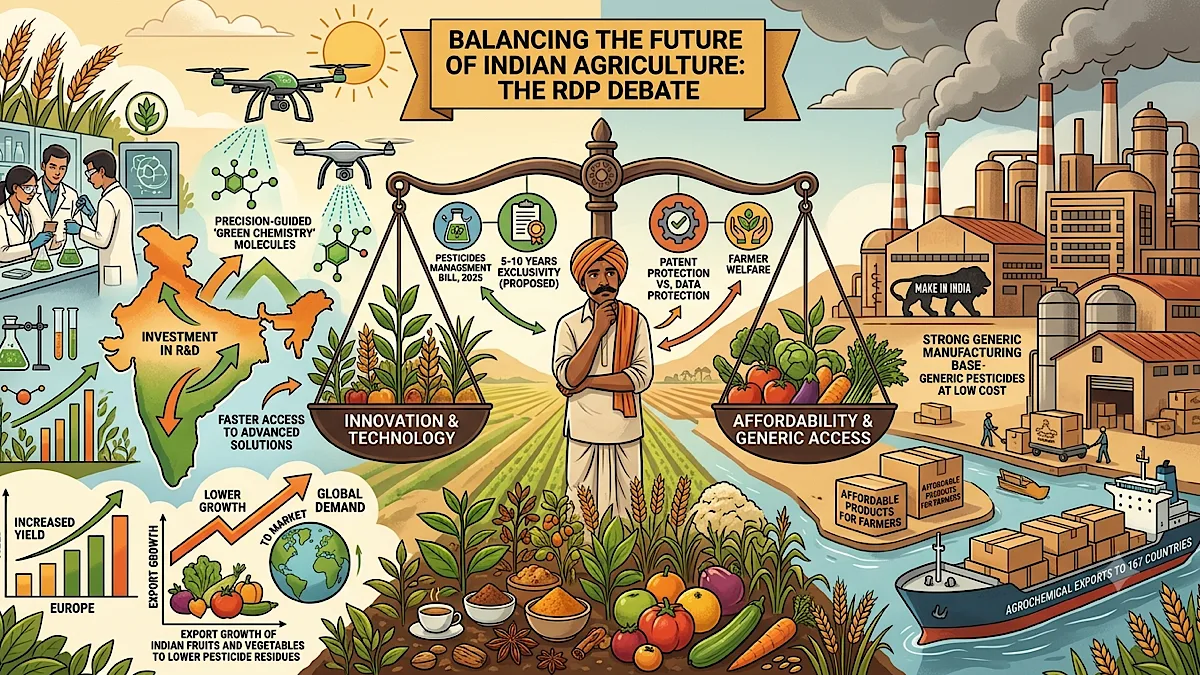
India’s agrochemical industry, a major global hub for crop protection product manufacturing, is at the heart of a significant policy discussion that could shape the future of agricultural innovation, domestic production, exports, and farmer welfare.
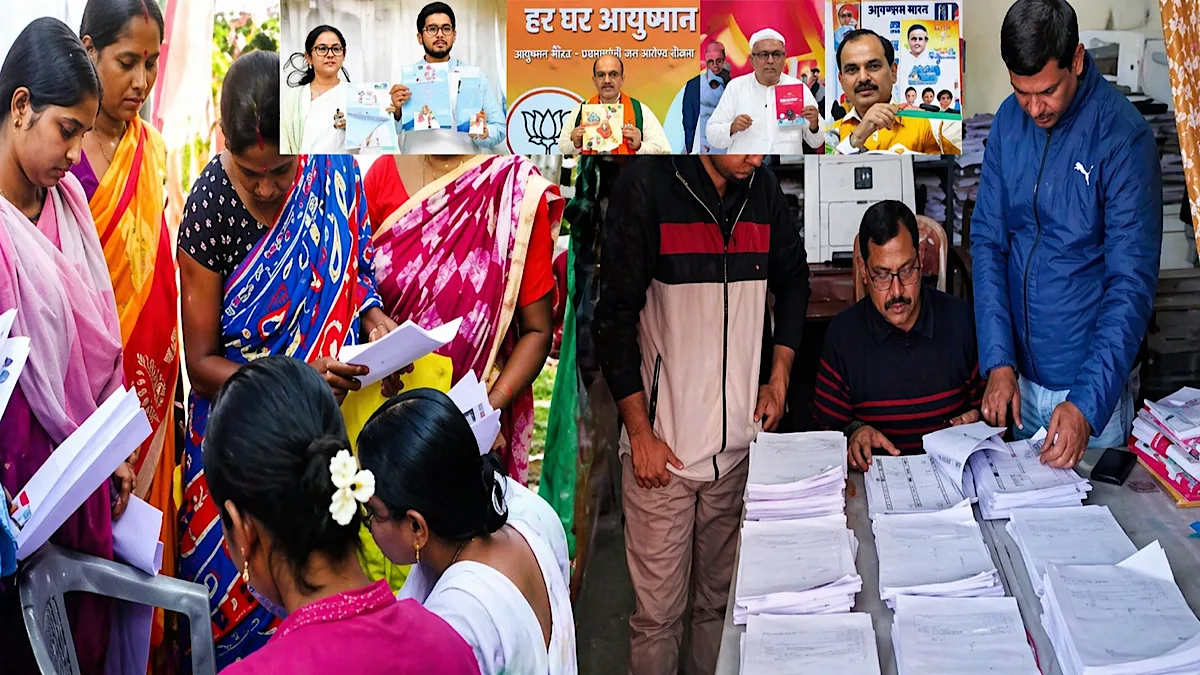
The electoral sky over battleground Bengal is thick with the dust raised by the controversy surrounding the Special Intensive Revision (SIR) of electoral rolls, occasionally punctuated by politics of cultural belonging, with candidates campaigning with fish in hand to prove their Bengali identity.

Geopolitical upheaval costs nations, leading to prolonged uncertainty and human sufferings which get compounded by a food and energy crisis.

The controversy surrounding British Prime Minister Keir Starmer and the appointment of Peter Mandelson as Ambassador to the United States is no longer a narrow dispute about a single decision gone wrong.

A few months ago, a cultural event in Kolkata centred on the Bengali word heyro. Loosely translated as “loser,” the programme leaned playfully into a familiar trope: the Bengali as a brilliant but impractical figure—intellectually animated yet economically unproductive.

The recent failure to pass a constitutional amendment expanding the Lok Sabha and state assemblies and linking it to women’s reservation is being framed, predictably, as a clash over gender justice.
![‘Beginning of accountability’: Sonam Wangchuk reveals 3 written assurances from Centre before ending fast [VIDEO]](https://www.thestatesman.com/wp-content/uploads/2026/07/Sonam-Wangchuk-1-1.webp)