Soft power now speaks a new language
Soft power in today's day and age of complex geopolitics has departed from the conventional nomenclature given to it.
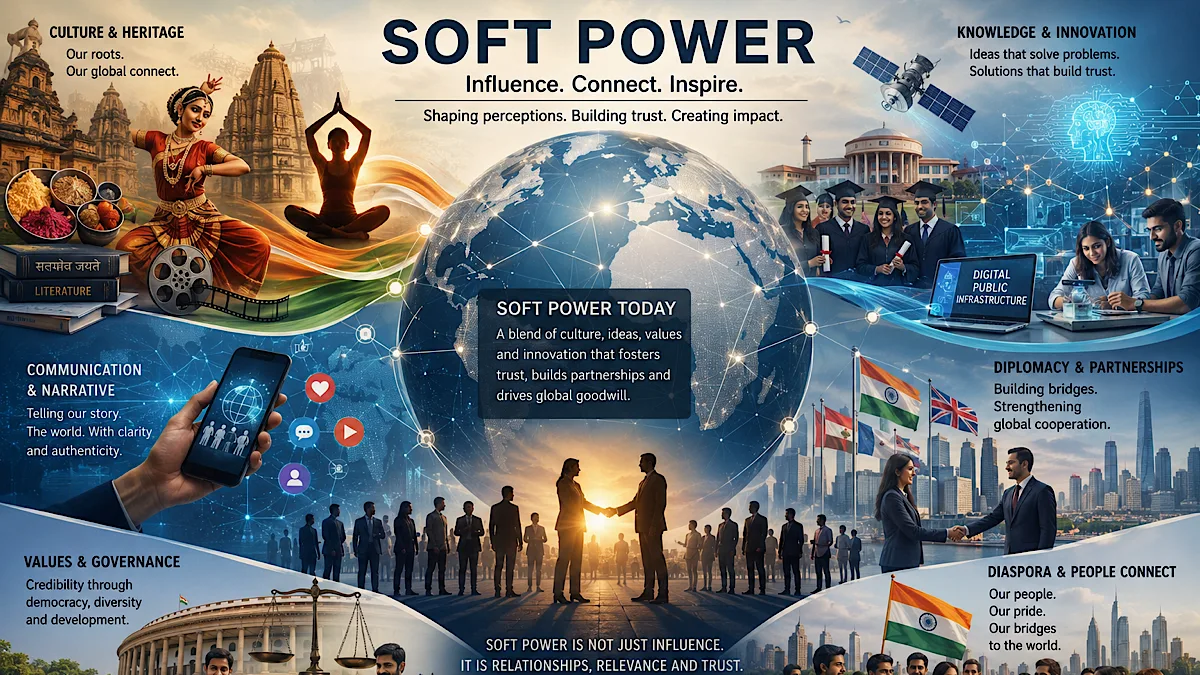
Soft power in today's day and age of complex geopolitics has departed from the conventional nomenclature given to it.
When Prime Minister Narendra Modi launched the Digital India Mission on 1 July 2015, many saw it as an ambitious technology programme aimed at expanding internet access and digitising government services.

For decades, India’s social contract rested on an assumption that required little intervention from the state: families would care for their elderly.

Every democracy owes two debts to its soldiers. The first is to equip them well enough to fight.
India is building its energy future on several pillars at once: bio-ethanol, coal gasification, renewables, and nuclear power.
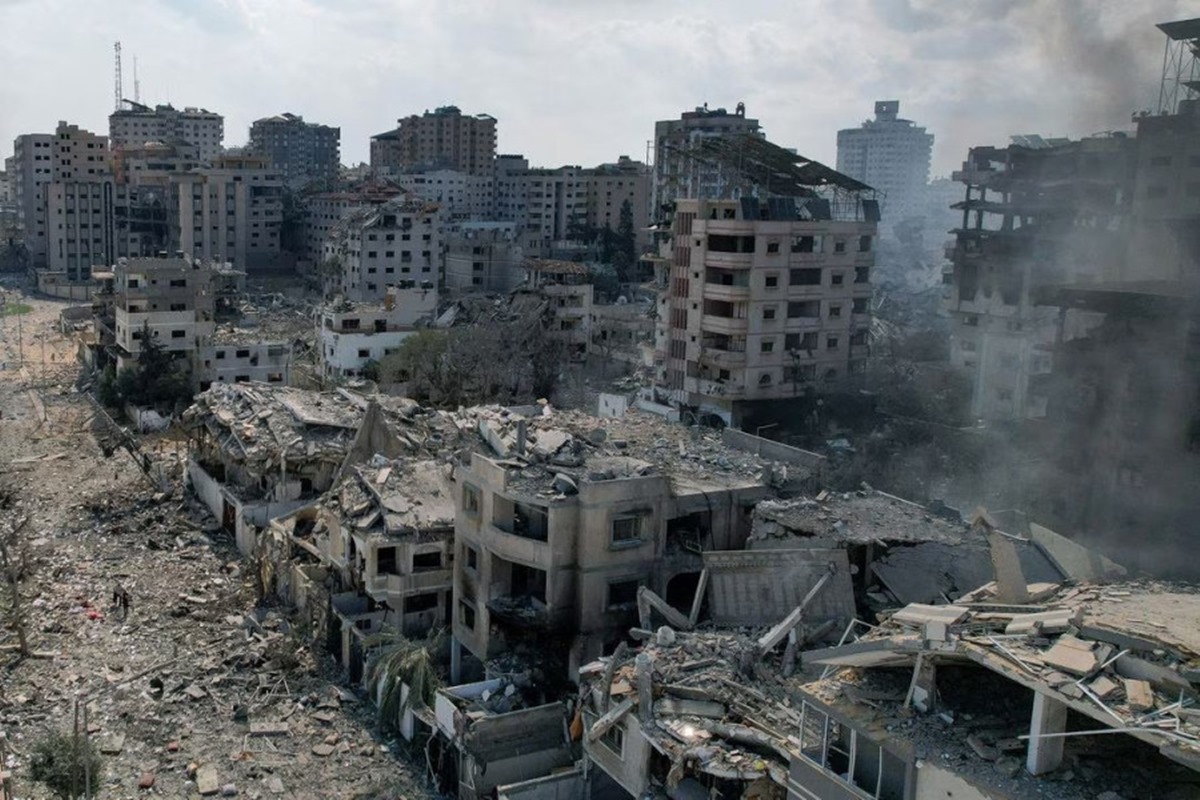
The outbreak of hostilities between Israel and Hamas has thrown yet another variable into the complex equation that is the global economy.

Beyond the faint sketches anodyne narratives, bereft of nettlesome interpretations of it, those far away from Spain haven’t really got to know a lot about Barcelona’s bribery story.
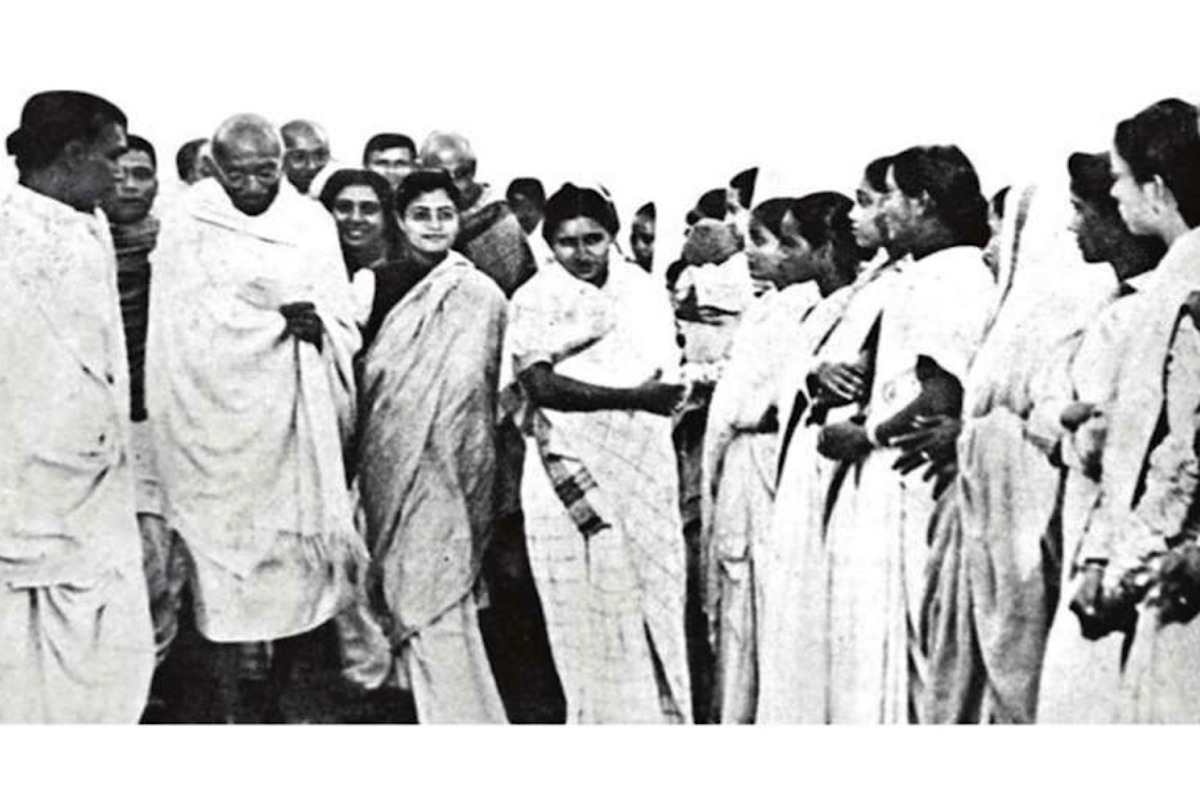
It is not often that Mahatma Gandhi is described as a radical thinker, though his life and career bear countless evidences of his fearless mind, his eagerness to support social change and evolve structured and progressive political thoughts and movements.
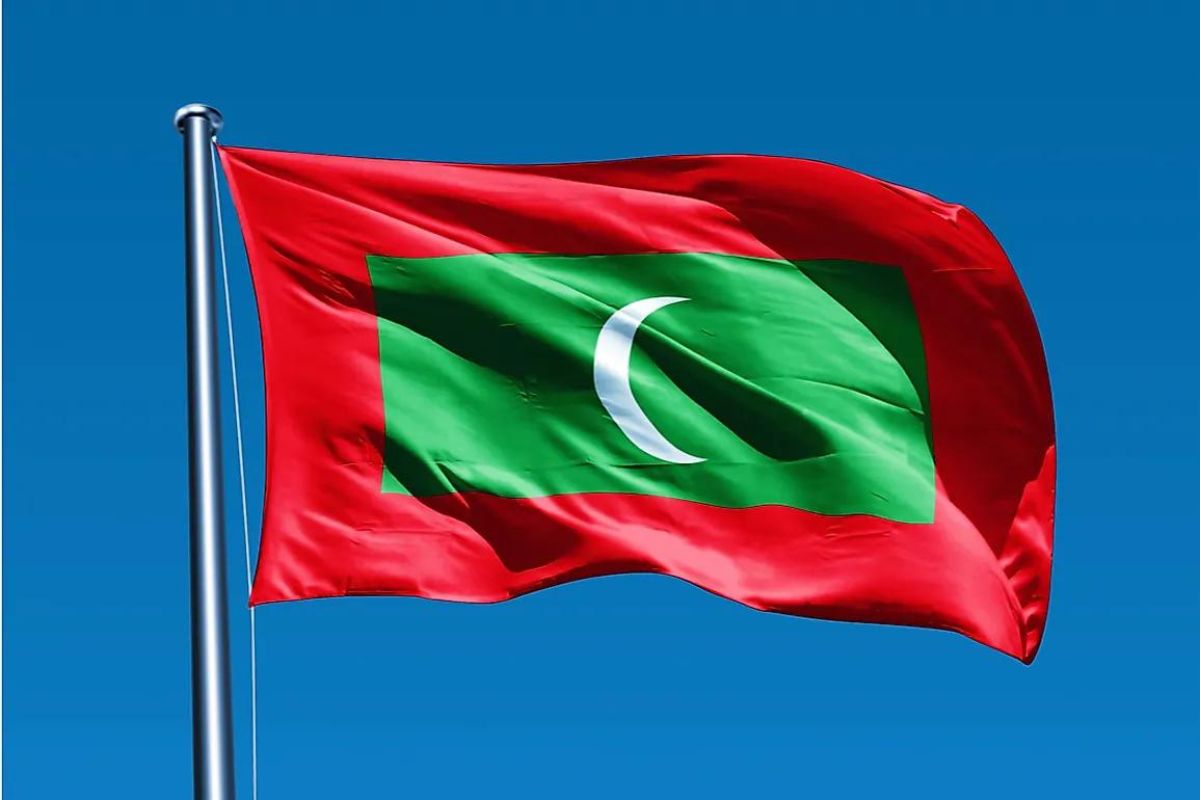
As Ambassador Rajiv Bhatia has recently written, the election and its results reflect a thriving democracy driven by voters’ concerns about key domestic issues such as employment, housing, education and healthcare.
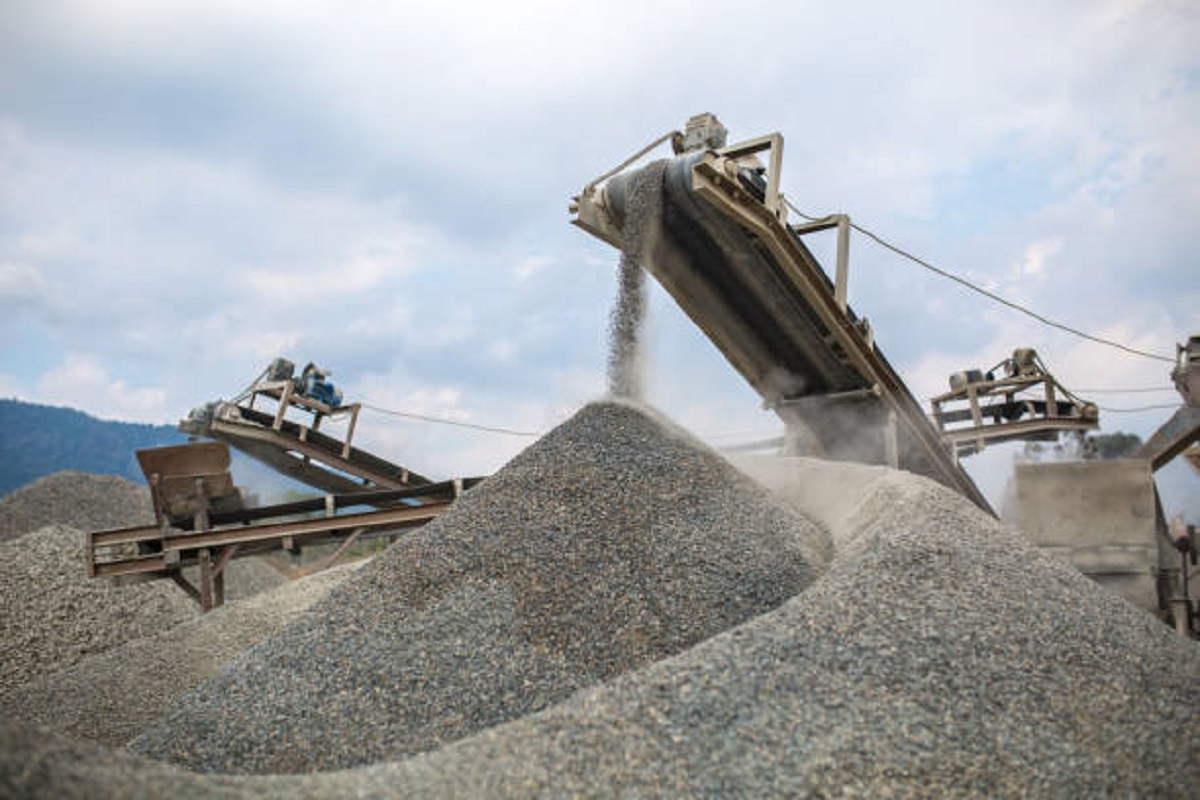
That amendment delisted six minerals, including Lithium and Niobium, from the category of atomic minerals, enabling their auction to the private sector.