Soft power now speaks a new language
Soft power in today's day and age of complex geopolitics has departed from the conventional nomenclature given to it.
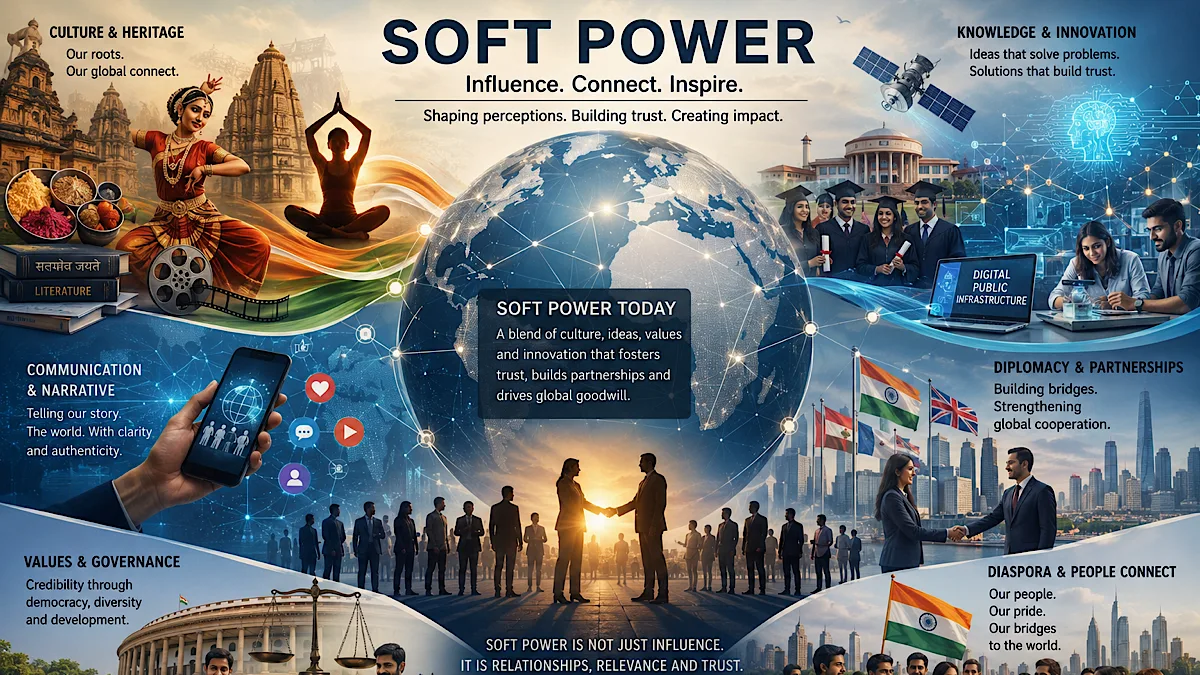
Soft power in today's day and age of complex geopolitics has departed from the conventional nomenclature given to it.

When Prime Minister Narendra Modi launched the Digital India Mission on 1 July 2015, many saw it as an ambitious technology programme aimed at expanding internet access and digitising government services.

For decades, India’s social contract rested on an assumption that required little intervention from the state: families would care for their elderly.

Every democracy owes two debts to its soldiers. The first is to equip them well enough to fight.
India is building its energy future on several pillars at once: bio-ethanol, coal gasification, renewables, and nuclear power.
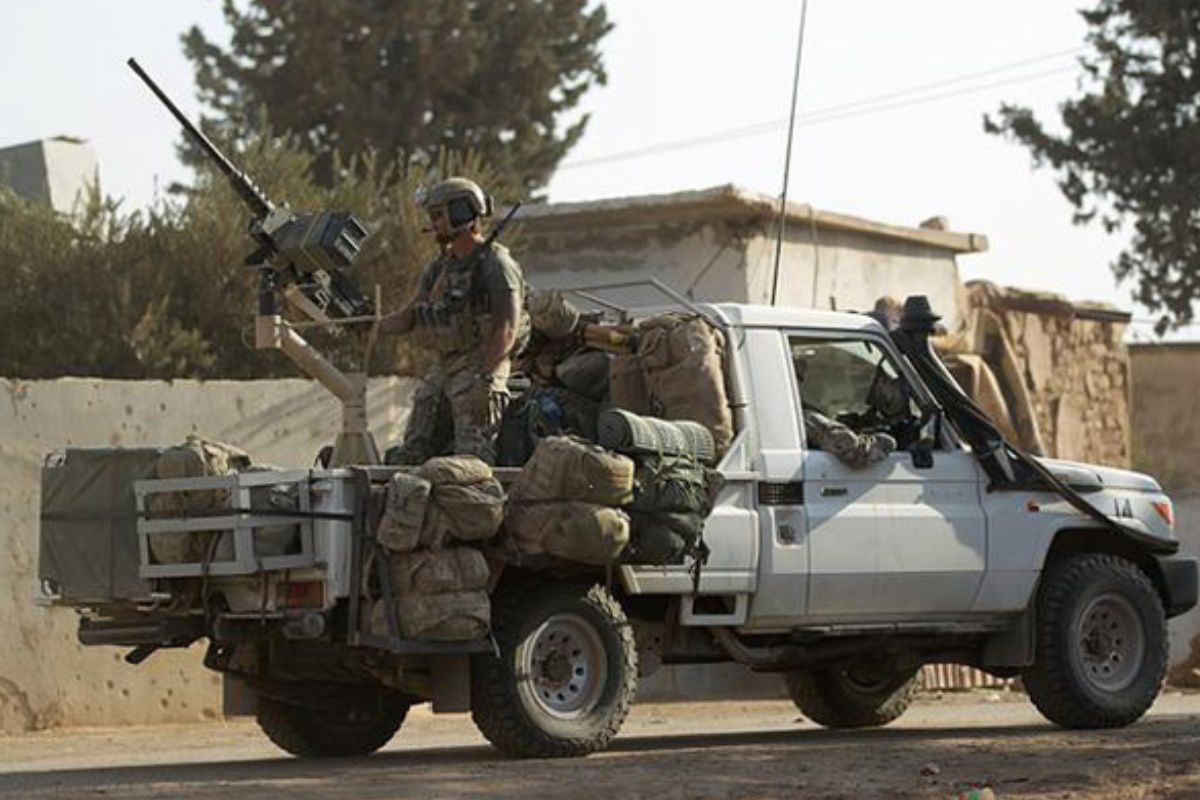
In a world marked by ever-evolving geopolitical dynamics, the recent report from the US Strategic Posture Commission urging a transformation in America's military strategy presents a sobering call for action.
The intricacies of data on China's economy, released on Friday, present both challenges and opportunities in the ongoing evolution of the world's second-largest economy.
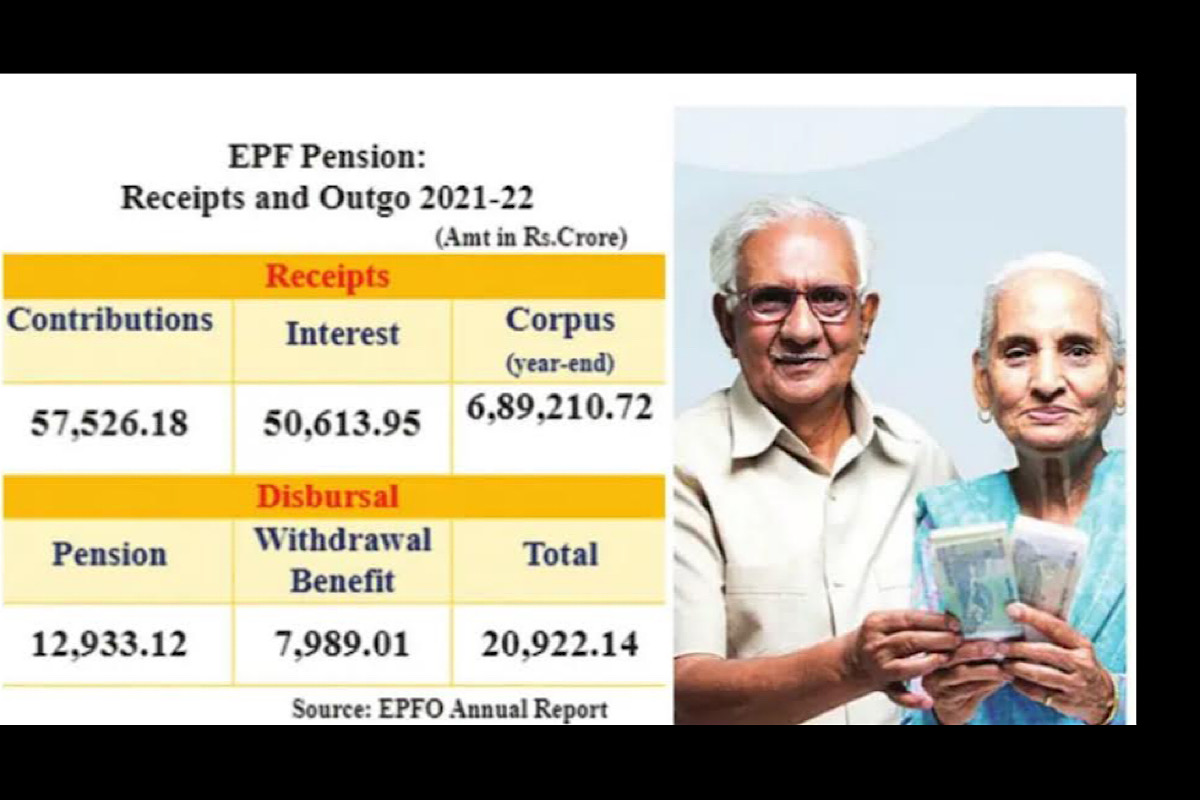
The new pension scheme for its employees, inferior to the existing one, is a case in point. More disturbing is the denial, due to some flimsy objections, of the higher pension right to a large number of employees already covered under the Employees’ Provident Fund (EPF) scheme, not to speak of the total exclusion of a category of employees recruited after 1 September 2014.
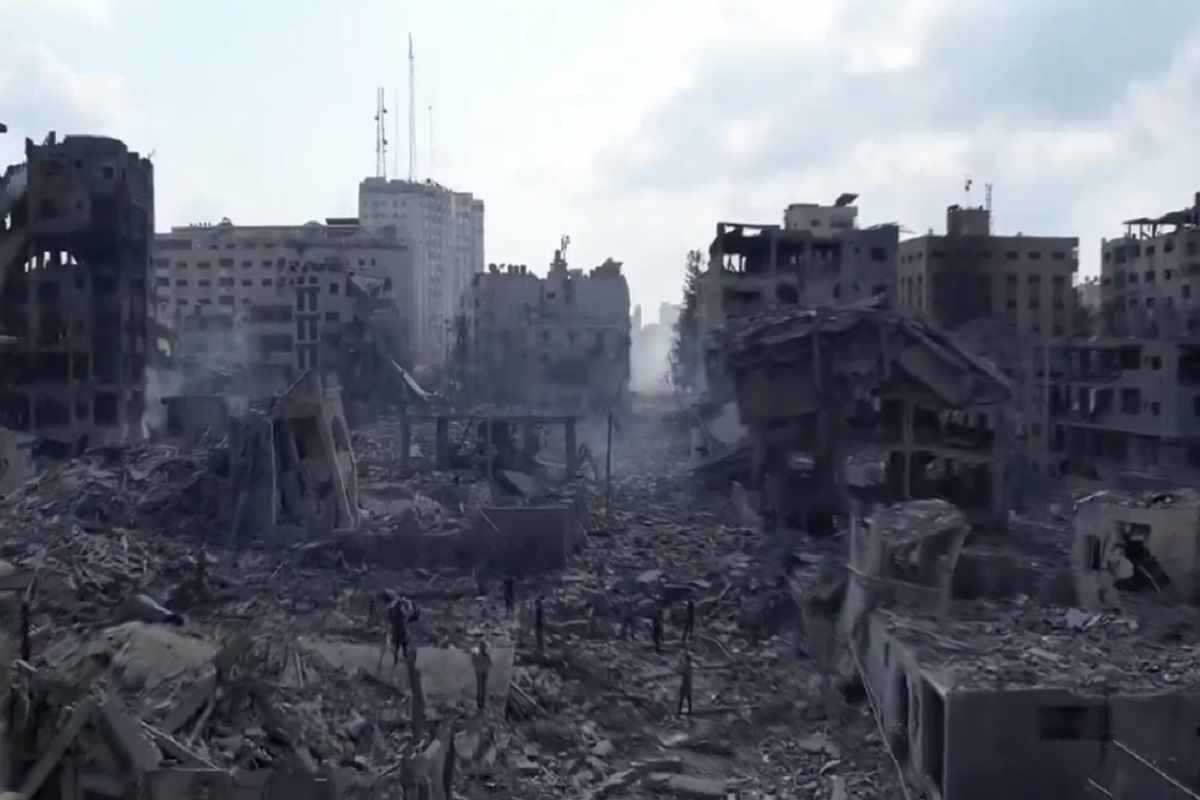
As news of Palestinian militant group Hamas launching a deadly attack on Israel and Israel’s threat of retaliation began to filter across news networks and social media platforms, a wave of misinformation and fake videos rose alongside.

The global call for climate action reflects equally in India’s reaffirmed commitment established through its updated Nationally Determined Contributions (NDC) from the 27th Conference of Parties (COP).