Soft power now speaks a new language
Soft power in today's day and age of complex geopolitics has departed from the conventional nomenclature given to it.
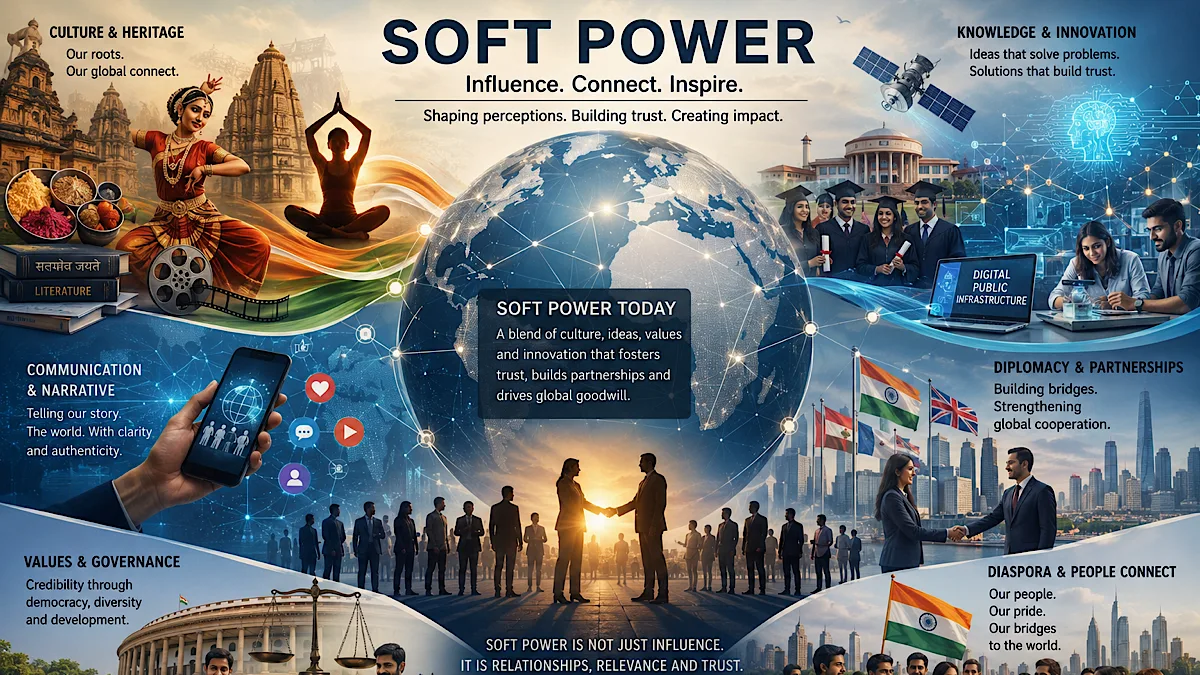
Soft power in today's day and age of complex geopolitics has departed from the conventional nomenclature given to it.
When Prime Minister Narendra Modi launched the Digital India Mission on 1 July 2015, many saw it as an ambitious technology programme aimed at expanding internet access and digitising government services.

For decades, India’s social contract rested on an assumption that required little intervention from the state: families would care for their elderly.

Every democracy owes two debts to its soldiers. The first is to equip them well enough to fight.
India is building its energy future on several pillars at once: bio-ethanol, coal gasification, renewables, and nuclear power.
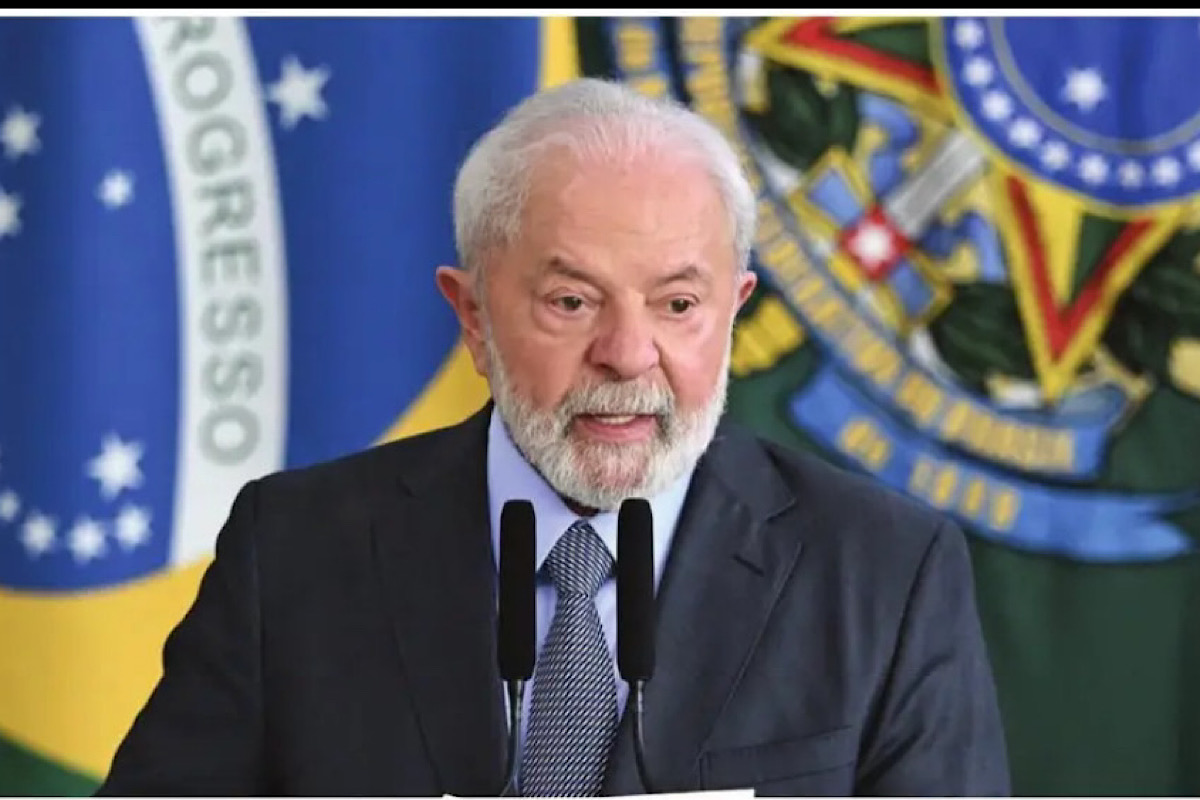
We live in a time of untrammelled and footloose capitalism. Free market capitalism has hardened into a dogmatic and monolithic creed that brooks no opposition.
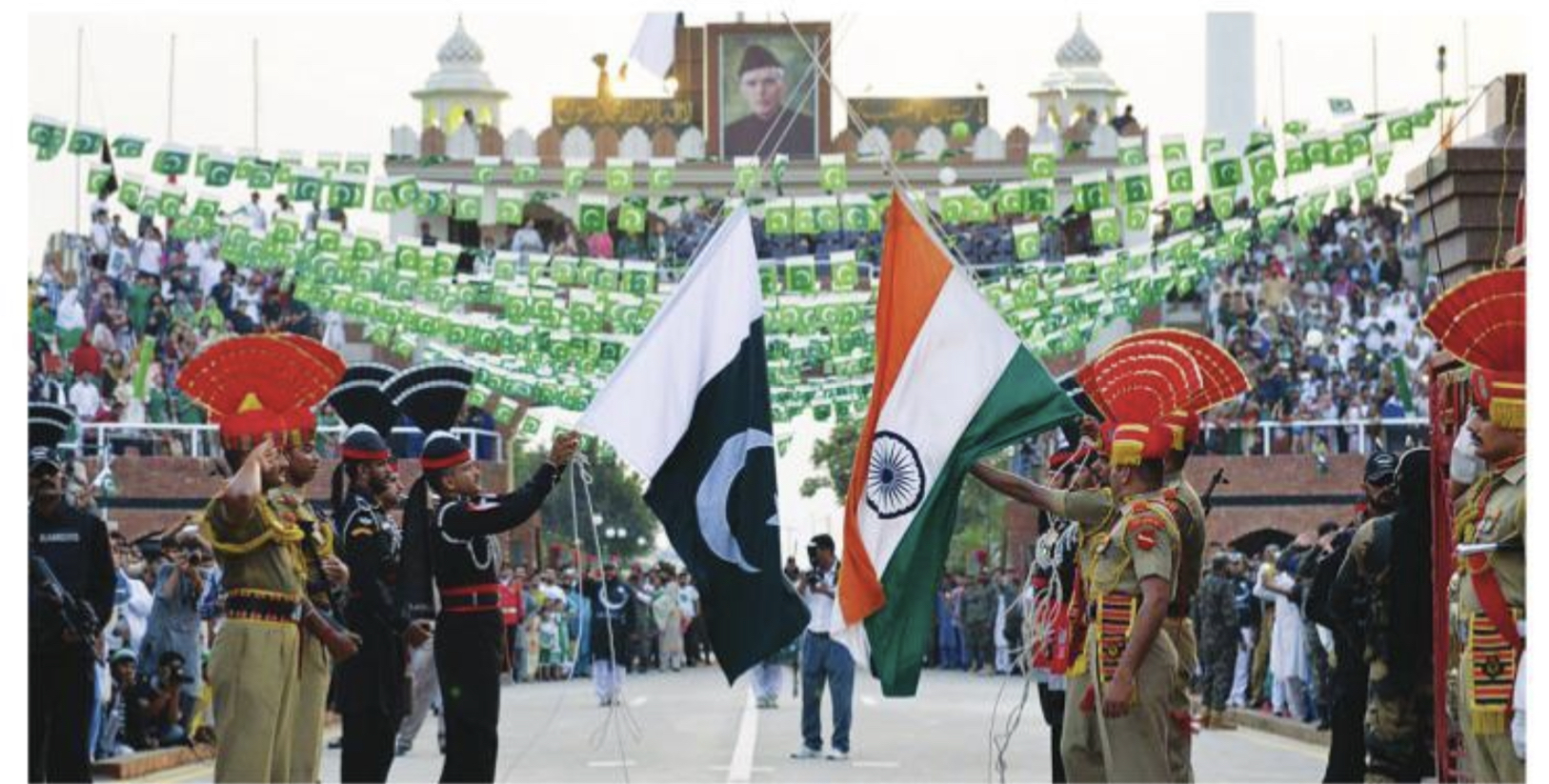
One geopolitical phenomenon that has kept repeating during recent history is the separation of a country into multiple smaller countries, mainly for political or religious reasons.
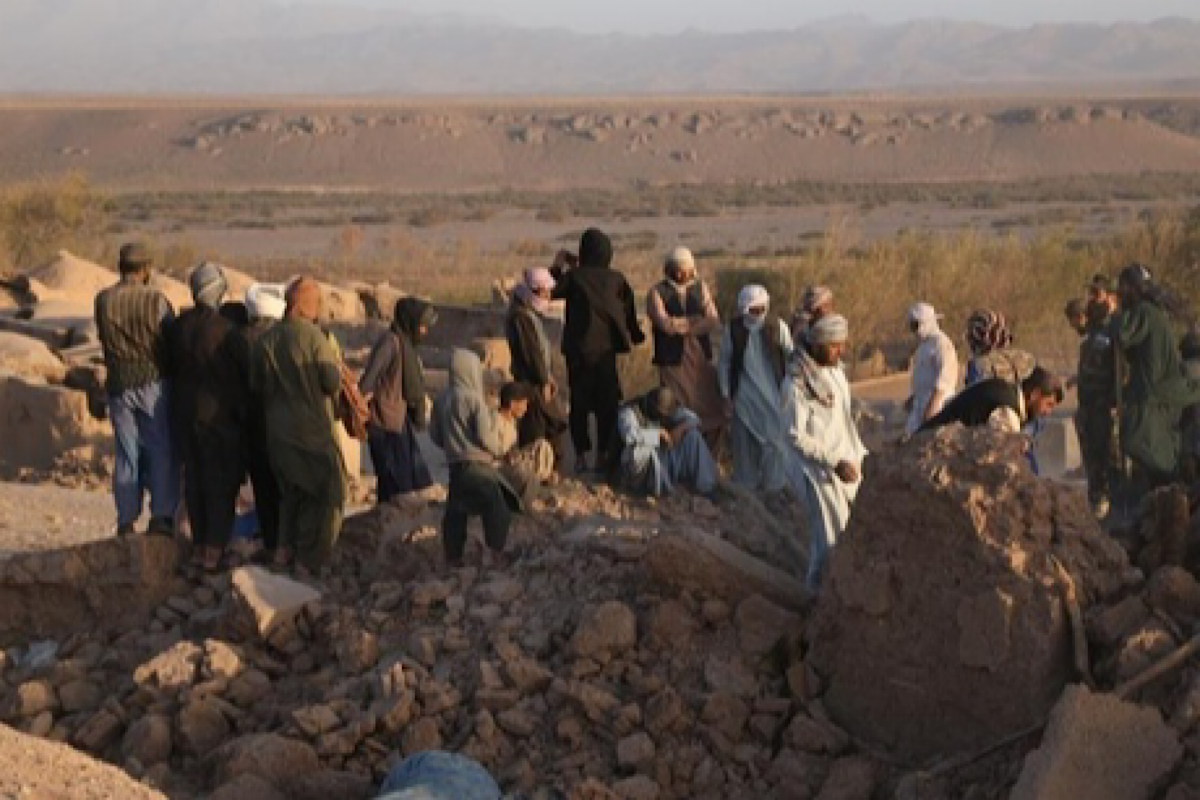
Afghanistan, a nation already plagued by conflict, political turmoil and economic hardship, now faces another grim chapter in its tumultuous history a devastating earthquake that has left hundreds dead and thousands injured.
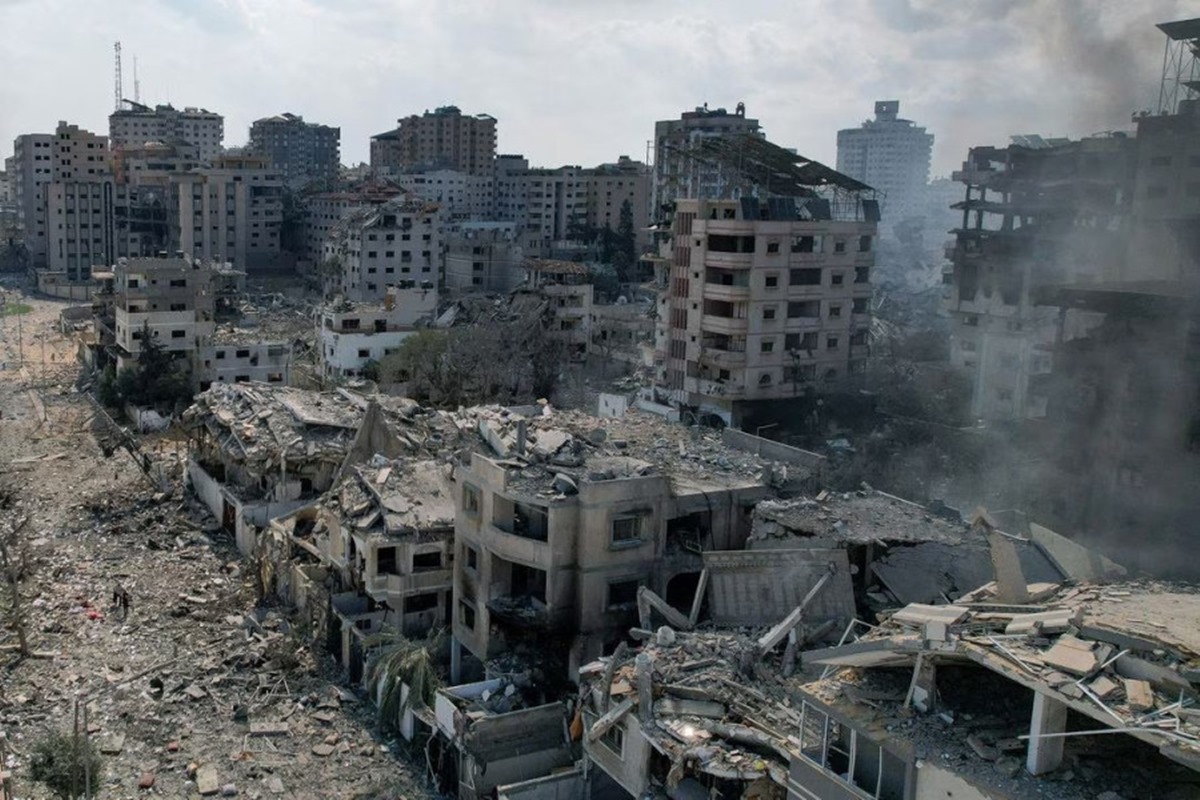
The fallout of Saturday’s assault by land, sea, and air on Israel by Hamas, the terrorist Palestinian organisation that controls the Gaza Strip which is home to approximately two million stateless Palestinians, has brought West Asia to the edge of the precipice.
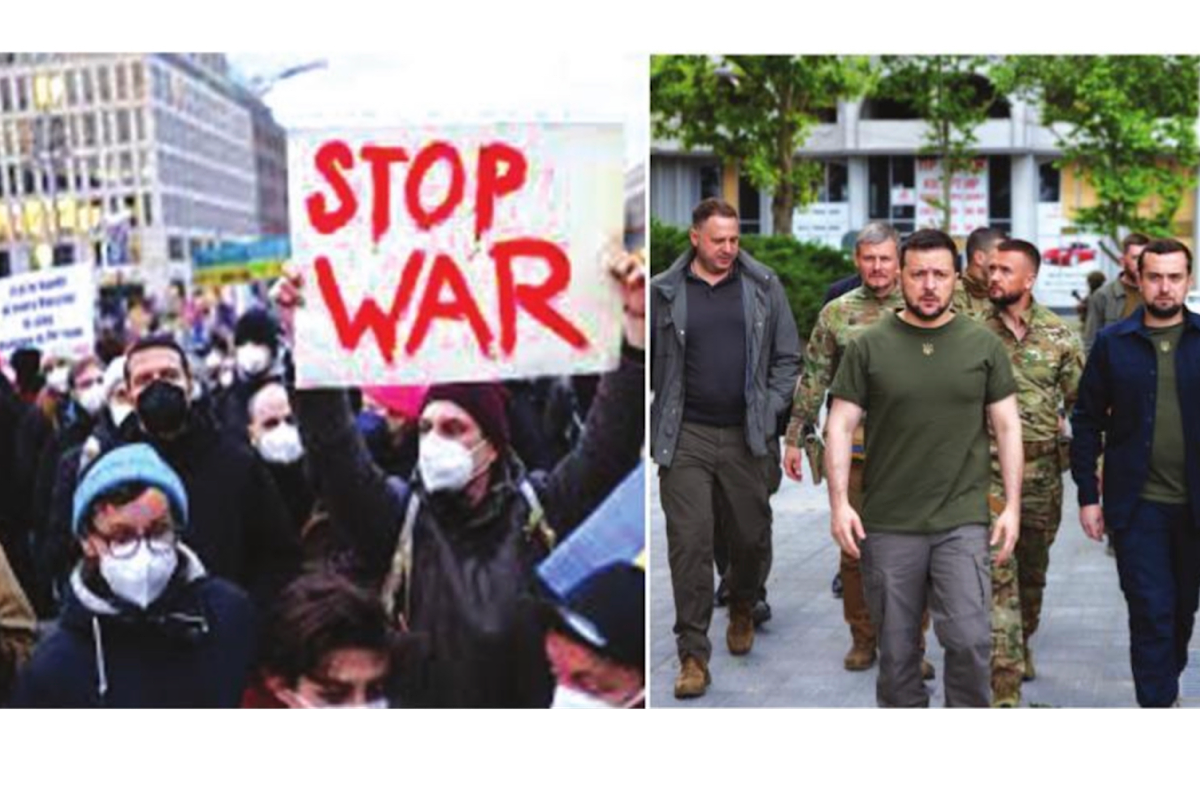
As the Russian invasion of Ukraine approaches its six hundredth day, battle fatigue seems to have set in not only in the warring nations but the world over.