Education without entrance examinations
India’s entrance exam regime has grown into a parallel economy, draining families and destroying young lives.
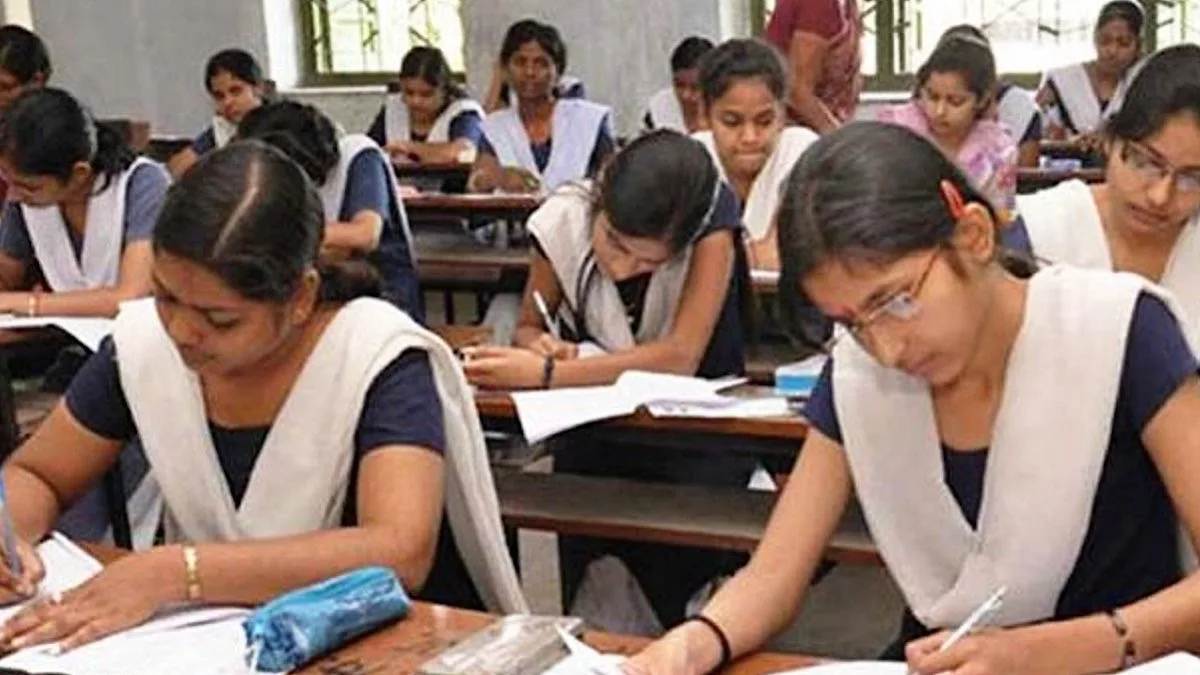
India’s entrance exam regime has grown into a parallel economy, draining families and destroying young lives.
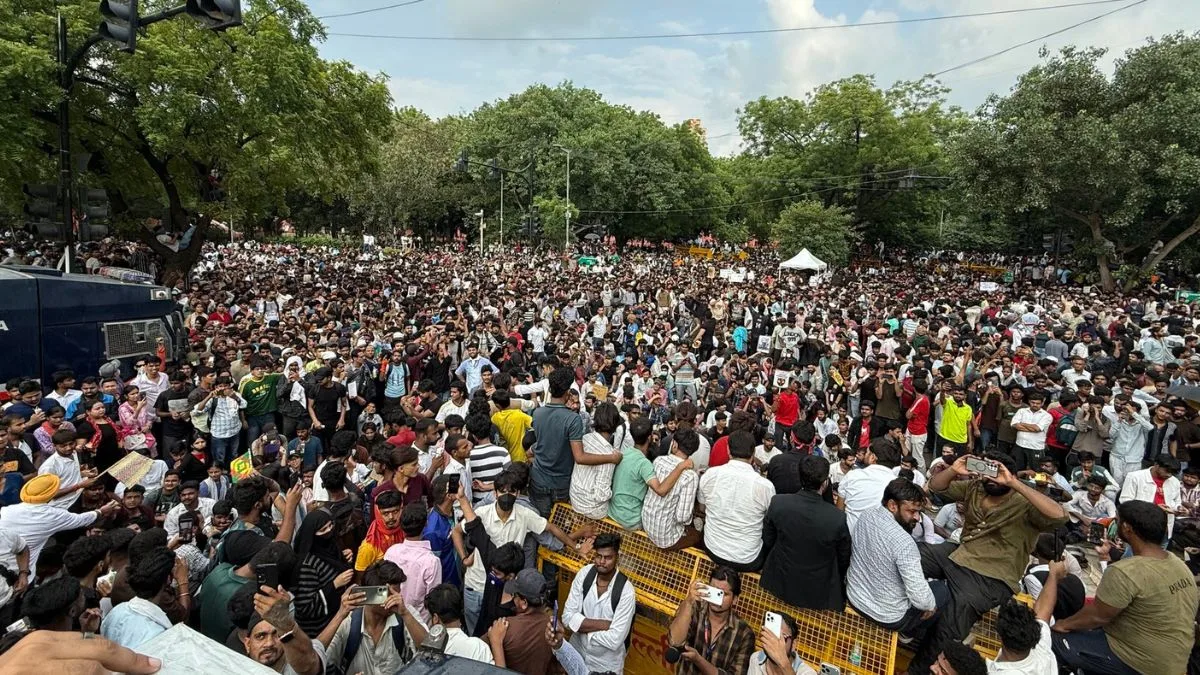
In a healthy democracy, student activism has always been a vital force - a crucible where ideas are sharpened , injustices challenged, and futures forged.
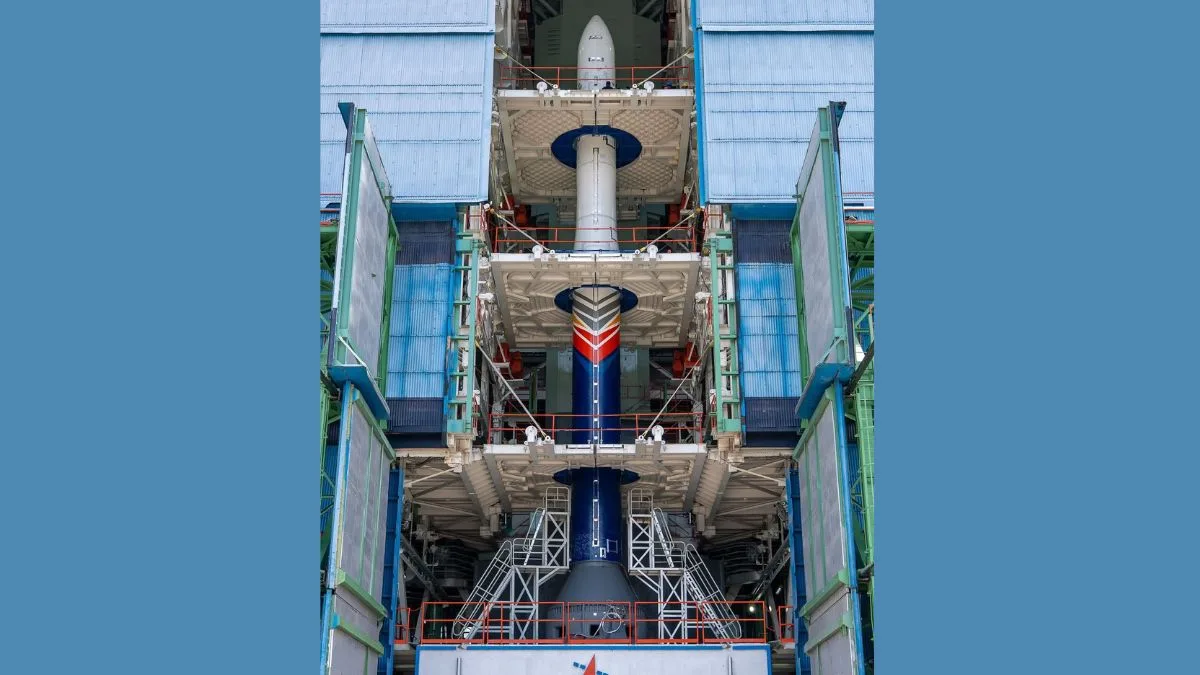
Vikram-1 reaching orbit marks an important transition in India’s space journey.

The latest Republican US budget package is about far more than allocating another $95 billion in federal spending.
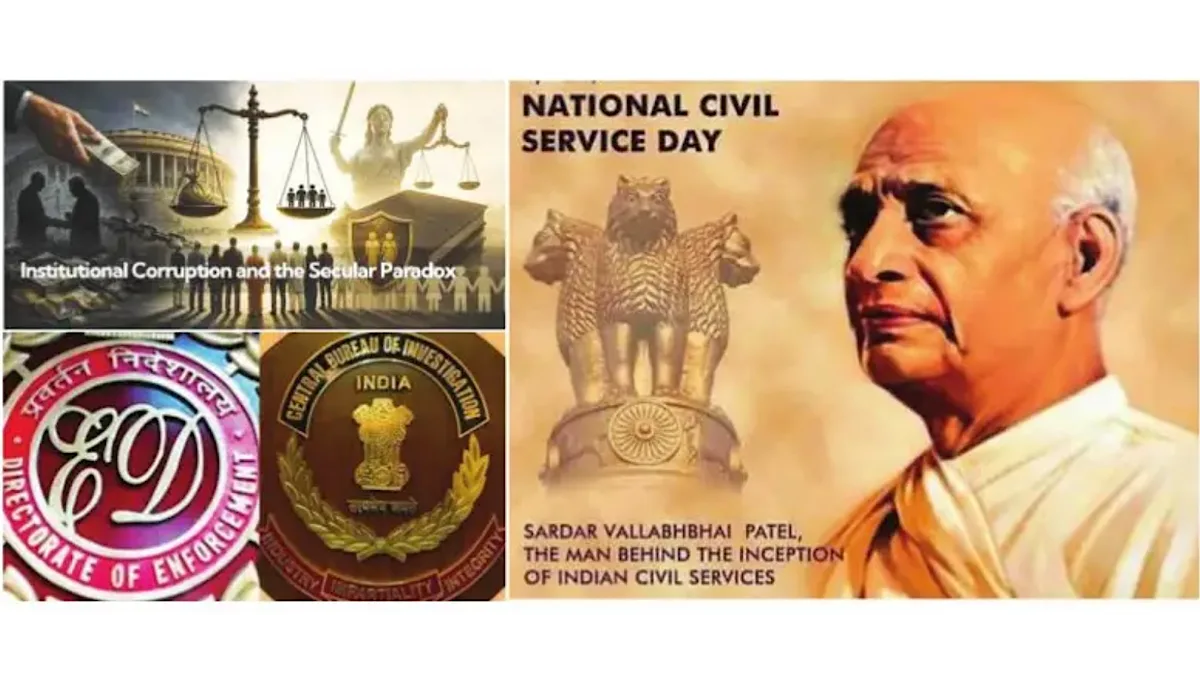
Indian administration has always had a fantastic worldwide reputation. Sardar Vallabhbhai Patel once referred to our civil services as the “steel frame” of the nation.
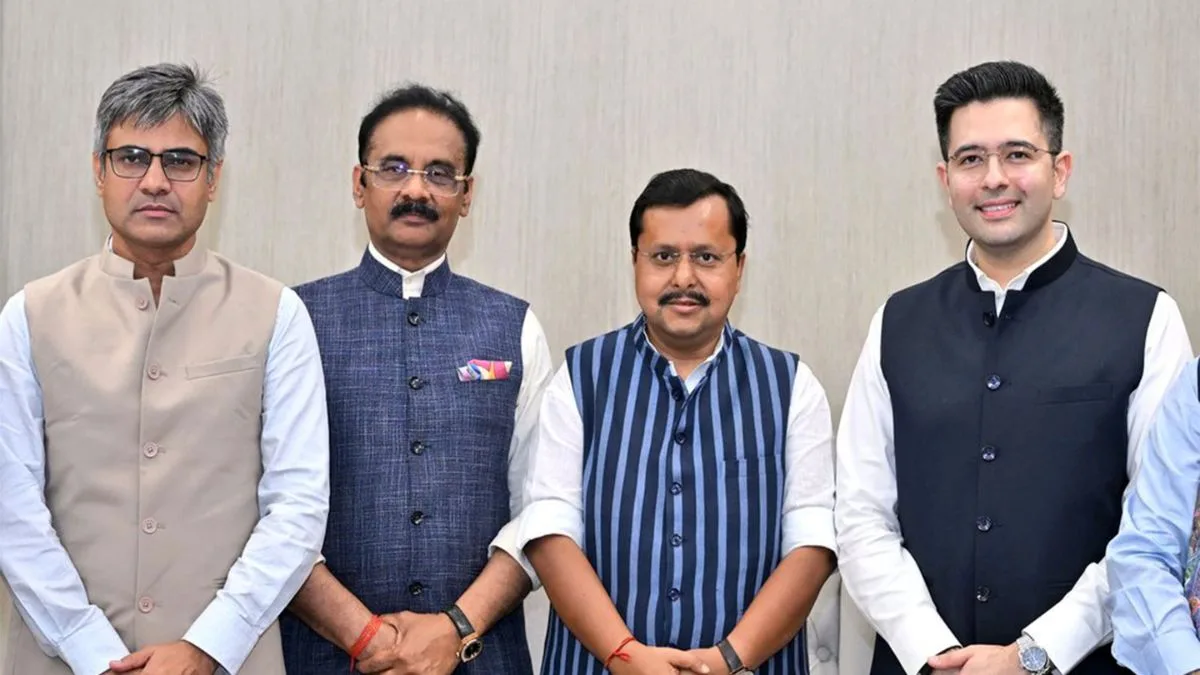
The defection of seven MPs from the Aam Aadmi Party to the Bharatiya Janata Party is being read as a political crisis within AAP.

One of India’s most influential leaders, YB Chavan, had variously held important positions like that of the Defence Minister, Home Minister, Finance Minister, External Affairs Minister, and also the Chief Minister of Maharashtra.

For decades, the story of China’s rise was told through the movement of containers, ships loaded with electronics, machinery, and textiles leaving its ports for markets across the world.

India’s digital ecosystem has grown rapidly, and online platforms now play a central role in how people communicate and access information.

The US-Israel conflict with Iran has shifted to a US-Iran confrontation. Israel, the initiator, which pulled the US in, has been sidelined, and is focusing on Lebanon.