Education without entrance examinations
India’s entrance exam regime has grown into a parallel economy, draining families and destroying young lives.
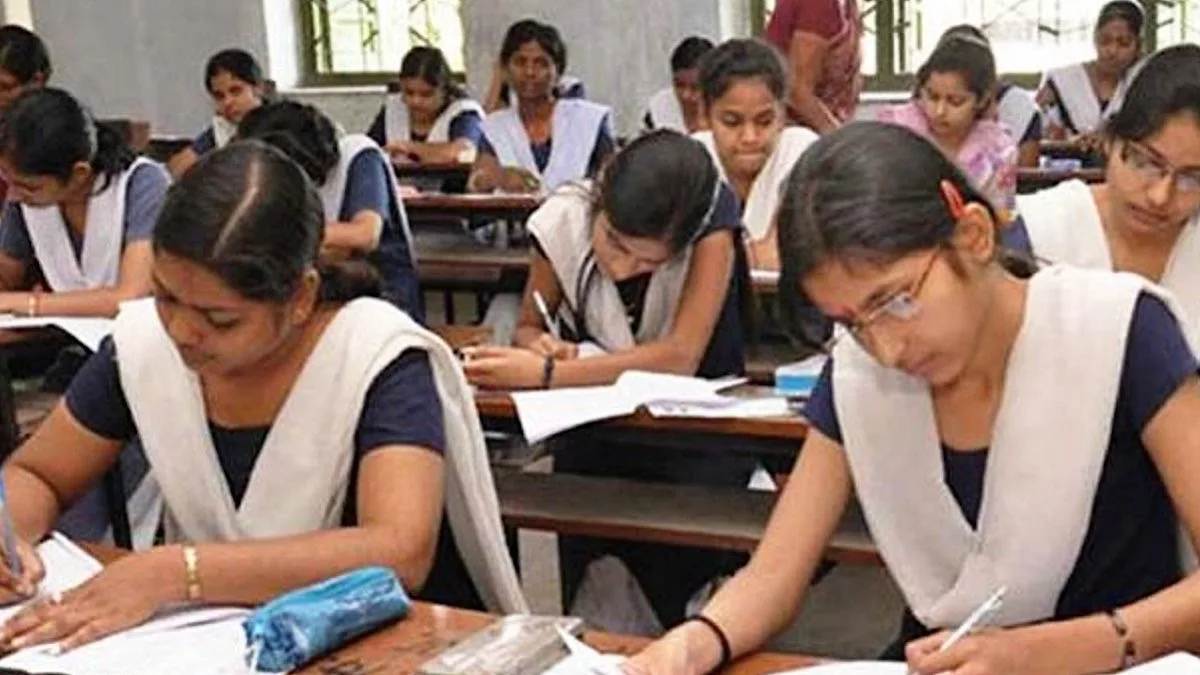
India’s entrance exam regime has grown into a parallel economy, draining families and destroying young lives.
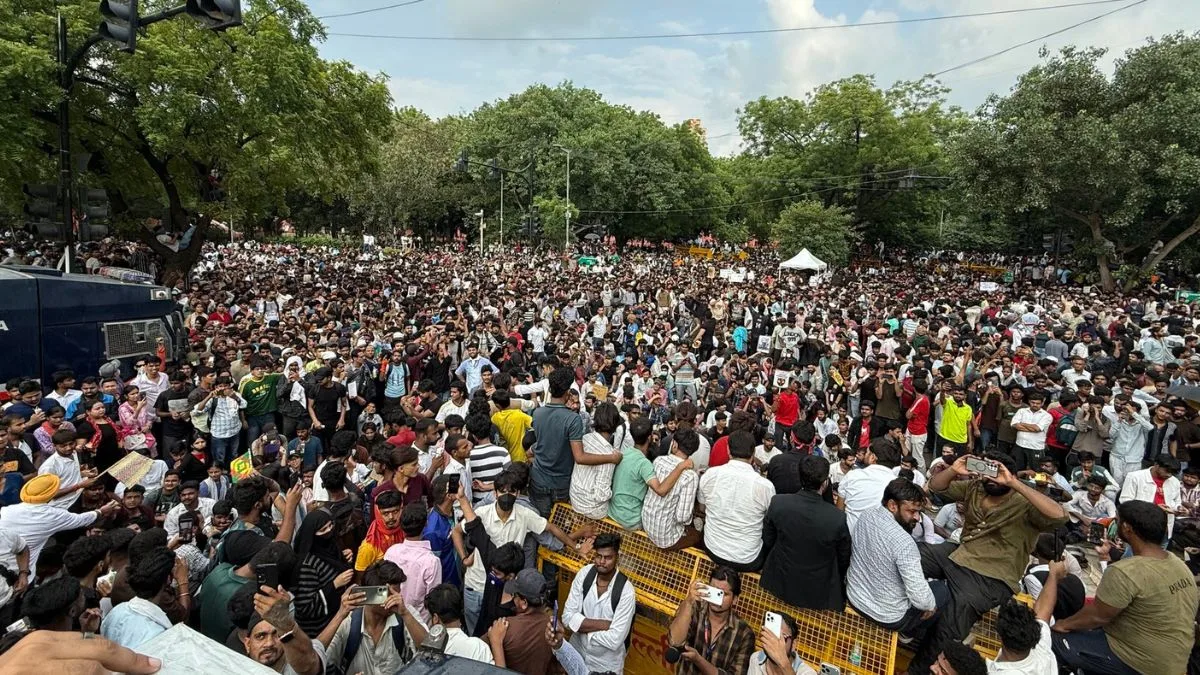
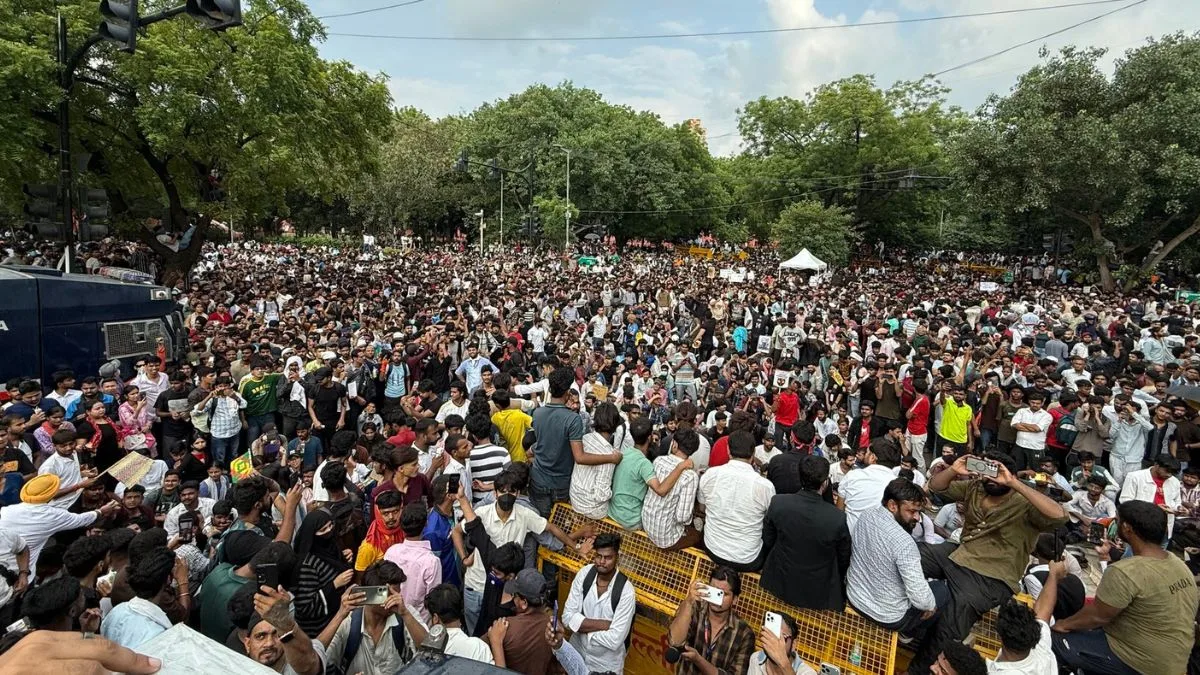
In a healthy democracy, student activism has always been a vital force - a crucible where ideas are sharpened , injustices challenged, and futures forged.
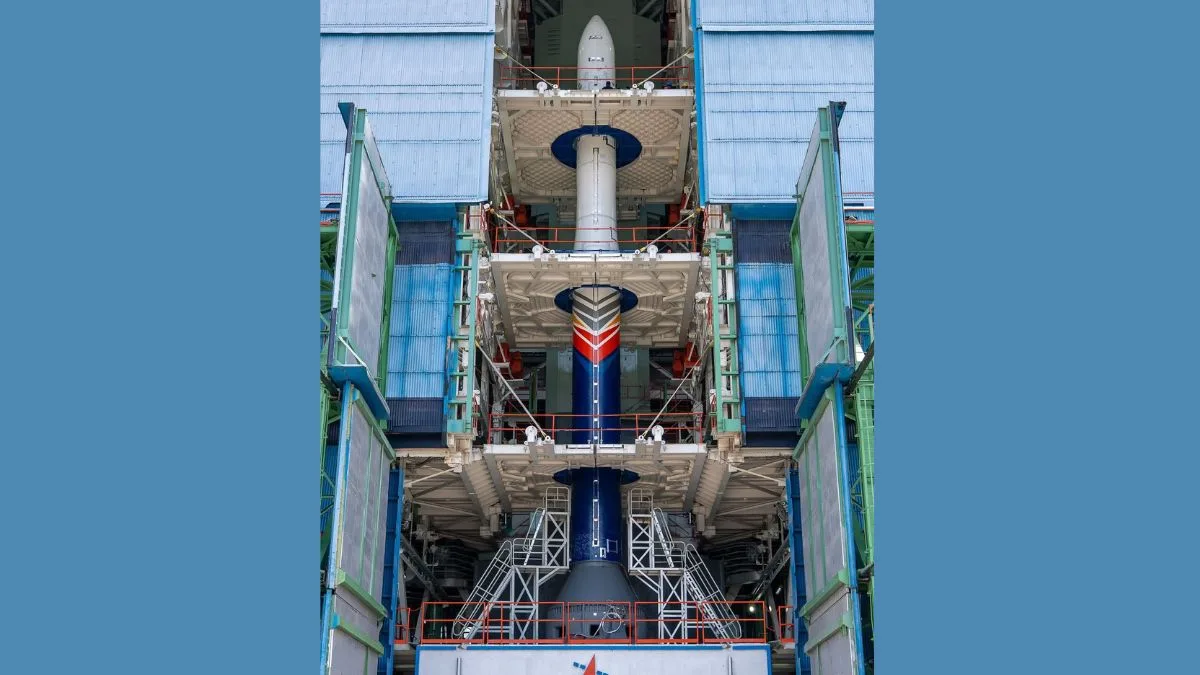
Vikram-1 reaching orbit marks an important transition in India’s space journey.

The latest Republican US budget package is about far more than allocating another $95 billion in federal spending.
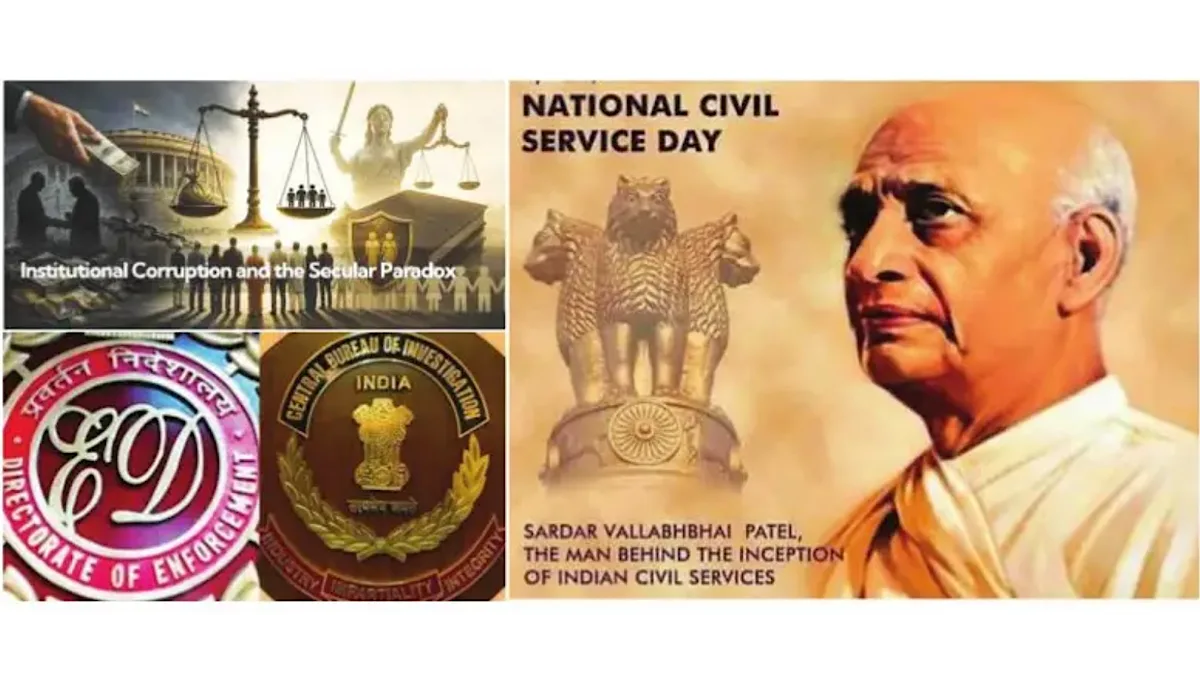
Indian administration has always had a fantastic worldwide reputation. Sardar Vallabhbhai Patel once referred to our civil services as the “steel frame” of the nation.

When a pair of handcrafted leather sandals travels from a rural workshop in Maharashtra to a glass-lit boutique in Milan, its journey is not merely geographic ~ it is economic, cultural, and political.

When regulators move early, markets often complain. That familiar tension is now visible in India’s banking sector as the Reserve Bank of India pushes lenders toward a more rigorous, forward-looking assessment of loan risk.
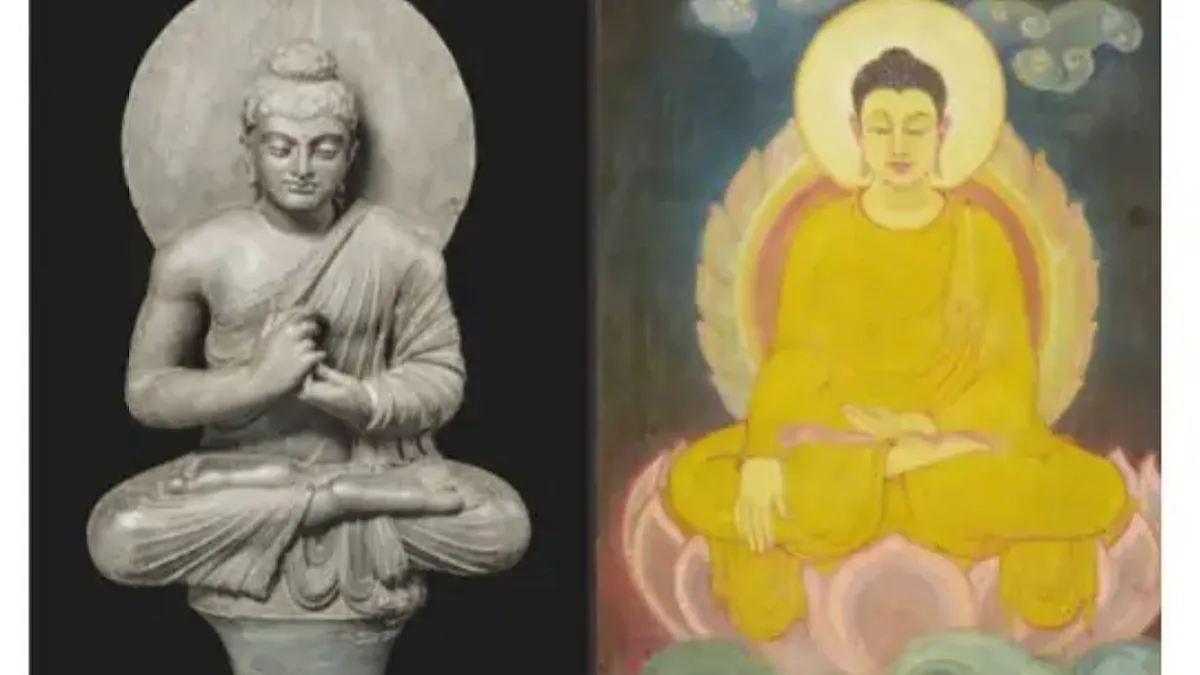
When His Holiness The 14th Dalai Lama of Tibet endorsed a powerful appeal for peace by the Holy Father, Pope Leo, during Palm Sunday Mass on 31 March 2026, he drew global attention to the great spiritual traditions of all religions.

Negativity diffuses significantly farther and faster than positivity. Yet, with active goodwill, we can very well spread positivity.
At a time when classrooms are increasingly defined by examination scores, rankings, and relentless competition, it is worth asking a fundamental question: what is education truly meant to achieve?