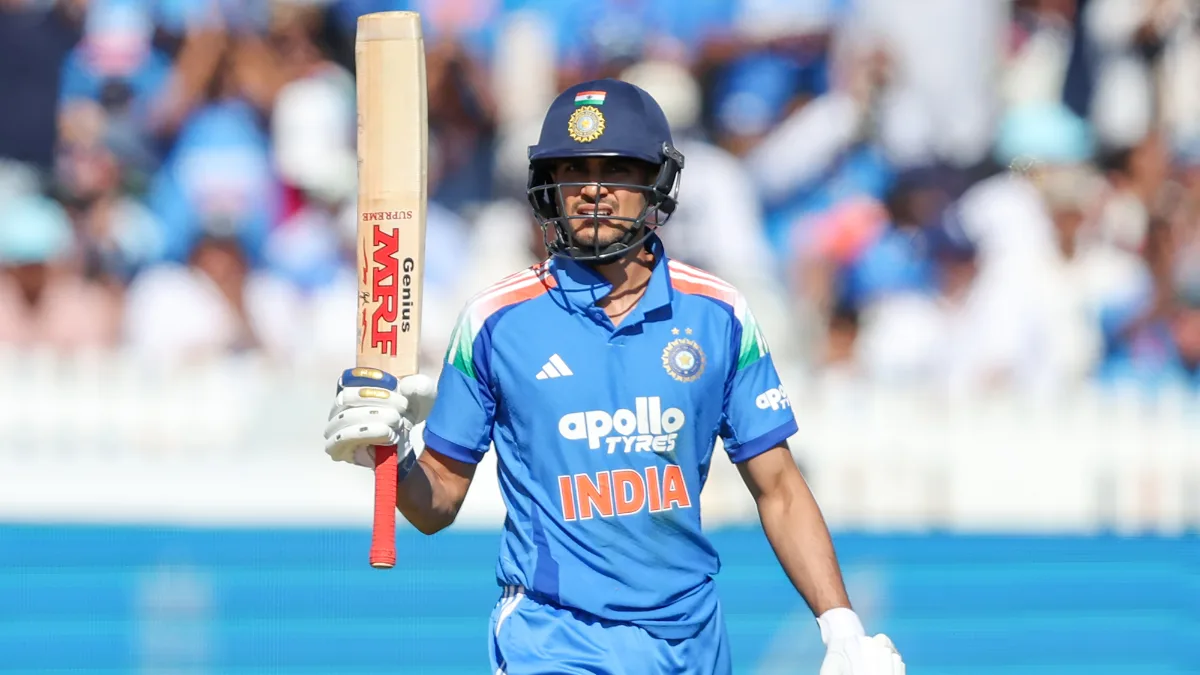
Education without entrance examinations
India’s entrance exam regime has grown into a parallel economy, draining families and destroying young lives.
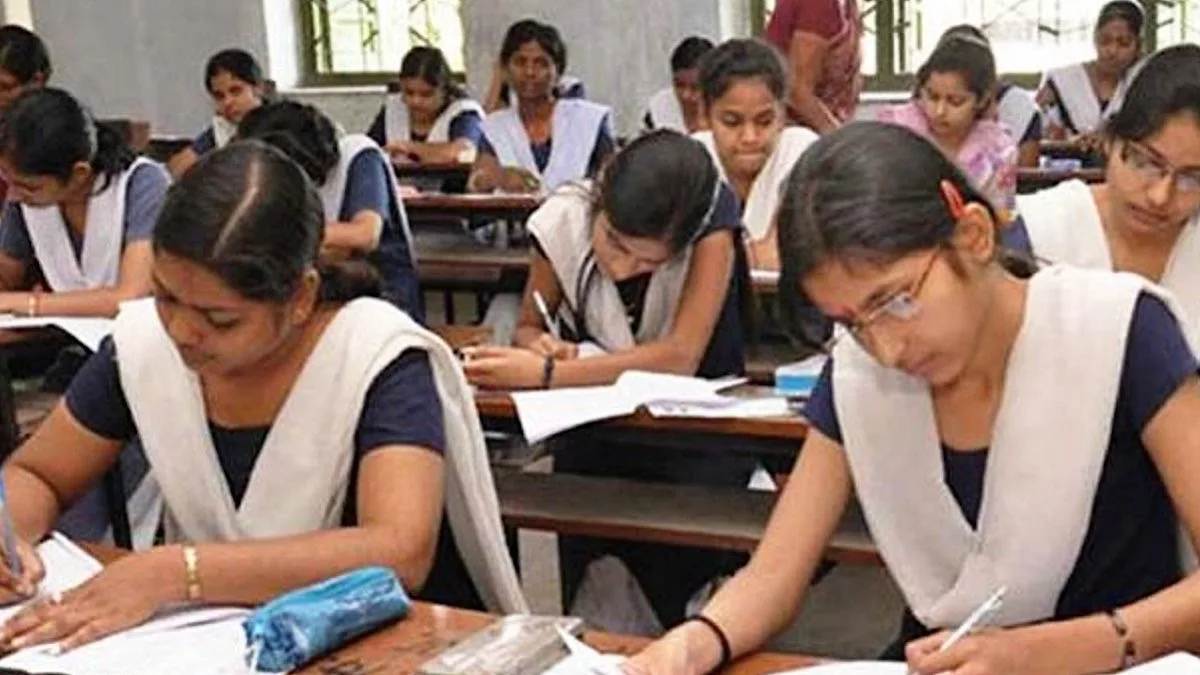
India’s entrance exam regime has grown into a parallel economy, draining families and destroying young lives.
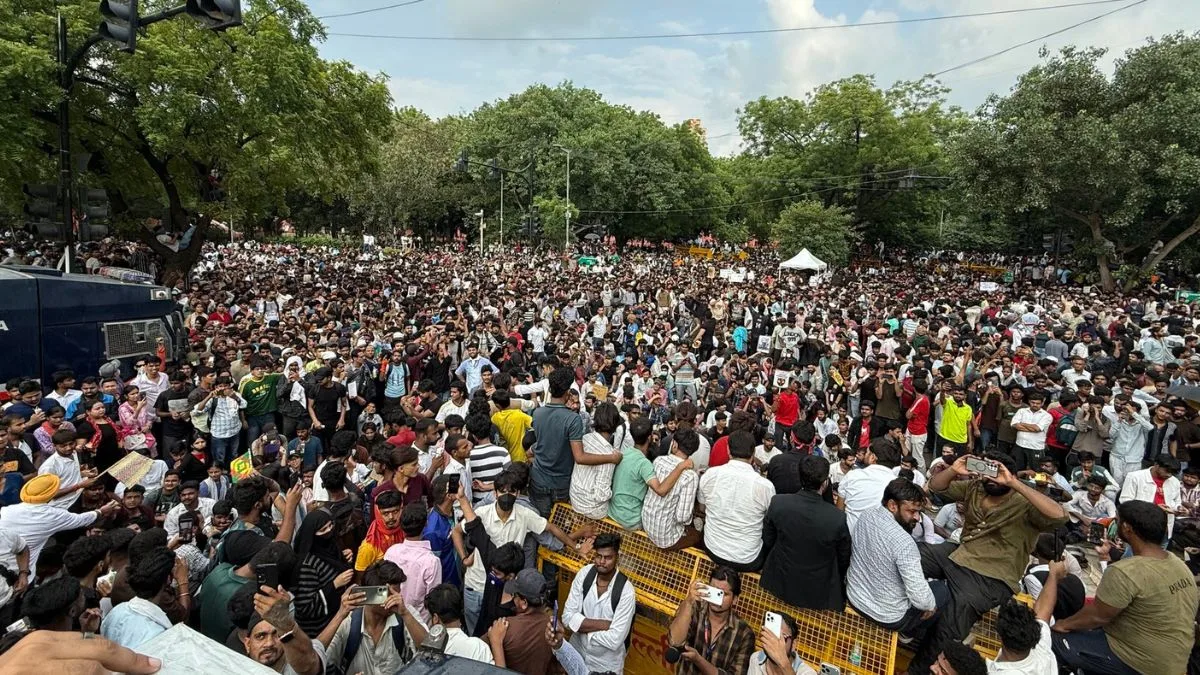
In a healthy democracy, student activism has always been a vital force - a crucible where ideas are sharpened , injustices challenged, and futures forged.
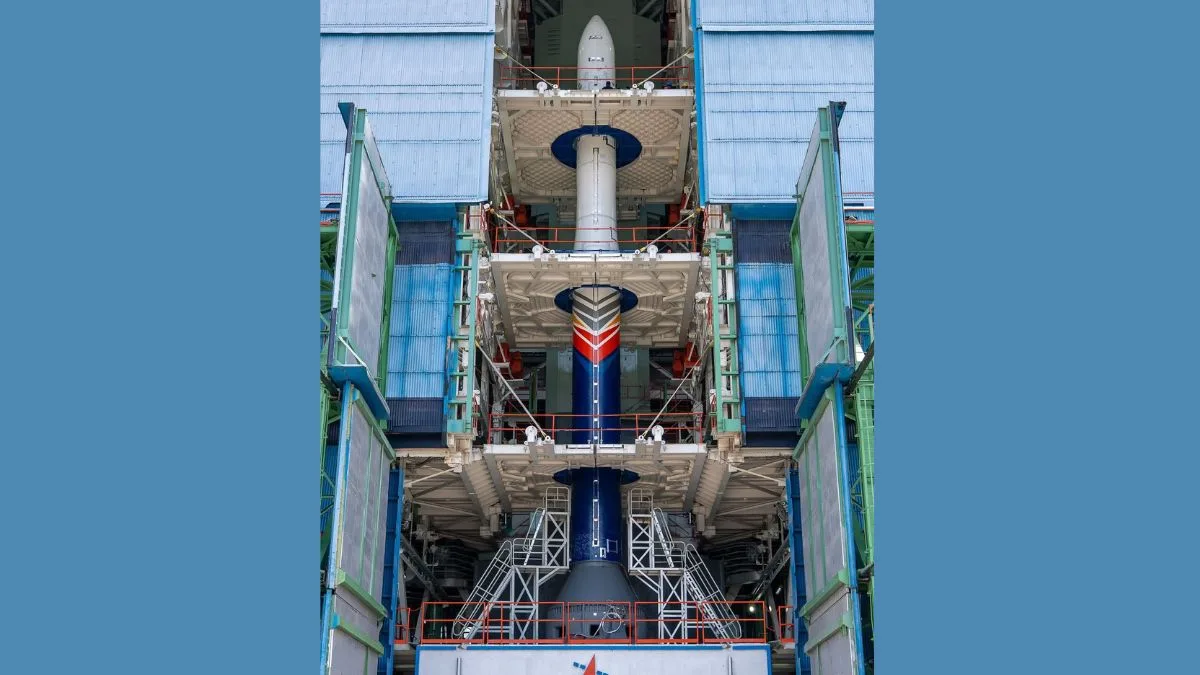
Vikram-1 reaching orbit marks an important transition in India’s space journey.

The latest Republican US budget package is about far more than allocating another $95 billion in federal spending.
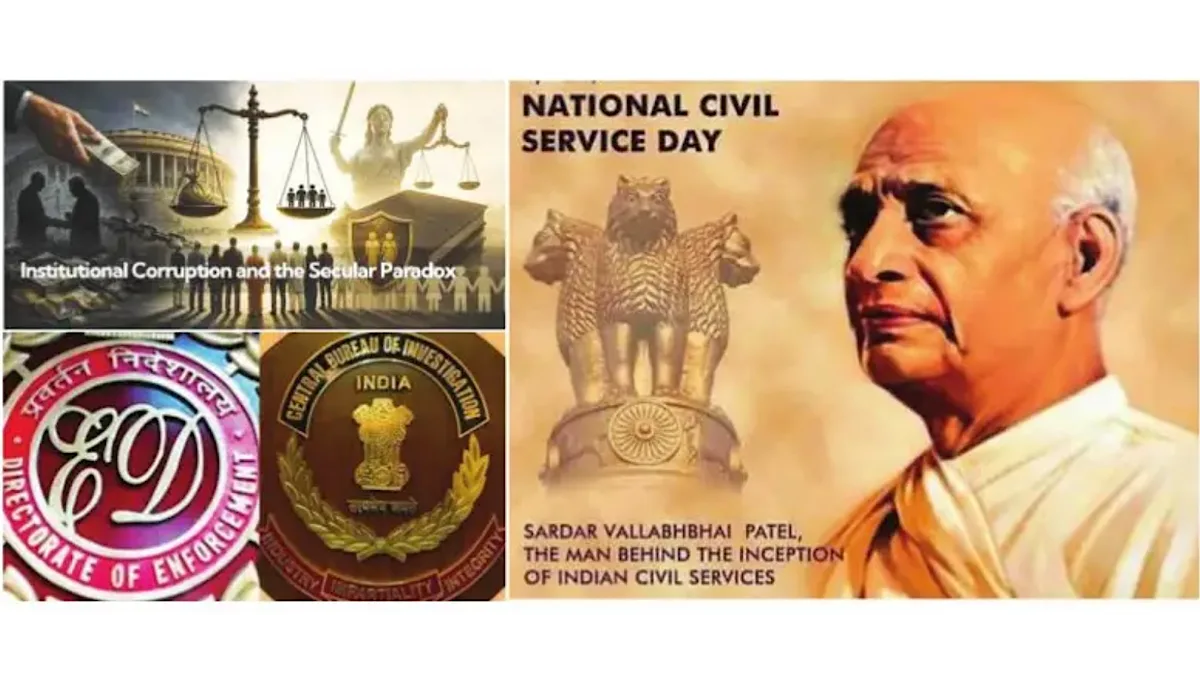
Indian administration has always had a fantastic worldwide reputation. Sardar Vallabhbhai Patel once referred to our civil services as the “steel frame” of the nation.

The death of Raghu Rai marks more than the passing of a celebrated photographer; it signals the quiet erosion of a way of seeing India that is increasingly rare.

The evening was meant to affirm the choreography of American power: elected officials, journalists, and cultural figures gathered under one roof, performing the rituals of proximity that define Washington.

A decade after India attained independence, Aldous Huxley, an English writer and philosopher, was deeply pessimistic about the future of Indian culture that he had studied and long admired.

The world is currently witnessing a volatile escalation in the Middle East, with the conflict between the United States, its allies, and Iran crossing thresholds many deemed unthinkable.

In India’s evolving professional landscape, the rise of executive education is less about learning than about signaling.