Education without entrance examinations
India’s entrance exam regime has grown into a parallel economy, draining families and destroying young lives.
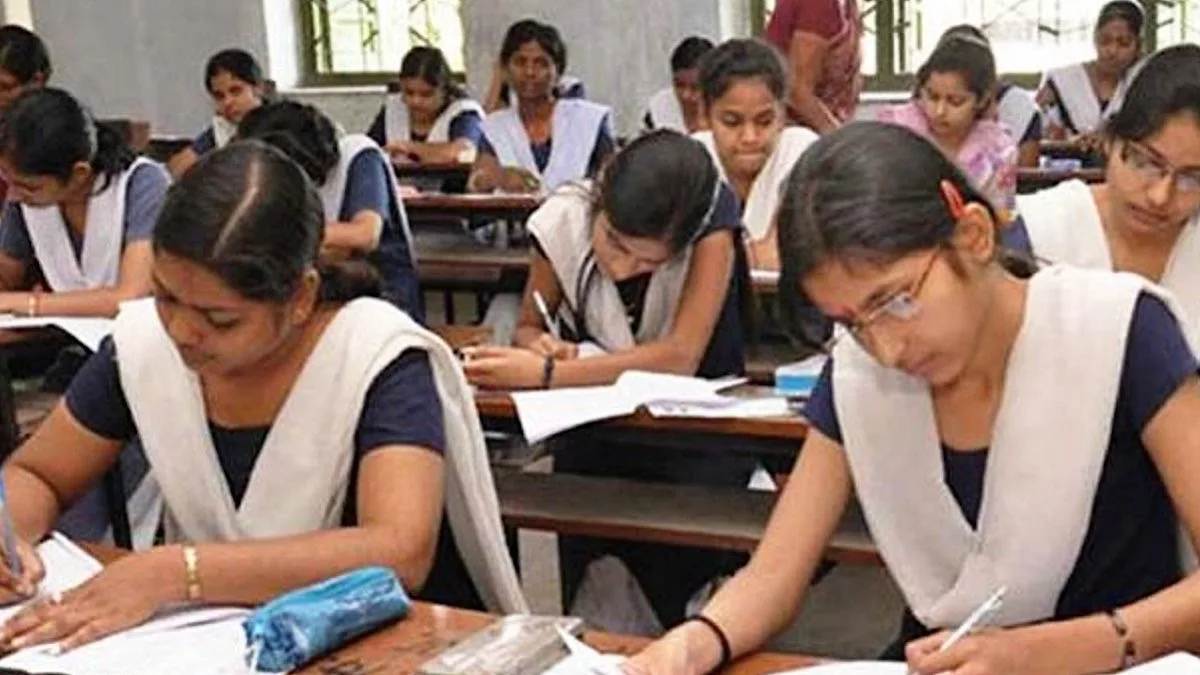
India’s entrance exam regime has grown into a parallel economy, draining families and destroying young lives.
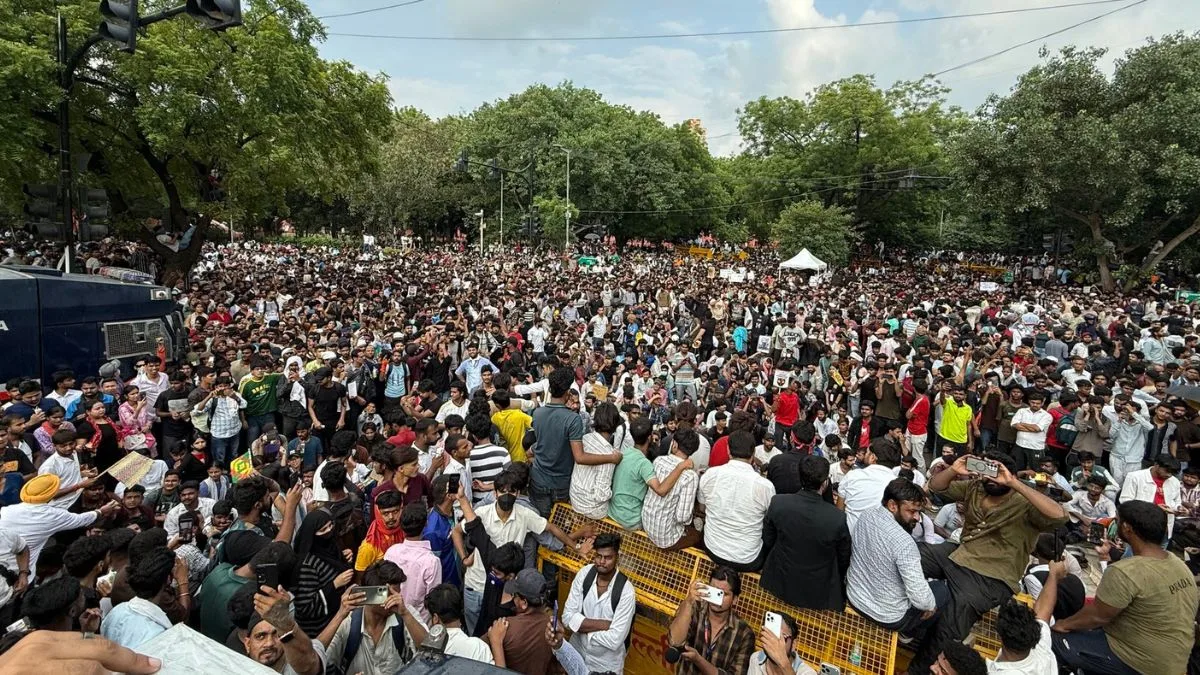
In a healthy democracy, student activism has always been a vital force - a crucible where ideas are sharpened , injustices challenged, and futures forged.
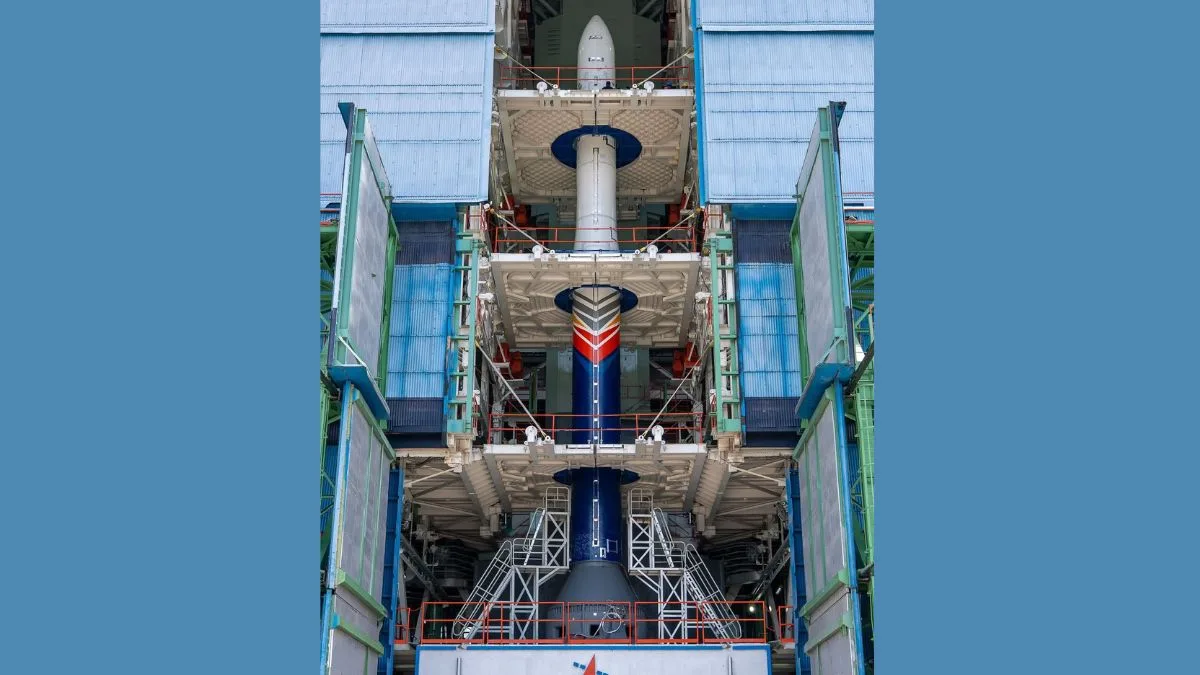
Vikram-1 reaching orbit marks an important transition in India’s space journey.

The latest Republican US budget package is about far more than allocating another $95 billion in federal spending.
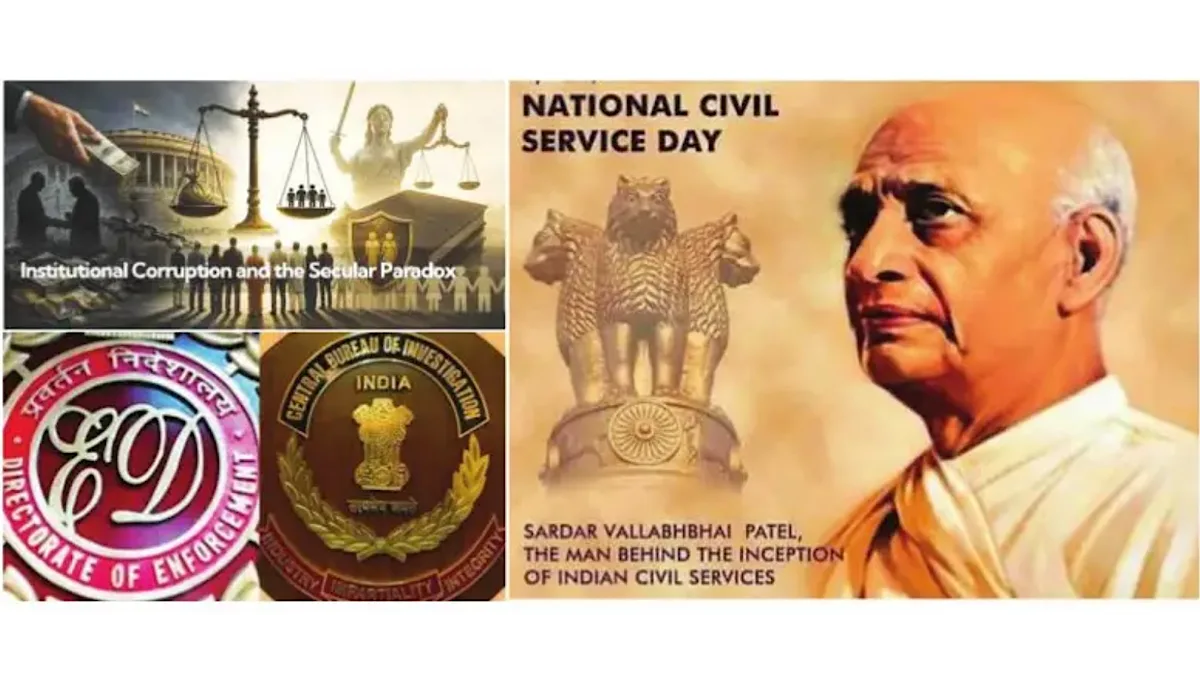
Indian administration has always had a fantastic worldwide reputation. Sardar Vallabhbhai Patel once referred to our civil services as the “steel frame” of the nation.

When US President Donald Trump abruptly called off a planned diplomatic outreach to Pakistan involving envoys Steve Witkoff and Jared Kushner, Washington’s favourites despite being widely discredited, the move was framed as a matter of efficiency.

When comedian Jimmy Kimmel described First Lady Melania Trump as an “expectant widow,” it passed, at first, as another barbed line in America’s long tradition of late-night political satire.
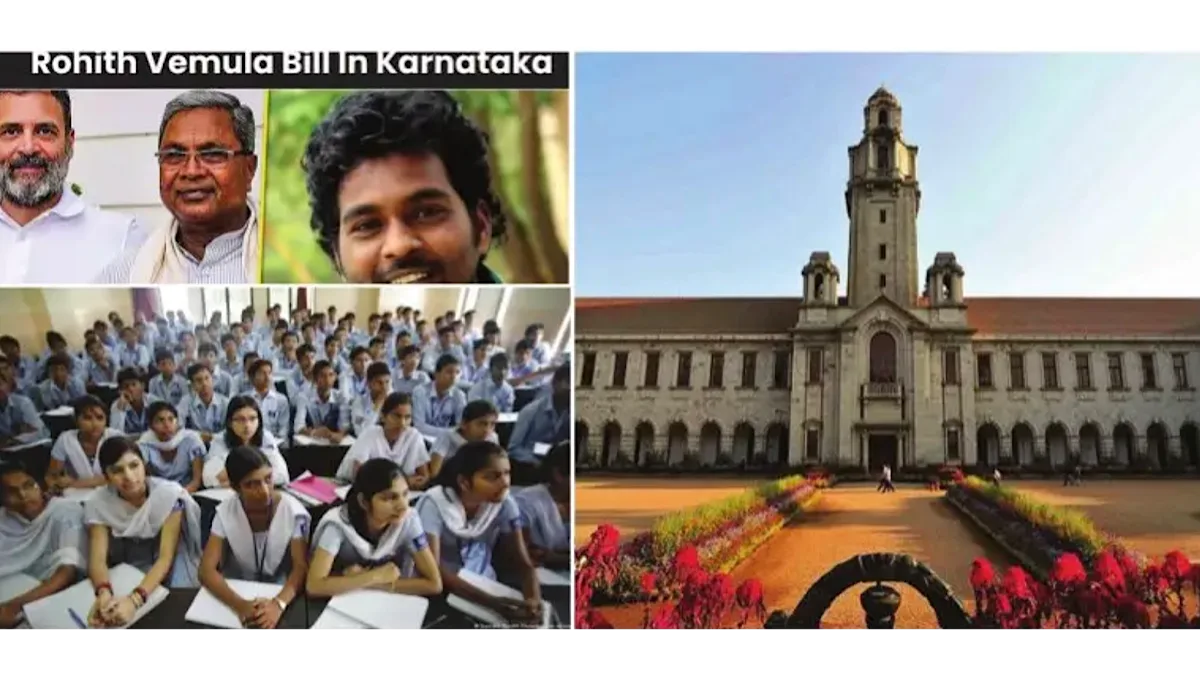
The clearance of the Rohith Vemula Bill by the Karnataka Cabinet marks a significant moment in India’s higher education scenario.

When US President Donald Trump amplifies a voice describing countries like India in demeaning terms, the issue is not merely one of bad language.
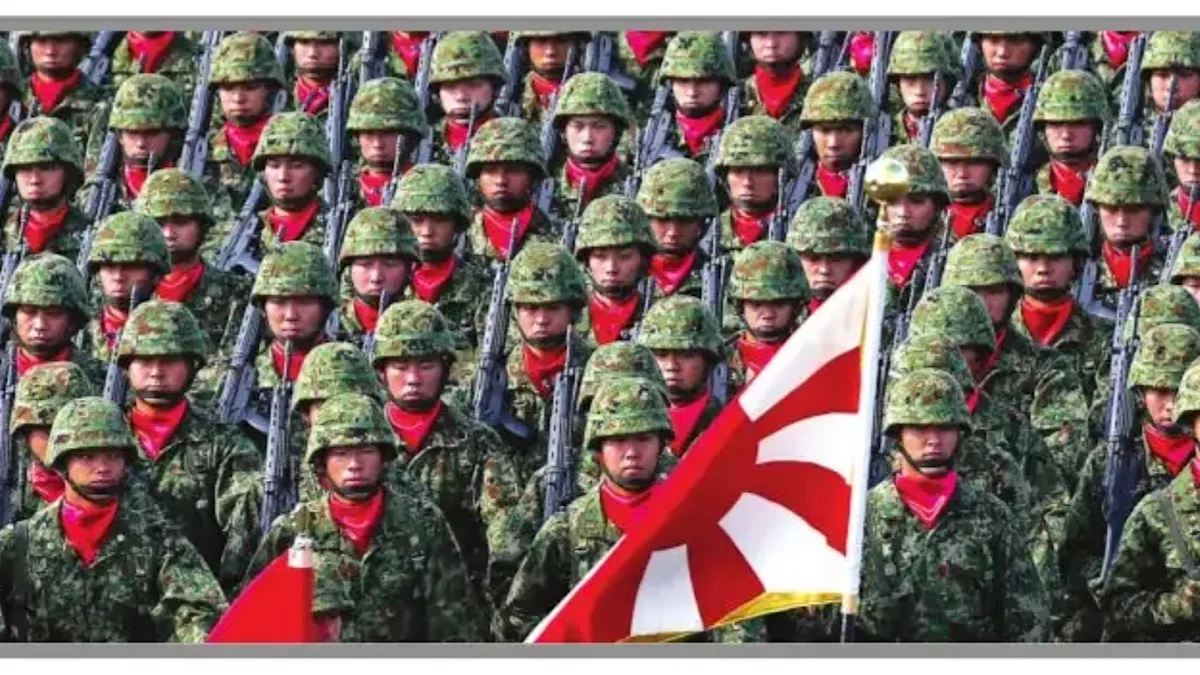
A nation that once renounced war now stands at the edge of rewriting its identity. Japan, shaped by the ashes of World War II, based its global reputation on peace, restraint, and constitutional idealism.