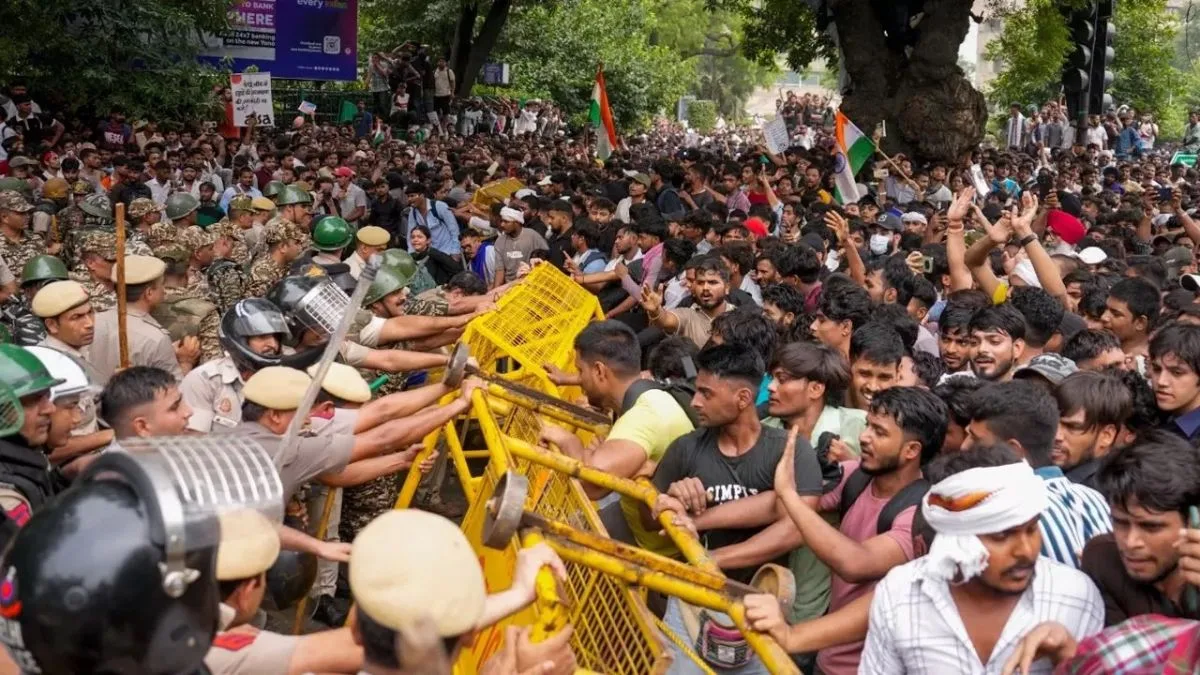
Education without entrance examinations
India’s entrance exam regime has grown into a parallel economy, draining families and destroying young lives.
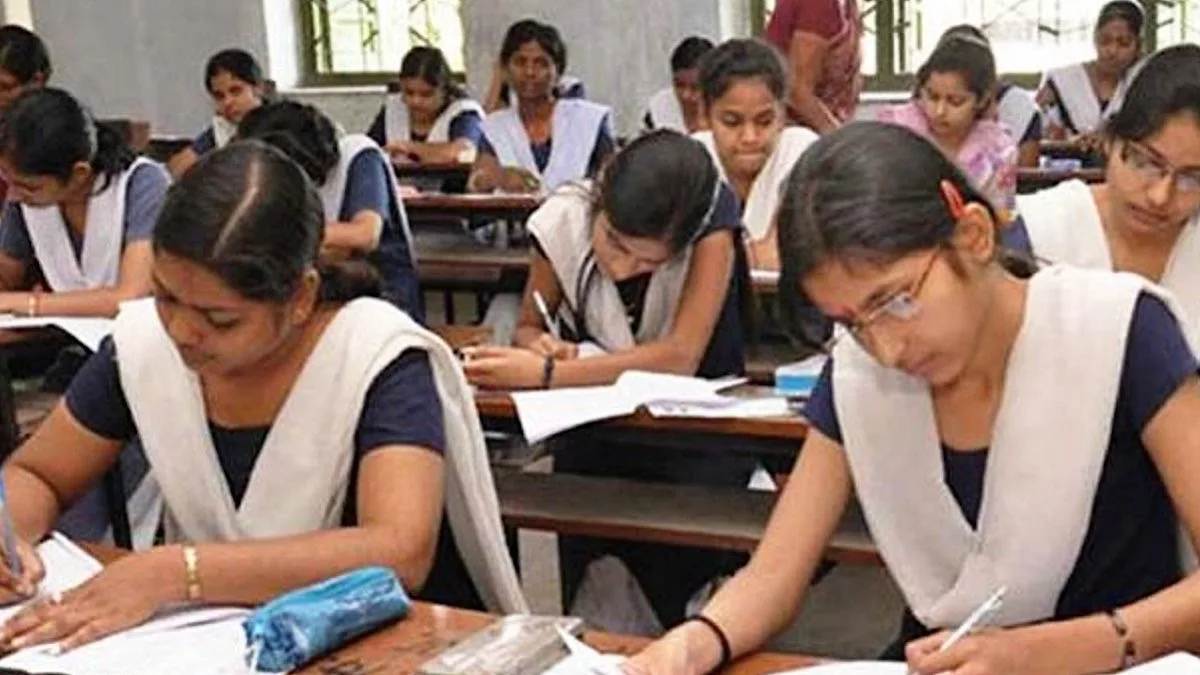
India’s entrance exam regime has grown into a parallel economy, draining families and destroying young lives.
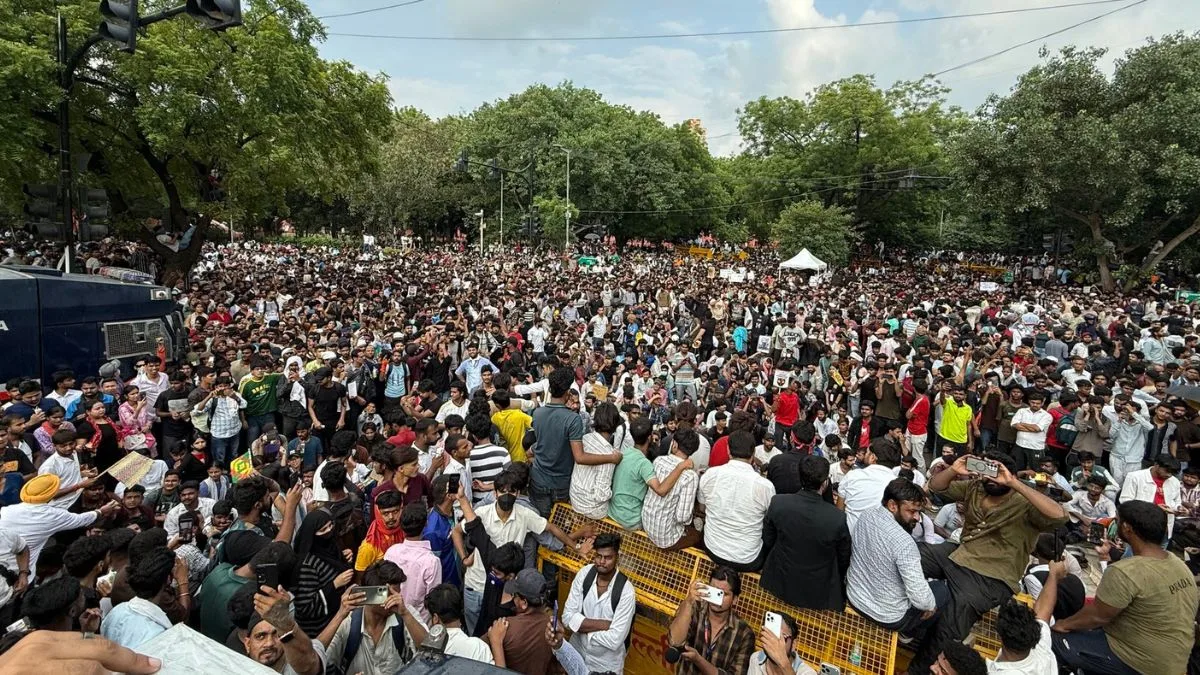
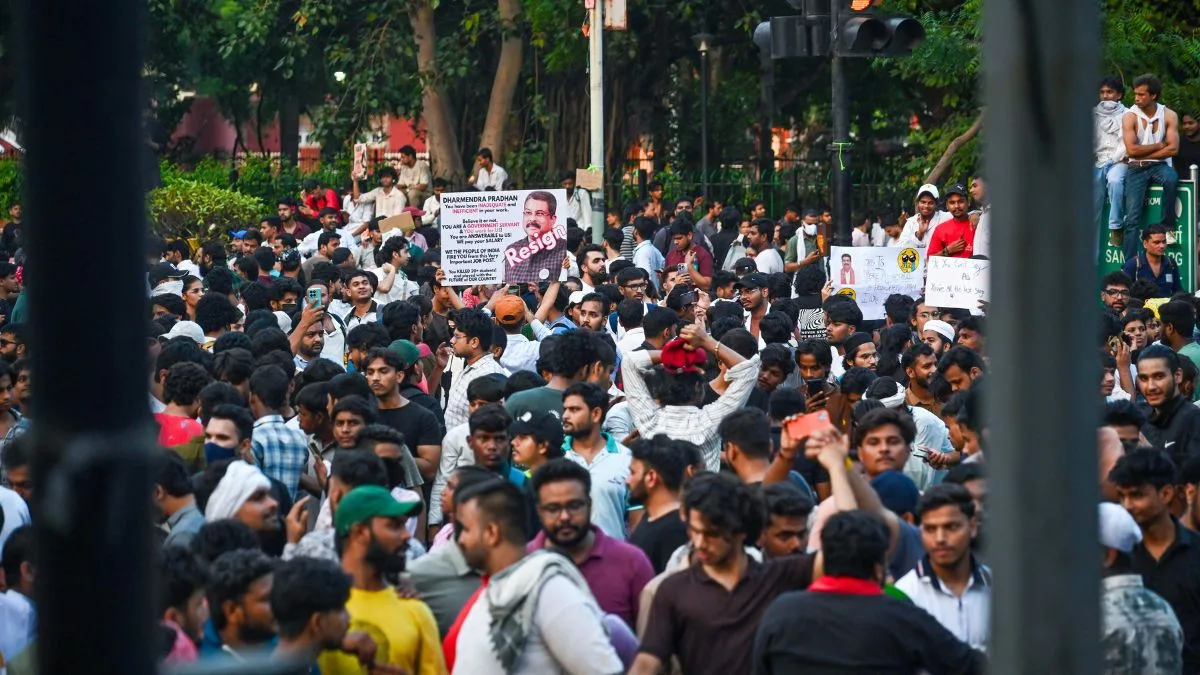
In a healthy democracy, student activism has always been a vital force - a crucible where ideas are sharpened , injustices challenged, and futures forged.
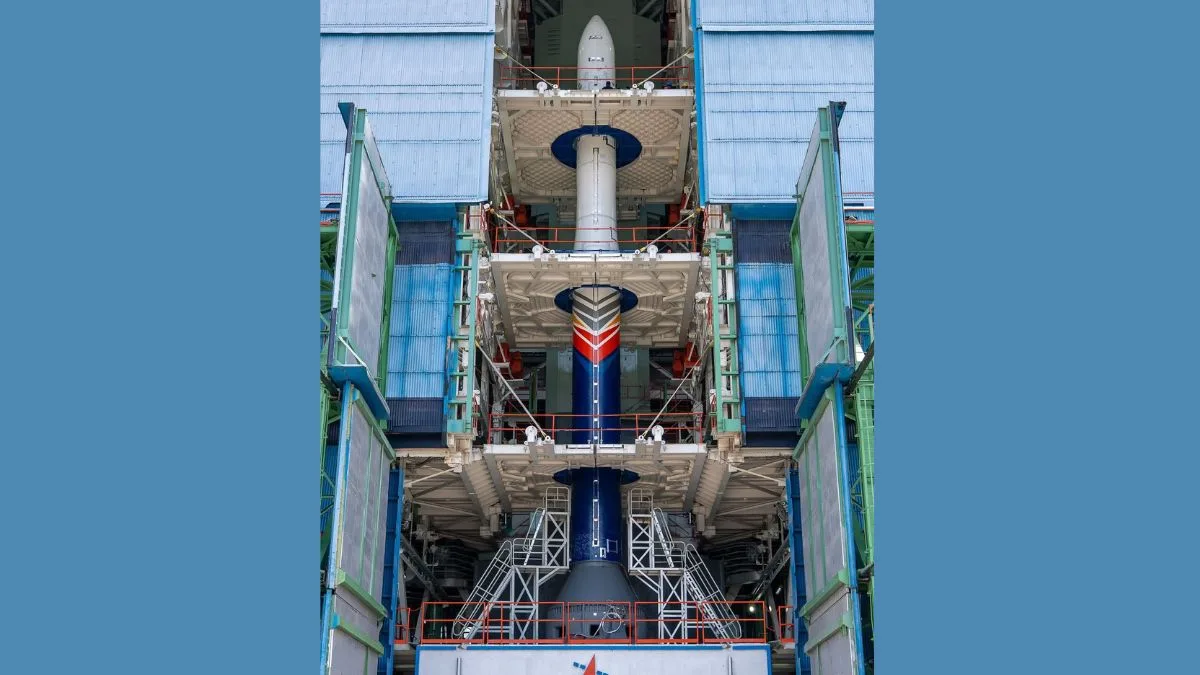
Vikram-1 reaching orbit marks an important transition in India’s space journey.

The latest Republican US budget package is about far more than allocating another $95 billion in federal spending.
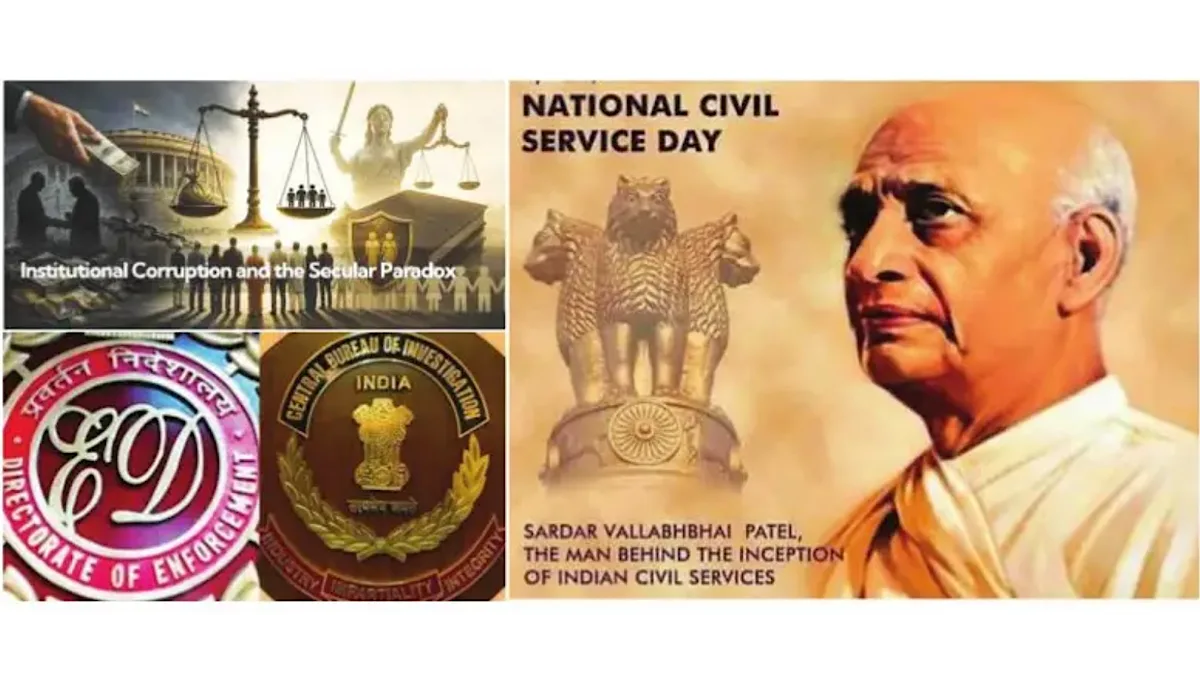
Indian administration has always had a fantastic worldwide reputation. Sardar Vallabhbhai Patel once referred to our civil services as the “steel frame” of the nation.

Wars have often accelerated technological change. The machine gun altered infantry tactics, the tank transformed mobility, and air power redefined strategic reach.

President Donald Trump’s trade policy has acquired a second life. After the US Supreme Court curtailed key elements of the architecture that defined much of his economic agenda, the White House has returned with a familiar instrument wrapped in a different justification.
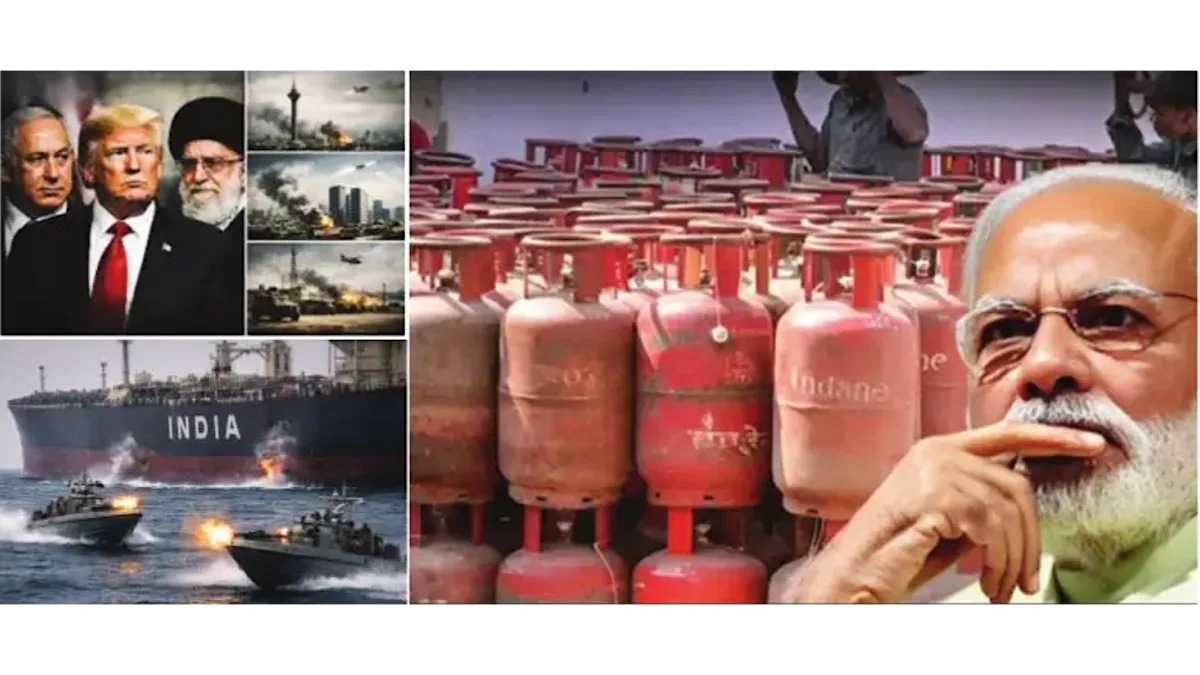
On 28 February 2026, the war that diplomats had spent two years rehearsing began. American and Israeli aircraft struck Iranian nuclear and missile installations; Iran’s Supreme Leader was killed, and by 2 March the Islamic Revolutionary Guard Corps had formally closed the Strait of Hormuz to merchant traffic, laying mines and warning off shipping.

Global warming policies were expected to drive a rapid shift toward a renewables-based energy system dominated by wind and solar.
World Environment Day , observed on 5 June every year, serves as a reminder of humanity's collective responsibility to protect the environment and ensure a sustainable future for generations to come.