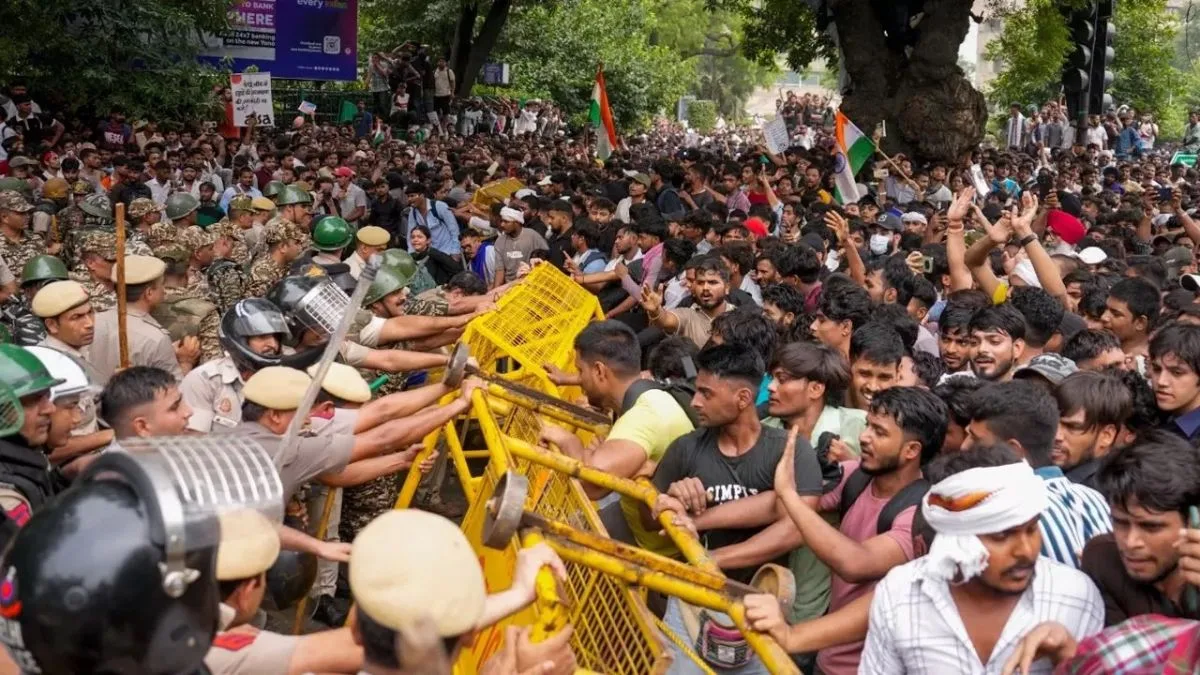
Education without entrance examinations
India’s entrance exam regime has grown into a parallel economy, draining families and destroying young lives.
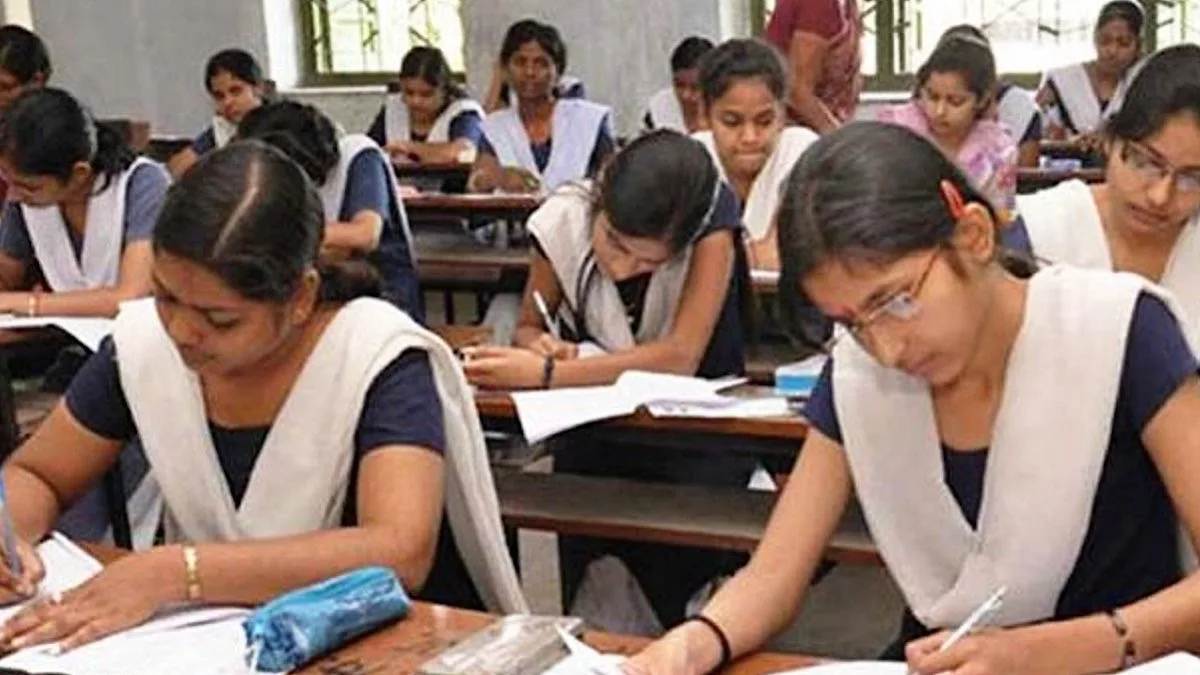
India’s entrance exam regime has grown into a parallel economy, draining families and destroying young lives.
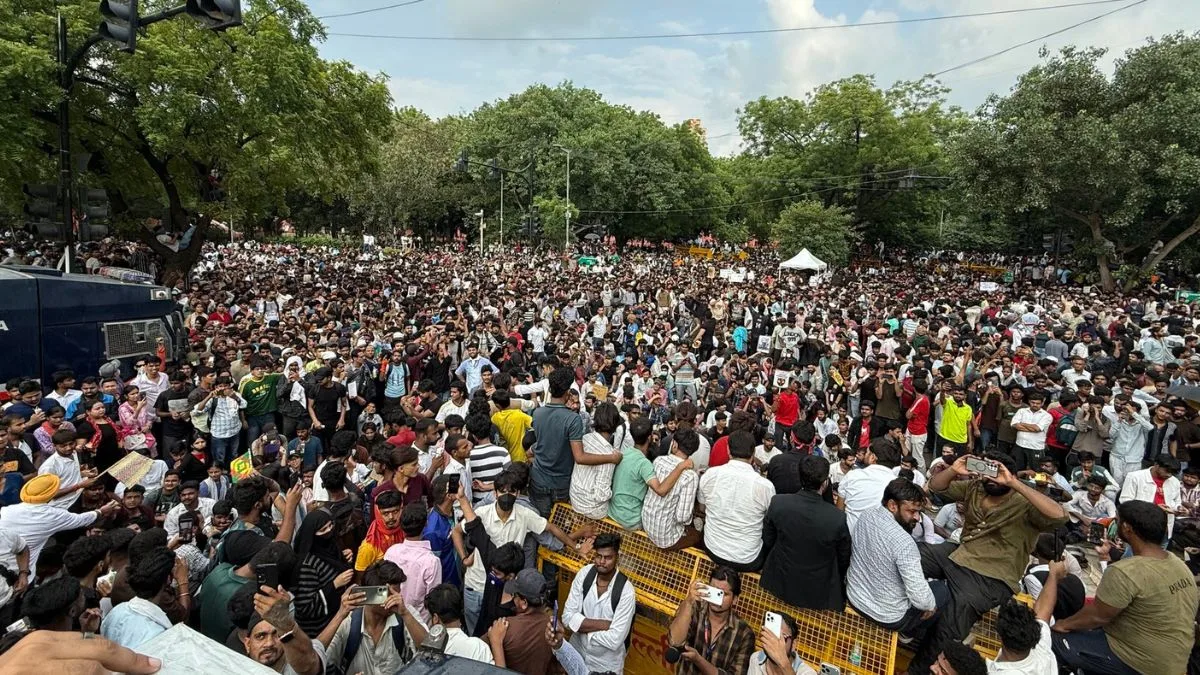
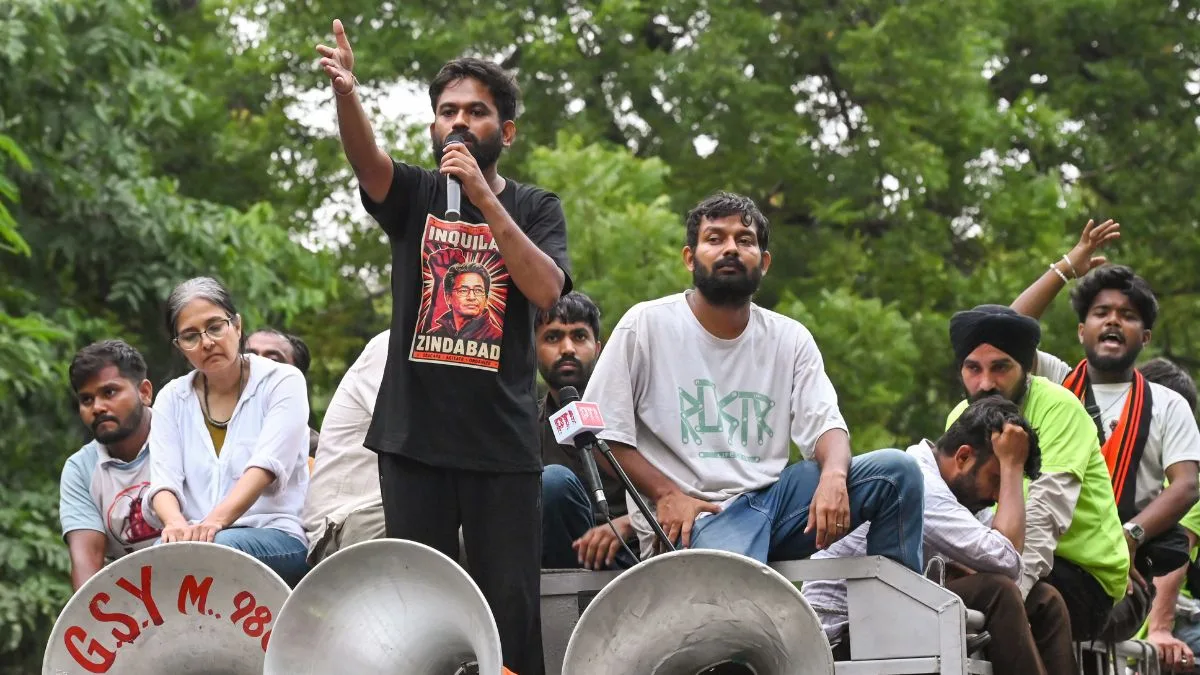
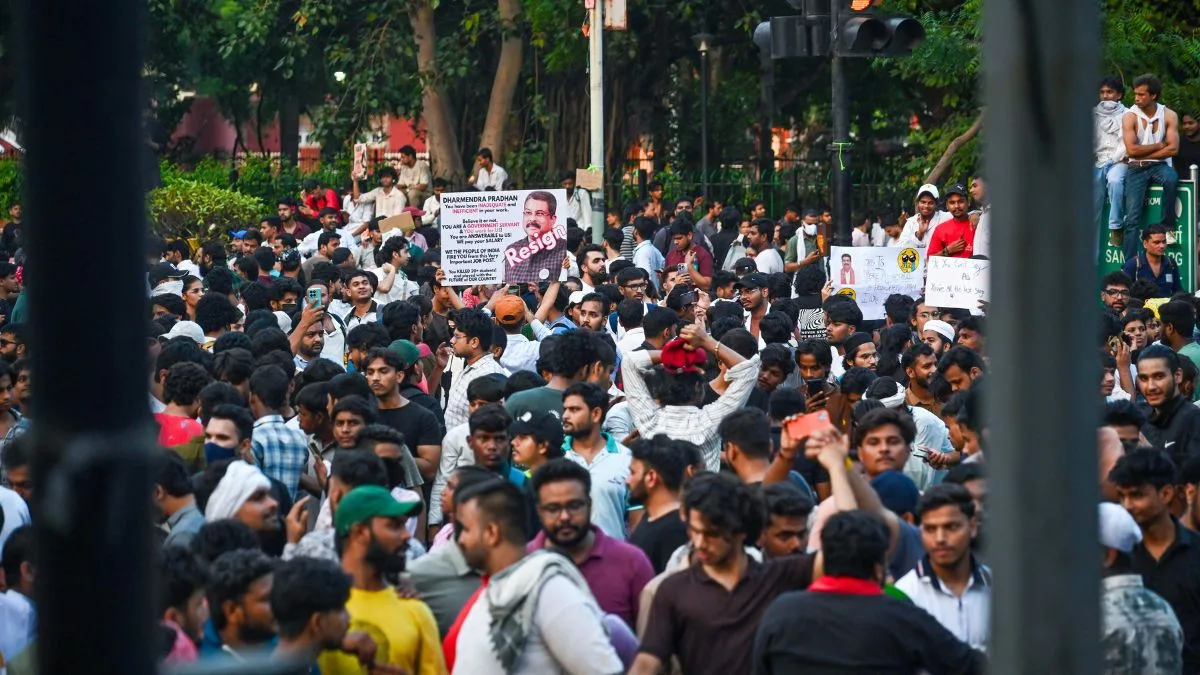
In a healthy democracy, student activism has always been a vital force - a crucible where ideas are sharpened , injustices challenged, and futures forged.
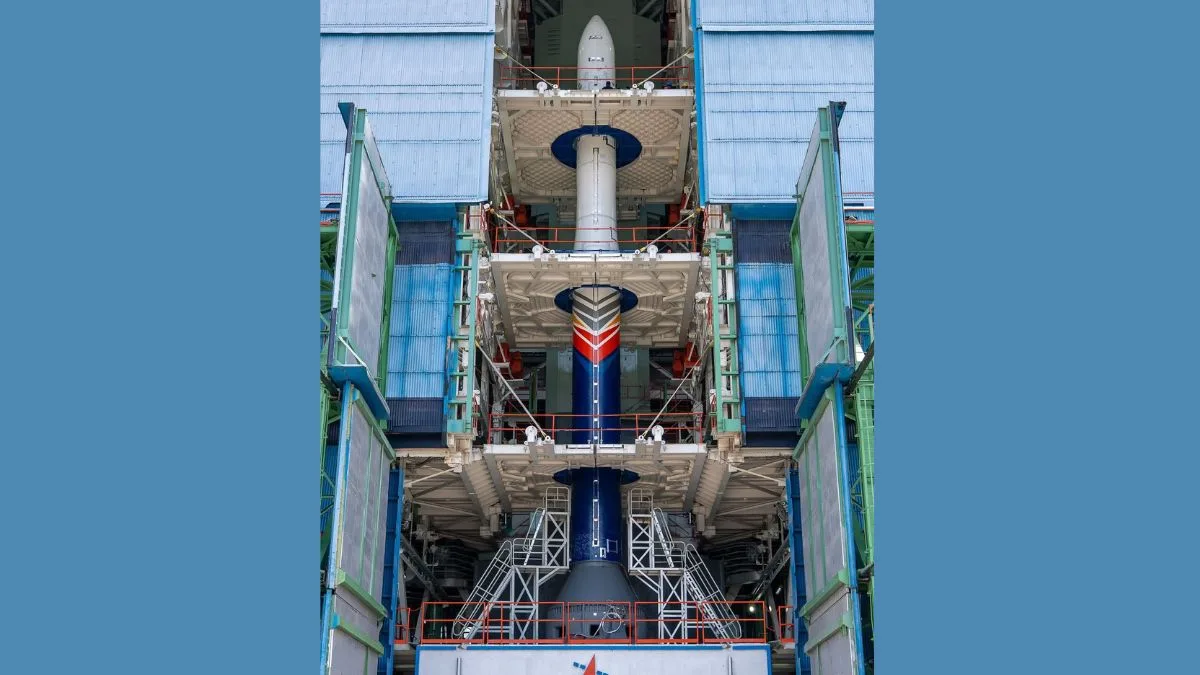
Vikram-1 reaching orbit marks an important transition in India’s space journey.

The latest Republican US budget package is about far more than allocating another $95 billion in federal spending.
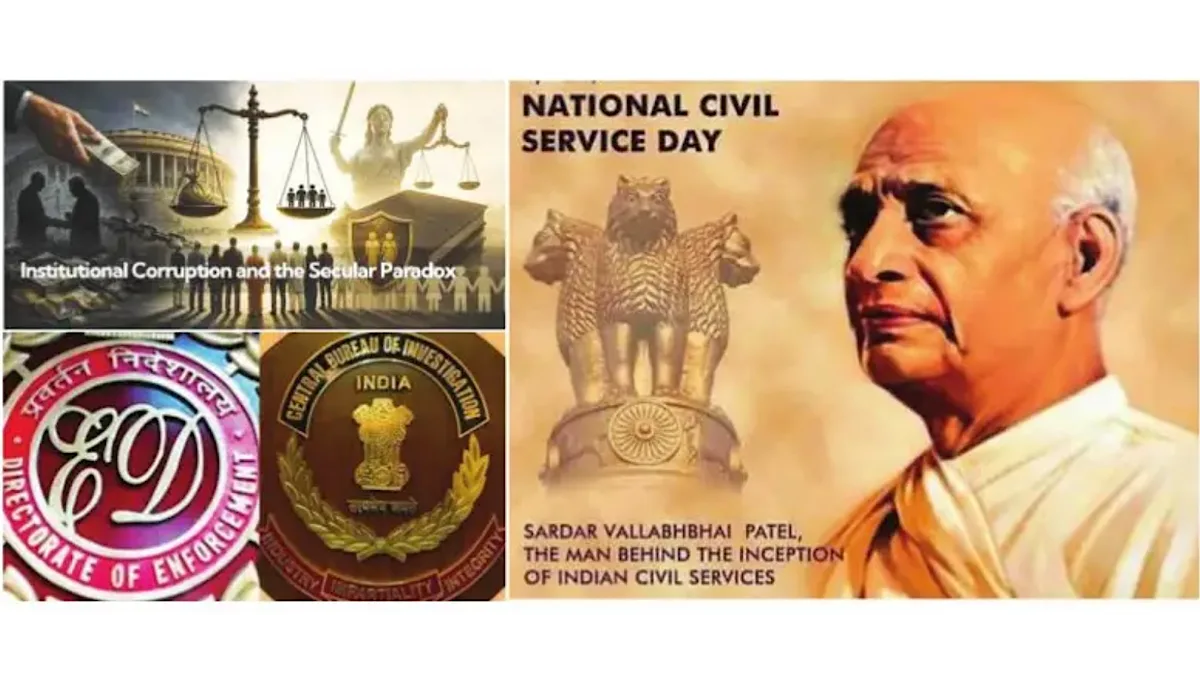
Indian administration has always had a fantastic worldwide reputation. Sardar Vallabhbhai Patel once referred to our civil services as the “steel frame” of the nation.
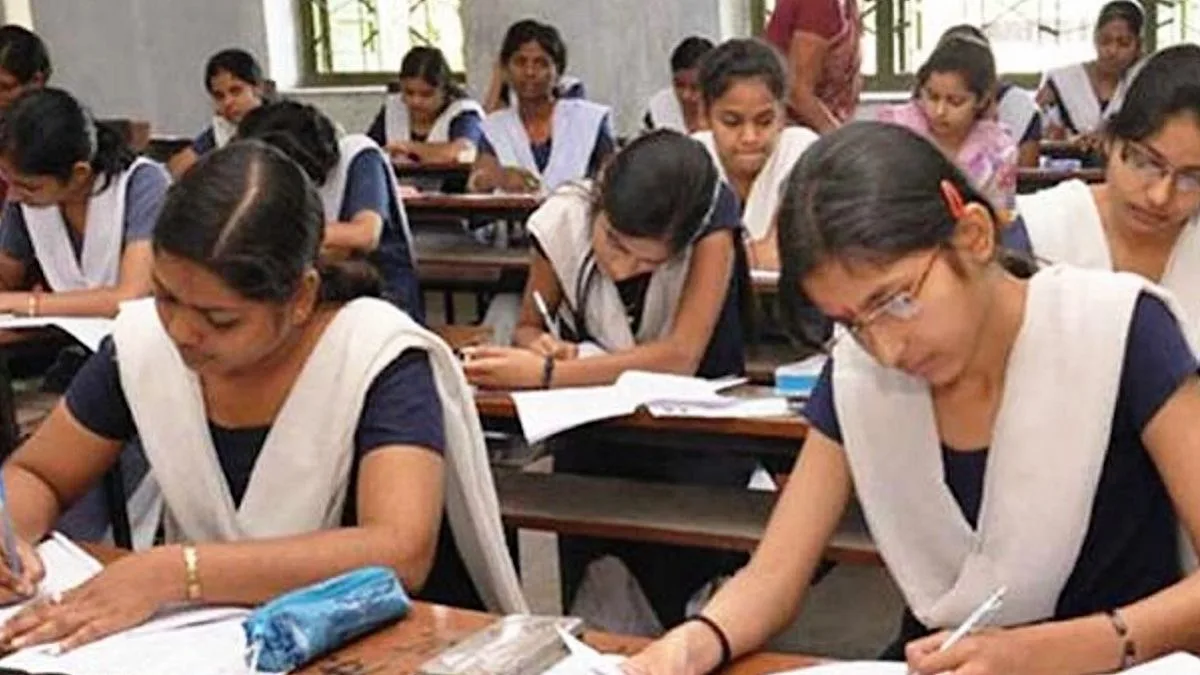
The present trend in examinations reflects a shift toward digital platforms and computerised evaluation.

India’s recent trade diplomacy has produced an unusual paradox. New Delhi is negotiating or concluding trade agreements with a range of partners even as questions persist about what earlier agreements have actually delivered.

The geopolitical shock created by the Iran conflict is forcing countries far beyond West Asia to confront an uncomfortable reality: energy security can no longer be built around a single region, a single route or a single set of political assumptions.
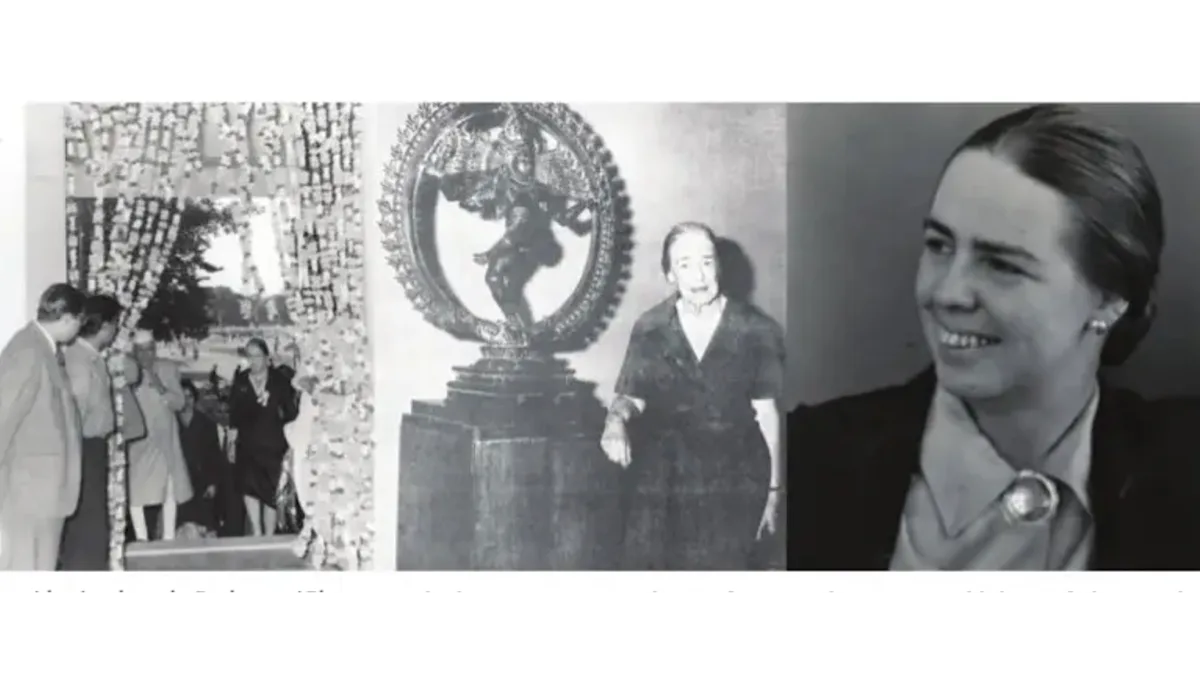
It was in 1982 that Dr Grace McCann Morley was bestowed the prestigious Padma Bhushan Award by the Government of India for her stellar contributions to the establishment of the National Museum in New Delhi.

There are moments in a nation’s journey when a quiet transformation in a remote corner becomes a symbol of national resurgence.