Education without entrance examinations
India’s entrance exam regime has grown into a parallel economy, draining families and destroying young lives.
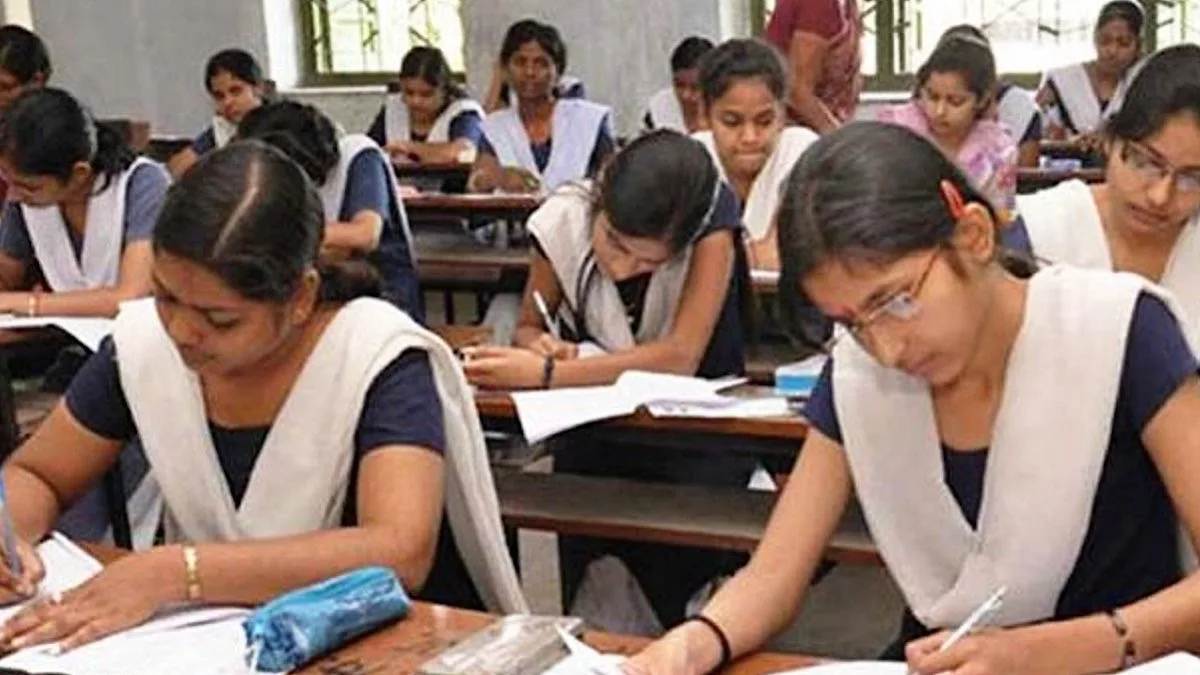
India’s entrance exam regime has grown into a parallel economy, draining families and destroying young lives.
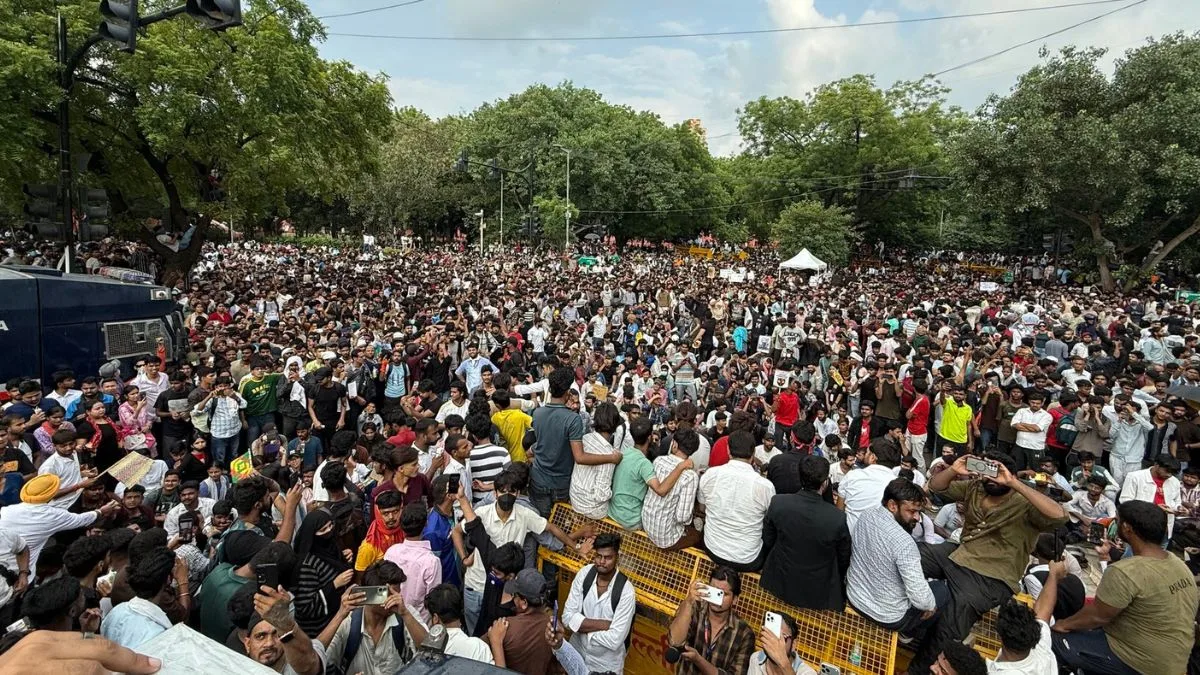
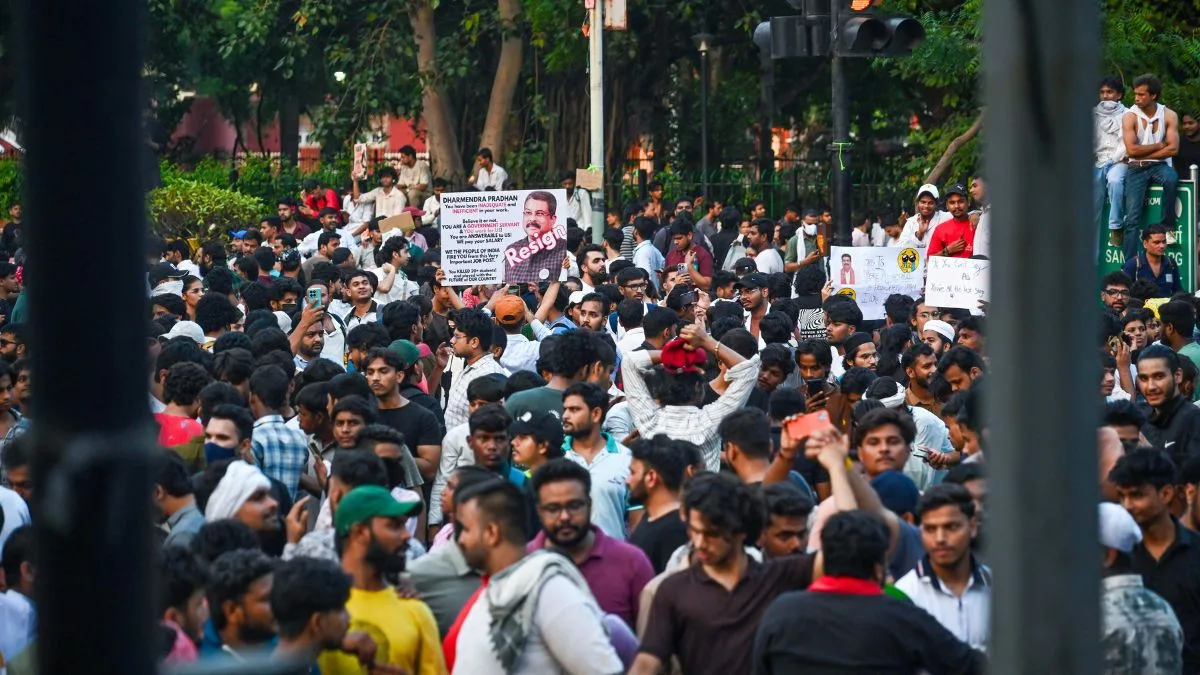
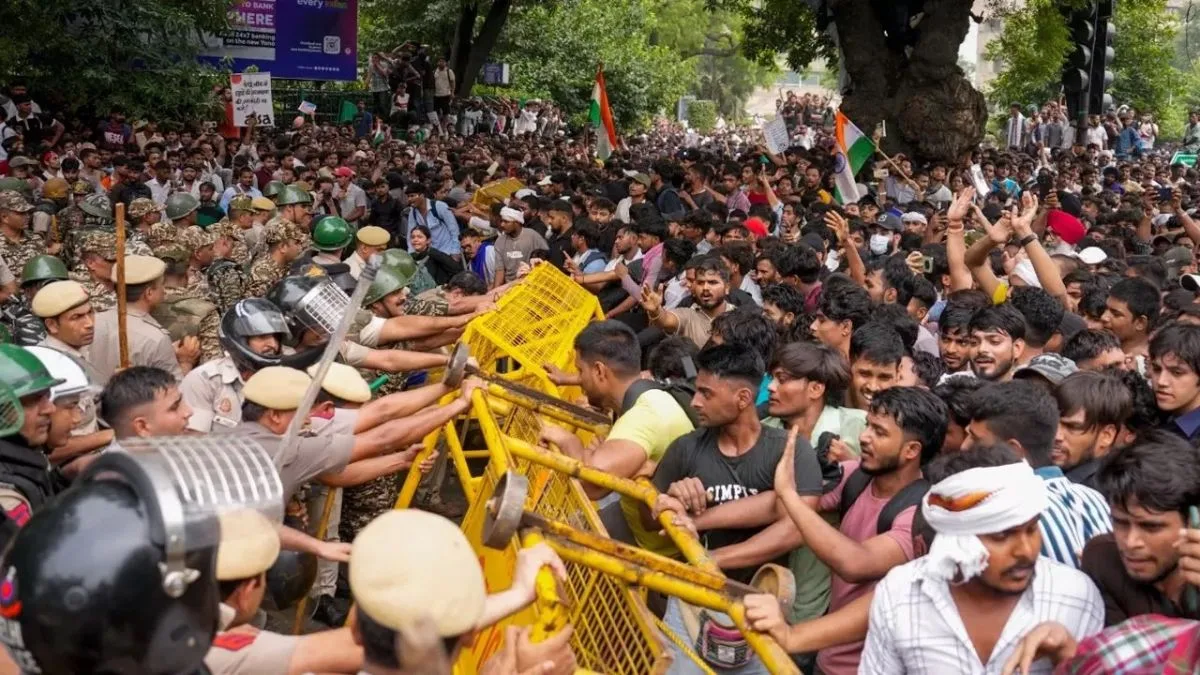
In a healthy democracy, student activism has always been a vital force - a crucible where ideas are sharpened , injustices challenged, and futures forged.
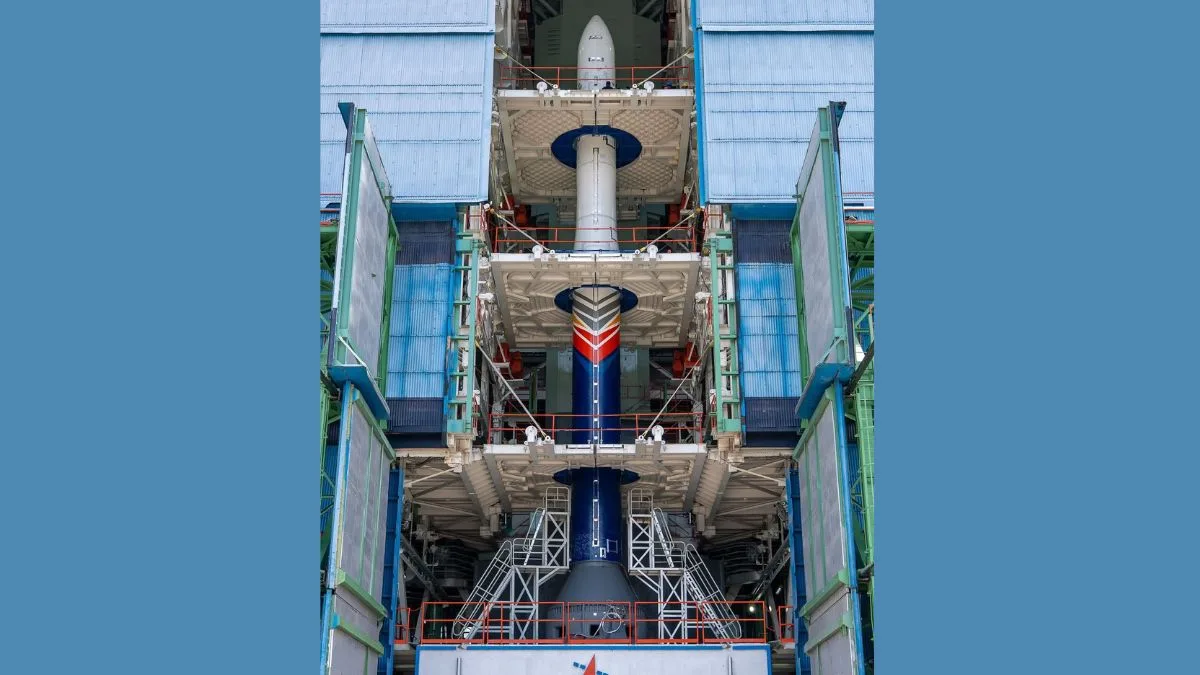
Vikram-1 reaching orbit marks an important transition in India’s space journey.

The latest Republican US budget package is about far more than allocating another $95 billion in federal spending.
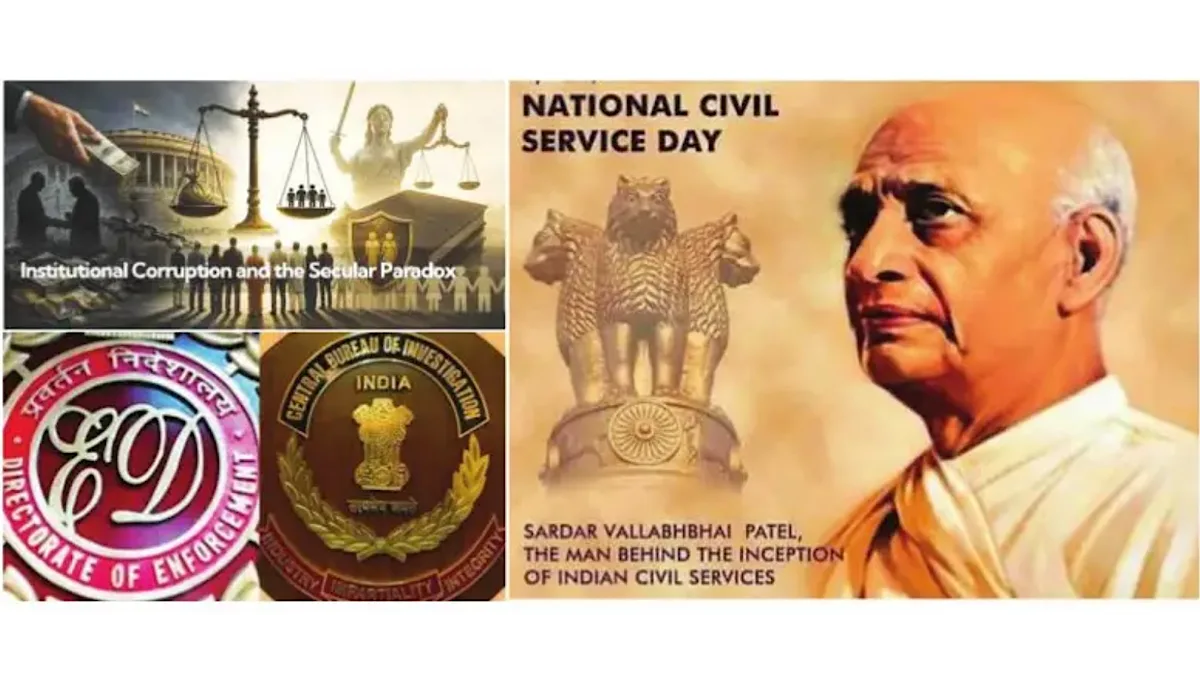
Indian administration has always had a fantastic worldwide reputation. Sardar Vallabhbhai Patel once referred to our civil services as the “steel frame” of the nation.

Every country counts its people. The real test lies in whether people are willing to be counted.

India's emergence as a healthcare destination for South Asia is often measured in numbers: foreign patients treated, hospitals accredited, surgeries performed and revenues earned.
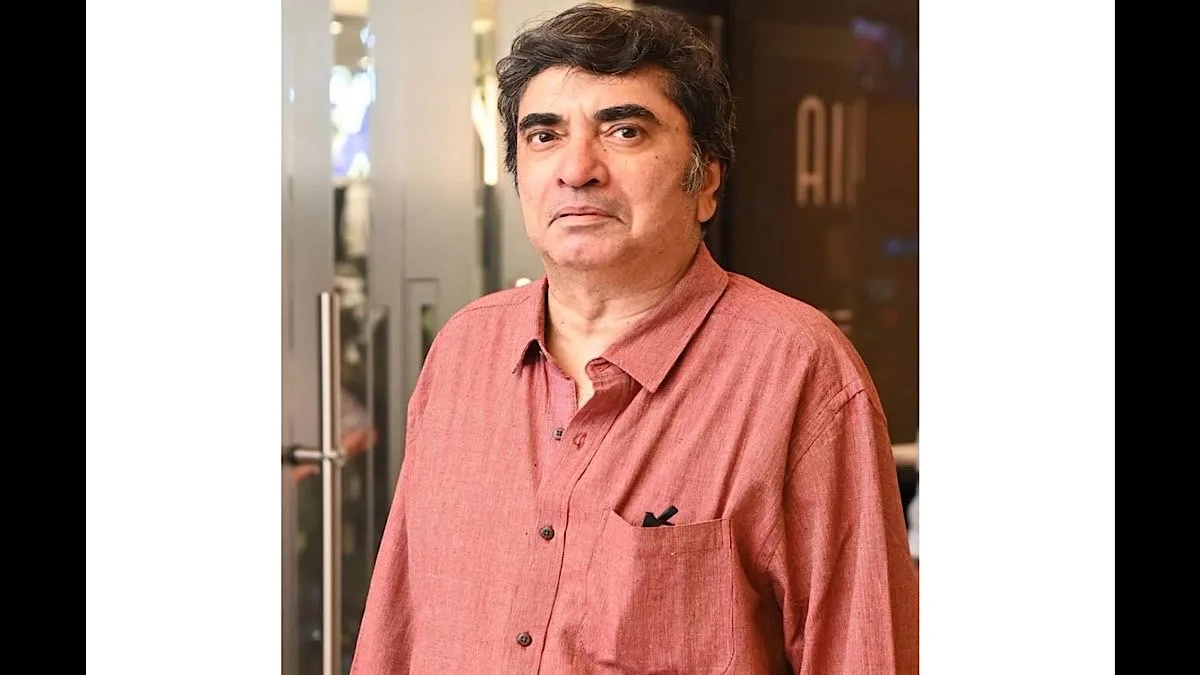
There are some deaths that leave us heartbroken. There are others that leave us bewildered. The recent death of my nephew, filmmaker Anik Dutta, left me feeling both.
The BRICS of 2026 is very different from the grouping formed in 2009. With the addition of Egypt, Ethiopia, Indonesia, Iran, Saudi Arabia and the United Arab Emirates (UAE), the bloc has become larger and more diverse.
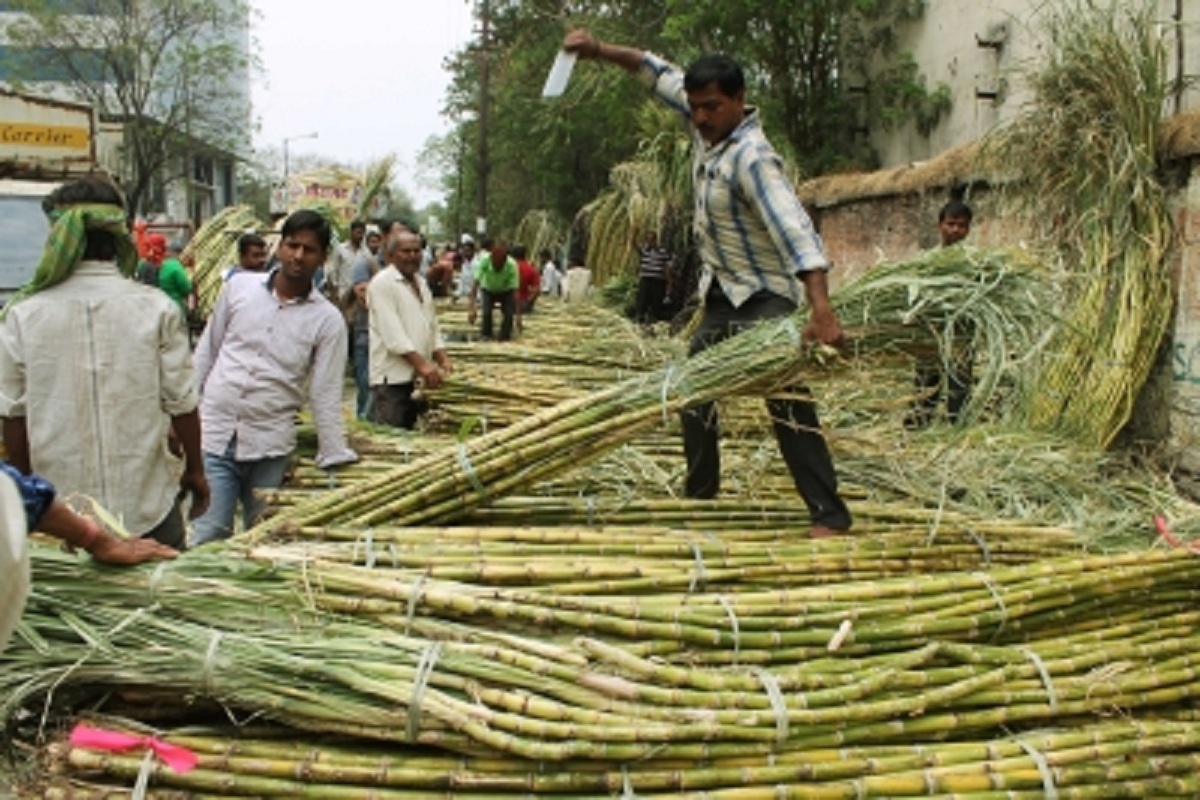
India’s sugar policy is slipping into a familiar pattern. When production rises, exports are encouraged. When supply tightens, exports are restricted.