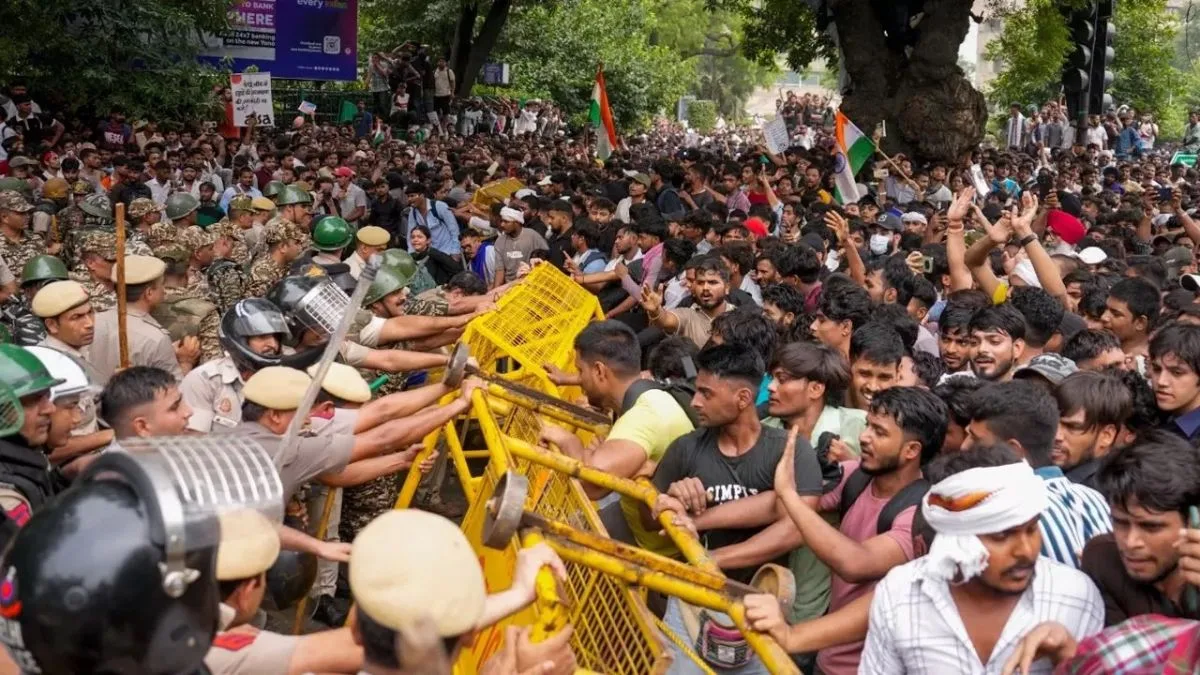
Education without entrance examinations
India’s entrance exam regime has grown into a parallel economy, draining families and destroying young lives.
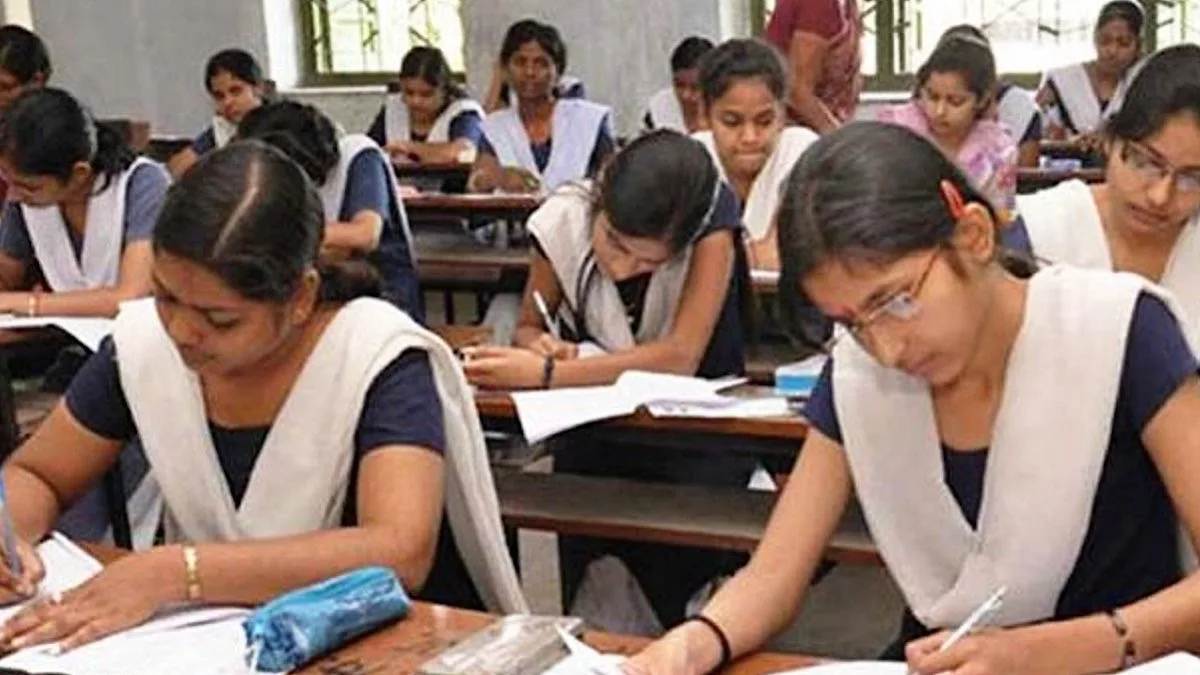
India’s entrance exam regime has grown into a parallel economy, draining families and destroying young lives.
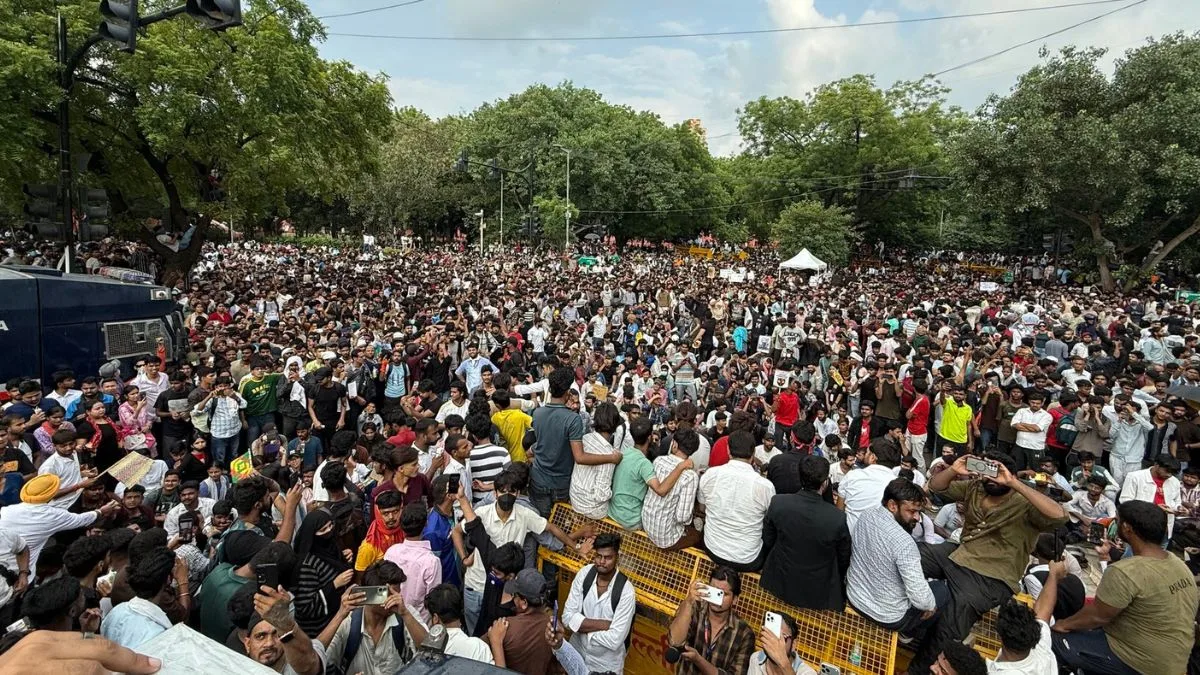
In a healthy democracy, student activism has always been a vital force - a crucible where ideas are sharpened , injustices challenged, and futures forged.
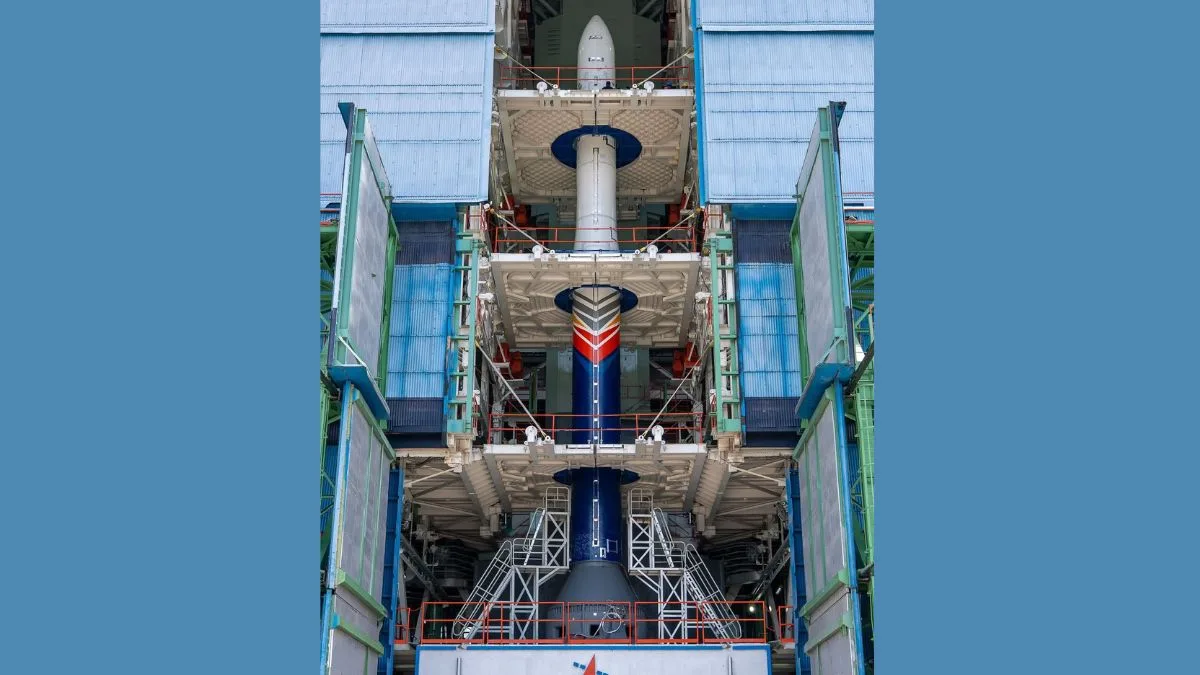
Vikram-1 reaching orbit marks an important transition in India’s space journey.

The latest Republican US budget package is about far more than allocating another $95 billion in federal spending.
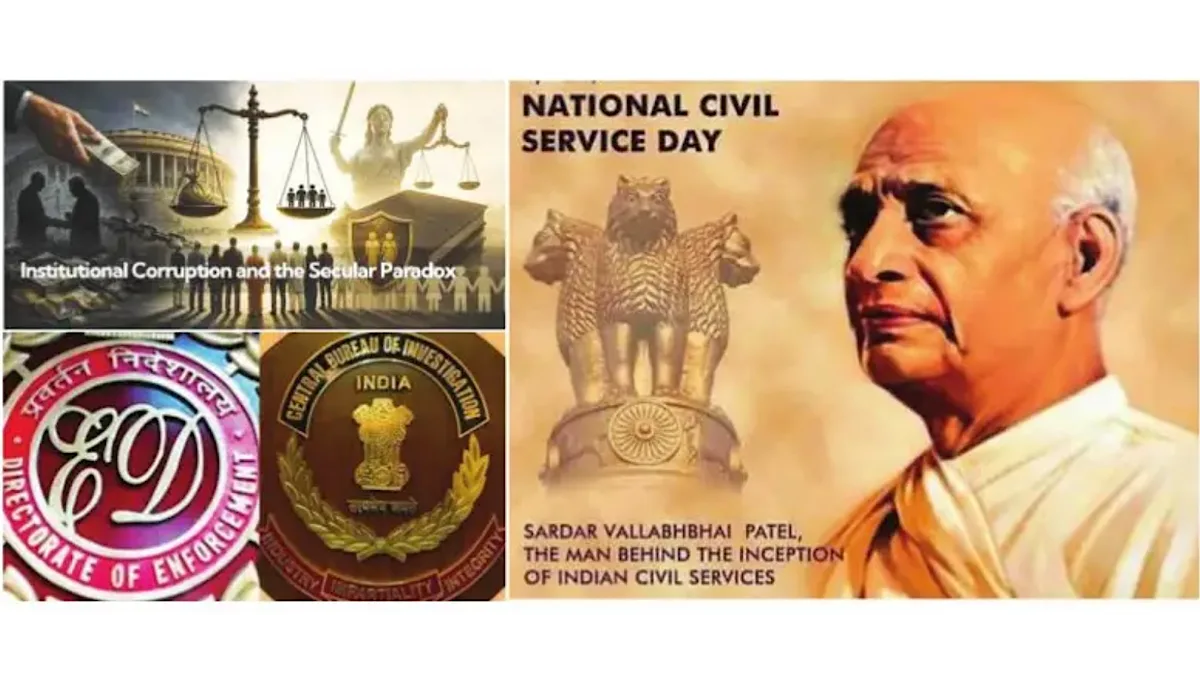
Indian administration has always had a fantastic worldwide reputation. Sardar Vallabhbhai Patel once referred to our civil services as the “steel frame” of the nation.
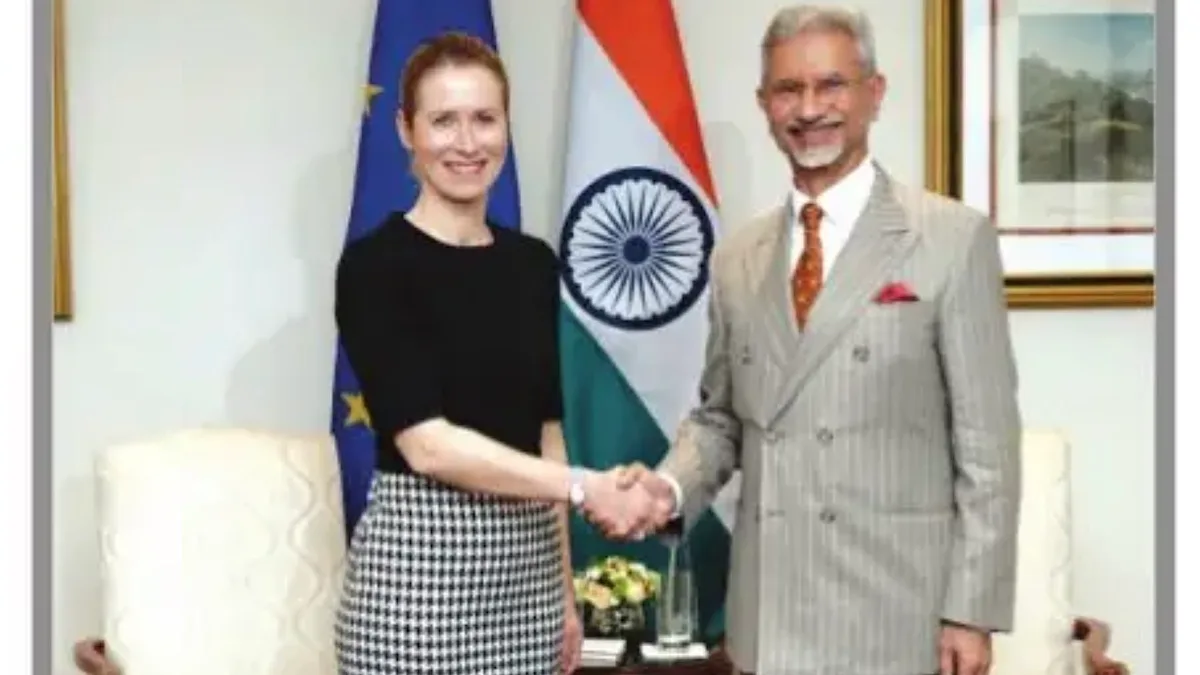
Kaja Kallas, the EU’s High Representative for Foreign Affairs and Security Policy and former Estonian premier, stated during Operation Sindoor, “Rising tensions between India and Pakistan are alarming.
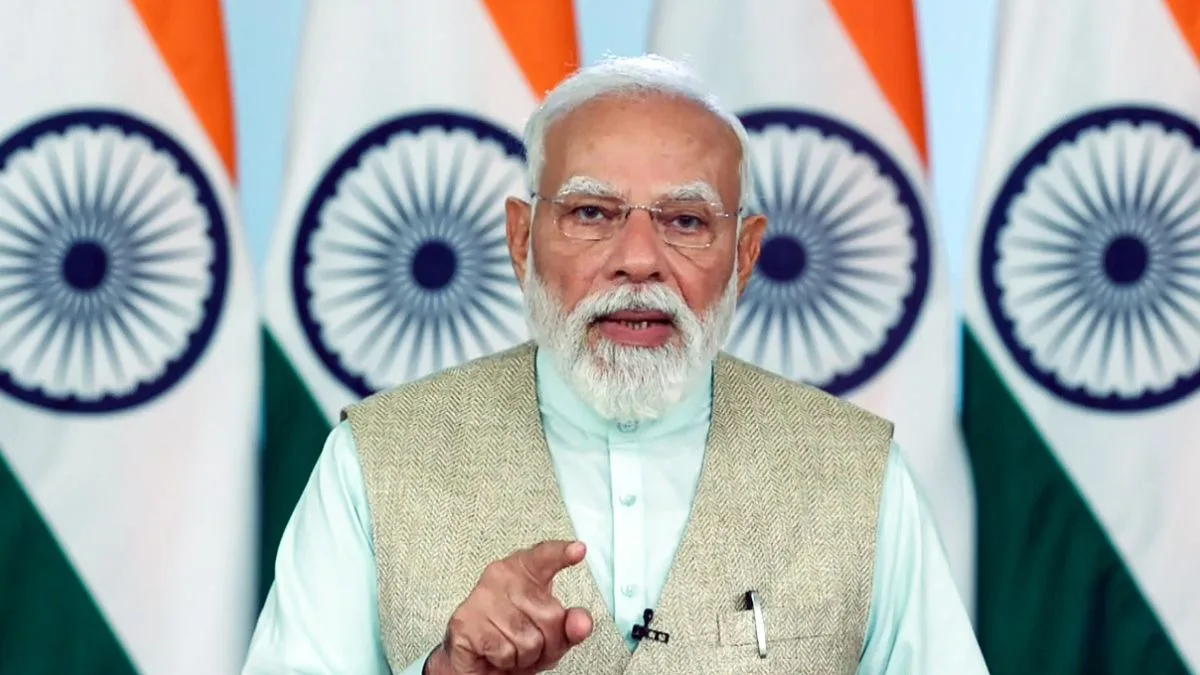
As India marks 12 years of Prime Minister Narendra Modi’s leadership, one of the most pro fond transformations has been the quiet yet decisive resurgence of Bharat’s civilisational identity.
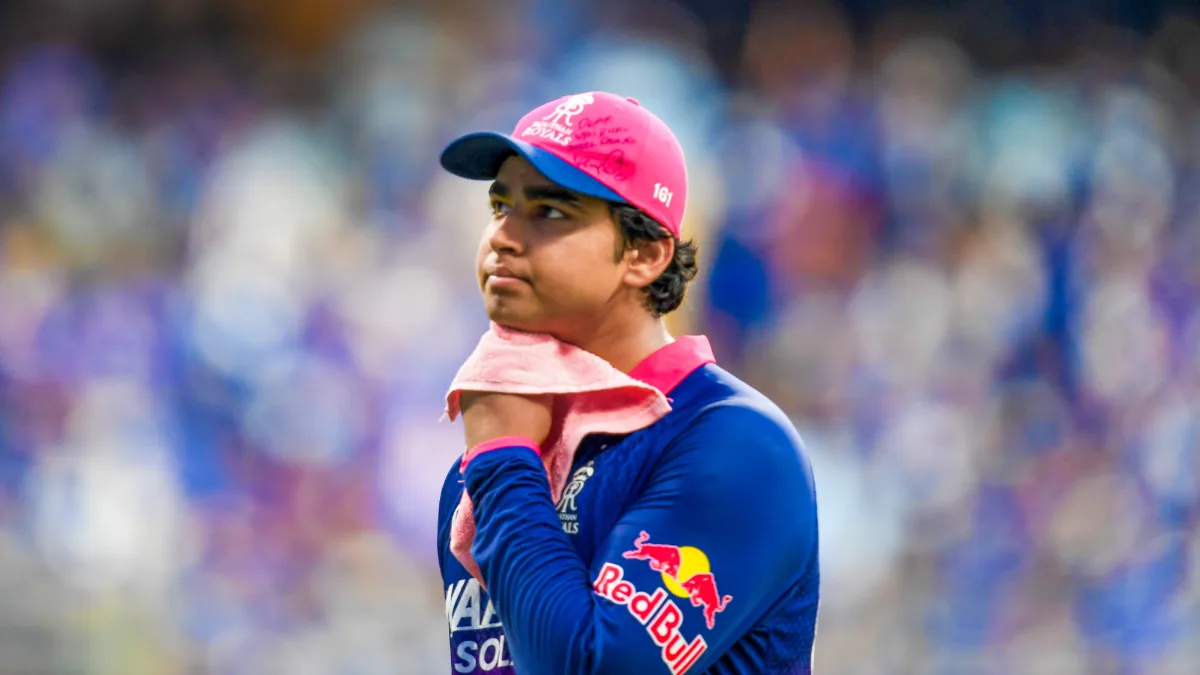
The selection of a 15-year-old for India’s senior cricket team is not merely a story about precocious talent.
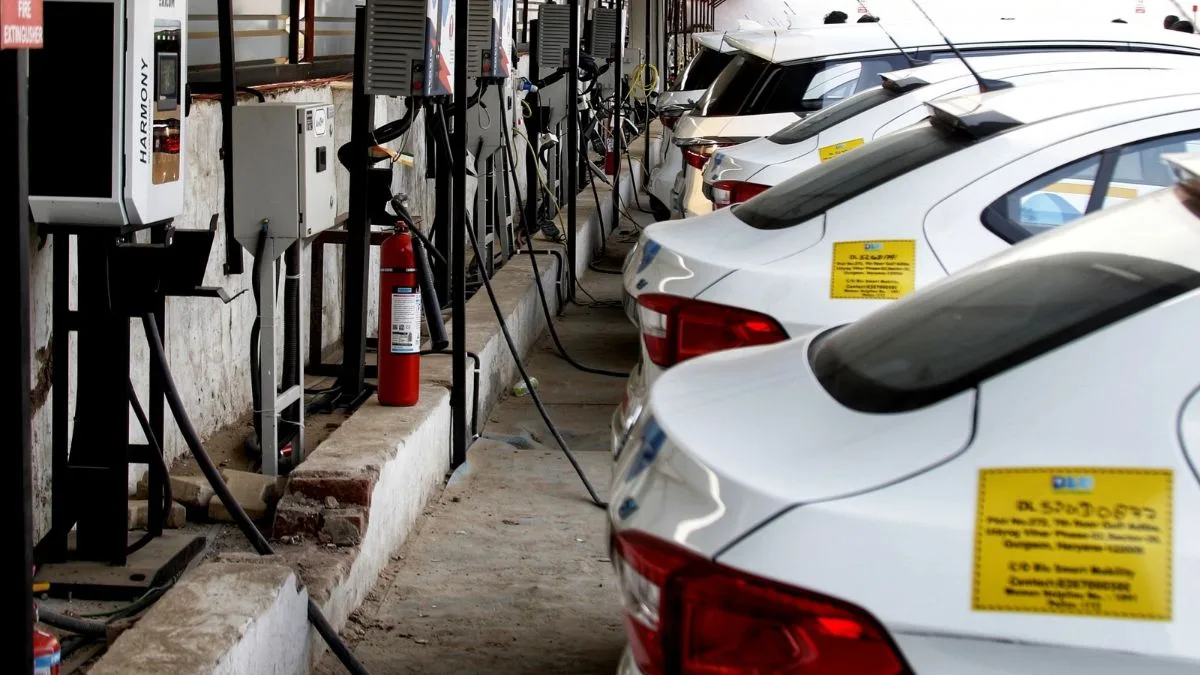
For years, India’s electric vehicle debate was driven largely by environmental concerns.
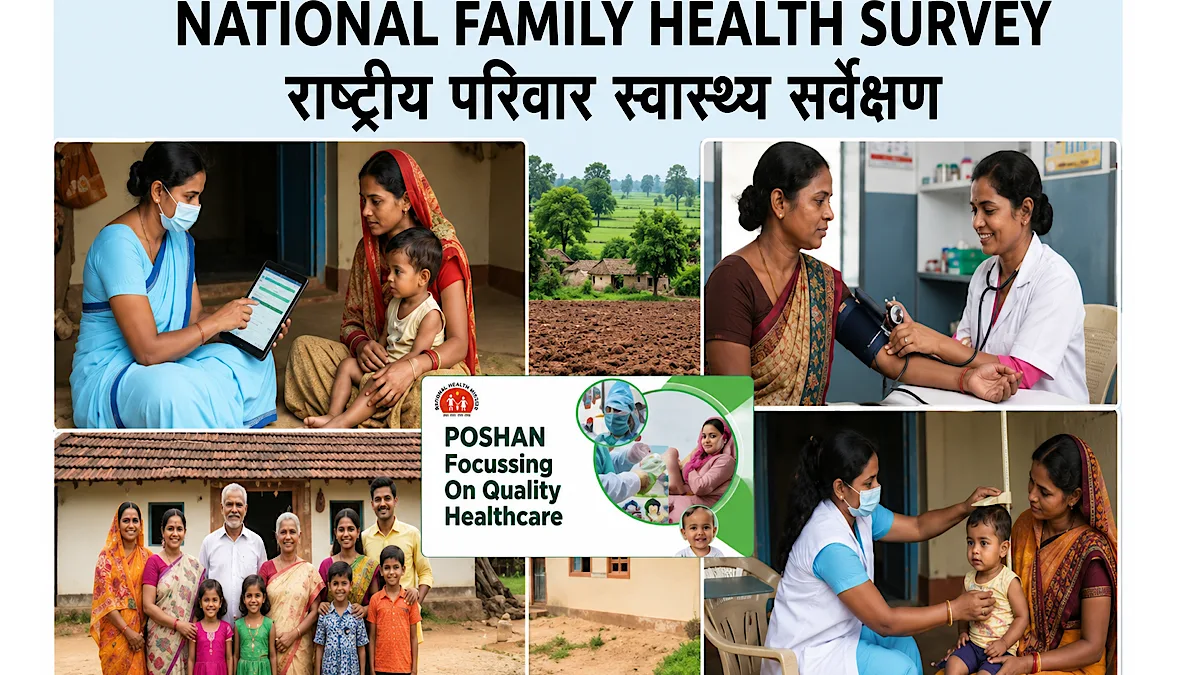
A state with a per capita income well below the national average has, over the years, surprised demographers and public health researchers with faster-than-expected gains on child mortality, institutional births, and school enrolment.