After England snub, Kuldeep lands Yorkshire county deal
India left-arm wrist-spinner Kuldeep Yadav is set to make his debut in English county cricket after signing for Yorkshire for two separate spells during the ongoing domestic season.
The selection of a 15-year-old for India’s senior cricket team is not merely a story about precocious talent.




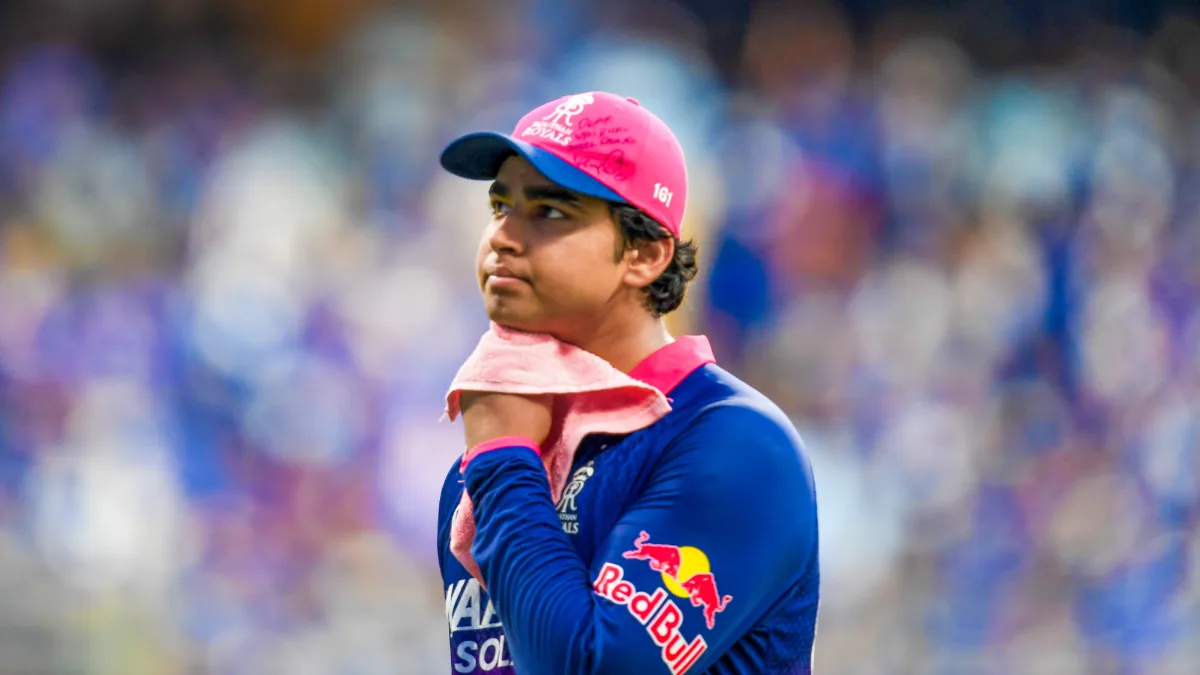
Rajasthan Royals' Vaibhav Sooryavanshi during the IPL 2026 match between Mumbai Indians and Rajasthan Royals at the Wankhede Stadium in Mumbai on Sunday, May 24, 2026. (Photo: IANS)
The selection of a 15-year-old for India’s senior cricket team is not merely a story about precocious talent. It is a sign of how dramatically the sport’s talent identification and development systems have changed. For decades, Indian cricket followed a relatively predictable ladder: age-group cricket, domestic competition, sustained performance over several seasons and, finally, national selection.
Today, that ladder is being replaced by a fast-moving elevator. The rise of Vaibhav Sooryavanshi reflects the emergence of a new cricket ecosystem in which extraordinary talent can be tested against world-class opposition far earlier than ever before. The Indian Premier League has become more than a professional tournament. It has evolved into the country’s most powerful talent laboratory, exposing young players to elite bowlers, high-pressure situations and global scrutiny long before they receive an international cap. This is a profound shift. When Sachin Tendulkar debuted as a 16-year-old in 1989, selectors were relying largely on domestic performances, scouting reports and instinct.
Advertisement
Today’s administrators have access to far richer evidence. Every shot, every innings and every tactical decision is scrutinised through data, video analysis and performance metrics. A young player who succeeds repeatedly against the world’s best bowlers in a tournament watched by hundreds of millions is no longer an unknown quantity. That does not mean the risks have disappeared. If anything, they have multiplied. Modern cricket places enormous commercial and psychological pressures on young athletes. Social media ensures that a teenager’s successes are celebrated instantly and his failures dissected just as quickly.
Advertisement
The same public that elevates a prodigy can become impatient when inevitable setbacks arrive. Indian cricket has witnessed this cycle before with highly touted youngsters who struggled to convert early promise into sustained international careers. The responsibility, therefore, extends beyond selection. The Board of Control for Cricket in India, team management and senior players must ensure that exceptional talent is protected from excessive expectations. Development cannot be sacrificed for spectacle. A 15-year-old may possess the skill to dominate bowling attacks, but emotional maturity, physical resilience and long-term career management require careful nurturing.
Yet it would be wrong to view such selections solely through the lens of caution. They also reflect growing institutional confidence. Indian cricket today possesses the depth, resources and support structures to take calculated risks. It no longer fears investing in youth because its talent pool is broader than at any point in its history. The larger significance lies here. The debate is no longer whether a player is old enough for international cricket. The question increasingly is whether he is good enough. That change represents a decisive break from tradition. If handled wisely, it could usher in a new era in which Indian cricket’s brightest talents reach the highest stage not according to age, but according to readiness. Sooryavanshi may be the latest example of that transformation, but he is unlikely to be the last.
Advertisement

![‘Beginning of accountability’: Sonam Wangchuk reveals 3 written assurances from Centre before ending fast [VIDEO]](https://www.thestatesman.com/wp-content/uploads/2026/07/Sonam-Wangchuk-1-1-300x200.webp)
![‘Beginning of accountability’: Sonam Wangchuk reveals 3 written assurances from Centre before ending fast [VIDEO]](https://www.thestatesman.com/wp-content/uploads/2026/07/Sonam-Wangchuk-1-1.webp)