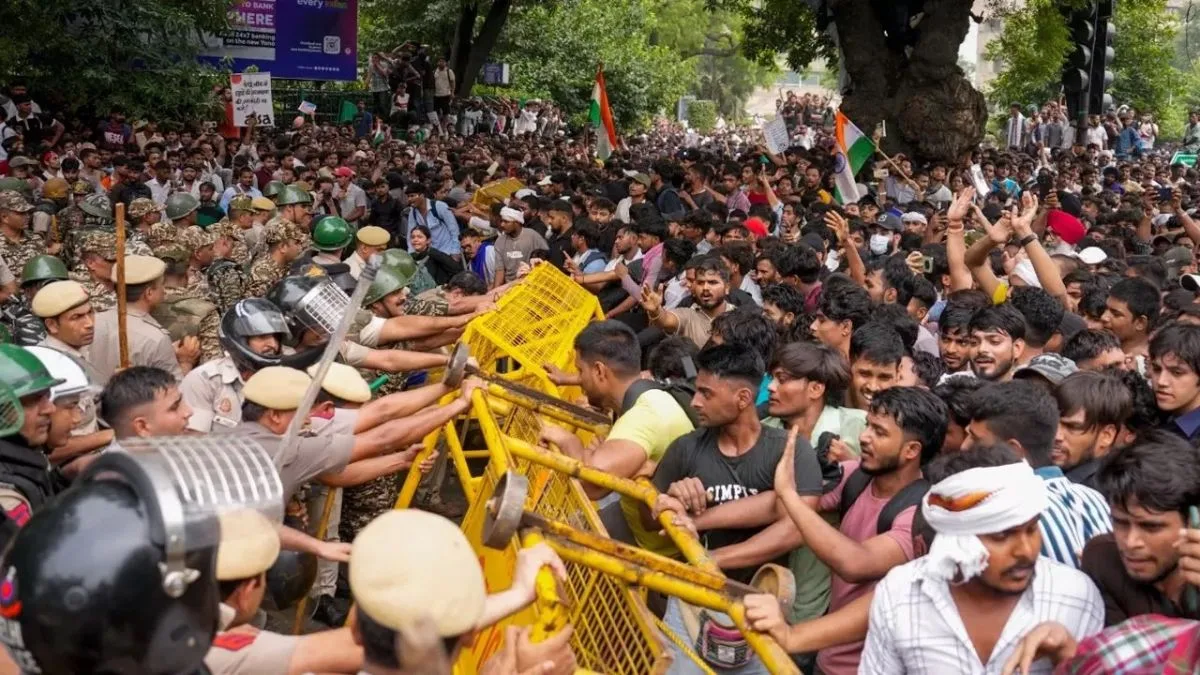
Education without entrance examinations
India’s entrance exam regime has grown into a parallel economy, draining families and destroying young lives.
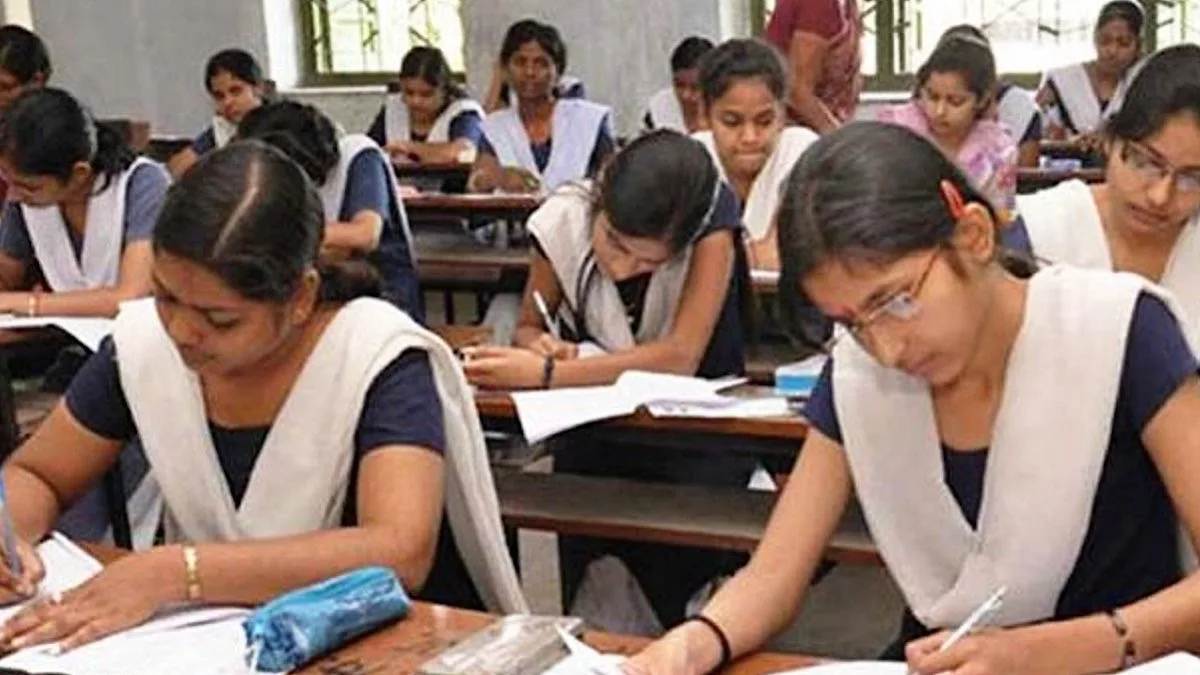
India’s entrance exam regime has grown into a parallel economy, draining families and destroying young lives.
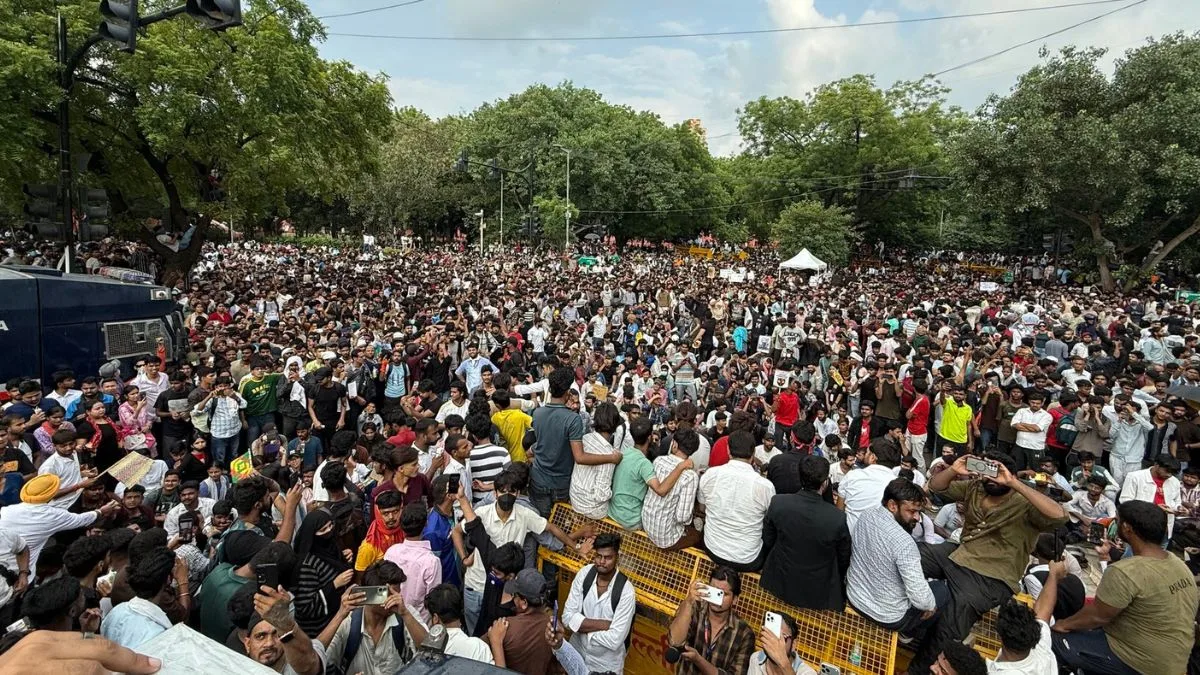
In a healthy democracy, student activism has always been a vital force - a crucible where ideas are sharpened , injustices challenged, and futures forged.
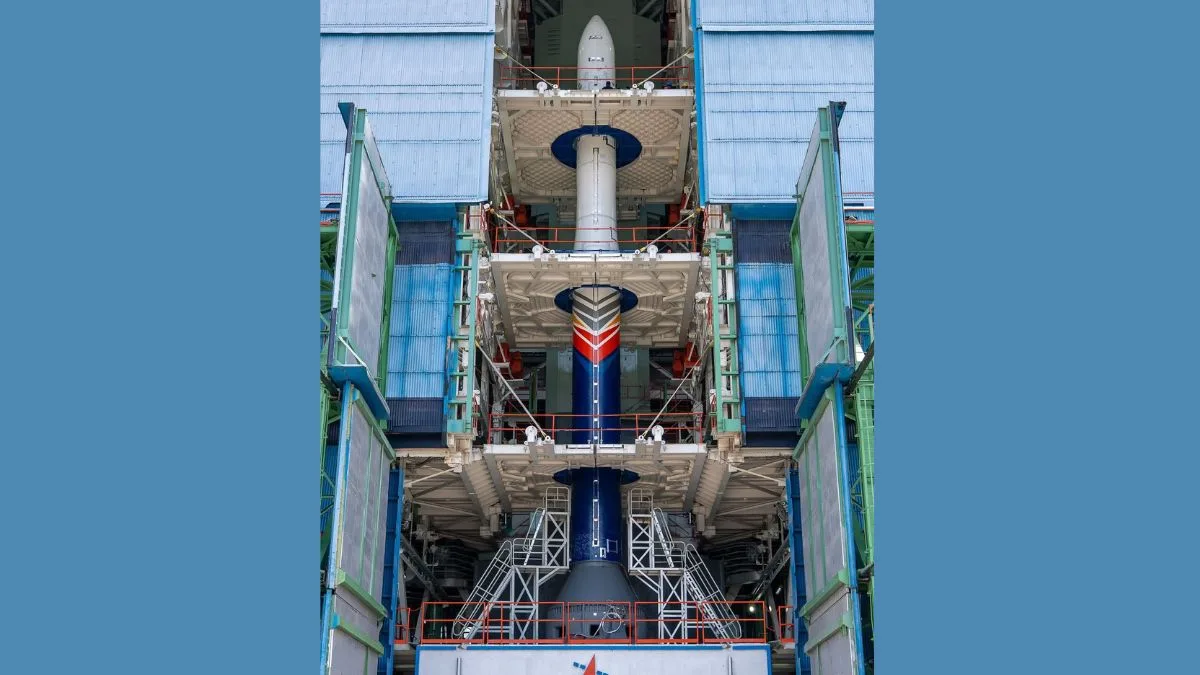
Vikram-1 reaching orbit marks an important transition in India’s space journey.

The latest Republican US budget package is about far more than allocating another $95 billion in federal spending.
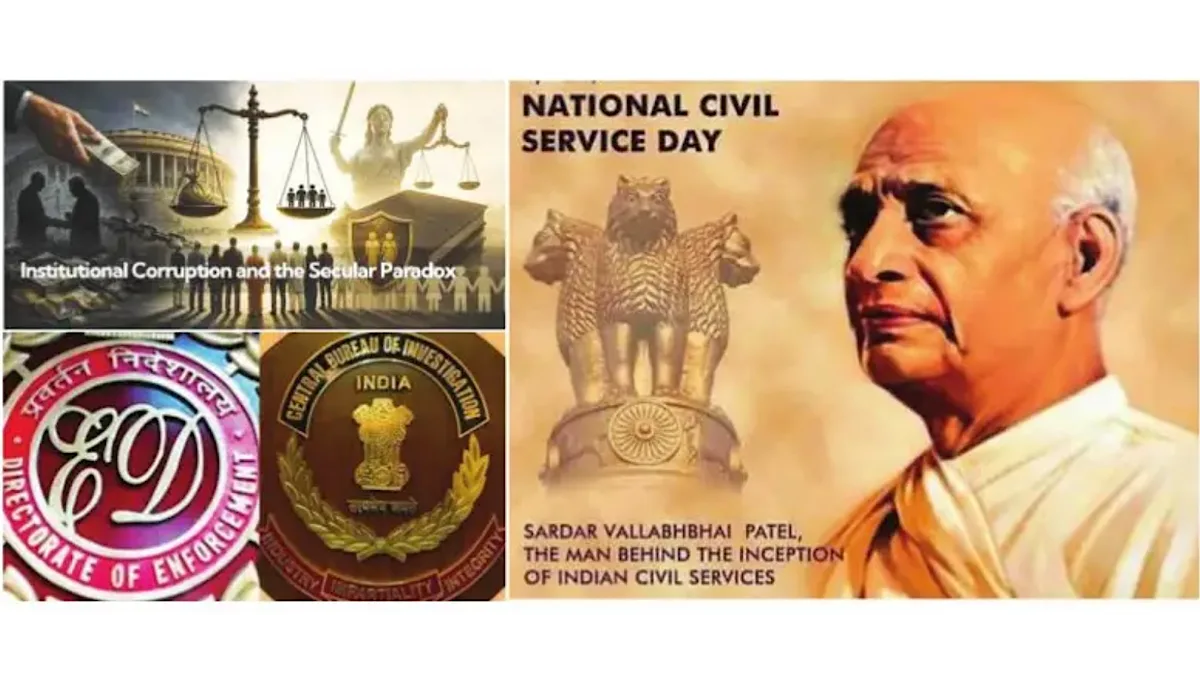
Indian administration has always had a fantastic worldwide reputation. Sardar Vallabhbhai Patel once referred to our civil services as the “steel frame” of the nation.

The latest National Family Health Survey-6 (NFHS-6) Rep or t gives us some crucial insights regarding the different facets of development.
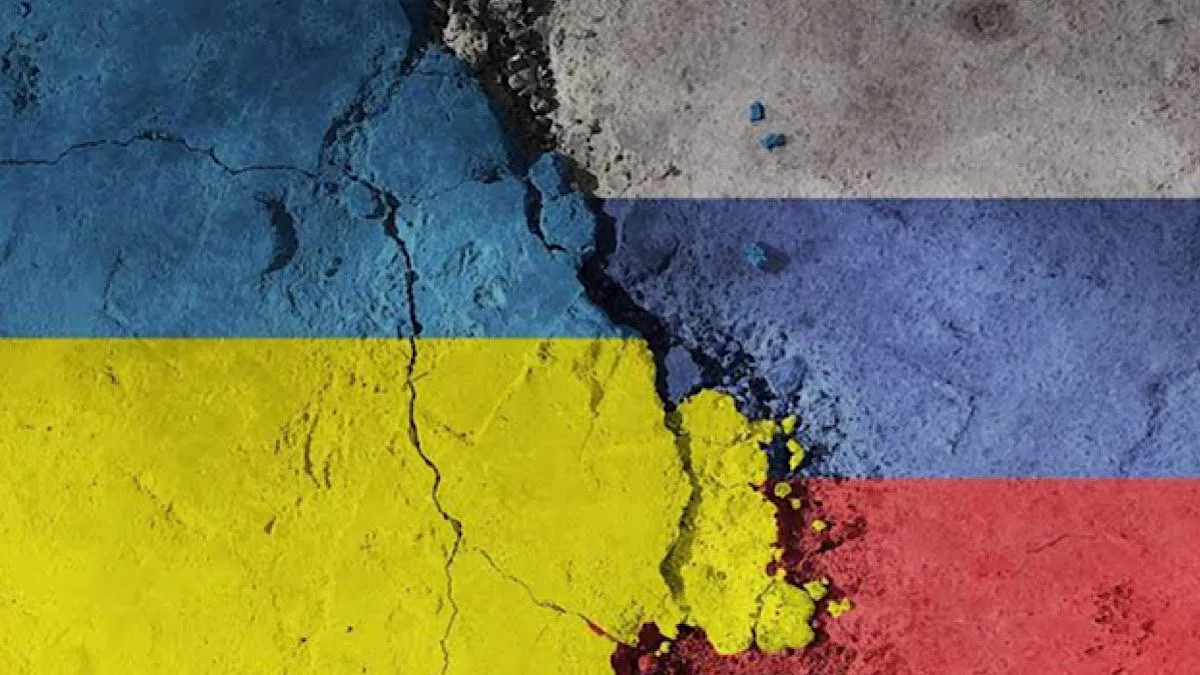
Wars often end long before the shooting stops. They end when one side concludes it cannot win, when both sides accept the limits of military power, or when external actors impose a framework that neither can ignore.

The survival of Dawa Sherpa on Mount Everest last week will inevitably be celebrated as a miracle.
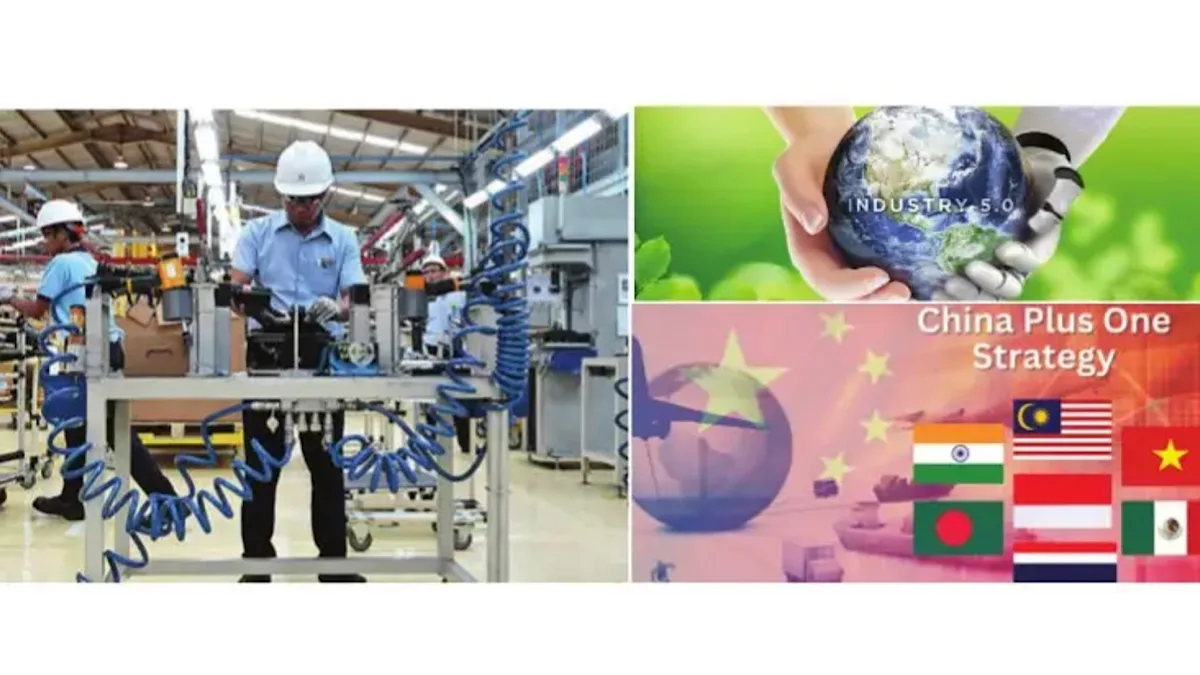
The global manufacturing landscape is undergoing a profound transformation.

The real crisis lies in major cities, where overcrowded roads, rising pollution, declining patience and poor traffic discipline have become commonplace.