Education without entrance examinations
India’s entrance exam regime has grown into a parallel economy, draining families and destroying young lives.
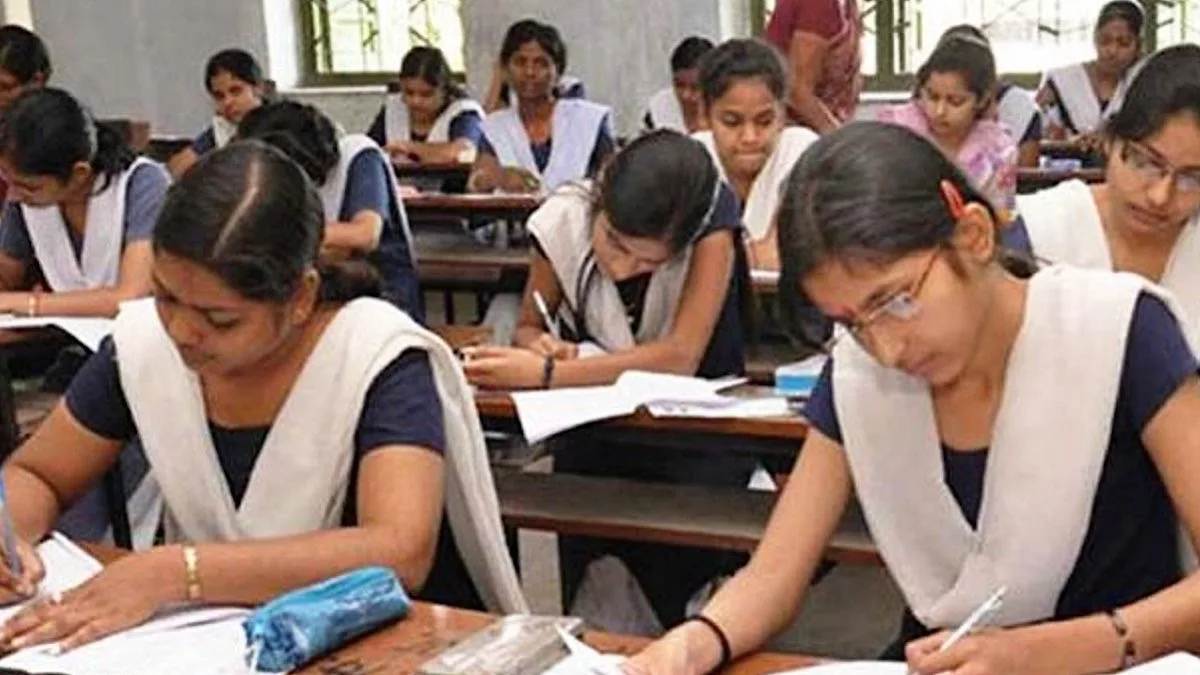
India’s entrance exam regime has grown into a parallel economy, draining families and destroying young lives.
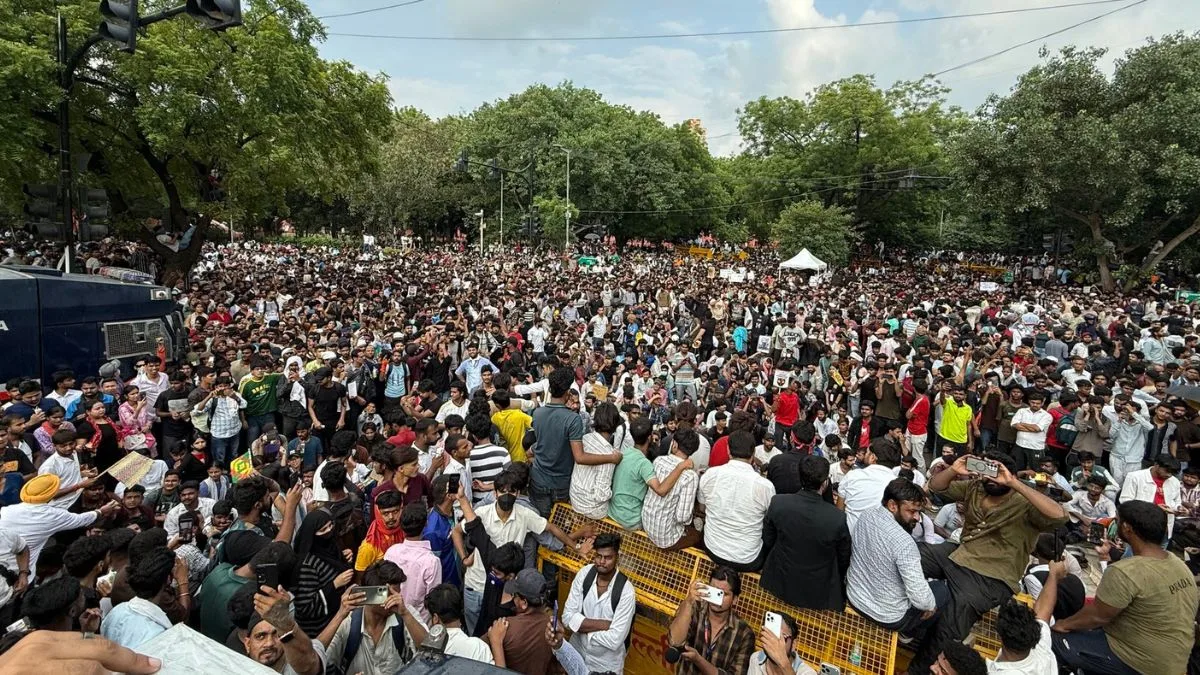
In a healthy democracy, student activism has always been a vital force - a crucible where ideas are sharpened , injustices challenged, and futures forged.
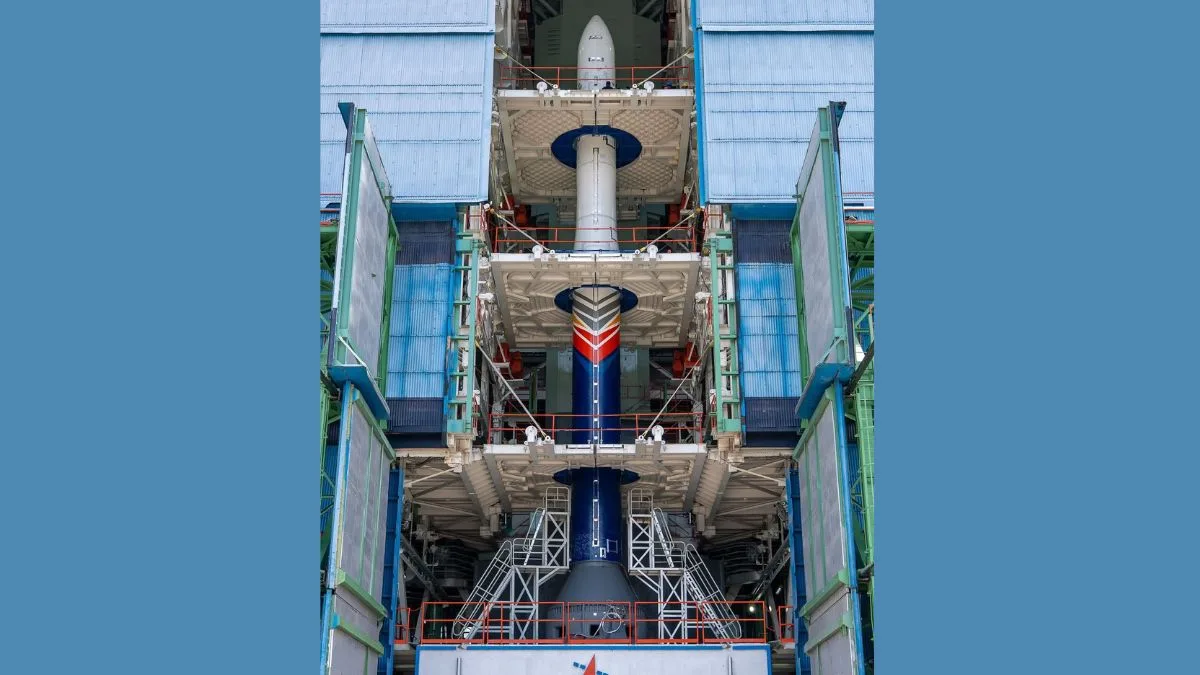
Vikram-1 reaching orbit marks an important transition in India’s space journey.

The latest Republican US budget package is about far more than allocating another $95 billion in federal spending.
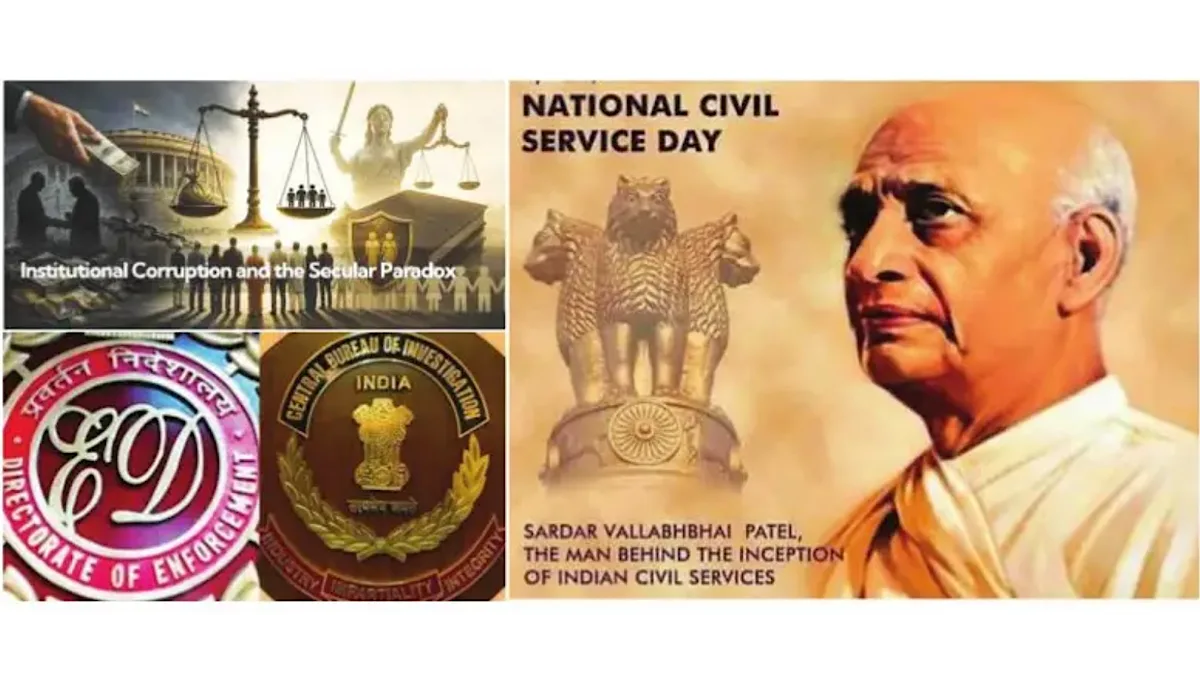
Indian administration has always had a fantastic worldwide reputation. Sardar Vallabhbhai Patel once referred to our civil services as the “steel frame” of the nation.

The blockading of the Strait of Hormuz following the outbreak of hostilities in the Middle East has done what a decade of climate summits could not: it has stripped the energy transition of its moralizing upholstery, revealing its raw geopolitical core.
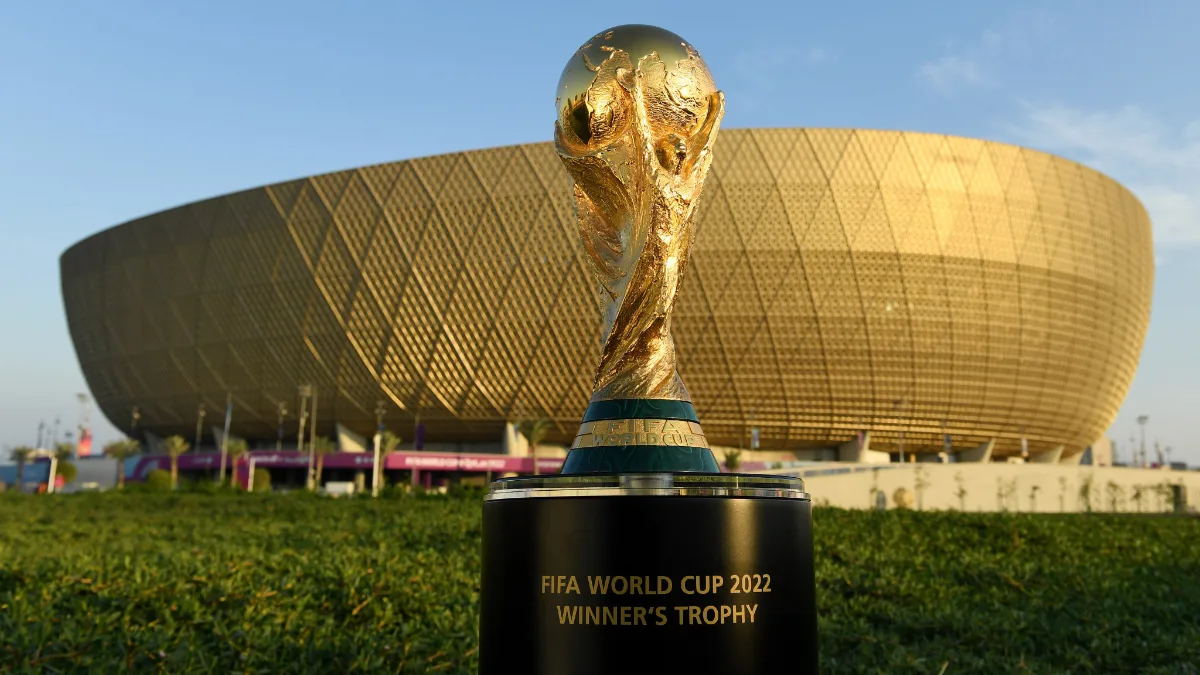
Every four years, the World Cup reminds the world that football is not merely a sport.
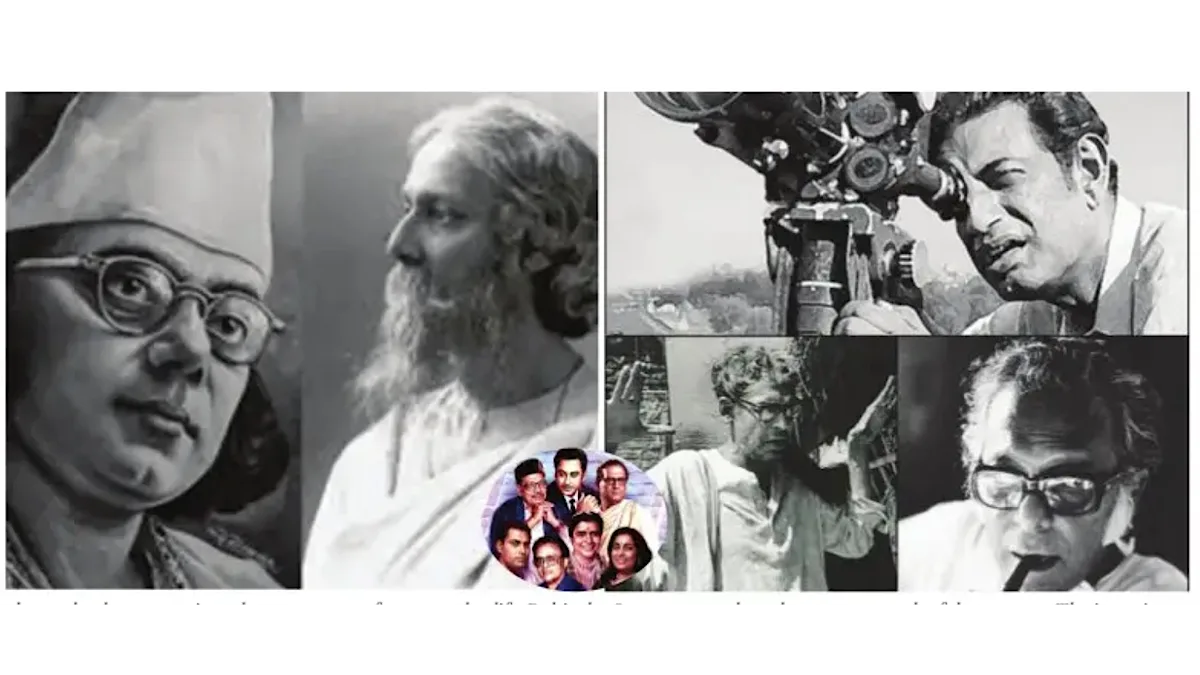
There was a time when Bengal was not merely a geographical region but a civilization of the mind. Its language carried poetry in everyday speech.
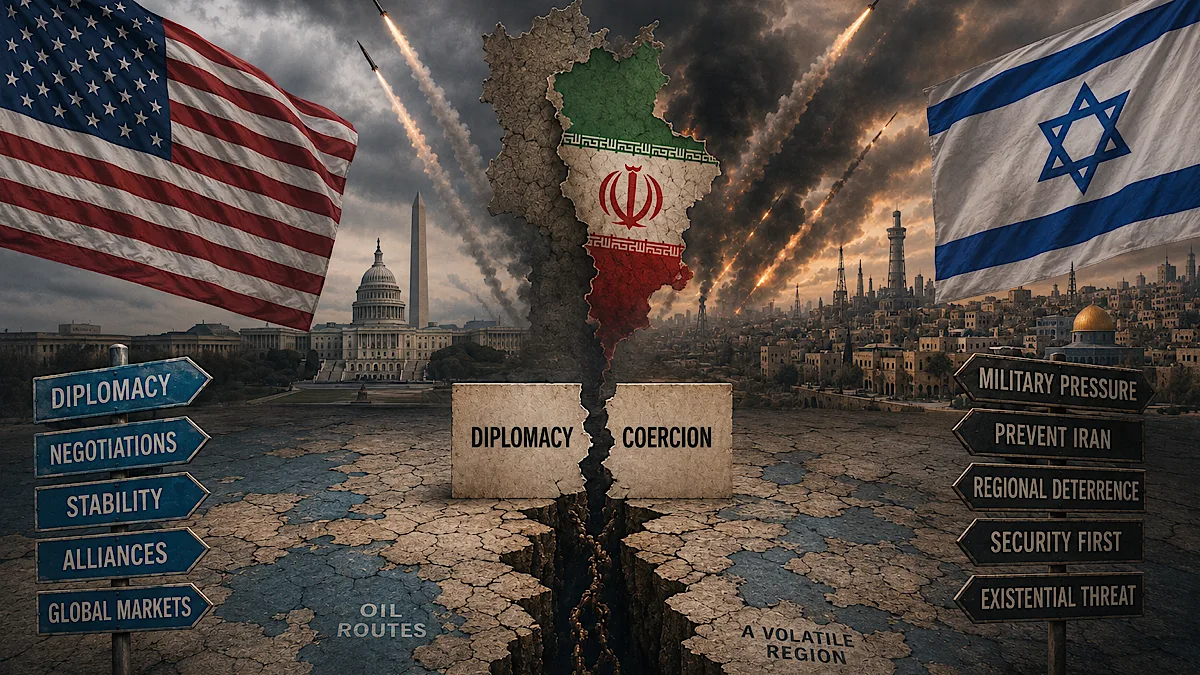
For decades, West Asia has operated on a simple assumption: when Washington and Jerusalem stand together, their adversaries have little room to manoeuvre.
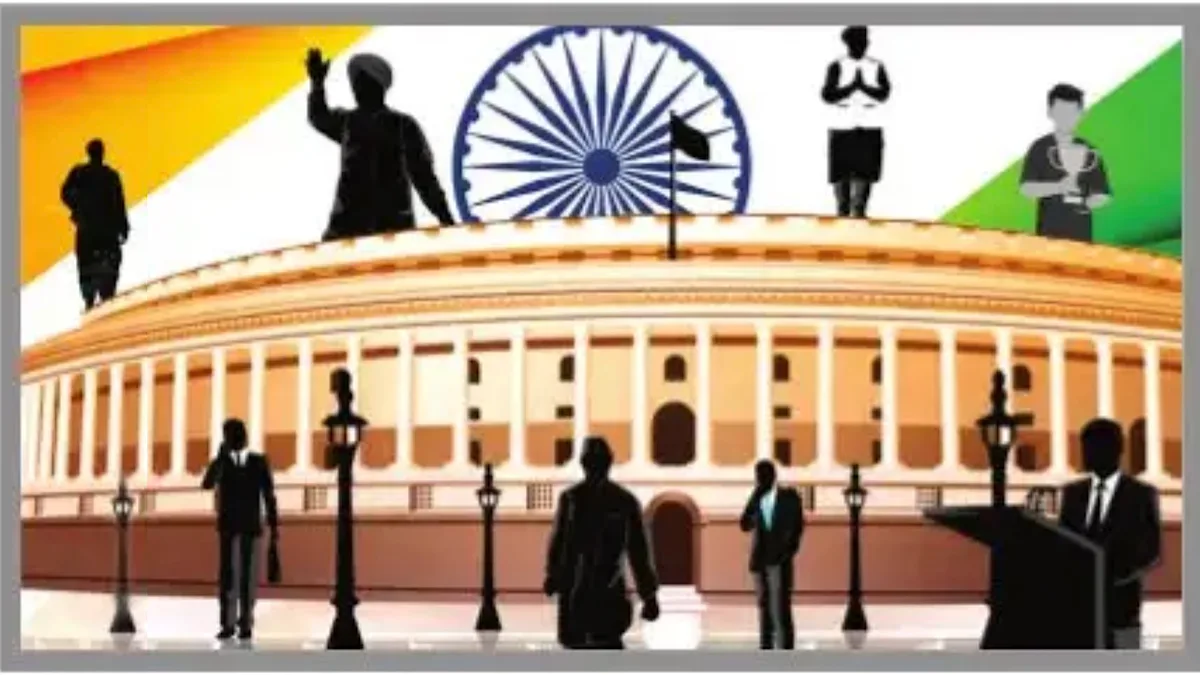
There was a time when politics occupied a defined place in human life. It was an important part of society, certainly, but it was only one among many concerns. Family, friendship, religion, art, literature, science, work, recreation, and personal aspirations all had their own spaces in the human experience.