Elite Warning
For more than two decades, Vladimir Putin’s compact with Russia’s business elite was straightforward: accumulate wealth, but leave politics to the Kremlin.
Wars often end long before the shooting stops. They end when one side concludes it cannot win, when both sides accept the limits of military power, or when external actors impose a framework that neither can ignore.




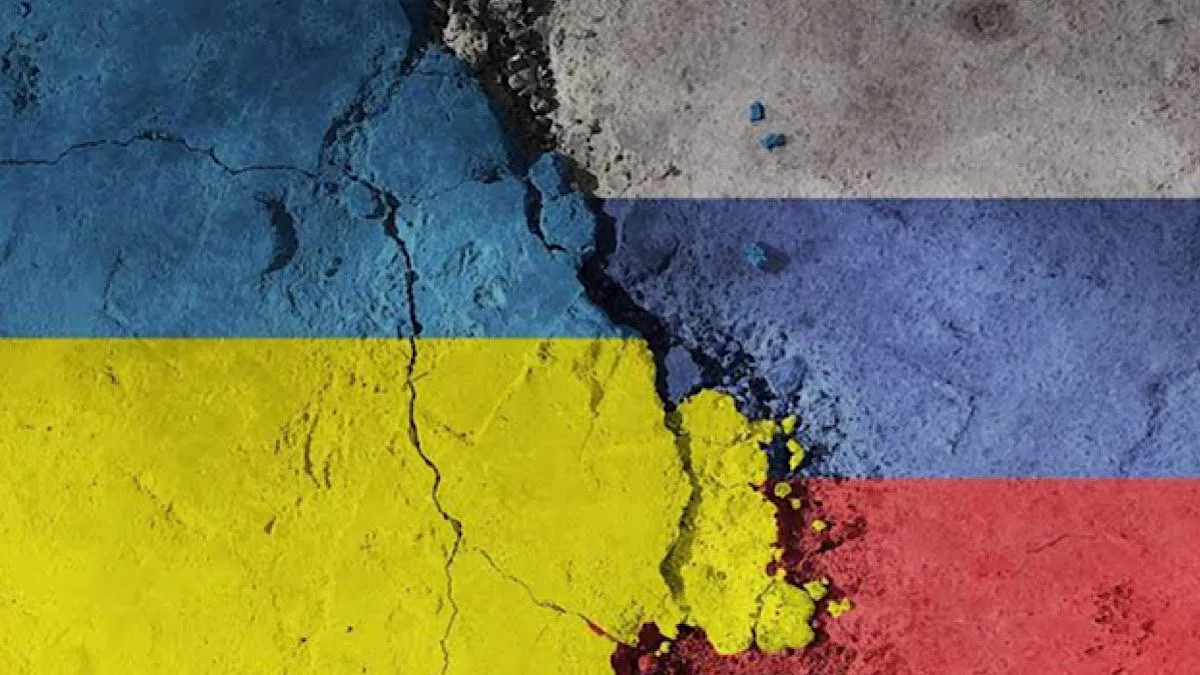
Ukraine and Russia
Wars often end long before the shooting stops. They end when one side concludes it cannot win, when both sides accept the limits of military power, or when external actors impose a framework that neither can ignore. None of those conditions exists in Ukraine today. Recent diplomatic manoeuvres have once again highlighted a fundamental reality: Moscow and Kyiv may both speak the language of peace, but they continue to define peace in mutually incompatible ways. Ukraine seeks security, sovereignty and the recovery of territory lost through force. Russia seeks recognition of territorial gains and a political settlement that permanently limits Ukraine’s strategic choices.
Between those positions lies a gap that no summit, letter or mediation effort can presently bridge. The conflict has therefore entered a phase in which diplomacy is increasingly directed at international audiences rather than at producing an actual settlement. Kyiv wants to demonstrate to its Western partners that it remains committed to negotiations and is not the obstacle to peace. Moscow wants to reinforce the perception that time remains on its side and that battlefield realities will eventually compel acceptance of its demands. Both sides are engaged in a contest for political legitimacy as much as a contest for territory. The war is also becoming more geographically expansive.
Advertisement
Ukrainian drone attacks reaching the outskirts of St Petersburg, alongside continued Russian strikes across Ukraine, underline how the conflict is increasingly affecting economic assets, infrastructure and public morale far beyond the front lines. This evolution carries important consequences for Europe. The conflict is no longer merely a question of Ukraine’s future. It has become a test of European strategic resilience, defence preparedness and political cohesion. As Washington’s attention is increasingly drawn to crises elsewhere, particularly in West Asia, European governments are being forced to confront the possibility that they may have to shoulder a larger share of responsibility for Ukraine’s security and for the continent’s broader stability.
Advertisement
The greatest danger is not escalation alone. It is the gradual normalisation of a prolonged war without a credible peace process. History offers many examples of conflicts that continued for years because neither side was willing to concede and external powers lacked the leverage to compel compromise. Such wars do not end decisively; they simply become part of the political landscape. That possibility now looms over Ukraine. The tragedy is that both sides continue to insist that peace is possible while defining it in ways the other cannot accept.
Until that contradiction changes, diplomacy will remain largely symbolic, military pressure will continue to shape events, and the prospect of a negotiated end will remain distant. More than three years after Russia’s full-scale invasion, the most realistic expectation is not an imminent peace agreement but a continuing war punctuated by diplomatic gestures, military escalation and shifting international attention. The conflict may evolve, but it is unlikely to end until one side’s assumptions about victory prove unsustainable. Until then, peace will remain an aspiration discussed at negotiating tables but determined on the battlefield.
Advertisement